

Ever wonder how your coffee maker seems to know exactly what you like? Each button press tells its own little story, almost like sharing a secret with a friend. It's like reading a diary that's written in real time by the machine itself. With little sensors checking the temperature and pressure (that means they keep an eye on the heat and steam), and every tap on its app recorded, the machine learns your habits to help perfect your brew. In this article, we chat about how these smart devices turn simple daily moves into insights that craft that perfect cup every time.
Key user interaction analytics methods for digital coffee machines
Imagine every tap, swipe, and button press on a coffee machine’s app being carefully noted down like a daily journal. That’s event logging for you, it tracks each little move as it happens in real time. Then there’s sensor telemetry, which is like the machine’s own inner weather report. It measures things like temperature, pressure, and flow using built-in sensors (these sensors check the coffee machine's inner workings to help it run smoothly). And when it comes to the screen, UI touch mapping shows exactly where users tap, helping us see which spots are loved and which might need a bit of extra attention.
Today’s digital coffee machines use these smart tools to paint a clear picture of how you interact with them. Powered by analytics platforms, the whole process, from capturing raw data to turning it into easy-to-understand insights, happens automatically. It's like turning a pile of coffee beans into a perfect brew that guides improvements.
- Event logs that capture every app click
- Sensor telemetry (for checking temperature, pressure, and flow)
- Touchpoint heatmapping to see where you interact most on the display
- Cloud-based data collection for easy access
- Real-time alerts that flag unusual behavior
Choosing which mix of these methods to use really depends on your goals. If you're after detailed performance insights, sensor telemetry and real-time alerts are key. But if your focus is on enhancing user experience, tracking everyday interactions with event logs and touchpoint mapping can reveal what makes the machine tick.
Sensor data integration for user interaction analytics in digital coffee machines
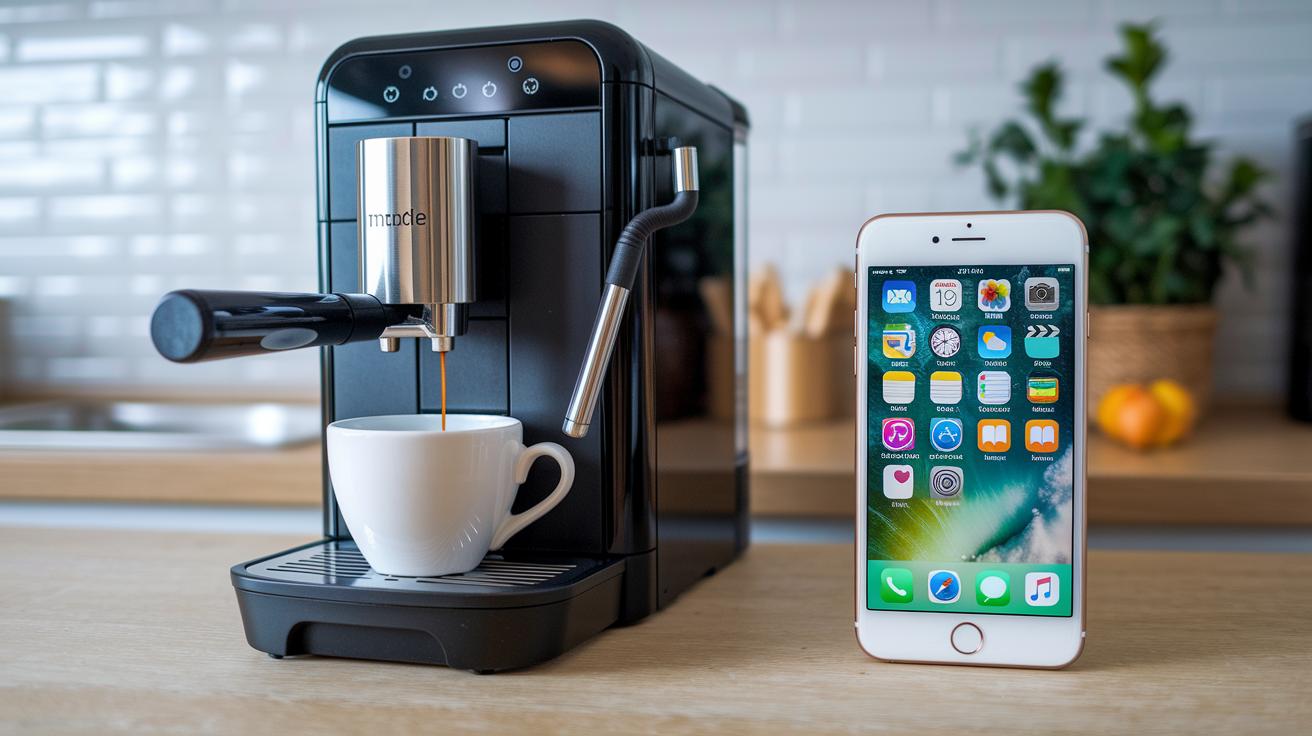
Digital coffee machines come with a variety of sensors that help capture detailed info about how you use them, almost like taking the machine's pulse. For example, flow sensors note exactly how much water or coffee you brew, weight sensors check the beans or liquid amounts, and proximity sensors sense when someone is nearby. These sensors talk to each other using simple ways like MQTT and REST. MQTT is a quick, light method to send tiny bursts of info, while REST uses everyday web methods for sending or getting data.
Then there’s the wireless side of things. Wi-Fi and Bluetooth let these sensors share their data without any messy wires. This means your smart coffee machine can record live interactions, like every time you tap a screen or start a brew. It builds a neat timeline of events with every cup, turning basic sensor signals into a story about your coffee habits.
To keep everything running smoothly, it’s important to regularly check that the sensors are accurate and that communication lines remain clear. Automated checks, like the ones used by Bayeslab AI, can instantly spot any issues, making sure each reading is as reliable as that perfect cup of coffee.
Real-time analytics and data visualization for digital coffee machine interactions
Imagine checking your coffee machine’s heartbeat in real time. Our live dashboards show you everything, from brew time to the number of times a button gets pressed, and even if there's a hiccup along the way. It’s like watching your favorite barista in action, where every cup brewed is recorded as if the machine itself is saying, "I'm on it!"
These dashboards take raw data – like how long it takes to brew or how often a button is hit – and turn it into easy-to-understand insights. You see updates every few seconds, so it's almost like listening to the gentle buzz of a hard-working machine right at your side.
| Dashboard Type | Key Metric | Update Frequency |
|---|---|---|
| Operational overview | Brew count per hour | 10 sec |
| User flow chart | Touchscreen path heatmap | 30 sec |
| Diagnostic summary | Sensor anomaly alerts | Real-time |
Think of these tools as a live report card for your coffee machine. They spotlight trends and catch issues right away, letting you tweak settings just as you might adjust your blend based on the aroma filling the room. When updates happen on the fly, it's easier for teams to make smart decisions and keep every cup satisfying and smooth.
Analyzing coffee machine demographics and interface behavior on digital coffee machines
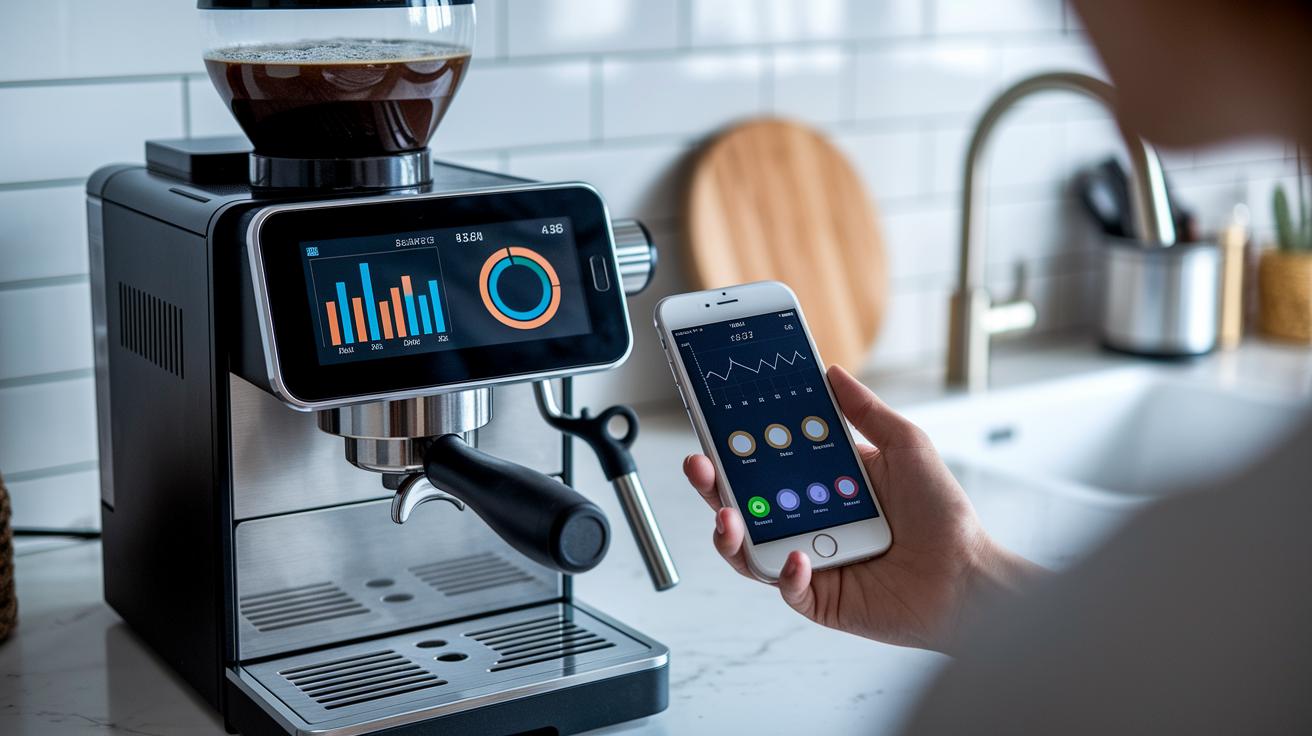
Smart coffee machines collect lots of interesting info from places like user profiles, loyalty programs, and even logs that show when people brew their coffee. This data paints a clear picture of who is making coffee and at what times they’re using the machine.
- Age bracket and gender
- Frequency of use (daily, weekly)
- Preferred beverage type
With details like these, experts can split users into clear groups. Bayeslab lets them chat with the raw data in plain language, which makes spotting trends as easy as chatting with a friend about your favorite brew. It turns out that some folks are early risers whipping up a quick cup, while others savor a slow, relaxed brew later in the day.
Mapping out this digital journey is key. It helps tailor the machine’s interface and special offers to fit each group’s habits, making every coffee-making moment feel more personal and enjoyable.
Case study: interactive machine analysis with Bayeslab for digital coffee machines
Data Ingestion & Quality Assessment
Bayeslab AI agents grab telemetry and UI logs from digital coffee machines and run simple checks to catch any sensor glitches. Imagine your brew being watched so closely that even a tiny sensor hiccup is spotted in a flash.
Behavioral Segmentation & Diagnostics
Smart prompts pick up on patterns like skipped calibration steps, almost like a coffee recipe that tweaks itself when an ingredient isn’t quite right. This clever system spots trends without any extra hassle.
Insight Delivery & Integration
All the findings get sent straight to an enterprise dashboard loaded with report triggers. This means you can keep an eye on performance in real time through machine learning, a tech that helps adjust the coffee process automatically. Picture every brewing insight laid out as clearly as that perfect pour.
Driving user experience optimization with analytics in digital coffee machines
Analytics bring a little spark to every cup by linking real user data directly to how we shape our designs. Teams work side by side, talking over ideas like old friends sharing a warm cup of coffee. They swap notes on quirky screen behaviors and surprise actions, all while keeping an eye on the numbers. This back-and-forth helps our engineers refine every detail so that your coffee machine not only does its job but also makes you smile every time.
- A/B testing touchscreen layouts
- Tweaking sensor thresholds for steady performance
- Suggesting personalized recipes based on your past choices
- Sending automated alerts for maintenance before issues can arise
Monitoring how the machine performs is a bit like tasting coffee to pick out its flavors. Lower error rates and higher satisfaction scores tell us that even small changes can make a big difference. These indicators work like a report card, showing that every update leads to a smoother, more enjoyable coffee experience for everyone.
Final Words
in the action, smart coffee tech is mixing real-time data with sensor insights to polish every brew. We explored event logging, sensor telemetry, and dynamic dashboards that spark smart decisions. Touchpoint heatmapping and demographic analysis add even more flavor to the mix.
This smart blend shows just how powerful understanding user interaction analytics with digital coffee machines can be. Every bit of data helps create that flawlessly brewed cup, turning tech into a true coffee delight.
FAQ
Understanding user interaction analytics with digital coffee machines pdf
The pdf on user interaction analytics explains how smart coffee machines track user actions. It details methods like event logging and sensor telemetry to help fine-tune performance.
Understanding user interaction analytics with digital coffee machines free
The free guide on user interaction analytics shows how to monitor and improve smart coffee machines using real-time data from sensors and user logs, making it easier to optimize performance.
Coffee technology
The term coffee technology refers to modern devices and systems that use digital tools. This includes smart sensors, real-time analytics, and interactive dashboards to enhance the brewing process.
The rise of specialty coffee an investigation into the consumers of specialty coffee in gauteng
The investigation into specialty coffee in Gauteng highlights how consumer choices are studied using data insights. It explains trends and preferences among coffee drinkers in that market.
Technology in coffee industry
The technology in the coffee industry uses smart devices and digital monitoring to improve brewing precision. Digital coffee machines now feature connected sensors and data analytics to boost overall user experience.
How does Starbucks use data analytics?
The approach Starbucks uses with data analytics involves monitoring consumer habits, tracking sales patterns, and fine-tuning store operations to serve personalized products and improve customer experiences.
Do coffee machines use AI?
Some smart coffee machines use artificial intelligence to adjust brewing settings and monitor performance, ultimately helping to maintain consistent quality.
How do coffee machines work step by step?
The explanation starts with grinding beans, heating water, and then mixing the ingredients. Some machines use sensors to refine the process for a perfect cup.
What to look for in coffee machines?
Key features to look for include responsive user interfaces, sensor telemetry, real-time analytics, and an intuitive design that fits your brewing style.