

Ever thought about whether your coffee machine is really doing its job? This guide explains things like how long your machine runs without a hiccup, how quickly repairs get it back on track, and when it’s time for a check-up. By keeping these numbers in mind, you can catch problems early before they grow and cause a mess during your busiest hours.
We’re here to show you that tracking simple facts can make your café run smoother and keep your customers smiling, even on the craziest days.
Core KPIs for Coffee Machine Performance Metrics

Keeping an eye on key performance numbers like uptime, mean time between failures, mean time to repair, and maintenance compliance is essential for any coffee shop. These numbers help café owners and technicians easily see how smoothly a coffee machine is running. When a machine is humming along, coffee keeps flowing and profits can grow.
Uptime shows how much of the day the machine is working. For instance, if a machine is up 95% of the time, it means it’s down for about 21.6 minutes each day, even in a busy café.
Mean Time Between Failures, or MTBF, is all about the typical stretch of time a machine works between issues. Think of it like your car’s mileage before needing a tune-up, if a machine has an MTBF of 300 hours, you might expect a hiccup every 12.5 days when it runs 24 hours a day.
Mean Time To Repair, known as MTTR, tells you how long it usually takes to fix a machine when something goes wrong. A quick 30-minute repair time means that even during rush hour, the coffee shop doesn’t lose much service time.
Maintenance Compliance measures if all the scheduled service tasks are done on time. A 92% compliance rate is a strong sign that the café is keeping its machines in tip-top shape and avoiding unexpected breakdowns.
Maintenance Cost Percentage looks at how much money is spent on upkeep compared to the overall revenue. For example, if a café spends 6% of its earnings on maintenance, it shows a well-balanced investment to keep the machines running efficiently.
Comparing these numbers with industry standards can shine a light on what’s working well and where improvements are needed. This approach helps every café stay reliable and competitive, ensuring that each cup of coffee is brewed to perfection.
Measuring Extraction Timing and Brewing Efficiency
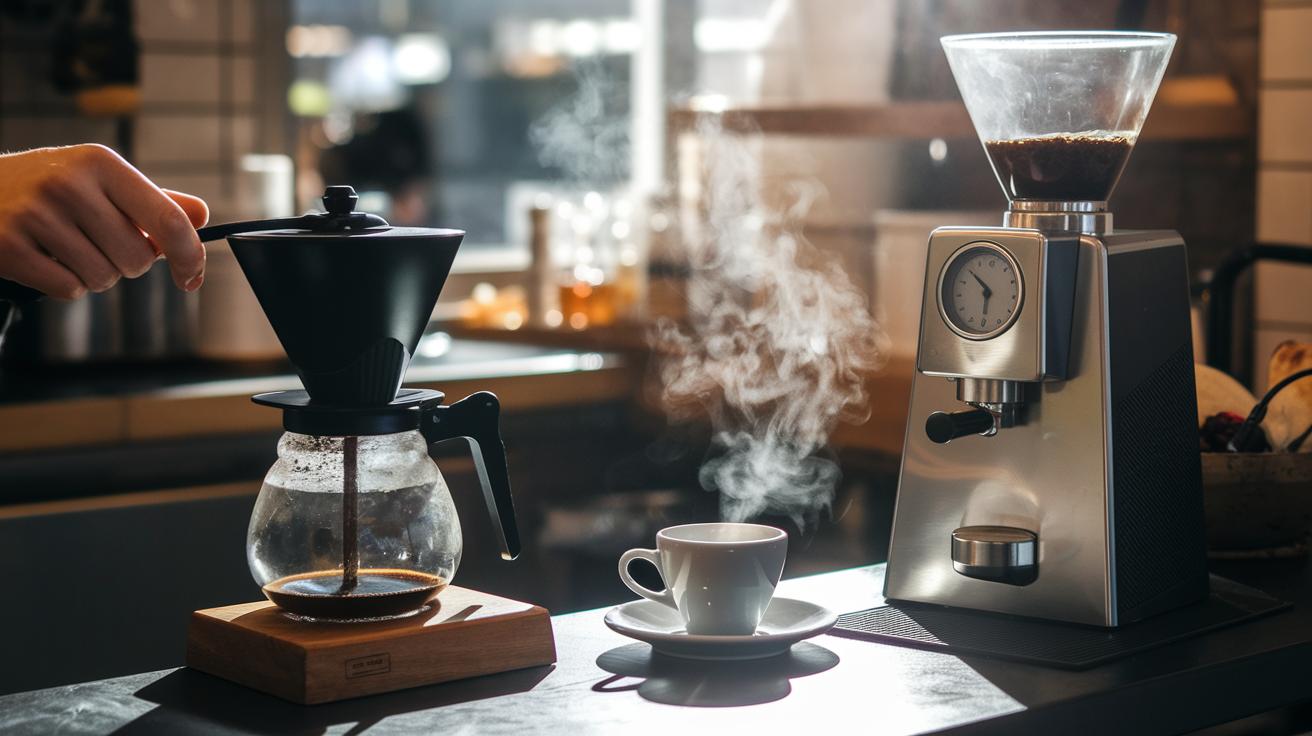
Getting the timing right is key to making a coffee that tastes just perfect. When the brew time fluctuates, the flavor can swing from too bitter to too weak. Sticking to a set time helps keep the coffee balanced and memorable with every cup. Even a small change, like a few seconds over or under, can shift the flavor by about 15%.
| Method | Time Range |
|---|---|
| Espresso | 25–30 seconds |
| Pour-Over | 2–3 minutes |
| Batch Brew | 4–6 minutes |
Modern timers and digital controls let cafés track each brewing cycle with precision. They catch any little slip in timing and can even adjust the process on the fly. For instance, some machines follow simple, step-by-step rules (algorithms) to tweak the brew in real time. This means there’s always a feedback loop making it easier to keep the coffee tasting just right every time.
Reviewing digital data helps baristas notice patterns over time. With these smart adjustments – whether done by hand or automatically – every cup stays consistent, reliable, and as delightful as a perfectly brewed cup of coffee.
Monitoring Water Temperature and Pressure Consistency
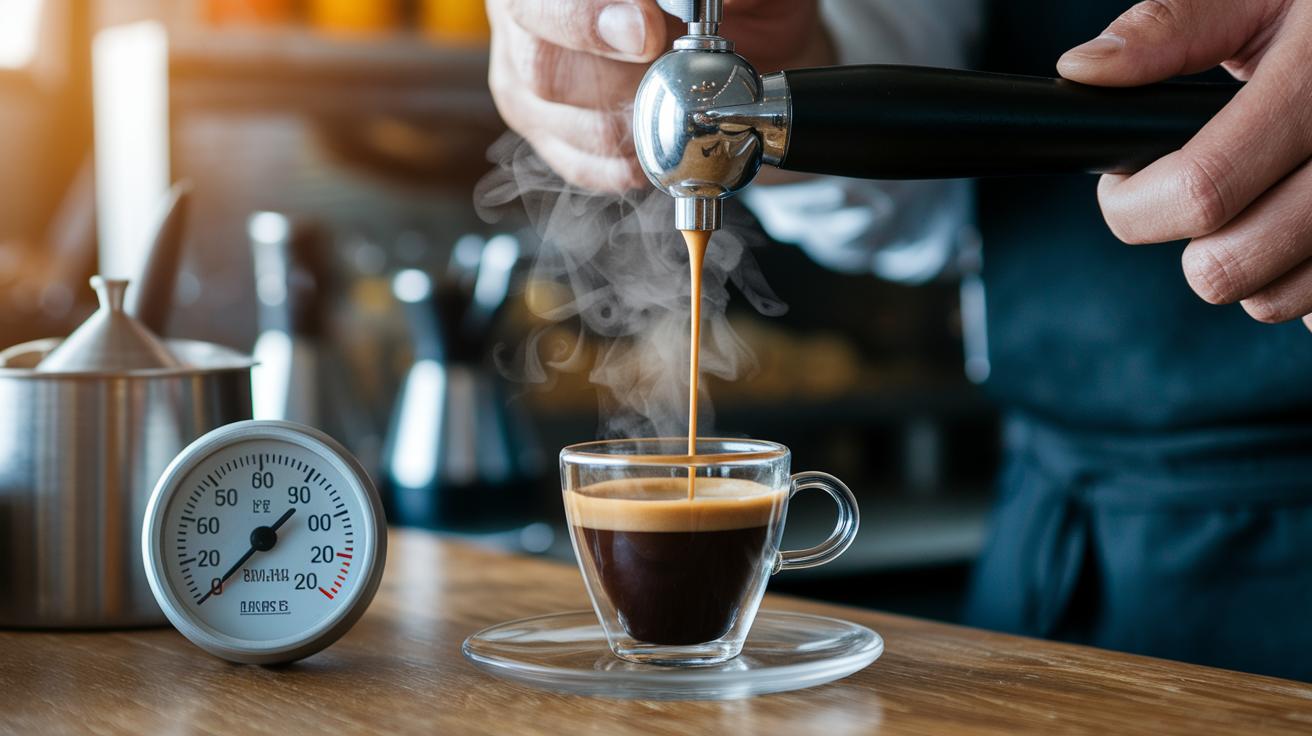
Water temperature and pressure are key to getting a great extraction every time. When coffee brews at just the right heat and with the right push, each cup hits a perfect balance of flavors. For example, an espresso really shines when brewed between 90 and 96°C and with a quick burst up to 9 bar. Even a small change in pressure can shift the crema and change the feel of your cup.
- Validate temperature sensors – Make sure each sensor shows temperatures within plus or minus 1°C of a trusted standard.
- Calibrate pressure gauges – Check that gauges quickly hit 9 bar within 2–3 seconds. This speed is crucial for perfect coffee.
- Perform preinfusion checks – Confirm the preinfusion phase lasts 2 to 5 seconds at 2–4 bar. This step helps smooth out the extraction.
- Log pressure curves – Record the pressure during the shot to catch any changes over a plus or minus 0.5 bar margin that might affect flavor.
Using thermal probes and inline sensors means you can monitor things in real time and catch little shifts before they ruin your brew. It’s a proactive way to keep every pull on track with our performance guidelines, ensuring every cup is as satisfying as the last.
Evaluating Energy Consumption and Operational Efficiency

Keeping an eye on how much energy your machines use is key to running a smart and profitable operation. When you know exactly how much power your equipment consumes in different situations, you can make choices that cut costs and boost performance. In a bustling coffee shop, monitoring energy is like checking the pulse of your business, it helps you spot odd power spikes and fine-tune your systems for better efficiency.
- Peak draw per cycle: In busy times, commercial espresso machines usually need about 1.5 to 2.5 kW per group head.
- Idle consumption: Looking at the energy used when machines are on but not actually brewing can highlight ways to reduce waste.
- Standby efficiency: Evaluating how devices perform in low-power or sleep modes might lower energy waste by 30 to 50%.
Using smart features like programmable sleep settings and variable-speed pumps can really help lower energy bills. Automated sleep and wake cycles may cut energy use by up to 15%, and clever pump systems adjust water flow based on the demand. By checking these measurements regularly through digital controls, coffee shops can make the most of both busy and quiet periods. This fine-tuned efficiency not only saves money but also supports a greener, more sustainable operation.
Maintenance Frequency and Reliability Benchmarks

Keeping your coffee machines in tip-top shape is all about regular upkeep. When you stick to a good maintenance routine, you dodge surprises and boost your machine's lifespan. It’s like keeping your favorite coffee gear clean day after day, you spot little issues before they turn into big, costly problems.
Every day, take a few minutes to backflush your machine and clean the group-head brushes to clear away coffee oils and residue. This simple step is like giving your machine a quick, refreshing rinse.
Every week, give some extra love to the portafilters and shower screens. Soak them well to break down any buildup that might affect the taste of your brew. Think of it as a deep clean that keeps every cup tasting just right.
Every month, check on the little details. Make minor calibrations and inspect key parts to ensure everything is running as it should. Imagine it like tuning your bike before a long ride, it's a small effort that keeps everything smooth.
Every quarter, schedule some technical servicing. This means getting a thorough look-over of pressure systems and sensor functions (these are the parts that check the machine’s temperature and pressure, kind of like how a thermostat works). A detailed inspection now saves you from bigger repairs later.
And once a year, go through your complete maintenance log. Document all the work, from parts replacements to performance checks. It’s a bit like reviewing your yearly health check-up, ensuring that your machine stays in great shape and your budget remains on track.
Keeping an eye on your maintenance costs compared to overall revenue is smart too. Spending around 5–8% of the machine's purchase price annually might seem steep at first, but it cuts down on surprise repairs and delays. Studies even show that if you stick to preventive maintenance above a 90% compliance rate, your machine's mean time between failures might stretch by up to 25%. That means fewer hiccups during peak hours and consistently tasty coffee, all while protecting your bottom line.
Advanced Sensor Diagnostics and Real-Time Data Logging
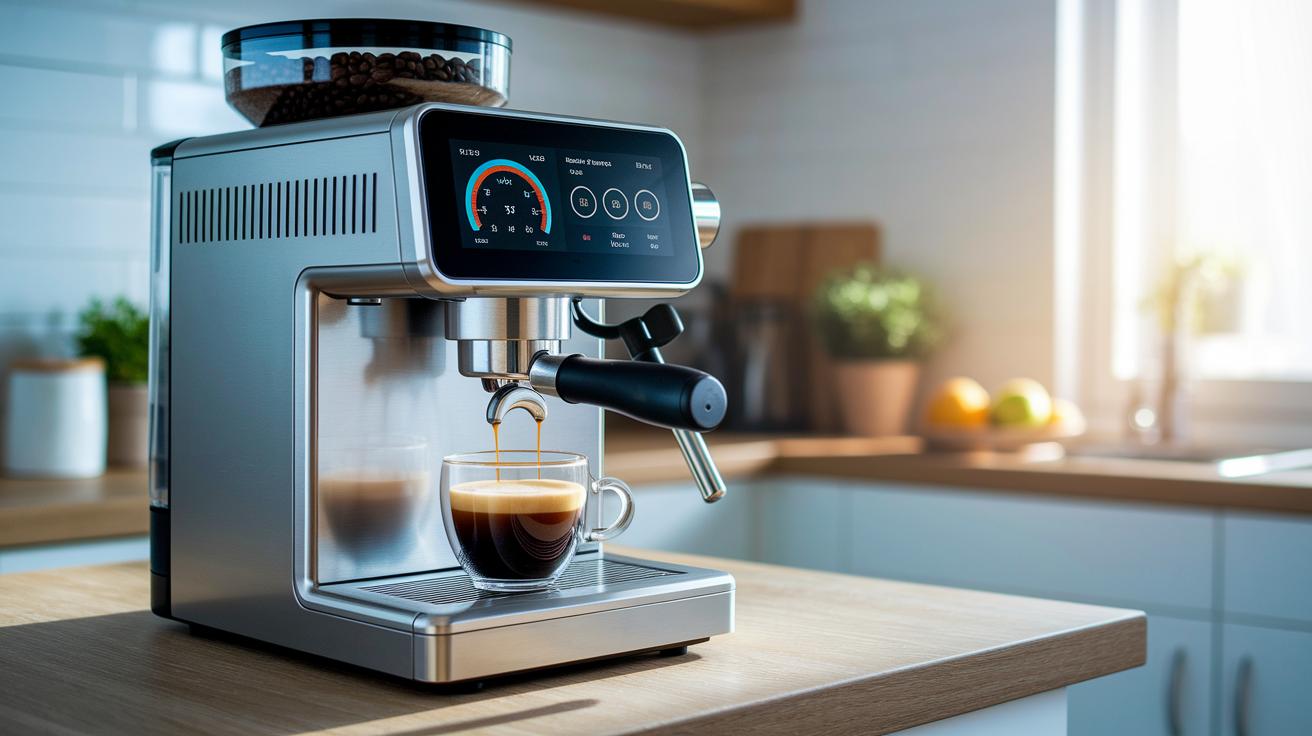
Imagine your coffee machine checking its own health as it works. With real-time diagnostics, it keeps track of performance like a trusted friend who always points out when things might go off track. The sensors are on duty every second, noticing if the temperature shifts by more than 2°C or if the pressure swings past 0.7 bar. This means technicians can catch and fix little issues before they spoil your next brew. Every sensor reading adds up, forming a clear picture over time so you can see trends and spot problems early.
Here's what makes it all click:
| Feature | Description |
|---|---|
| Anomaly Alerts | Smart diagnostics automatically flag things like a heater going out or a pump stalling, so you can fix them before they grow into a real headache. |
| Trend Mapping | Real-time data logging turns raw numbers into clear patterns. This helps the team spot gradual changes in performance and recurring errors. |
| Error Log Dashboards | Faults are neatly organized into dashboards for easy review, making maintenance quicker and more effective. |
By integrating advanced sensors, your equipment learns to keep an eye on itself. Regular calibration checks ensure that every sensor measures correctly and responds quickly. This means you can trust the data you see. Using telemetry, operators can even schedule repairs before something unexpected happens. In short, digital log tracking turns all those sensor readings into practical insights, helping keep brewing cycles smooth and your coffee tasting just right.
Final Words
In the action, we explored key performance indicators, from uptime and MTBF to energy monitoring and sensor diagnostics. We broke down extraction timing, water temperature, and maintenance routines into bite-sized, easy-to-follow pieces. This blog post offered a clear coffee machine performance metrics guide, mixing real-time diagnostics with smart data logging to keep your brew consistently on point. Every section brought us closer to that perfect cup, leaving us with a renewed sense of excitement for tech-driven coffee mastery. Enjoy every sip!