

Have you ever wondered if your morning coffee could help the planet? Today, clever digital tools are changing the way we grow our coffee beans. Simple gadgets like sensors (little devices that check things like water levels) and drones (small flying machines) help farmers water their crops and add just the right amount of fertilizer. This means less waste and healthier coffee plants.
And get this, even blockchain, a secure digital record keeper, is stepping in to track every step from the farm to your cup. In simple terms, every bean's journey is noted down, making the process clear and trustworthy. This little tech shift might seem small, but it brings big benefits for nature and keeps your daily brew tasting just great.
How Digital Technologies Shape Sustainability Trends in Coffee Production
Digital tools are changing the way coffee is grown and enjoyed. Farmers now use simple gadgets like sensors and drones to check things like soil moisture and weather. Imagine a farm where little devices tell you when to water or add fertilizer. This smart approach even boosts coffee crops by around 30% while using less water and other resources.
Blockchain is another cool tool making coffee more trustworthy. It keeps track of every step from the farm to your cup. This way, buyers can see exactly where their coffee comes from, and farmers get a clear look at their own practices. It also helps everyone follow new rules, like the ones coming in the EU at the end of 2024.
There are also AI systems and satellite images lending a hand on the farm. These tools offer real-time updates, much like checking your phone for a new message, so growers can act quickly when conditions change. But not everyone finds it easy. Many farmers still face money issues or lack the right equipment to use these new ideas.
New ways of funding are sparking a shift too, with coffee growers now sometimes supporting roasters directly. This change builds a stronger bond between the people who grow the coffee and those who brew it, while also encouraging eco-friendly practices that help plan for a resilient future.
Precision Digital Agriculture and Smart Monitoring for Eco-Friendly Coffee Farming

Precision agriculture is more than just sensor alerts and drone views. Today, farmers use ground sensors, satellite images, and quick checks on soil moisture and nutrients to make smart, eco-friendly choices. It’s a bit like fine-tuning a fancy coffee machine, each adjustment matters to get that perfect brew.
Take one example: before using these smart tools, one farm saw a 20% drop in its yield. It was like trying to brew a rich cup of coffee without the right temperature. Once every reading was used to adjust the process, the results became smooth and balanced.
A recent study even shows farmers have bumped up their coffee yields by 30%, all while using water better and cutting down on fertilizer. With detailed sensor data, each day’s work gets a boost, and a solid foundation is built for long-lasting sustainability.
| Metric | Before Implementation | After Implementation |
|---|---|---|
| Coffee Yield | Standard | +30% |
| Water Use Efficiency | Moderate | +20% |
| Fertilizer Application | High | -15% |
Digital Traceability and Blockchain for Green Coffee Supply Chains
Blockchain in coffee production acts like a digital diary, logging every step from the farm right to your cup. It works hand in hand with mobile platforms so you can check the origins of your coffee with a quick scan. Picture this: scanning a code on your bag shows you that the beans were grown responsibly, with every moment of their journey recorded. Plus, it meets new EU rules starting December 30, 2024.
This digital traceability offers a live look at every detail in the process. It helps cut down on mistakes and fraud, making it easy for buyers and coffee lovers alike to see exactly where the beans come from. Every simple check, like confirming a farm’s location or checking a batch’s quality, builds trust with clear, step-by-step details.
When buyers team up directly with coffee growers, it creates a steady flow of responsibly sourced beans. This close connection benefits everyone along the chain and supports sustainable practices.
| Key Benefit | What It Means |
|---|---|
| Easy Verification | Quickly check farming practices with just a scan |
| Real-Time Monitoring | See every step of production as it happens |
| Meeting New Regulations | Stay in line with sustainability rules set by upcoming regulations |
In short, digital traceability and blockchain together keep the coffee supply chain green and honest. They turn every cup into a story of care and transparency, linking trusted practices straight from the farm to your cup.
Waste Reduction and Circular Economy in Digital Coffee Production
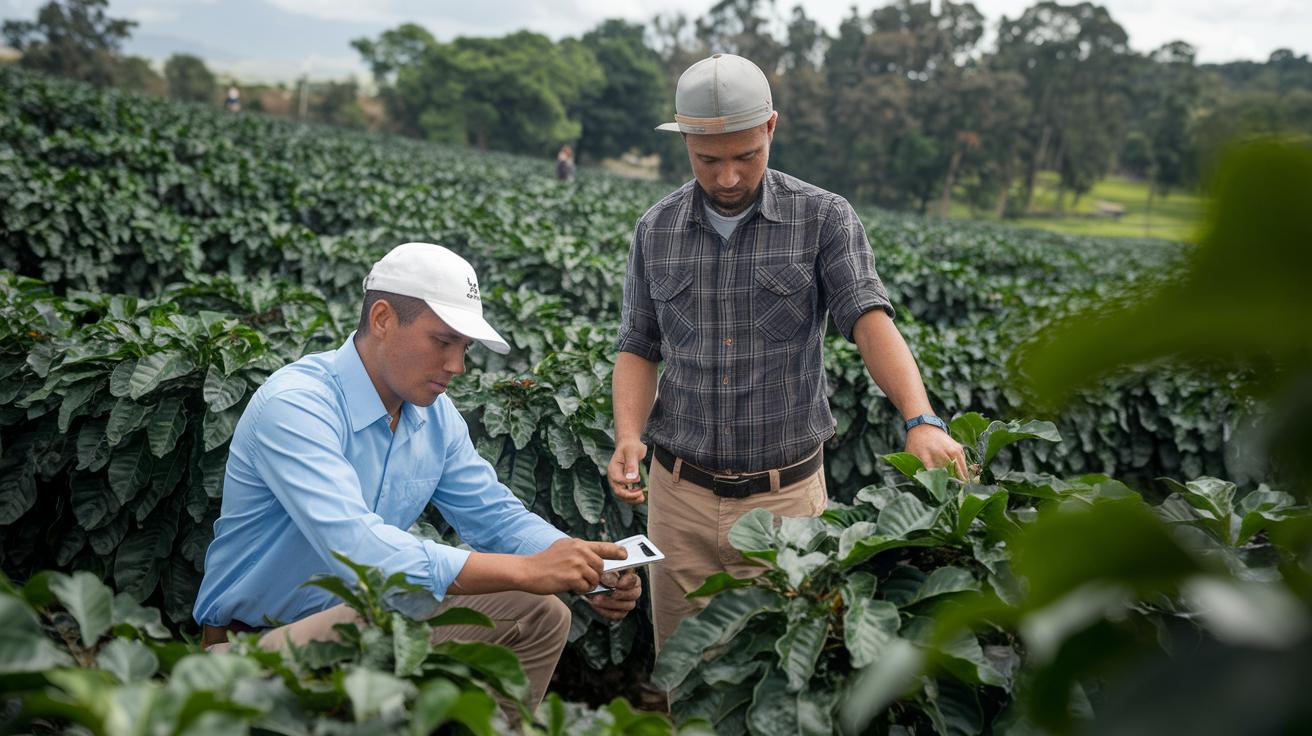
Coffee makers are finding fresh ways to cut waste and use resources wisely, all thanks to digital tools. These smart systems help turn what used to be cast aside, like coffee pulp, into handy byproducts such as fertilizer or even biofuel. It’s a bit like finding hidden treasure in what you would normally throw out.
Digital setups now keep an eye on every step of coffee production. Sensors (simple devices that track things like waste and energy use) send real-time data to a main platform. This clear, live info helps farms tweak their processes and really cut down on their environmental footprint.
Some farms that have embraced these digital tricks are not only saving money but also making their operations greener. With tech that sorts waste and maps out resource use, they fine-tune the entire journey from bean to cup.
| Practice | Benefit |
|---|---|
| Waste Repurposing | Turns leftovers into useful things like biofuel |
| Digital Monitoring | Helps trim resource use and lower costs |
| Lifecycle Tracking | Boosts overall sustainability measures |
Energy Efficiency and Renewable Energy Integration in Digital Coffee Processing
Digital energy management platforms are changing the way coffee is processed. They watch every step in real time, much like a reliable friend keeping an eye on things. These systems notice when a machine is using extra energy and quickly adjust to keep things smooth, kind of like a smart thermostat that makes your home comfy while saving on power.
Across many coffee plants, switching to greener energy is becoming the norm. Solar panels soak up sunlight to produce power, and coffee husk burning offers steady, warm energy. These renewables help cut down the carbon footprint and lower running costs at the same time.
Digital tools also help spot energy waste and suggest real fixes to improve efficiency. For example, one system discovered that an area used too much energy during busy times and made a few smart tweaks to ease the load. Each little change not only saves energy but also moves us toward a cleaner, more sustainable future, balancing business needs with care for our planet.
Data-Driven Yield Optimization and Resource Management in Digital Coffee Agriculture
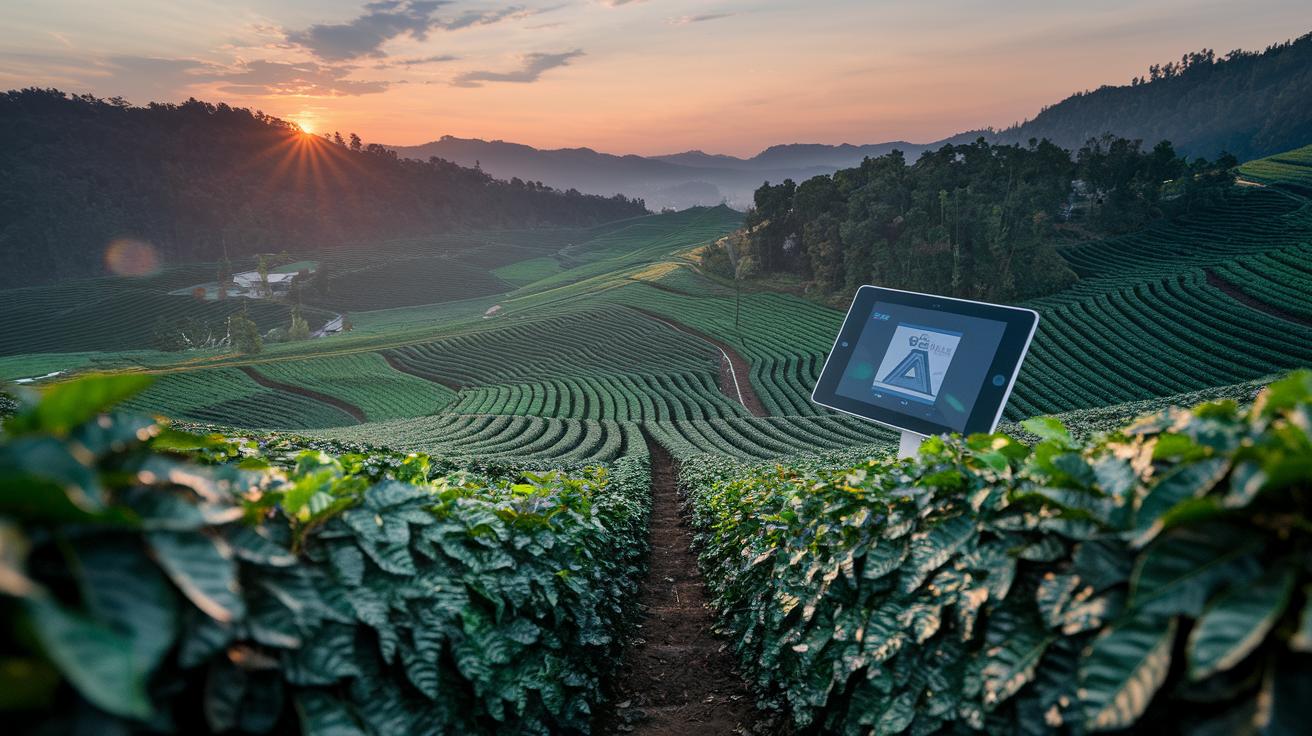
Imagine sensor-based tools teaming up with smart AI to help your coffee fields flourish while cutting down waste. These clever systems grab data from sensors, weather updates, and even satellite photos – like a friendly helper telling you exactly when your soil needs a drink. This teamwork can boost your crop yields by up to 30%.
Ever notice how quickly weather can change? With real-time forecasts and risk checks, farmers can adjust their methods as the climate shifts. Picture a system that keeps an eye on tiny weather tweaks, advising you when to tweak your watering schedule. In fact, a quick change in local weather might drop soil moisture by over 20% in just a few hours!
By mixing precise resource management with smart climate planning, these digital tools give a clear view of your field conditions. They help growers balance resources wisely while nurturing coffee crops that are both high in quality and more sustainable.
| Data Source | Application |
|---|---|
| Sensors | Keep track of soil moisture and nutrients |
| Weather Forecasts | Spot small shifts in local weather |
| Satellite Imagery | Map field differences to guide actions |
Future Technologies Driving Sustainability in Digital Coffee Production
Today’s smart farming already uses simple sensor networks and IoT devices to collect field data. New methods are building on that by testing out ideas that aren’t very common yet.
One exciting step forward is using machine learning to spot pests early. Imagine a system that notices small changes in moisture or temperature, almost like a friendly nudge that says, "Hey, there’s a tiny change that might mean pests are on the way." This gives farmers a chance to act fast before problems grow.
Another cool development is cloud-based agronomy platforms. These tools give live updates on crop health, so farmers can see what’s happening in their fields right away and make better decisions without having to check everything manually.
Some key innovations on the horizon include:
- Predictive pest detection with smart algorithms
- Cloud tools that provide real-time field updates
- Experimental sensor fusion that helps plan irrigation adjustments in advance
These new ideas are shifting us from tried-and-true methods to more experimental, tech-driven ways to keep coffee production sustainable and thriving.
Final Words
In the action, we've seen digital innovations drive smarter coffee farming using modern tools like sensors, drones, and blockchain traceability to boost efficiency while trimming waste. Precision agriculture and circular economy practices come together with renewable energy tools to cut emissions and optimize resources. Real-time data and AI help fine-tune yields and foster climate resilience. It’s all about blending tech with tradition to celebrate sustainability trends in digital coffee production and keep brewing excellence every single day.
FAQ
What are the key sustainability trends in digital coffee production in recent years?
The key sustainability trends in digital coffee production include sensor-driven precision agriculture, blockchain traceability, and real-time data analytics. These methods improve yields, cut waste, and promote eco-friendly practices from the field to your cup.
What are the main sustainability issues along the coffee chain, and how does digitalization address them?
The sustainability issues span resource use and consumer trust. Digital tools like sensors and blockchain help monitor farm practices, track beans, and reduce waste, leading to a more sustainable process from farm to cup.
How is digital innovation boosting the specialty coffee market and competitive advantage?
Digital innovation is boosting the specialty coffee market by combining smart monitoring and data analytics to optimize farming, reduce waste, and improve transparency, which helps strengthen competitive advantage.
What does sustainability mean in the coffee industry, and why is it a buzzword?
Sustainability in the coffee industry means growing coffee with reduced environmental impact while supporting farming communities. It’s a buzzword because eco-friendly practices meet rising consumer demand for greener coffee.
How can coffee be grown in a more sustainable way?
Coffee can be grown more sustainably by adopting digital tools like precision agriculture, smart sensors, and remote diagnostics. These methods optimize water, fertilizer, and overall resource use, leading to greener practices and better yields.
What trends are shaping the coffee and beverage industry right now?
Current trends in the coffee and beverage industry include AI-driven analytics, blockchain traceability, renewable energy solutions, and circular economy models. These smart practices help meet eco-friendly goals while satisfying consumer expectations.