

Ever thought about a coffee machine that can fix its own little slip-ups? Picture waking up to a cup that only gets better with each brew. The machine uses tiny sensors, little devices that keep track of things like temperature and water flow, kind of like checking your car’s tire pressure, to catch small changes before they mess with your flavor.
The smart software inside watches over everything, making sure each cup stays balanced and delicious, just like a well-rehearsed tune. In this post, we dive into how these neat tricks spot and fix sensor drift, so you always get a great coffee every single time.
Advanced Drift Detection Algorithms and Correction Techniques for Coffee Machine Sensors

Our Coffee AI software keeps an eye on readings from temperature probes, water flow sensors, weight scales, and grinder sensors in real time. It spots even the smallest changes in performance with every shot. The system uses a type of machine learning that tweaks the extraction settings based on what it learns from each brew and your feedback. It’s a bit like tuning a piano, each shot improves as the system gathers more info.
To catch these small shifts, the software checks trends in pressure and temperature. It uses simple statistical methods that compare current sensor readings with past data, much like you might check your car’s tire pressure every morning to catch a tiny leak before it becomes a big problem. The system also levels out sensor readings using signal normalization, which makes it easier to spot any errors.
By bringing in time-series anomaly detection, the software can follow how your coffee machine performs over many shots. When a slight but steady change pops up, a feedback loop kicks in to adjust the brewing settings right away. This quick fix helps improve the extraction curve and balance the flavor, just like fine-tuning your favorite recipe until it’s just right.
Key detection techniques include:
- Statistical threshold algorithms
- Time-series anomaly detection
- Residual error monitoring
- Signal normalization checks
- Feedback-driven adaptive thresholds
On top of that, our machine learning-based drift prediction frameworks can forecast problems before they even affect your brew. For more details, check out the “data-driven coffee brewing insights” at https://aboutjoe.com?p=87 and see how sensor accuracy is optimized for consistent coffee extraction at https://aboutjoe.com?p=110.
Real-Time Monitoring Systems for Sensor Drift in Coffee Brewing
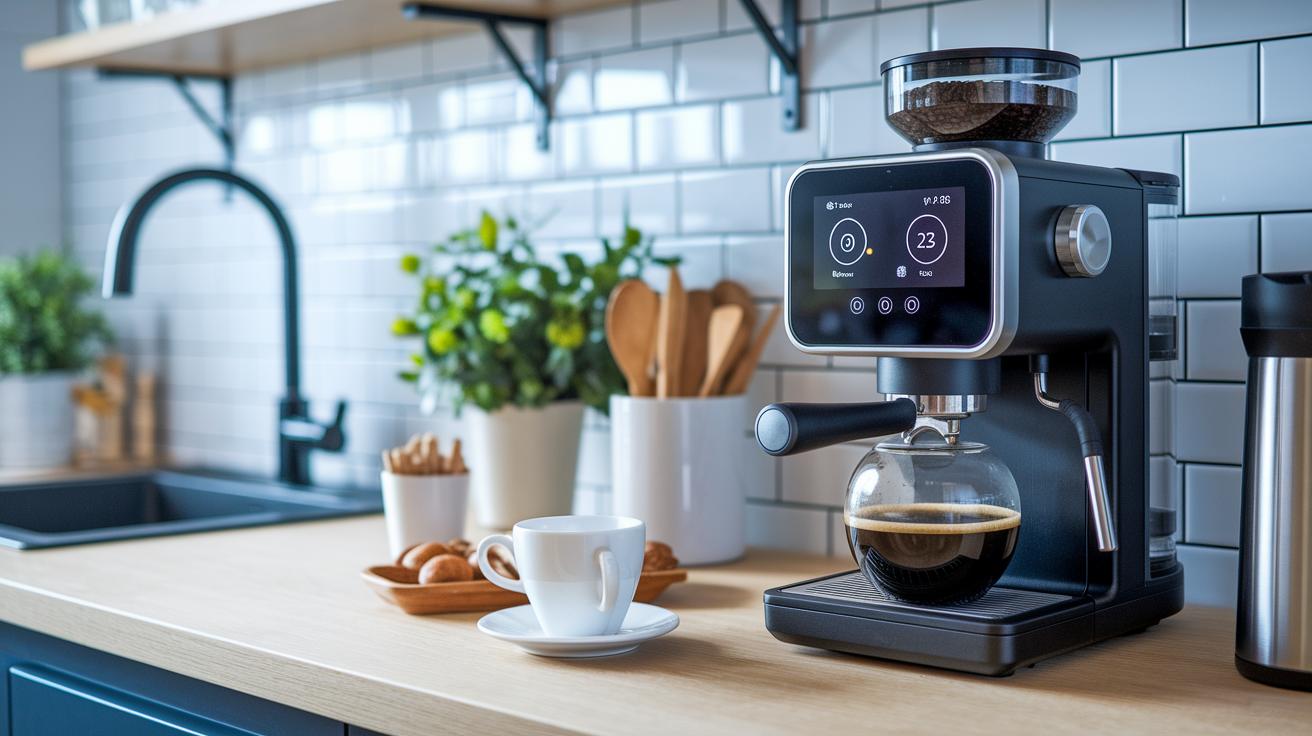
Smart coffee machines are getting smarter every day. They’re gathering data from all sorts of sensors, like those that check temperature, measure water flow, weigh ingredients, and even monitor the grinder. Now, these machines are stepping up their game by focusing on drift detection, with a fresher user interface and a smoother cloud connection. The updated dashboard shows sensor trends as they happen, helping you tell the difference between normal changes and early signs of drift. Imagine watching a graph that reveals how your water flow varies a little more with each of the last 10 brews.
Cloud connectivity now offers a new level of remote troubleshooting with hands-on case studies. When drift shows up, you’ll get a clear and visual alert that includes a bit of history, so you can quickly compare current readings with what’s normal. In one real-life case, a remote technician spotted a sensor slipping out of alignment, all thanks to the system’s enhanced display. It’s a reassuring way to keep your coffee quality on point.
- Improved dashboards offer clear, visual trends that are easy to understand.
- Cloud integration makes it simple to troubleshoot issues from anywhere.
- Enhanced alerts bring in historical data, so you can spot problems quickly.
Calibration Verification and Thermal Compensation Strategies for Sensor Drift Control
The WF5803C MEMS sensor is like the heartbeat of your coffee maker, keeping things steady no matter what. It uses six built-in calibration numbers to smooth out its readings and smart thermal tricks to hold measurement errors to just ±0.2 %FS across temperatures from 0 °C to 85 °C. This means that even when the room warms up or chills down, your coffee stays on point.
Think of the calibration process as following a well-loved recipe. First, there are pressure calibrators that check from 0 to 30 bar, then dynamic stations that test how things work while moving, and finally, environmental chambers that mimic everything from a chilly morning to a warm afternoon. It’s like measuring your ingredients, adjusting your heat, and tasting your brew – all in one go. For example, you might start by carefully mounting your sensor on a stainless-steel frame and soldering it just right (keeping the heat below 240 °C for no more than 30 seconds) to avoid any stress that might ruin the flavor.
These careful steps make sure that any tiny wiggles in the sensor's behavior are caught early so they don’t mess with your final cup. If you’re curious for a deeper look, there’s a step-by-step guide to sensor-calibrated coffee extraction waiting for you at https://aboutjoe.com?p=114.
With these thoughtful measures, smart coffee machines can adjust to real-world changes and keep each shot of espresso as perfect as the last. Calibration and temperature tweaks work together to deliver the steady, reliable taste that true coffee lovers crave.
Fault Isolation and Signal Integrity Restoration in Coffee Machine Sensors
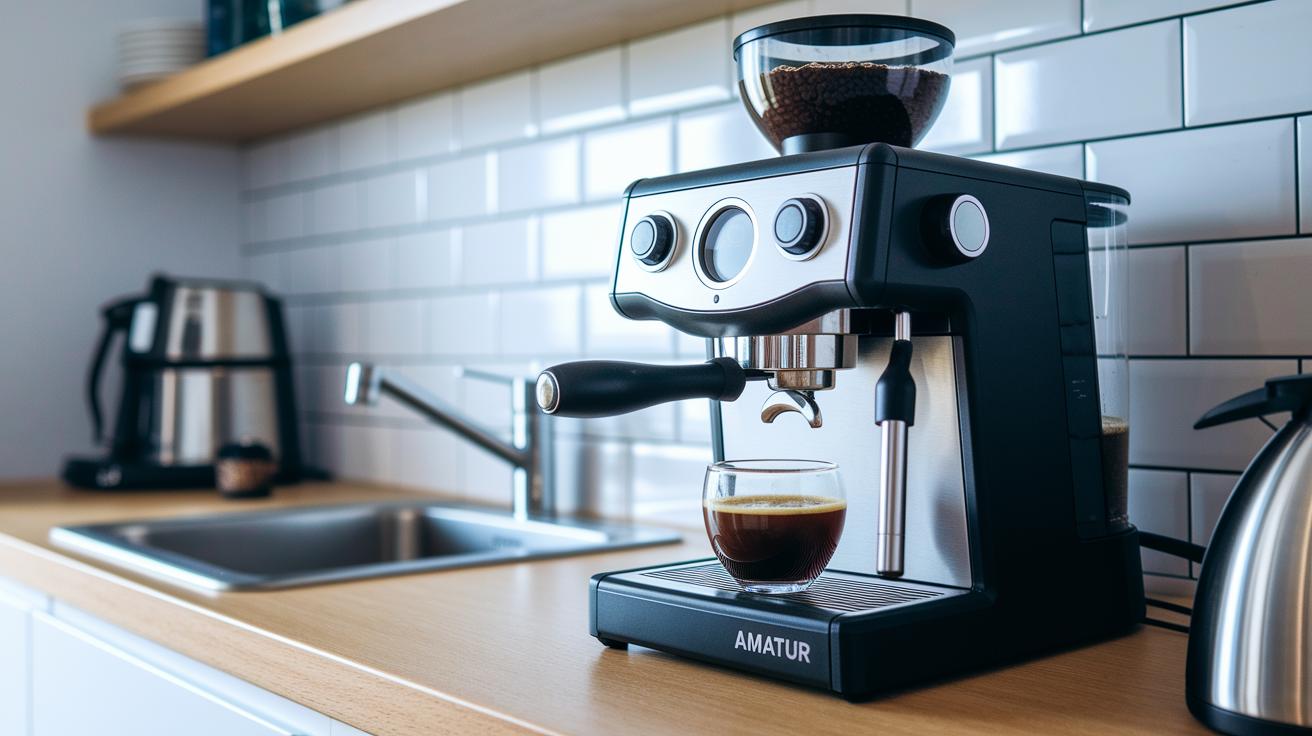
Smart coffee machines need super accurate readings to create that ideal cup you love. They use clever software linearization models that notice when a sensor starts drifting and quickly apply a correction curve. In simple words, if a sensor shows a tiny error, the system tweaks its output, much like a thermostat that makes small adjustments to keep your room comfortable.
Another neat trick is closed-loop feedback. This system automatically adjusts key settings (think of PID setpoints as the basic control markers) when pressure or temperature sensors go slightly off track. Imagine turning the radio volume up or down just a bit to get it perfectly balanced. It helps the machine settle back into its sweet spot.
Then there’s the fault isolation method, which really ups the performance. The machine compares readings from duplicate sensors, like having two temperature probes checking the same thing, to pinpoint any issues quickly. It’s like having an extra pair of eyes to catch problems early so your coffee always tastes just right.
| Technique | Description |
|---|---|
| Software Linearization | Uses compensation curves to adjust sensor errors quickly. |
| Closed-Loop Feedback | Automatically fine-tunes settings, similar to adjusting your radio volume. |
| Redundant Sensor Comparison | Checks multiple sensor readings to catch faults early. |
These smart approaches mix automated control adjustments with solid fault checks, ensuring your coffee machine stays on track and keeps brewing that perfect cup every time.
Case Study: WF5803C MEMS Sensor Drift Management in Smart Coffee Machines
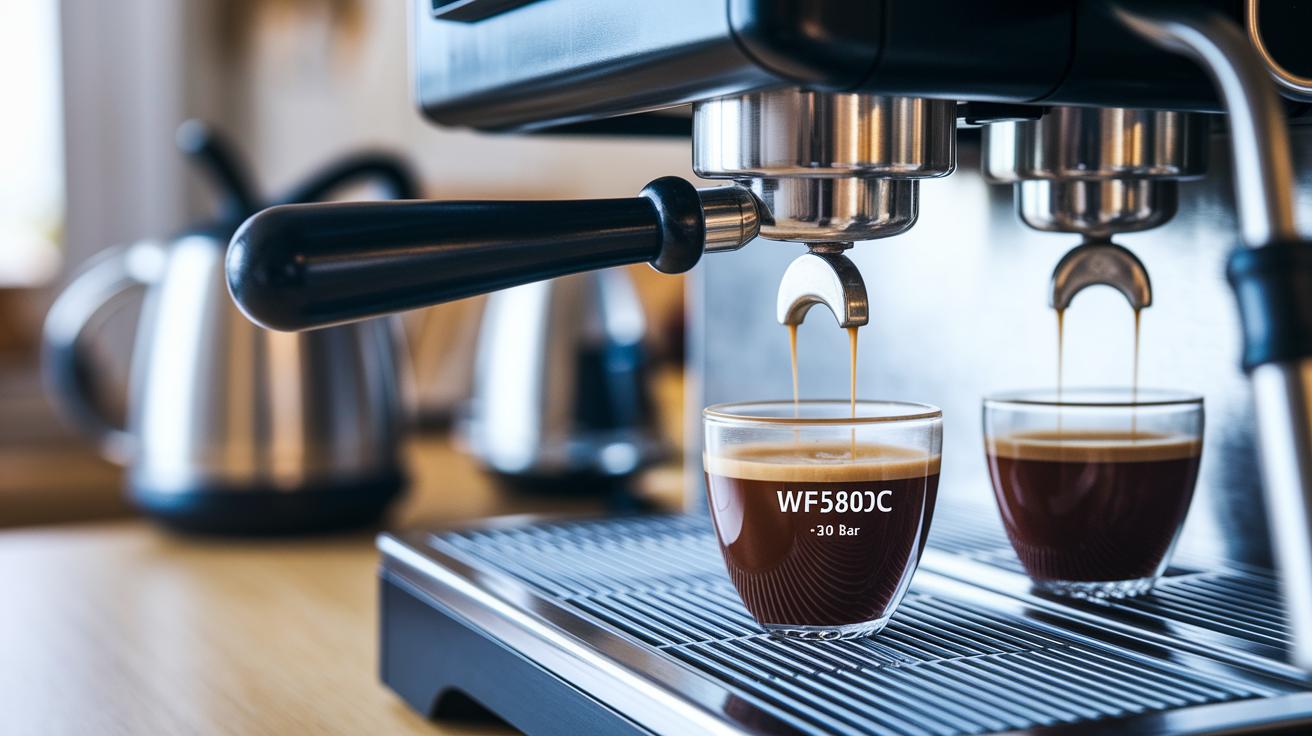
The WF5803C module is the heart of your smart coffee machine, making sure every brew comes out just right. It handles pressures from 0 to 30 bar with a 16-bit ADC that reads values accurately to about ±0.1 %FS. Running on a low voltage between 1.8 and 3.3 V and sipping only a few microamperes in standby, it’s designed to be both efficient and reliable. Its clever build uses a piezoresistive silicon element on a ceramic base, sealed with an antimagnetic barrier and an O-ring rated for five times its normal working pressure. This setup helps keep any leakage and drift to a minimum, so every espresso shot maintains that perfect balance.
In everyday practice, it’s smart to use PTFE tape on threads and pair the sensor with stainless steel bodies (like 304 or 316L) for the best fit. Soldering isn’t taken lightly here – a careful reflow profile that peaks at 240 °C for no more than 30 seconds protects those delicate ceramic pads. These practical steps help prevent tiny shifts that could affect the machine’s long-term performance, ensuring your coffee consistently hits that sweet spot.
Quality control is all about keeping the sensor’s signal steady over time. Every unit goes through pressure calibration at 0, 15, and 30 bar, then 10% of the sensors are checked for thermal drift, and a damp-heat test at 85 °C and 85 %RH for 72 hours is also done to make sure there’s no leakage. Even the solder joints get an automated visual inspection so that every single unit is free of defects.
| Test Procedure | Condition | Sample Size | Pass Criteria |
|---|---|---|---|
| Batch pressure calibration | 0/15/30 bar | 100 units | ±0.1 %FS |
| Thermal drift cycling | 0–85 °C | 10% units | ±0.2 %FS |
| Damp-heat stress | 85 °C/85 %RH/72 h | 20 units | No leakage |
| Visual solder inspection | Post-reflow | All units | Zero defects |
This thorough testing routine not only manages long-term signal drift but also gives a clear picture of the device’s health, paving the way for smart predictive maintenance. For more details on how this smart sensor tech makes your coffee machine reliable, check out https://aboutjoe.com?p=225.
Preventative Maintenance and Automated Recalibration for Sensor Drift Prevention
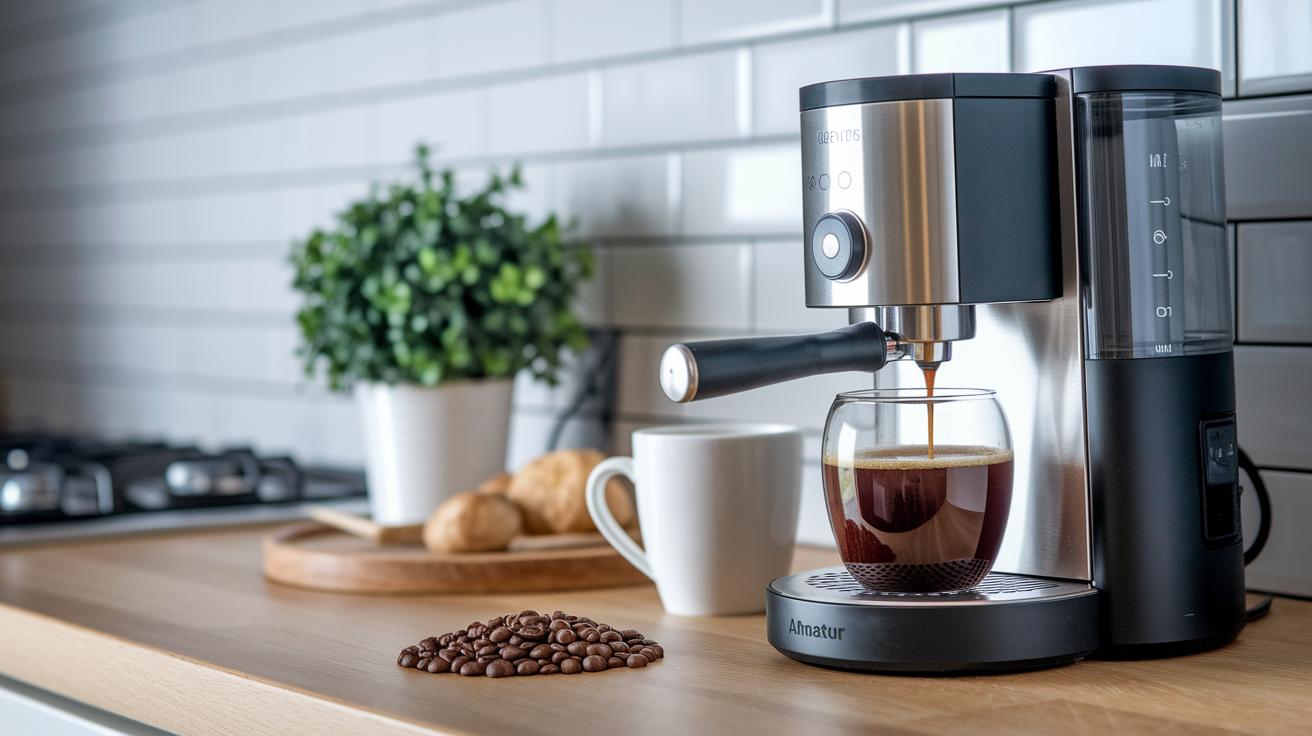
Keeping your coffee machine's sensor system in top shape is a lot like taking care of a cherished family recipe. Our coffee AI takes care of firmware updates and refreshes extraction recipes over the cloud, so your machine recalibrates itself while you just enjoy your brew. This steady stream of updates helps the system learn with every cup and keeps the flavor reliably consistent.
Regular cleaning and using the same type of coffee beans are simple, yet powerful, ways to maintain data accuracy. When your sensors are kept clean and your beans remain consistent, the machine works from a stable baseline, just like cleaning your glasses to see clearly each morning.
When sensor readings begin to wander, automated recalibration kicks in. After a set number of shots or when the system spots an anomaly, a mini recalibration quickly adjusts the sensor values and gets everything back to its best state.
Key tips include:
| Step | Action |
|---|---|
| 1 | Schedule regular cleaning sessions |
| 2 | Stick with a consistent coffee bean profile |
| 3 | Set automated resets based on shot counts or sensor limits |
Together, these preventive maintenance practices and automated recalibration features work hand in hand to help every cup hit that perfect mark.
Future Trends in Adaptive Control and Sensor Materials for Drift Reduction
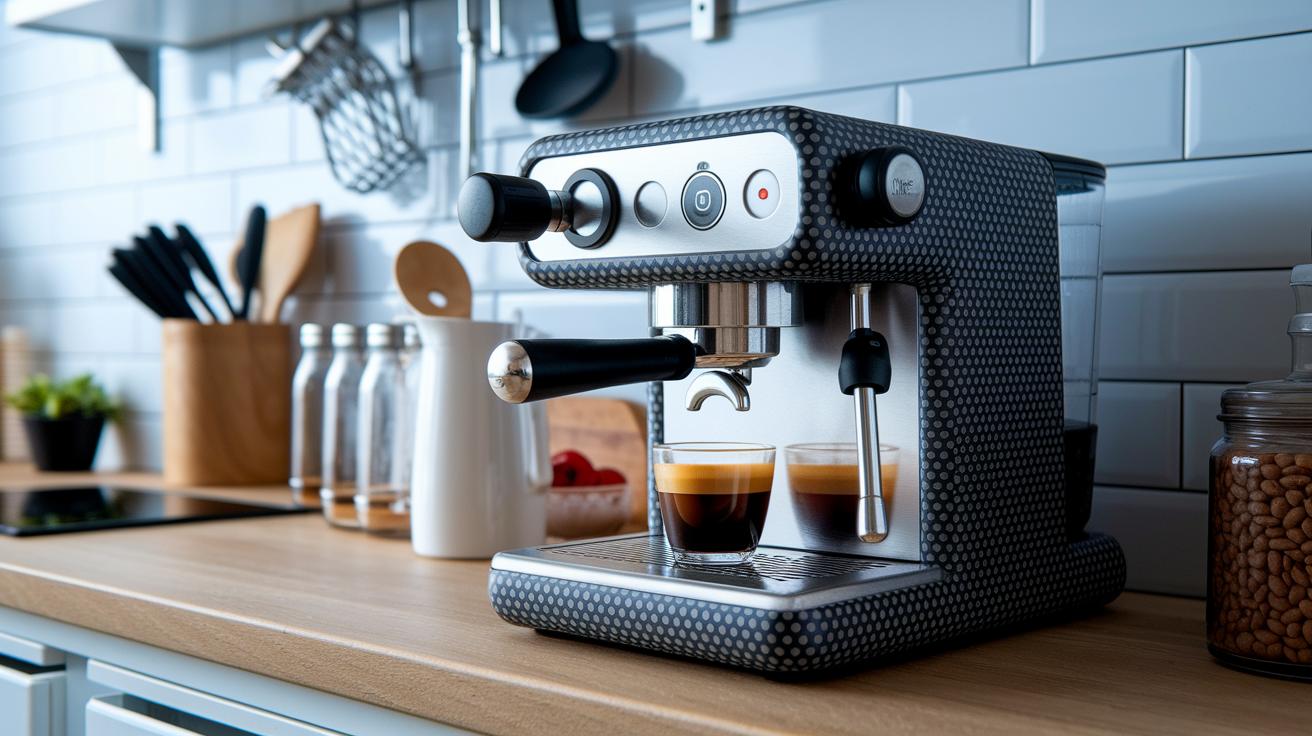
Imagine sensors that make your coffee machine feel like a trusted friend. New materials such as graphene coatings and silicon carbide elements are coming soon. They work hard to keep sensor readings smooth and steady, even after many hours of brewing. That way, every cup you make stays balanced and delicious.
Soon, high-end espresso machines will sport smart, AI-driven feedback loops. These clever systems adjust their settings on the fly, sort of like having a built-in barista who tweaks your brew shot by shot. If they sense any drift in the process, they jump into action before it even becomes an issue.
And there’s more. Coffee machines will soon check themselves over and over with embedded self-diagnostic routines. They’ll monitor sensor performance, pick up on tiny changes, and make little corrections on the spot. It’s like your machine is quietly ensuring that every cup tastes just right.
All these innovations in sensor tech and adaptive controls are setting up a future where your coffee machine is more reliable and smart than ever. They’re laying the groundwork for a new era of brewing, one that consistently delivers quality and efficiency, sip after satisfying sip.
Final Words
In the action of brewing the perfect shot, we explored ways to keep sensor data crisp, from drift detection algorithms and real-time monitoring to smart calibration and signal adjustment methods. We even looked at how a real-world sensor module performs in busy brewing settings, and how regular upkeep and automated recalibration keep things running smoothly.
Using sensor drift detection and correction in coffee machines ensures each extraction stays consistent and true to its flavor. Enjoy every sip with confidence and a smile.
FAQ
What are the sensors used in coffee machines?
Coffee machines use simple sensors like temperature probes, flow meters, weight scales, and grinder sensors to monitor brew conditions in real time.
What is sensor drift?
Sensor drift refers to gradual changes in sensor readings over time, which may affect brew consistency if not corrected using proper adjustments.
How to calibrate a coffee machine?
You can recalibrate a coffee machine by running built-in tests or using calibration kits that adjust sensor readings, ensuring each brew meets desired taste profiles.
Why does my Cuisinart coffee maker keep saying “add water”?
The message indicates that the coffee maker’s sensors detect low water levels or a sensor issue; checking the water reservoir and cleaning or calibrating the sensor may help.