

Ever wonder if your coffee maker could be even smarter than your favorite barista? Modern brewers now use tiny sensors, little devices that check things like temperature and pressure, to help your machine keep an eye on every detail.
These sensors work side by side with a smart microcontroller, a gadget that adjusts the settings on the fly to make sure every cup is just right. Even if your beans or water quality changes, this blend of clever tech and careful control keeps your coffee tasting great.
Next time you sip your morning cup, imagine those little helpers working in harmony, making your coffee reliably delicious and your morning a bit brighter.
Key Benefits of Sensor and Microcontroller Integration in Coffee Automation
Coffee making has taken a leap forward. Gone are the days when someone had to heat water by hand, adjust pressure, and time every extraction. Today’s machines use tiny sensors and a smart microcontroller that acts like a mini brain, keeping everything on track. Did you know many machines now hold water temperature to within ±0.5 °C? That means every cup is brewed just right, time and time again.
At the core of this upgrade is the microcontroller. It quickly adjusts the heat, watches the pressure, and controls the water flow to deal with small changes, like if your coffee grind or tamping isn’t exactly the same. Even when beans or water quality vary a bit, the machine still produces a shot of espresso that rivals a professional barista’s work.
Another great perk is connectivity. Many modern coffee makers come with Wi-Fi and Bluetooth, letting you check on your brew in real time. You can adjust your recipe, change settings from afar, and even get alerts when it’s time for maintenance or cleaning. The mix of precise sensors and microcontrollers bridges the gap between old-fashioned brew methods and today’s smart technology, giving you both convenience and control.
Essential Sensors and Microcontroller Platforms for Coffee Machine Automation
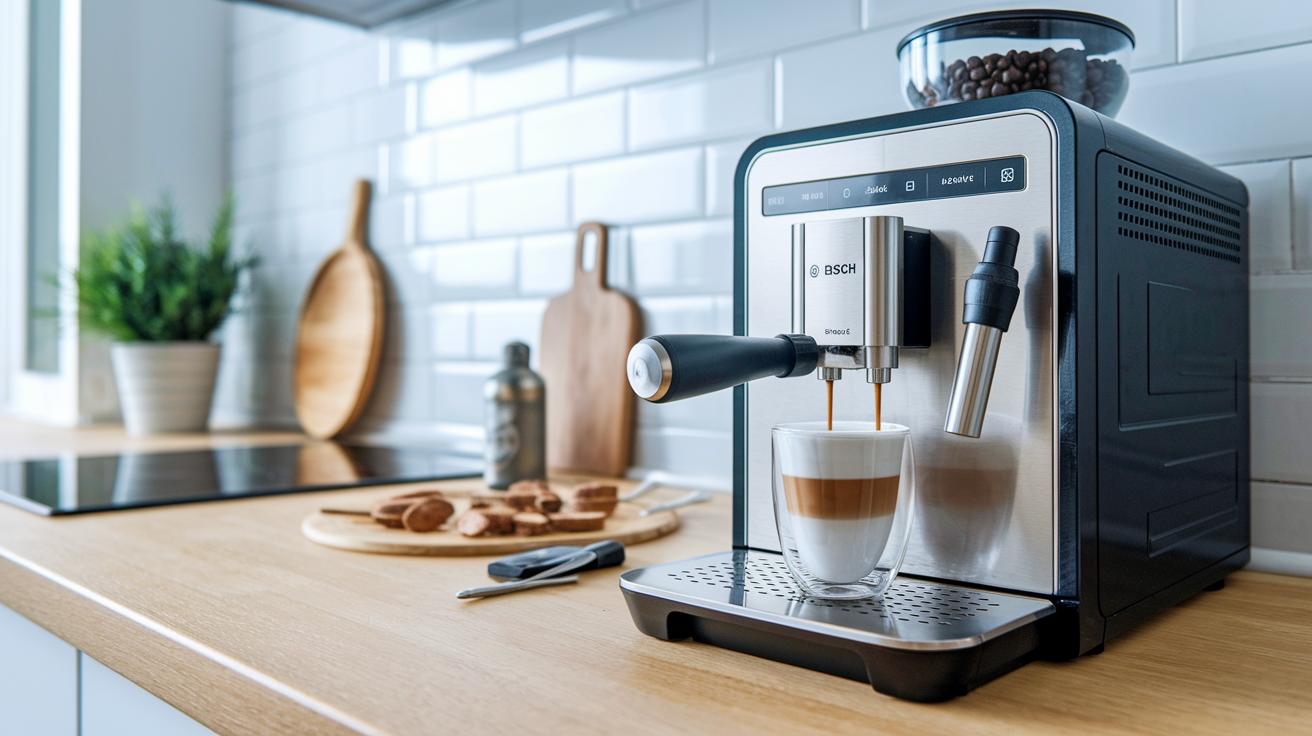
Picking the right parts is a lot like selecting your favorite coffee beans. Each sensor and microcontroller plays a big role in making sure your brew comes out perfectly, whether it’s keeping an eye on the aroma or controlling the water flow. Developers choose each gadget with care so that the machine stays quick, efficient, and spot-on with every cup.
Sensor Types and Roles
Think of sensors as the machine’s senses, catching every little change that matters to your coffee’s flavor. For instance, the Bosch BME688 helps spot aroma compounds and even tells different coffee types apart. You might find sensors like these in your setup:
- Temperature sensor: keeps an eye on your boiler and pipes
- Pressure transducer: gives feedback from the pump
- Flow meter: measures the exact amount of water
- Aroma gas sensor: recognizes which blend you’re brewing
Microcontroller Models and Selection Criteria
Microcontrollers are like the coffee machine’s brain. They handle all the sensor data and keep everything connected. They need to be strong on I/O, use very little power, and support wireless connections to keep the machine smart and smooth. Some popular choices include:
- ESP8266 ESP-01: offers Wi-Fi, runs at 80 MHz, and supports MQTT (a lightweight way to send messages)
- PIC32CX-BZ451: uses less than 1 mW in sleep mode and speeds up AI tasks
- ARM Cortex-M4: includes DSP for better signal filtering
In our design, we use the low-power PIC32CX-BZ451 which shines in edge AI tasks, while the ESP8266 ESP-01 module delivers steady Wi-Fi connectivity with MQTT messaging. With handy tools like the Arduino IDE and standard adapters, coding up the firmware for the ESP8266 is straightforward and easy to replicate.
Balancing how much power you need and how fast your system works is like finding the perfect brew ratio. It’s all about making your coffee taste great while keeping the tech simple and smart.
Firmware Strategies and Communication Protocols for Sensor-MCU Coffee Machines
This system connects sensors to the microcontroller using MQTT over a serial port, like having a quick chat over coffee. It uses an ESP8266 ESP-01 module set at 9600 baud to create a back-and-forth conversation. That means data moves fast and smooth, letting the machine send clear commands during each brew while keeping tabs on status updates in real time.
The system also keeps data reliable with a bit-splitting error correction method. It splits information into several bytes with an 8 ms pause between each. This little break helps fix tiny glitches during transmission so every message, whether it’s about temperature or flow, reaches the microcontroller just right.
Upgrades are a breeze too. The system uses a custom firmware loader built with Arduino IDE v1.8.1 and PubSubClient 2.6.0 to roll out over-the-air updates. Just like ordering a fresh cup without stepping away, you can update the firmware without touching the machine. Built-in checks ensure that each update is perfect before it goes live.
It also works well with home-automation platforms like OpenHAB2 and accepts web-based commands via HTTP-GET. In other words, you can adjust brewing profiles or monitor performance from afar. By combining fast MQTT messaging, smart error fixing, simple OTA updates, and versatile connectivity, this firmware strategy creates a network that makes managing your coffee machine feel as smooth and reliable as your favorite cup of joe.
Enhancing Coffee Machine Performance with Sensor-MCU Automation
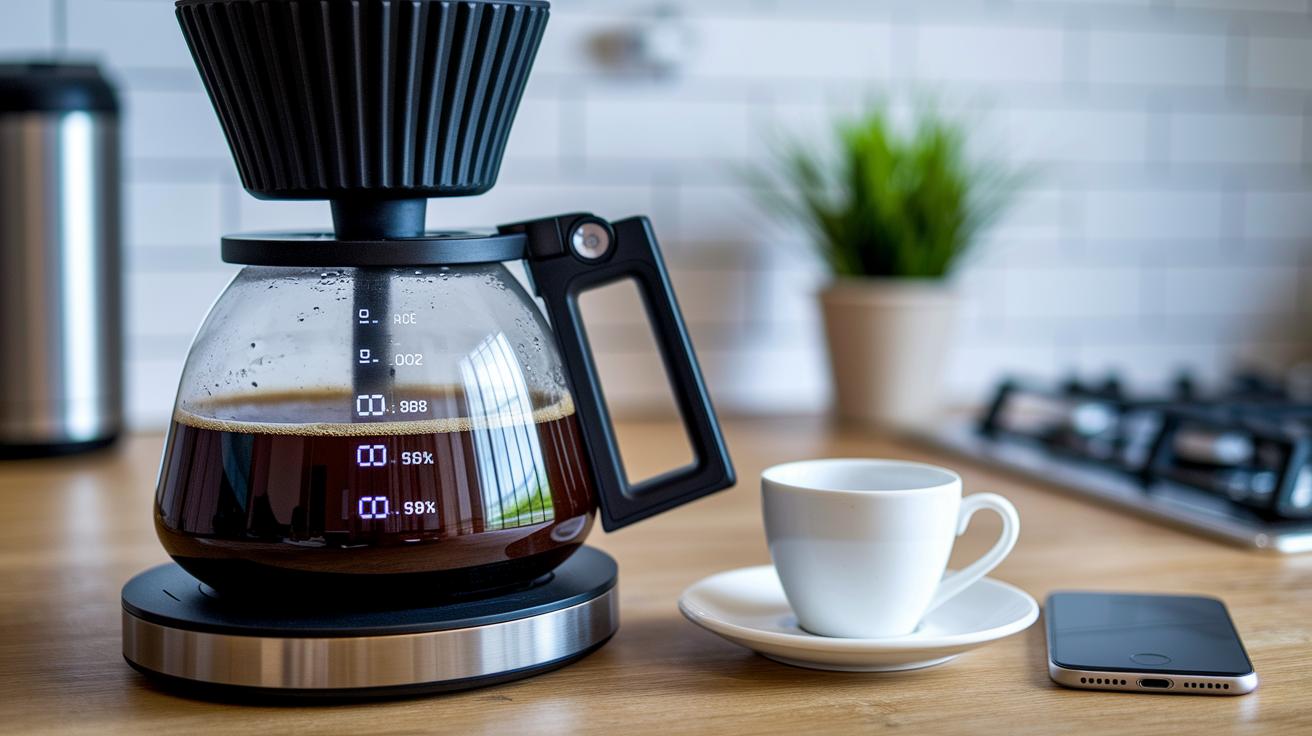
Imagine brewing a perfect cup every time, thanks to a smart chip that keeps everything in check. This sensor and microcontroller combo takes care of brew timing almost perfectly, within just a couple of percent of the ideal. It keeps an eye on key things like water heat and pressure, so you get the same great coffee each time. It’s like having your favorite recipe that never lets you down.
These nifty sensors do more than just perfect your brew. They also kick off cleaning cycles on their own and send you alerts about when maintenance is needed. This means fewer manual checkups and a longer life for your coffee maker’s delicate parts. Plus, you can even connect these alerts to handy resources that guide you through smart upkeep with little fuss.
Another cool perk is how smart these systems are with energy. They adjust heating and cooling just right so every bit of power counts. By keeping water at the perfect temperature without wasting energy, these systems help you save on power bills and reduce your environmental footprint.
It’s no surprise that more people are hopping on board with this tech. Whether for home kitchens or busy cafés, these automated systems offer a solid bang for your buck. As technology gets more affordable, expect to see smarter, more efficient coffee makers taking over the future of coffee making.
Overcoming Challenges in Sensor-Microcontroller Coffee Machine Automation
Reliability and calibration are major hurdles in smart coffee machines. Over time, sensors can shift and parts may wear out, which makes the machine measure things a bit off, just like a recipe that slowly loses its balance. Regular checks and scheduled recalibrations, along with smart fixes (think simple algorithms that adjust things automatically), keep your brew tasting just right. Ever wonder how a tiny tweak can make your coffee perfect? It’s all about constant care, much like how you adjust your blend for that ideal cup.
Security is another big piece of the puzzle. Once these systems are connected, there’s a small chance for unwanted digital visitors, much like leaving a door ajar. That’s why adding strong cyber locks, firmware hardening and dependable encryption, helps keep intruders out. Regular updates patch up any holes the minute they appear. This way, your smart coffee machine stays safe and snug in its automation network, working quietly in the background like your favorite cozy café.
Finally, there’s the matter of costs and upkeep over time. The initial price for high-tech systems can be a bit higher, but think of it as investing in a machine that saves you time and cuts down on manual fixes. By following known standards like MQTT, HTTP, or BLE, everything talks to each other smoothly, kind of like a well-rehearsed coffee shop team. In the end, the extra expense turns into big savings through fewer breakdowns and more consistently great coffee, proving that a little extra now leads to a lot more delicious sips later.
Future Directions and Innovations in Sensor-MCU Coffee Automation
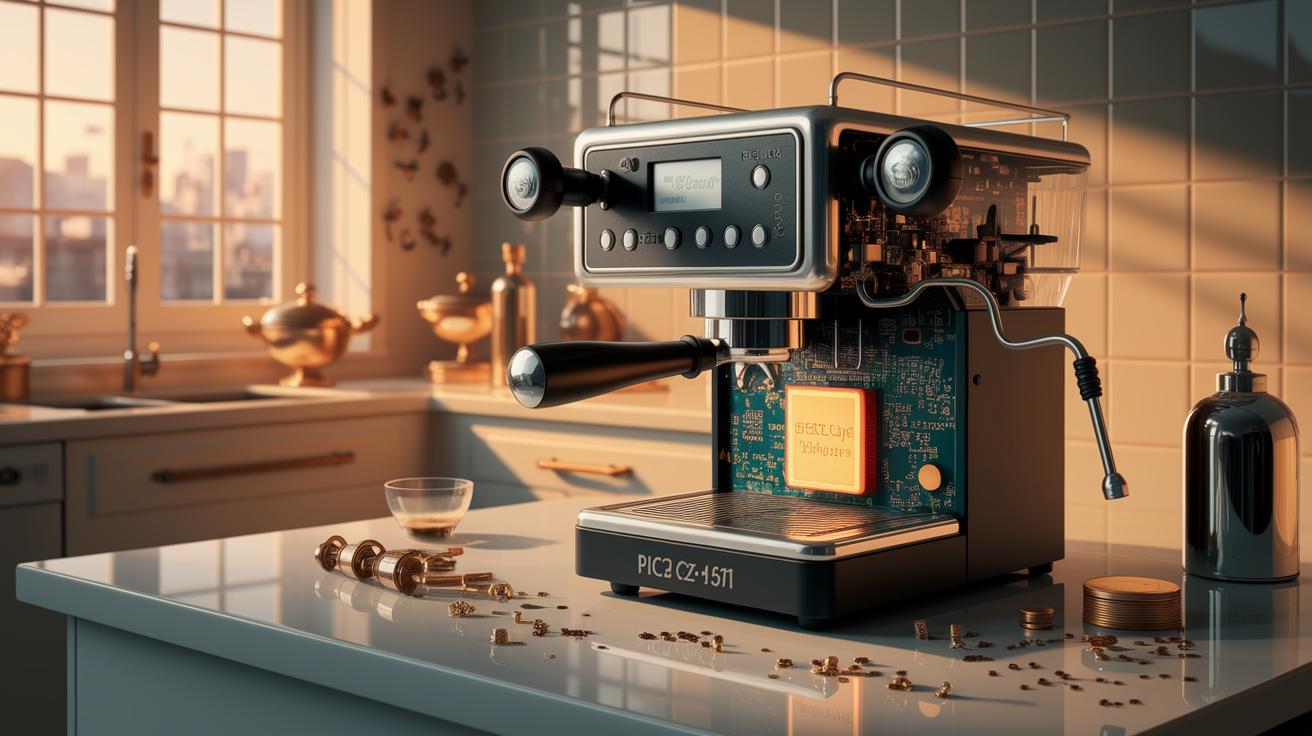
The future of coffee tech is brewing with fresh ideas. Manufacturers are now using smart microcontroller systems right inside their machines to boost how well they work. Picture a new prototype built with the PIC32CX-BZ451 that mixes on-device machine learning with edge computing to perfect your coffee’s aroma without any cloud help. It’s a simple, clever way to improve every cup.
AI-Driven Brewing Adjustments
Adaptive control is totally changing the game. AI now keeps a close watch on brewing, adjusting things like pressure and water flow on the fly. Sensors feed the system real-time data, so even a small change in grind size or tamp is quickly balanced out. It feels like having a friendly barista who is always ready to tweak your brew just right.
Embedded Machine Learning and Aroma Sensing
Smart sensors are making it easier to tell coffee blends apart. Using devices such as the Bosch BME688, machines can pick up even the faintest aroma signals. With the help of the MPLAB Machine Learning Development Suite and its AutoML pipeline, these models run directly on the machine for fast, accurate results. It’s like your coffee maker knows exactly how you like your coffee.
Next-Gen Connectivity and Cloud Control
New hybrid systems mix local control with cloud power to keep your coffee ritual smooth. A unified dashboard lets you watch the brewing process live and even change the recipe from anywhere. Most of the work happens inside the machine to cut down on delays, while the cloud steps in for deep, detailed analysis. You get the quick response of local processing with the big-picture insights of cloud control.
The road ahead is full of opportunities. With better AI, sharper sensors, and smarter connectivity, tomorrow’s coffee makers will be more intuitive, energy-efficient, and in tune with the art of brewing a perfect cup.
Final Words
In the action, we explored how transitioning from manual to automated brewing transforms every cup. We broke down the role of sensors and microcontrollers, from precise temperature control to maintaining steady pressure and flow, for a consistently smooth brew.
We also highlighted hands-on connectivity options and firmware strategies that make managing coffee taste and quality a breeze. Every step reinforces the impact of sensor microcontroller integration on coffee machine automation. Enjoy the brew and the benefits of smart technology!
FAQ
What are the key benefits of integrating sensors and microcontrollers in coffee automation?
Integrating sensors and microcontrollers boosts consistency by maintaining precise temperature, pressure, and brew timing. This precision produces a balanced cup every time and helps the machine adjust automatically during each cycle.
How do sensors and microcontrollers manage brewing processes such as heating, pressure, and flow?
Sensors measure variables like water temperature, pressure, and flow, while microcontrollers process this data in real time. This automated control guarantees each brew cycle is balanced and reliable.
What role does connectivity play in smart coffee machine automation?
Connectivity features like Wi-Fi and Bluetooth allow for remote monitoring and control. They let you adjust settings, receive updates, and integrate the machine with your smart-home system conveniently.
Which sensors are commonly used in coffee machine automation?
Common sensors include temperature sensors for boiler monitoring, pressure transducers for pump feedback, flow meters for volume control, and aroma gas sensors that help in recognizing coffee blends.
What microcontroller models are popular for coffee machine automation?
Popular models include the ESP8266 ESP-01 for Wi-Fi and MQTT support, the PIC32CX-BZ451 for low-power performance, and ARM Cortex-M4, known for its efficient signal processing capabilities.