

Have you ever thought your coffee maker might be hiding a secret recipe? Today, making coffee is more than just mixing water and beans. Tiny sensors, devices that check temperature and pressure, keep track of every little detail. They send signals like a beating heart while smart calculations adjust the flow perfectly.
In this guide, you'll see how digital coffee recipes work like a small computer hidden inside your machine. Every tiny adjustment plays a part in making your brew taste just right, giving you a sneak peek into the science behind your favorite cup.
Step-by-Step Guide to Digital Coffee Brewing Algorithms
First, set up your smart brewing system. The machine gathers readings from sensors like pressure, digital scales, and wireless nodes every half second. These sensors help create a live picture of your brew by sharing numbers such as pressure, flow rate, and temperature. Imagine a sensor telling you, "Pressure: 9.8 bar," so the system knows it’s time to tweak the pump speed.
Next, the system turns that data into simple math models that mimic how extraction works. Think of it like adjusting a recipe step-by-step. Each reading fine-tunes a valve, keeping pressure and flow steady within a small 5% range. The process is just like following your favorite coffee recipe, where every little change helps hit that perfect flavor.
Then, the algorithm steps in like a digital barista. It continuously adjusts the pump's speed and the valve positions based on the readings. For example, if it sees the pressure climb above 10 bar, it might lower the pump speed by a bit, maybe 0.5 mL/sec, to keep things just right.
Finally, the fully automated process makes sure every part of brewing, from pre-infusion to full extraction, happens at just the right moment. By combining sensor data with smart control logic, modern machines serve up a flawless, consistent cup every time.
Fundamentals of Algorithm-Based Coffee Extraction
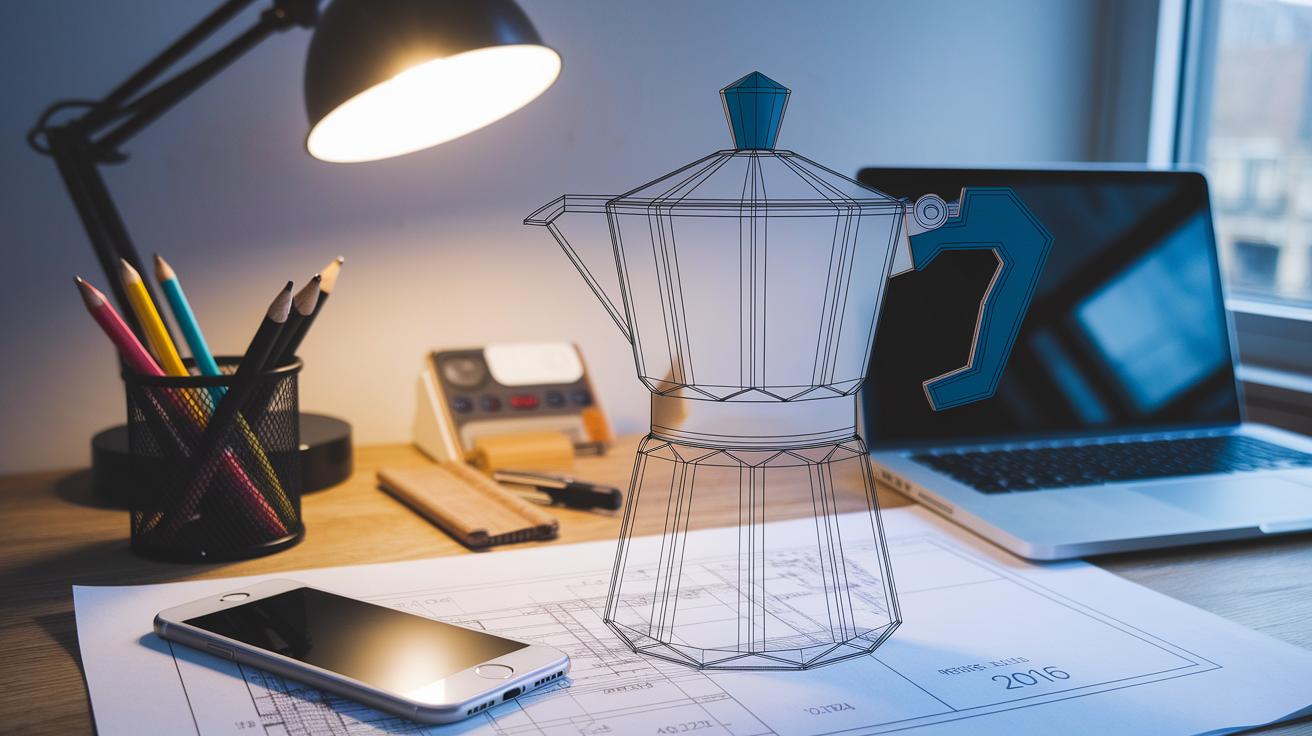
Digital coffee brewing starts with creating a detailed digital sketch of the brewing chamber. We use computer-aided design and simple mesh techniques to map every curve and corner inside a coffee maker, like a Moka pot. This clear map lets the simulation watch how water and coffee mix, almost like drawing the perfect layout of your favorite little café.
A standout feature here is the adjustable decay setting. Think of it as a smart timer that shows you how coffee nutrients slowly build up while brewing. It helps the machine know exactly when your cup is reaching its peak or when it might start to turn bitter. Imagine it softly saying, "Let’s tweak the flow a bit," to hit that ideal balance.
The system also employs a special solver designed for specific conditions: a sealed bottom and an open top. With this setup, the pressure measurements come out almost exactly like lab results, with just a 5% difference. By following these smart design rules for brewing, we can boost the process and make sure every cup bursts with the right flavor.
Sensor Integration and Calibration in Digital Coffee Brewing Algorithms
Digital coffee makers use little sensors to keep your brew just right. Think of them like tiny helpers that check everything from pressure to temperature every half second. These sensors, including the ones that measure pressure, weigh the coffee, or track temperature and flow via wireless nodes, share real-time updates. This fresh info lets the machine tweak the process as it goes, almost like a friend giving you a quick tip. For instance, a pressure sensor might announce, "Pressure is steady at 9.8 bar," so the system knows to keep everything smooth and on point.
The setup for these sensors starts with a simple zero-point and span check. It’s like setting the clock on your kitchen timer; a small mistake could throw off your routine, like burning your toast. By resetting the sensor’s baseline, the system avoids little errors that might ruin your cup. Meanwhile, smart sensor fusion works behind the scenes to smooth out any jitters. It compares readings from different sensors to correct any tiny hiccups, ensuring that if one sensor slips up, the others can fill in the gap and keep your brew balanced.
| Sensor Type | Parameter Measured | Data Rate | Role |
|---|---|---|---|
| Pressure Sensor | Pressure | 0.5 sec | Monitors pressure dynamics |
| Digital Scale | Mass | 0.5 sec | Tracks coffee extraction yield |
| Wireless Temperature/Flow Nodes | Temperature & Flow | 0.5 sec | Keeps heating and flow on target |
Optimizing Flow and Temperature Control with Brewing Algorithms
Imagine your coffee maker with a smart digital brain that takes care of every drop of water, pressure, and heat. These digital control algorithms are like a friendly barista, they adjust everything just right. For example, a PID controller helps keep the water flow steady at around 8.0 mL per minute. Even if pressure changes suddenly, it tweaks the pump speed so your brew stays on track.
The heater works with these algorithms to follow a temperature plan through every stage of brewing. During pre-infusion, the machine warms the water gently so the coffee grounds can soak up all the flavor. Next, in the ramp-up and steady phases, it adjusts the heat to pull out every nice note. It’s a bit like following a simple recipe where every temperature change makes a big difference in your cup.
Engineers set up conditions in simulations, imagine a closed bottom with an open top, to guide the real control system. This makes sure the pressure changes match lab tests, so you get the same perfect taste cup after cup.
| Algorithm Type | Parameter Controlled | Tolerance | Response Time |
|---|---|---|---|
| PID Controller | Flow | ±2 mL/min | Instant |
| Heater Control | Temperature | Minimal deviation | Phase-adjusted |
This clever mix of digital tweaks and careful brewing steps turns every cup into a rich and balanced experience. Ever wonder how a little tech can make your coffee feel just right? Enjoy the art and science in every sip!
Recipe Management and Cycle Programming in Algorithmic Coffee Brewing
Digital coffee brewing has come a long way, and managing your brew recipes is a big part of that journey. With today’s digital tools, you can set up multi-step brewing cycles, think pre-infusion, bloom, ramp-up, and finish, in a way that feels a lot like following your favorite coffee recipe. Imagine starting with a gentle pre-infusion to wake the coffee grounds up, then a bloom to let their aroma come alive, before moving into a careful ramp-up and finishing with that perfect touch.
These recipes are saved in special blueprint files, so you can whip up your favorite cup every time, whether you’re making a whole batch or just a single brew. Once the cycle is in place, smart loops in the system adjust the brewing settings on the fly, based on real-time feedback, like a digital barista that tweaks things as it senses how your coffee is behaving. Ever wonder how a little secret tech can make your coffee taste just right?
Play around with your recipe settings and discover the blend that hits your flavor sweet spot.
Comparative Analysis and Case Studies in Digital Coffee Brewing Algorithms
Digital coffee systems have been put through their paces in controlled settings to make sure the computer-simulated results match what happens in real life. Tests show that key numbers like pressure peaks, flow speed, and temperature are nearly identical, usually within a 3% difference. We get this level of detail by using mesh-based simulations that capture every little nook of the brewing chamber, kind of like drawing a detailed blueprint of your favorite coffee shop. One example in the lab noted, "The simulation showed a rapid pressure build-up followed by a smooth decline," much like what was measured in the real world. This close match proves the system is reliable.
Case Study: Moka Pot CFD vs. Laboratory Measurements
In this case study, we compared a computer model of a Moka pot with real lab tests. The simulation mapped out the inside of the pot to capture how the liquid moves during brewing. The pressure trends in the simulation were almost the same as those seen in the lab, which tells us that using a sealed base with an open top in the model gives dependable results. In short, these digital models can predict brewing performance well, making them a useful tool for refining brewing techniques.
Case Study: AI-Driven Espresso Personalization
This study dives into smart espresso machines that learn from your coffee preferences. They collect data on brewing time, temperature, and strength, and then adjust the settings on the fly, almost like having your own personal barista. The machine quickly adapts to deliver a cup with a balanced flavor every time. This case shows how blending data-driven adjustments with traditional brewing know-how can create a perfect cup tailored just for you.
IoT Integration and Real-Time Data Analytics in Digital Coffee Brewing Algorithms
Smart machines now connect via Wi-Fi or Bluetooth, and with a handy mobile app, you can start brewing from the comfort of your bed. Imagine getting a quick message on your phone saying, "Your brew is 80% done, get ready!" Tiny sensors keep you in the loop by sending real-time data, so you can watch the whole process, including details like temperature, pressure curves, and flow rates. This means you get instant feedback and alerts when something needs a little adjustment.
Voice-activated brewing with Alexa or Google Home makes things even easier. It’s like having a friendly barista who listens to your command and cranks up your brew with just one word. This smart connectivity doesn’t just let you control your machine remotely; it also keeps refining the brewing process. Every half second, sensor data flows into a digital algorithm that tweaks the coffee cycle to keep everything smooth and spot on. Picture your coffee maker softly saying, "All systems are good," as it crafts your perfect cup.
Real-time data analytics let you keep track of every step, so you can fine-tune your brewing process. This blend of modern tech with classic coffee making brings a burst of innovation to every sip, ensuring your cup is consistently delightful.
Final Words
In the action, digital coffee brewing algorithms combine sensor readings, precise control, and custom recipe cycles to create the perfect cup. We explored how smart techniques adjust pressure, flow, and temperature on the fly. The article walked through sensor calibration, flow management, and IoT connectivity for live monitoring and easy tweaking. Every step shows how understanding digital coffee brewing algorithms leads to a more consistent and delightful brew. Enjoy the process and savor every innovative cup!
FAQ
How does a digital coffee brewing algorithm work?
The digital coffee brewing algorithm works by integrating sensor readings like temperature, pressure, and flow. It uses simple math to keep each brew cycle consistent and precise.
How do I make coffee using a step-by-step algorithm?
The coffee-making algorithm breaks the process into distinct steps: water heating, pressure control, and extraction using sensor data, ensuring each cup is repeatable and balanced.
How can I create an algorithm for making tea?
The tea-making algorithm outlines steps such as water heating, steep time, and controlled brew flows—similar to coffee methods, yet tuned to preserve tea’s delicate flavor.
What are Profile Print coffee and Csmart coffee systems?
Profile Print and Csmart coffee systems use digital technology and sensor integration to manage the brewing process, delivering quality coffee with smart, customized control.
What do the 15-15-15 rule, the golden rule, and the 80/20 rule for coffee brewing mean?
These rules serve as guidelines for brew phases and ratios. The 15-15-15 rule offers timing steps, the golden rule balances extraction, and the 80/20 rule targets optimal brew strength.