

Ever notice how some coffee shots burst with rich flavor while others just fall a bit flat? It might be that digital flow control is working its magic. This system takes care of the water movement and pressure in your coffee maker, kind of like how a barista carefully adjusts every pour.
Imagine the gentle hiss as water meets the perfectly ground beans, setting the stage for a balanced, tasty shot. In this guide, we're sharing simple steps to help you fine-tune that water flow so every cup sings with flavor.
Stick around, because a few smart tweaks can really take your daily brew to the next level.
Achieving Optimal Digital Flow Control: A Step-by-Step Guide
Digital flow control is all about managing how water flows through your coffee puck. It uses simple tools like a paddle on an E61 group head or a computer-controlled gear pump, basically, devices that adjust water movement. At its heart, it follows the idea that pressure equals flow times resistance. When you set the paddle to half-open, you usually hit about 9–10 bar because of the puck’s natural resistance. This method helps keep every shot consistent as the puck changes while brewing.
One neat trick with digital flow control is a low-flow pre-infusion phase that lasts about 10 seconds. This gentle start wets the dry grounds evenly, reducing the chance of channeling. Modern machines let you dial in exact flow profiles and even tweak how pressure builds up and drops during extraction. In simple terms, you can fine-tune each shot to suit your beans, roast, and grind settings, making sure every cup is balanced and full of flavor.
Here’s how you can do it:
- Set up your machine following the Digital Brewing Guide for Coffee Machine Setup.
- Adjust the paddle or valve to get the water flowing just right.
- Set the pre-infusion timing to around 10 seconds so the grounds get evenly soaked.
- Pick the best pump rate that matches the extraction pressure you want.
- Check the sensor readings to make sure water flow and pressure are spot on.
- Record the extraction profile details.
- Taste and tweak with a few tests until the flavor feels just right.
- Lock in your final settings for consistent and delicious shots.
With this step-by-step approach, you get a better handle on both flow and pressure during extraction. Every change you make is tracked, so you can refine your brewing method over time. Embracing digital flow control isn’t just about technology, it’s a way to explore the little flavor nuances that make each cup special while making sure every shot is as great as the last.
Understanding Flow, Resistance, and Pressure in Digital Flow Control
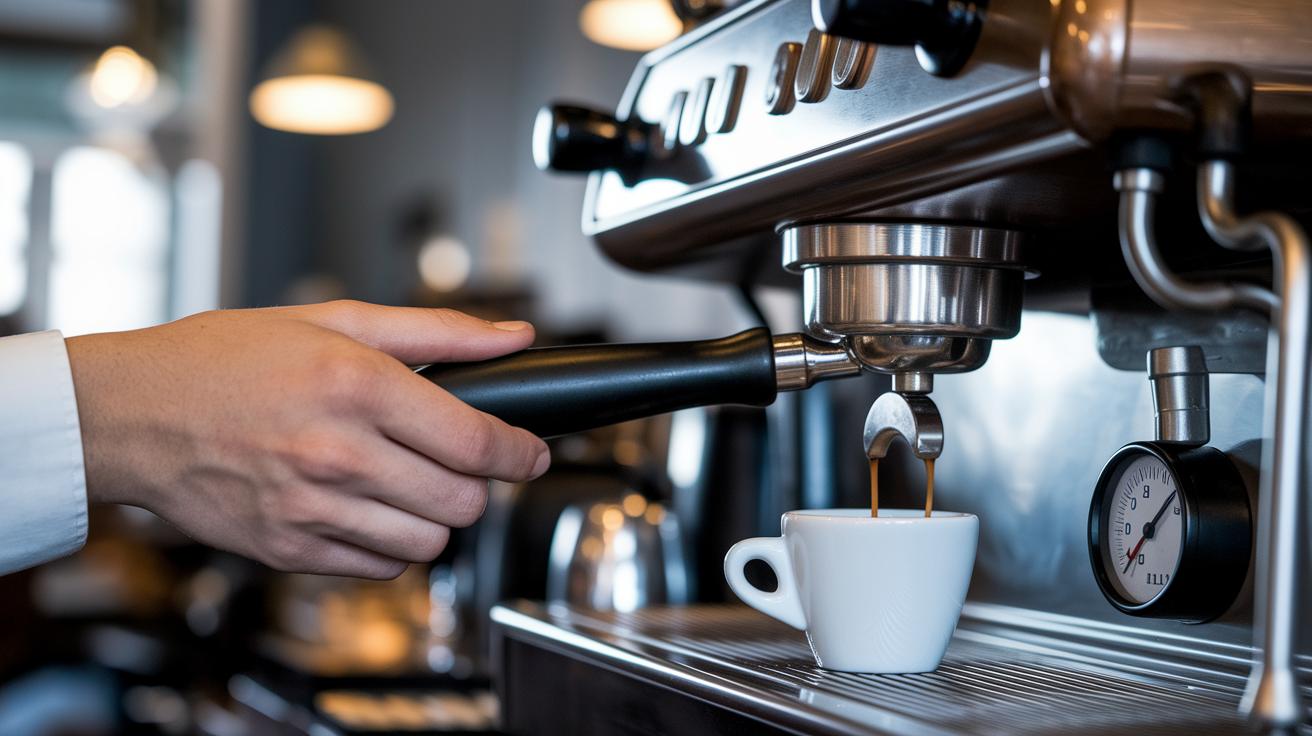
When brewing your espresso, pressure builds up as water pushes against the coffee puck. Think of it like water trying to force its way through a tightly packed sponge; the sponge's tightness tells you how hard the water has to work. In simple terms, both the water flow and the sponge-like resistance join forces to set the pressure. Change one, and the pressure shifts along with it.
During extraction, the coffee puck isn’t the same all the way through. As water pulls out oils, acids, sugars, and other solids, the puck opens up a bit, which means its resistance changes. A fixed pressure setting, like a standard 9-bar shot, might not match these changes and could miss the mark. Recognizing that the puck evolves while the coffee is being brewed is key to crafting a well-balanced shot that brings out the coffee’s natural flavor without turning it bitter.
Pre-infusion plays a big role in this whole process. In this phase, water gently soaks the coffee, filling all the little gaps before the main extraction starts. This careful wetting helps prevent cracks in the puck. Some machines use basic paddle settings to control the process, but digital systems let you fine-tune both the water flow and pressure. With this precise control, you can get a richer, more consistent flavor in every cup.
Configuring Hardware Components for Digital Flow Control Precision
Digital flow control in coffee machines relies on both mechanical parts and digital brains working side by side. Every component plays its role in fine-tuning the water flow, helping you brew a cup that’s just right every time. When you know how each part works, you can mix them together to achieve consistently tasty results with each shot.
Mechanical E61 Flow Control (La Marzocco GS3 MP)
This method uses a classic E61 group head paddle paired with a bypass valve. The La Marzocco GS3 MP sends any extra water on a smooth detour when you adjust the paddle. Think of it as giving the water a gentle nudge when the coffee puck needs a softer touch. It’s a hands-on approach that never fails to deliver.
Computer-Controlled Gear Pump Systems (Rocket R Nine One)
The Rocket R Nine One puts digital control in the spotlight. Its gear pump is managed by a computer, so you can dial in both the water flow and the pressure with precision. The system adjusts in real time, matching the changes in the coffee puck’s resistance. It’s like having a clever helper that fine-tunes every shot to suit your beans and grind settings.
App-Enabled Flow Profiling (Dalla Corte Mina)
The Dalla Corte Mina App takes things even further. It lets you create, save, and recall custom flow schedules right from your smartphone. This digital setup means you can experiment with different settings until you find the perfect balance for each blend, all while keeping your brewing consistent.
| Machine Model | Flow Control Type | Key Features |
|---|---|---|
| La Marzocco GS3 MP | Bypass Valve | Smooth paddle adjustment |
| Rocket R Nine One | Gear Pump | Programmable profiles |
| Dalla Corte Mina | App-Controlled | Profile saving |
Sensor Diagnostics Protocols and Calibration Techniques for Consistency

Getting the sensor readings right is like dialing in your favorite brew. Modern coffee machines use flow and pressure sensors, think of them as tiny helpers that measure how well water and pressure mix with your grounds, to capture real-time info about each shot. Keeping an eye on these readings is key. Without regular checkups, the sensors can start drifting off, leading to extractions that feel a bit off or flavors that suddenly surprise you.
It all starts with a few simple steps. First, you make sure the flow lines are clean. Next, run a reference volume test to see if everything’s on track. Then adjust the zero-offset, which is like resetting the sensor’s starting point. After that, check the flow curve against values you already trust. Finally, jot everything down so you have a record for future reference.
Integrate these steps into your regular machine tune-ups, and you’ll keep your coffee system performing at its best. Once the flow lines are clean, the volume is confirmed, the zero offset is set right, and the flow curve is checked, your logged results give you a handy guide for any troubleshooting. Combining this routine with a gentle pre-infusion phase to evenly apply pressure helps reduce those unwanted hiccups. By keeping up with these practices, every cup stays on point, making sure your coffee remains flavorful and consistent every time.
Software Tuning Recommendations and Algorithmic Correction Techniques
The Dalla Corte Mina App helps you create, save, and recall your own coffee recipes. It’s like having a digital recipe book that always remembers how you like your coffee. You can store your favorite settings and switch between different profiles when you change beans, roast levels, or even grind sizes.
Updating your profiles often can catch little differences in how your beans act or how the room feels. This lets you adjust your shot on the fly without having to start over, keeping your espresso tasting great every time.
Changing the pressure during extraction can really change the flavor of your brew. Ramping pressure builds up slowly, which works perfectly for the first bloom and makes for a smooth shot. Meanwhile, lowering the pressure as you finish helps control the release, so you avoid overdoing it.
These tweaks let you fine-tune your brew based on your choice of roast and grind. It’s like finding just the right balance between sweetness and acidity in your cup.
Digital flow control isn’t just for classic espresso. It can mimic a filter-style brew by adjusting how the water moves, and Specialty mode lets you play with different extraction styles. This gives you the freedom to experiment and bring out special aromas and flavors in every blend.
Advanced Parameter Analysis Study and Optimization Techniques
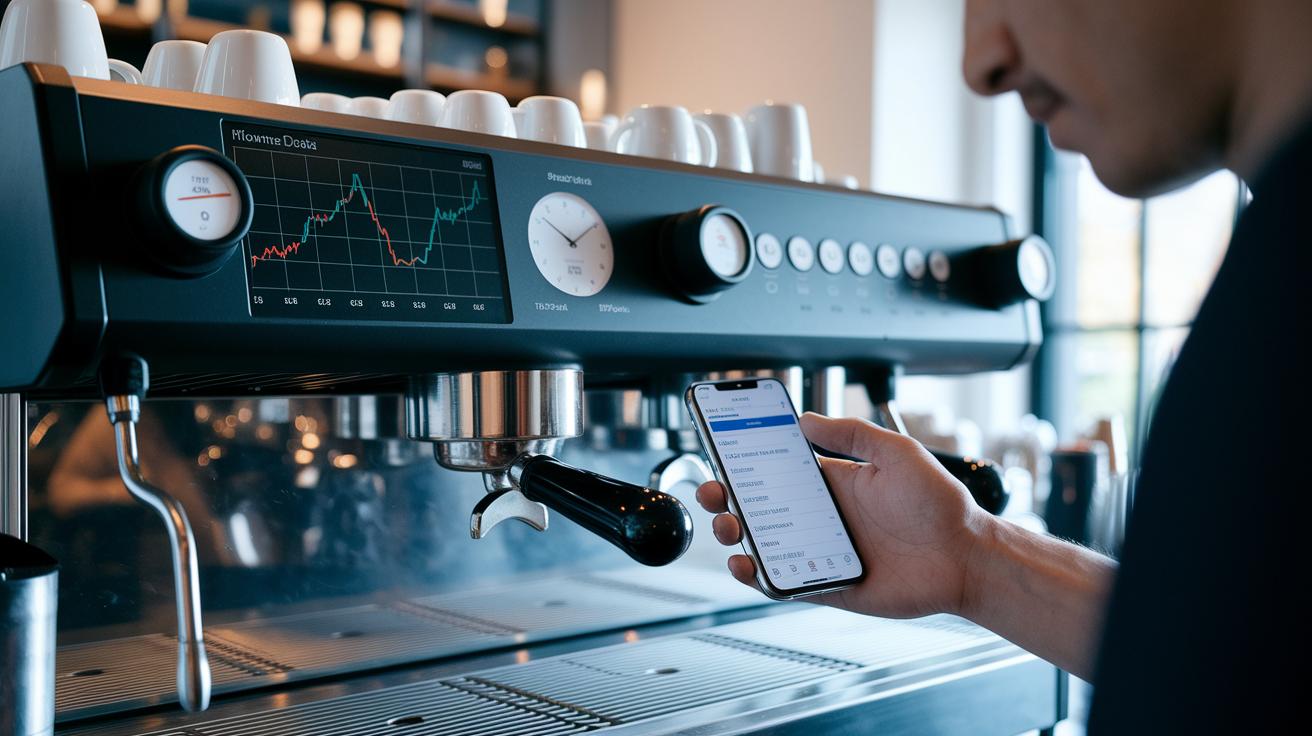
After you finish your brew, the machine’s logged data tells a story about your shot. Post-run analysis lets you look back at real-time metrics captured during extraction, like checking your coffee journal to see what worked and what might need a tweak.
Key details include flow rate, pressure ramp profiles, pre-infusion timing, and brew temperature. For example, a pre-infusion lasting about 10 seconds helps wet the coffee evenly. Pair that with a smooth pressure ramp and a flow rate that holds steady between 9 and 10 bar, and you’re on your way to a balanced extraction that brings out both sweetness and clarity.
Over several extractions, you start to notice trends. If the pressure curve suddenly spikes, it might mean you need to adjust your grind or tamper pressure. A consistent ramp profile shows that the digital controls are doing their job, much like a well-rehearsed play.
Use these insights to make gentle, data-driven tweaks. Change one element at a time, jot down your results, and then taste test. Gradually, these small adjustments build a collection of best practices that help you fine-tune every shot to match your coffee blend’s unique character.
Final Words
In the action, our guide walked through how digital flow control shapes each espresso shot, blending sensor checks, hardware tweaks, and smart software settings to improve every cup. We explored pre-infusion techniques, mechanical versus digital controls, and routine diagnostics that keep extractions consistent.
These steps, along with optimizing digital flow control in coffee machines, bring clarity to your brewing process. Enjoy experimenting with each tweak and savor the outcome of a consistently delightful brew.
FAQ
What is the best flow control espresso machine and is flow control worth it?
The best flow control espresso machine features a user-friendly interface and customizable water flow. It creates even pressure during extraction, making it a smart upgrade for a consistently balanced, flavorful cup.
How do I use flow control on an espresso machine?
The method to use flow control involves adjusting a paddle or valve to control water flow during extraction. This adjustment helps balance pressure and prevents uneven extraction, resulting in a smoother shot.
What flow control kits are available for machines like La Marzocco, ECM, E61, and Clive Coffee?
The available flow control kits include designs such as those from La Marzocco, ECM, E61, and Clive Coffee. Each system adjusts water flow to manage pressure effectively and ensure uniform extraction.
What does espresso flow rate g/s mean in extraction?
The espresso flow rate in grams per second indicates how quickly water moves through the coffee puck. This measurement influences shot timing and overall flavor by affecting extraction speed and pressure.
How do machines like the Lelit Bianca V3, ECM Synchronika Anthrazit, Lelit Elizabeth V3, La Marzocco Linea Mini, Lelit Mara X, and Rocket R Nine One use flow control?
These models integrate flow control through either manual adjustments or computer-controlled features, allowing the user to fine-tune water flow and pressure. This control tailors extraction to deliver a balanced and rich espresso.