

Have you ever wondered if your coffee maker could do more than just brew your cup? Today’s smart coffee machines can connect to online services that help them work faster and smarter. Cloud services are like online helpers that check on your machine to make sure it's just right. Imagine a machine that remembers your favorite flavor and even lets you know when something needs a little fix. This guide shows you how linking your coffee maker to the cloud can make it work better and keep every cup tasting perfect. Get ready to see a whole new side of coffee technology that makes each sip as satisfying as the first.
Cloud Integration Essentials for Digital Coffee Machines
Modern digital coffee machines use cloud platforms to gather and share information with every cup they brew. For instance, Thermoplan’s smart devices work in 72 countries for brands like Starbucks and Nespresso. They connect to Microsoft Azure to send real-time details like how much coffee is being enjoyed, which drinks are a hit, and when something needs fixing. It’s like having a conversation with your coffee maker, one that keeps learning and adapting to your tastes.
By using cloud services, a coffee maker can chat with operators from afar. This means any issues pop up quickly and get sorted out fast. Take Kismile’s 3-second precision heating drip coffee maker as an example, it uses smart IoT tools to control its heating in a flash. Curious about more cool tech in your coffee? Check out smart coffee brewing technology explained.
Nestlé is also embracing this digital upgrade by adding AI and automation to its coffee systems. Every machine now sends back important data that helps refine how they operate. With the cloud, IoT connectivity, and smart coffee automation working together, everyday cafe tasks become smoother and every cup tastes just right.
Selecting a Cloud Platform for Coffee Appliance Digital Integration
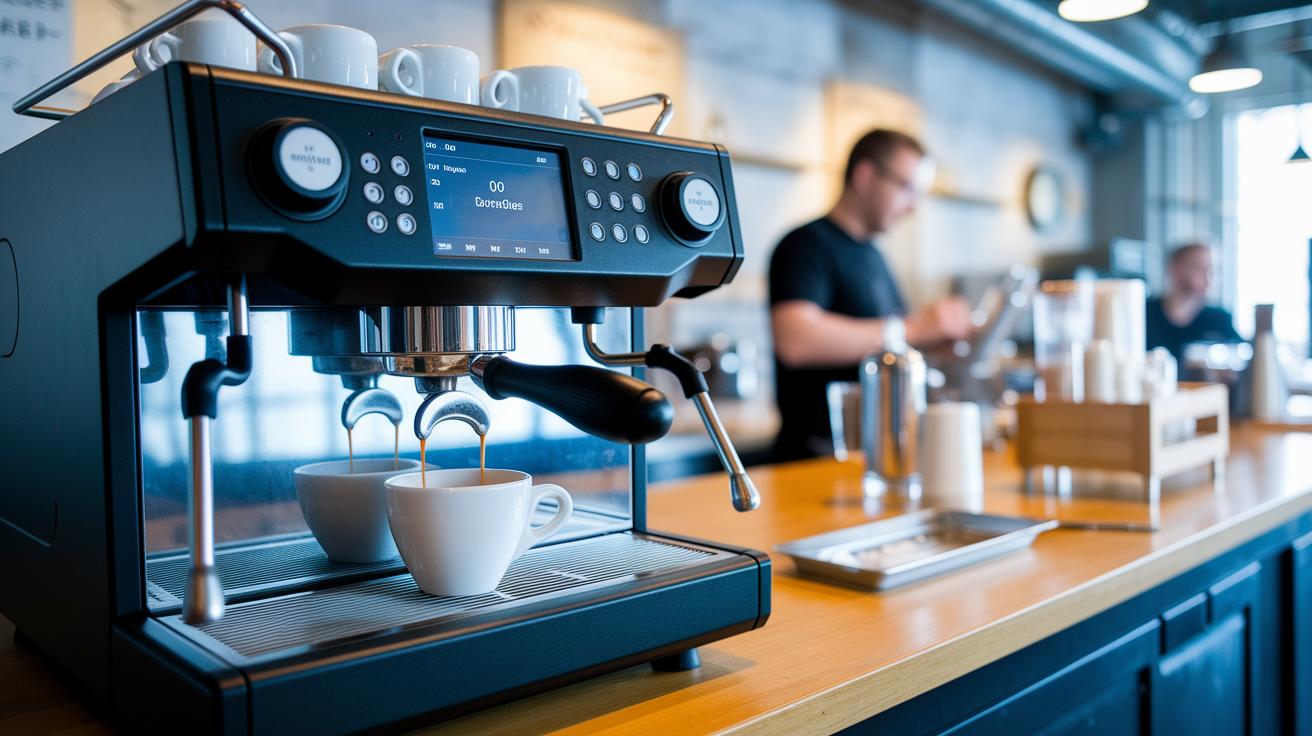
Picking a cloud platform for your digital coffee machines is a bit like choosing the perfect coffee blend, you need it to be safe, scalable, and simple to set up. For example, Thermoplan opts for Azure to collect live machine data, making sure every freshly brewed cup gets its live insights. Brands like Dufry and IBA Worldwide also lean on Azure to fuel smart, data-based decisions. This shows that a sturdy cloud solution can boost efficiency and keep you on the right side of rules, much like Luxembourg's approved financial cloud migration.
When you're deciding which service to use, keep these essentials in mind:
- A global network for smooth worldwide connections
- Top-notch security certifications
- Pricing that fits within your budget
Here's a quick side-by-side look at some leading options:
| Provider | Global Footprint | Security | Pricing Model |
|---|---|---|---|
| Azure | Wide | High | Competitive |
| AWS IoT | Extensive | High | Variable |
| Google Cloud IoT | Expanding | Reliable | Flexible |
As you weigh your options, think about how easily each provider lets new devices join and keeps your cloud connection strong. It's a bit like ensuring every barista in your café knows your favorite order!
Secure Communication Protocols for Cloud-Connected Coffee Machines
When your smart coffee machine connects to the cloud, it’s like giving every piece of data its own secure little envelope. Azure IoT Hub, for example, uses MQTT and HTTPS with TLS 1.2+ to lock down every message between your machine and the cloud. Imagine your daily brew’s instructions being wrapped up safely, just like that! One cool case came from a Luxembourg bank that followed strict rules using tough encryption and solid identity checks.
For connecting your coffee maker digitally, the best practices are simple. Using mutual TLS certificates means your device and the cloud server both get to confirm each other’s identity, kind of like a secret handshake before sharing any info. Adding token-based authentication is another smart move, ensuring that only approved devices can join the conversation. Plus, swapping out those certificates and tokens regularly helps cut down the risk of any breaches.
Keeping your data transfer rules updated is just as important as cleaning and tuning your coffee machine. Regular checks and updates help your system stay in tune with the latest safety standards, so every cup of coffee you brew remains as secure as it is delicious.
Implementing API-Based Interfacing for Cloud-Integrated Coffee Machines
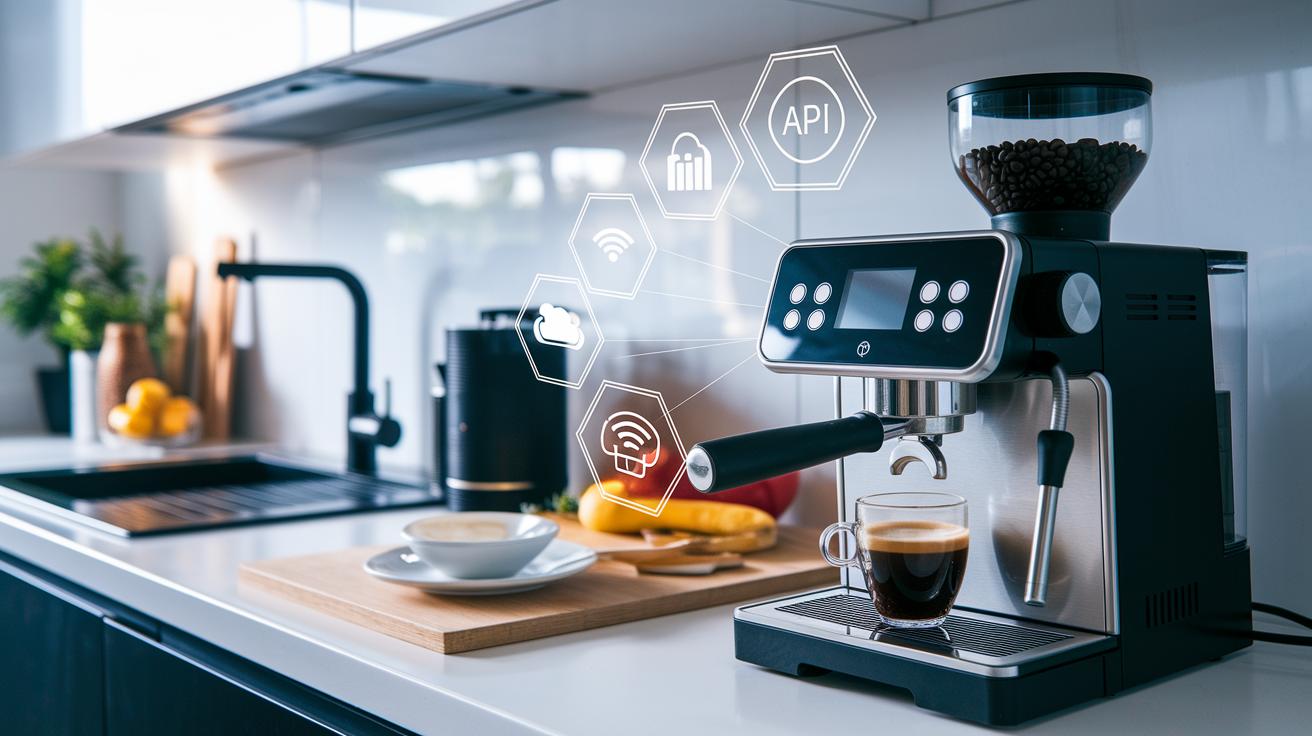
API-based interfacing makes your coffee machine super smart. With tools like Azure IoT Hub SDKs and REST APIs, the cloud sends commands to adjust brew strength or water temperature and quickly gets live sensor data back. Imagine telling your machine, "Hey, start brewing now!" and it kicks into action, much like a barista rushing to prepare your favorite blend.
You can choose between REST and MQTT. REST is great for simple data requests and sending commands through standard web calls. MQTT, however, is perfect for quick, lightweight updates that happen often. Take Kismile’s drip coffee maker, for example, it uses API calls that happen in less than a second. This means it adjusts heating cycles instantly, so every cup comes out just the way you want it.
Making sure your device is authorized to talk to the cloud is super important. They use shared access signatures or managed identities to prove they're allowed to make requests. Think of it like showing your ID before entering an exclusive coffee club. Plus, these APIs let you schedule your brew so that your machine starts exactly when you need it.
With clear data queries and secure authentication, adding a new device is a breeze. The entire process runs smoothly, just like dialing in the perfect coffee recipe.
Real-Time Telemetry Streaming & Remote Performance Monitoring
Imagine your coffee machine chatting with you every second. Thermoplan sends live details like how much coffee is flowing, the pressure as it brews, and the cup’s warmth straight to Azure Event Hubs. It’s like watching the heartbeat of your favorite brew. All this data then flows into Power BI dashboards that alert you when something’s off, so any hiccup gets noticed fast.
Devices with IoT connectivity share sensor info using simple API calls, which means every step of your brew gets watched carefully from start to finish. By blending these API calls with live data, checking on your coffee machine remotely feels natural, like keeping an eye on your morning cup from across the room. And when something unusual happens, tools like IoT Hub and Stream Analytics work together to catch it, whether it’s a sudden dip in pressure or a temperature that’s a bit off.
The best part? Operators can see everything on easy-to-read dashboards, almost like a live control panel for your coffee machines. These dashboards change raw numbers into clear insights, making it simple to know what’s happening at any moment. This smooth mix of live data, central analytics, and remote monitoring keeps every coffee maker in perfect tune, ensuring your coffee tastes just right every time.
Firmware Updates & Predictive Maintenance via Cloud Services

Cloud services give you a neat way to keep your coffee machine up-to-date without any hassle. Imagine your machine quietly getting an update during dinner while it whips up your morning brew. With Azure IoT Device Management, you can send firmware updates remotely in a gentle, step-by-step rollout. And if something goes off track, you can easily roll back to a previous setup, just like having a safety net for your daily cup.
Your machine also sends detailed sensor readings, think of them as friendly notes about its health. These logs work like a nudge, reminding you when maintenance is needed. For example, Nestlé’s digital core uses smart, AI-based predictive maintenance to check on how much the machine is used. In plain terms, it watches simple details to make sure that every part gets the attention it needs before trouble strikes.
Operators now have the power to schedule updates and track machine performance in real time. The system collects data like operating temperatures and usage levels and then uses smart checks to predict when a fix might be needed. Notice a machine running a bit warmer than usual repeatedly? That’s its way of hinting that a quick service could prevent a bigger problem later.
In short, modern tech is making coffee machines more reliable. Over-the-air updates and regular diagnostics work together to ensure that every brew stays as delightful and dependable as ever.
Troubleshooting Integration & Network Efficiency Optimization
When our smart coffee machines run into glitches, you might see issues like MQTT disconnects (that’s when devices stop talking), expired certificates, or delays at remote locations. It’s much like a beloved café needing a quick fix to keep the brew perfect. At HostMilano 2025, we even witnessed VR integration in action, but the heavy real-time data streaming slowed things down, revealing some network bottlenecks.
To keep your system humming along smoothly, try these practical tips:
- Exponential backoff: This means waiting a bit longer each retry after a hiccup, much like giving your machine a quick breather before reconnecting.
- Offline buffering: Store data right on the device during outages so that not a single piece of insight is lost, even if the cloud is momentarily out of reach.
- Local edge caching: Process data close to where it comes from to reduce delays, keeping the flow of smart coffee automation steady, just like grinding fresh beans right when you need them.
Using these steps not only fixes integration issues but also boosts network efficiency. In short, your digital coffee machines bounce back quickly, ensuring every cup is brewed with dependable, real-time precision.
Methodological Frameworks & Future Trends in Cloud-Based Coffee Automation
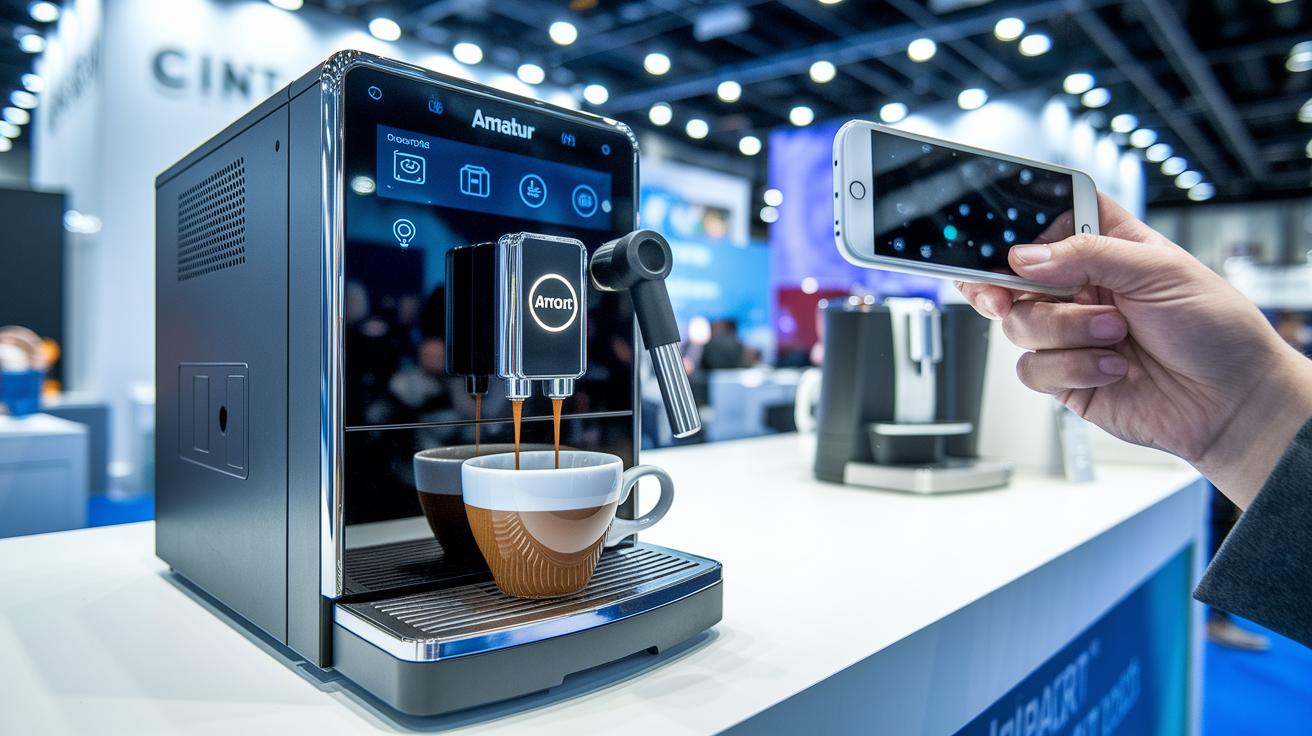
Imagine a coffee machine that not only brews the perfect cup but also chats with the digital world. To make this dream a reality, we start by building solid prototypes that can grow into full-on production machines. We test every sensor, adjust brewing recipes, and fine-tune the connections to create a framework that works as smoothly as your favorite morning brew. At HostMilano 2025, Sanremo’s new IoT Cloud platform and the cool “Sanremo in the Clouds” VR experience showed us how a virtual adventure can boost the coffee experience and gather useful data along the way.
The coffee industry is moving toward smart, AI-driven methods that tweak brew settings in real time. Simple tools like edge computing (which means small computers working right inside the machine) and event triggers (little signals that tell the machine when to act) help every coffee maker perform its best based on live input. This means each cup helps the machine learn and get better. By carving out a clear journey from small tests to full operation, manufacturers can tweak and refine their gadgets until they meet every coffee lover’s expectation.
We see similar smart strategies in other areas too. For instance, Dufry’s retail analytics and IBA Worldwide’s work with cloud tech on Azure for medical devices prove that data-based insights really boost performance. These examples give us a hint of the future: next-generation IoT platforms that bring more efficiency, personal touches, and outstanding results with every cup.
Final Words
In the action, we covered the essentials of connecting digital coffee machines through cloud platforms. We saw how real-time telemetry, API interfaces, and secure communication come together to create a smart brew experience. The discussion highlighted best practices and current trends, guiding you in leveraging cloud platforms for digital coffee machine integration. The insights shared offer a clear approach to tech-driven coffee innovation, leaving you ready to perfect your brew every time. Here's to many delicious cups of perfectly brewed coffee.
FAQ
How do cloud platforms help with digital coffee machine integration?
The guide shows that cloud platforms collect and share key data from coffee machines, like usage stats and performance tips, making it easier to manage and maintain your coffee tech.
Who owns the coffee cloud?
The coffee cloud isn’t owned by one single company. Instead, major coffee brands work with cloud service providers like Microsoft Azure to power their connected machines.
Do coffee machines use AI?
Coffee machines use AI to analyze brewing patterns and predict maintenance needs, which helps them serve consistently delicious coffee every time.
What are cloud platforms used for in coffee technology?
Cloud platforms support remote monitoring, data tracking, and software updates for coffee machines, ensuring they stay efficient and ready to brew that perfect cup.
How can Alexa be set up to turn on a coffee maker?
To have Alexa power your coffee maker, connect it with a compatible smart hub or cloud service, then follow the app’s instructions to enable voice commands for a hassle-free brewing experience.