

Ever wonder if your espresso has a secret language hidden in numbers? New digital data is unlocking the mystery behind every perfect cup. Today's espresso machines come with smart sensors that check the pressure, temperature (that’s how hot the water is), and flow. These clues help baristas fine-tune each shot for amazing flavor. In this post, we'll chat about how reading these simple data patterns creates a well-balanced and delicious espresso every time.
Digital Data Patterns Shaping Espresso Formulation
Espresso makers are now teaming up with clever sensors that check things like pressure, flow, and temperature, all while working with smart software to help you brew that perfect cup. Modern espresso machines gather detailed info about how coffee extracts, like the extraction yield, TDS measurements (that’s the amount of coffee solids in the liquid), and temperature consistency. This mix of sensor data and live analytics means that every shot gives you a handy tidbit of information. For instance, a small change in pressure might hint at a bean variation, prompting a quick tweak. It's a whole new way to get your espresso spot on.
Pairing machine learning with sensor outputs has given baristas a fresh perspective on the whole extraction process. By keeping an eye on how coffee solids dissolve and tracking temperature shifts during each shot, these systems serve up insights that lead to better flavor and consistency. One cool technique, mocha fingerprint mapping, uses extraction data to pinpoint flavor profiles and show off each roast's unique traits. This method helps baristas adjust and compare recipes across different blends and setups, making it easier to nail that consistent flavor.
Watching electronic shot trends is paving the way for modern cafés to perfect their espresso recipes. By noticing patterns in pressure and extraction yields, baristas can fine-tune brew times and dosing on the fly. The rapid feedback from these digital data patterns is fast becoming a must-have tool in the art and science of crafting a truly standout shot.
Capturing Espresso Extraction Data with Advanced Tools

Nailing the right measurements is the secret to brewing that dream cup of coffee. Knowing the tiny details, like the total dissolved solids (TDS), flow, and pressure during a shot, lets baristas understand exactly how each part of the extraction adds to the final flavor. One handy tool for this is the refractometer. It checks the amount of dissolved solids in the coffee, so you can watch the extraction yield change as the shot goes on.
During a typical espresso shot, baristas take measurements at set points in the brew. For example, they might check the coffee at 5 g, 10 g, 32 g, and 40 g of brew mass. Here’s a look at what those numbers can show:
| Mass (g) | Extraction Yield (%) |
|---|---|
| 5 | 8.0 |
| 10 | 10.9 |
| 32 | 18.3 |
| 40 | 20.2 |
Using these fixed points creates a clear record that ties each mass measurement to its yield. It also helps in gathering precise data, which is really helpful when you need to use a non-linear model, like a formula linking brew mass to yield, to keep your shots consistent. Regular checks and fine-tuning the water flow keep this system reliable, ensuring that every shot you pull is as consistent as the last.
Analyzing Espresso Brew Curves for Pattern Recognition
Plotting extraction yield against time gives you a clear view of how coffee solids mix into the shot. The scatter plot shows that solids dissolve quickly at first and then slow down, helping baristas catch those vital moments when flavors come alive.
Early Phase Extraction
Right at the start, the curve shoots upward as coffee particles dissolve fast, painting the brew a deep, rich color. This quick burst of extraction fills your cup with bold flavors, laying a strong base for the overall taste.
Later Phase Extraction
As the shot continues, the curve eases off, signaling that stretching the extraction might lead to a lighter profile or even a touch of bitterness if not stopped at just the right moment. This slower phase is key to steering clear of off-flavors.
Baristas also keep an eye on their optimized crema logs to fine-tune the brewing process. By comparing real-time extraction data with tried-and-true curve patterns, they adjust settings and recipes to match different roast profiles perfectly. These subtle tweaks ensure every espresso shot delivers a consistently balanced and authentic coffee experience.
Machine Learning Case Studies in Espresso Formulation

Machine learning is opening new doors for perfecting espresso recipes. Using deep learning, which is just a fancy way of saying smart algorithms that learn from data, coffee makers can change settings on the fly while brewing. These clever tools help smooth out any bumps and even add a creative twist to flavor tuning.
- A specialty roastery uses neural networks to adjust how water flows so each shot fits the profile perfectly.
- A café chain relies on reinforcement learning, a method where the system learns by trying different things, to keep their crema just right.
- A research lab runs computer simulations to predict how each extraction will turn out.
These examples show how machine learning is reshaping the way we think about espresso. Take one system that uses AI-driven coffee extraction optimization (https://aboutjoe.com?p=107): It continually tweaks pressure settings to match quality goals. By linking sensor readings with past brew results, these models can predict flavor outcomes almost like a future forecast for your favorite cup.
This isn’t just about fiddling with a few dials. It’s about using a smart formulation design algorithm that notices even tiny changes during extraction. This detailed data helps run process throughput analysis, so adjustments can happen almost in real time. With these insights, both independent roasteries and big café chains can fine-tune each recipe so that every shot not only hits the mark but often surprises you with extra flavor magic.
Visualizing Espresso Formulation Data in Dashboards and Charts
When you pull an espresso shot, every small detail counts. Watching charts and graphs in real-time lets baristas see the little secrets behind each brew. It’s like watching the dance of temperature, pressure, and flow merge into a story that guides every little tweak.
Imagine a scatter plot that shows yield against mass, hinting at that perfect moment when your shot is just right. Or a line chart that tracks the steady pulse of pressure and temperature, making sure everything stays smooth. Then there’s the KPI dashboard that puts all this information together in one friendly view, almost like having a trusted buddy by your side during every brewing decision.
Keeping things consistent is key. Tools that check for small changes in your shot help spot any surprises, while simulation features gently alert you to make quick fixes. This way, every espresso remains balanced and delicious, just the way you like it.
Applying Digital Data Patterns in Daily Espresso Practice
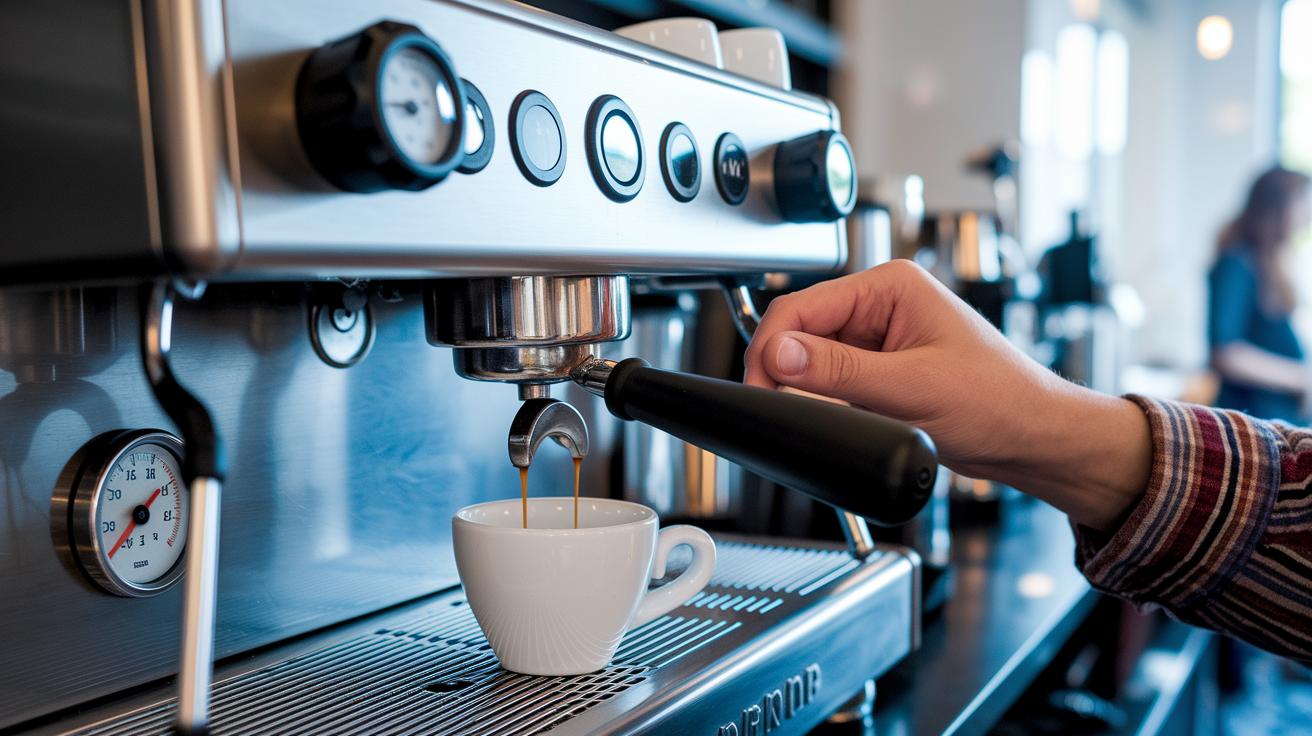
Every morning, make sure your dosing sensors match up with the live readouts on your machine and the patterns our system has picked up. Adjust the dose until the pressure and flow numbers line up perfectly with the extraction yield you’re aiming for, kinda like tuning your favorite instrument before a show.
Here's a quick checklist to sharpen your espresso routine:
- Confirm that the sensor readings match what the dosing system shows.
- Jot down the starting sensor data as soon as your shift begins.
- Compare key figures, extraction yield, temperature, and flow, against your set targets.
- Note any differences for quick recipe tweaks, all thanks to smart insights from our machine learning.
Fun fact: before your first brew, the system uses all the gathered sensor data to adjust settings, so every cup feels like it was made just for you.
At the end of the day, do a brief check to ensure the sensors and dosing are still in sync. This blend of calibration, baseline checks, and regular follow-ups works seamlessly with advanced machine learning to keep every espresso spot on.
Final Words
In the action, we watched sensor outputs and smart algorithms come together to shape the perfect espresso. The post detailed every step, from precise measurements and digital dashboards to real-life machine learning examples refining brew curves.
By exploring digital data patterns in espresso formulation, we see how every setting tweak transforms daily routines into consistent, delightful shots. Every experiment brings a new level of predictability and flavor, making the process as exciting as it is dependable.
FAQ
Exploring digital data patterns in espresso formulation pdf
Exploring digital data patterns in espresso formulation PDFs means reviewing sensor readings like pressure and temperature to shape balanced recipes that yield consistent and flavorsome espresso shots.
Systematically improving espresso
Systematically improving espresso focuses on using precise digital insights to refine every extraction. This approach optimizes shot quality by adjusting critical variables for better flavor and consistency.
What are the 4 M’s of espresso?
The 4 M’s of espresso refer to Machine, Method, Measurement, and Material. Each factor plays a vital role in crafting a balanced shot by controlling equipment and technique.
What are the 5 M’s of espresso?
The 5 M’s of espresso add a fifth element—Management—to the four essentials, ensuring that all aspects from machine performance to process oversight work together for a superior cup.
What is the 2 1 rule for espresso?
The 2 1 rule for espresso means the final drink typically weighs about twice as much as the grounds used. This ratio promotes a balanced extraction with the right strength and flavor.
What is the 30 second rule for espresso?
The 30 second rule for espresso indicates that a shot should take roughly 30 seconds to pull. This timing helps extract rich flavor and a perfect crema from the coffee grounds.