

Ever wonder if you can get a sensor that’s both budget-friendly and precise enough to brew a killer shot? It almost feels like hunting for that perfect coffee bean. In a busy espresso machine, every sensor counts. Today, we’re diving into how different sensors measure up. For example, we’ll look at ones that check absolute pressure and others that use digital modules (that is, gadgets that turn physical signals into clear data). We’ll also chat about how costs can add up with calibration and upkeep. Step by step, you’ll see if you’re choosing a smart, reliable sensor or if you might end up with a disappointing brew.
Comprehensive Framework for Cost vs Performance Evaluation of Coffee Machine Sensors
When selecting sensors for your coffee machine, you need a plan that mixes cost and performance as perfectly as a great blend. We use a clear, step-by-step method to compare sensor performance with budget limits. For instance, some absolute pressure sensors check extraction pressures from 15 psia to 150 psia, while digital modules like the WF5803C cover a 0–30 bar range with a 16-bit ADC. Every little detail matters, just like picking the perfect bean.
Think about how accurate the sensor needs to be, what its lifetime expenses might look like, and how well it meets industry rules. Sensors with outputs accurate to around ±0.1% and stable between 0°C and 85°C help keep that rich espresso flavor consistent. Plus, planning for calibration, maintenance, and eventual replacement builds a smarter cost strategy. Reliable industry standards mean your sensor is ready for daily use without any surprises.
- Set your performance needs – like accuracy, range, and response time.
- Check out different sensor types and compare their prices.
- Work out the total cost, including calibration, upkeep, and replacements.
- Match sensors against performance goals and return on investment targets.
By following this balanced plan, coffee machine operators and designers can make smarter, long-lasting choices. This method not only meets the high demands of modern espresso extraction but also cuts down on frequent maintenance. In the end, you get a dependable machine that serves a great cup every time without overspending.
Key Sensor Types and Cost Drivers in Commercial Espresso Systems
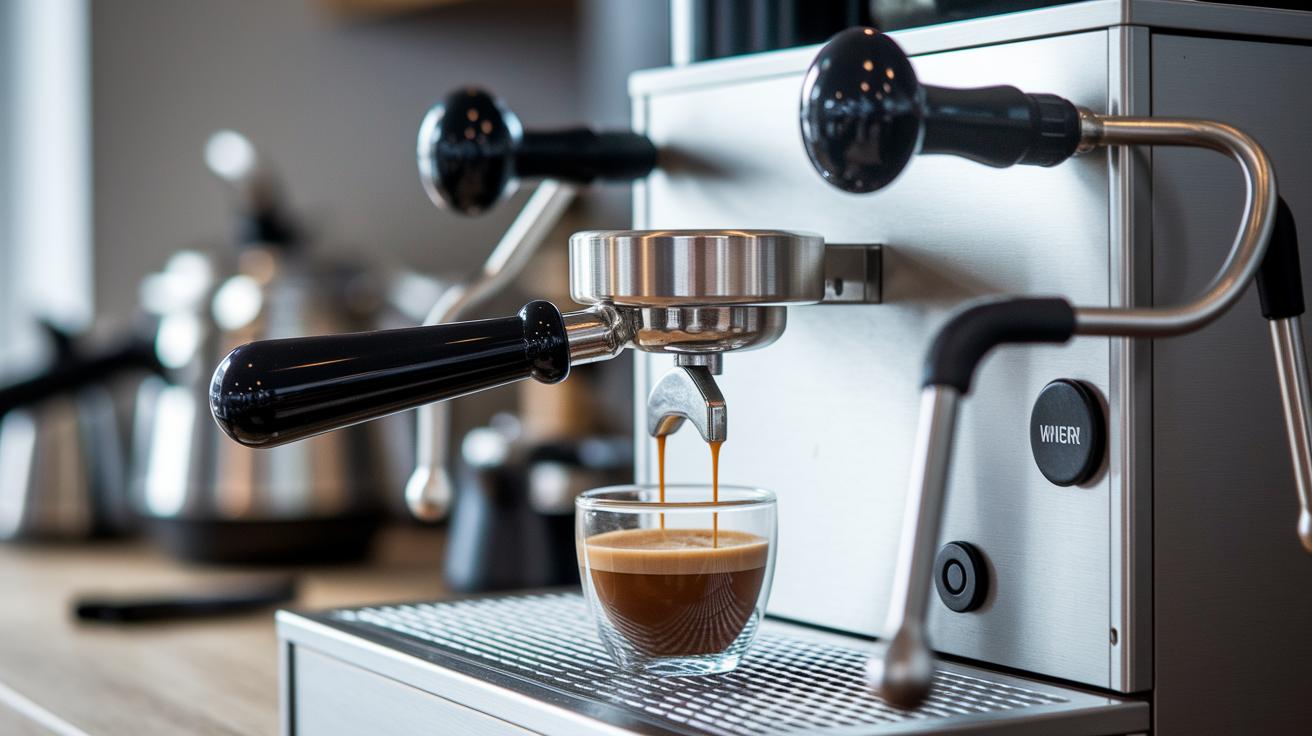
Absolute pressure sensors, flowmeters, and temperature sensors are the unsung heroes behind every great shot of espresso. Absolute pressure sensors check the force of water as it pushes through your coffee grounds, making sure the pressure stays steady for that balanced flavor. Flowmeters keep an eye on how fast water flows through, which helps adjust the brew strength, while temperature sensors make sure the water stays just the right heat for brewing. Each one plays its part in giving you a cup that's just right.
A big part of what drives costs comes down to the materials used in making these sensors, whether they send digital or analog signals, and how many of them are produced. For example, digital modules like the WF5803C usually run about US $3 to $6 each when made in large numbers. They cut down on the time needed for tweaking and often cost less to maintain compared to older mechanical gauges. Also, the choice between parts like ceramic or stainless-steel fittings can change the price and how consistent the sensor performs.
When you're picking out these key parts, think about what your espresso machine really needs, how precise you want things to be, and what’s trending in coffee tech. Even where you put the sensor can affect how accurate the readings are and the overall cost. Balancing all these ideas helps ensure you choose sensors that not only work great but also keep your setup running economically for the long haul.
Performance Metrics and Standards for Commercial Coffee Machine Sensors
When brewing the perfect espresso shot, a few key sensor features matter a lot. Accuracy, for example, is measured to within about ±0.1 %FS. This means the sensor keeps water pressure just right so each shot tastes balanced. Sensors also need to handle changes in temperature, what we call thermal drift, so they can stay steady even as things heat up during brewing.
Response time is another big factor. A sensor that reacts quickly helps adjust things in real time and ensures each extraction is spot on. Plus, these sensors must be tough. They’re built to handle pressure up to five times more than their usual limit. Take the WF5803C sensor: it keeps errors low at about ±0.2 %FS between 0 °C and 85 °C and comes with extra protections like ESD protection (that’s a shield against sudden electric discharges) and vibration damping to maintain steady readings even when the machine is working hard.
On top of all that, quality checks are a big deal. Manufacturers use multi-point calibration to confirm sensors meet their strict limits across all settings. They run rigorous tests with tri-zone chambers that mimic the kinds of conditions a sensor faces in a busy café. The final quality control step uses programmable three-port calibrators and MEMS test cells to ensure every sensor performs perfectly before it gets used. This careful process gives manufacturers confidence that each sensor will deliver reliable, precise readings, brew after brew.
Assessing Sensor Reliability and Lifecycle Costs in Coffee Machines
Sensors in busy commercial coffee machines face quite a few challenges that can pile up extra costs. Sometimes, sudden electrical sparks, dramatic temperature swings, or constant vibrations can hurt these sensors. These issues might even affect small but crucial parts like the O-ring seals that help keep everything in balance.
When a sensor fails, the machine can go offline, leading to pricey repairs or replacements. That’s why having sturdy sensors and setting them up correctly, like mounting them on a cool, pressure-free line with the right stainless-steel fittings, is so important.
Routine care really makes a difference. Regularly checking and calibrating the sensors keeps them accurate and helps avoid nasty surprises. Using the right soldering methods, whether it’s a reflow at 240 °C or manual work at 350 °C, stops heat from doing damage. And don’t forget to double-check that you’re not using the wrong kind of lubricants, which can harm the O-ring seals.
For more tips on keeping your sensors in top shape for a consistent coffee experience, take a look at this guide: optimizing sensor accuracy for consistent coffee extraction.
Keeping a close eye on sensor data through digital analytics and system health monitoring also plays a big role. By tracking performance, you can spot early signs of electrical shocks, temperature drift, or wear from movement. This proactive approach lets you make adjustments or replace parts before a small issue grows into a big problem. In the end, it helps cut long-term costs and ensures your coffee machine always brews the perfect cup.
Case Study: WF5803C Pressure Sensor Performance in Commercial Espresso Applications
In busy coffee spots, the WF5803C sensor plays a quiet yet essential role. It keeps an eye on water pressure during extraction, ensuring every cup tastes just right.
Operators have shared that espresso machines using this sensor start up smoothly and deliver consistently excellent shots even during peak hours. One operator mentioned, "Our espresso runs smoother and more reliable, even during long rushes." Plus, it works seamlessly with digital analytics systems, a welcome upgrade from older, slower models.
Costing around US $3–6 per unit, this sensor helps cut down on maintenance time and overall system expenses, letting you focus more on brewing a great cup of espresso.
| Feature | Specification |
|---|---|
| Pressure Range | 0–30 bar |
| Accuracy | ±0.1 %FS |
| Thermal Compensation | ±0.2 %FS (0–85 °C) |
| Calibration Coefficients | 6 on-chip |
| Power Consumption | µA-level standby |
| Interface | 3-wire serial + 32.768 kHz clock |
Calculating ROI and Upgrade Protocols for Commercial Coffee Machine Sensors
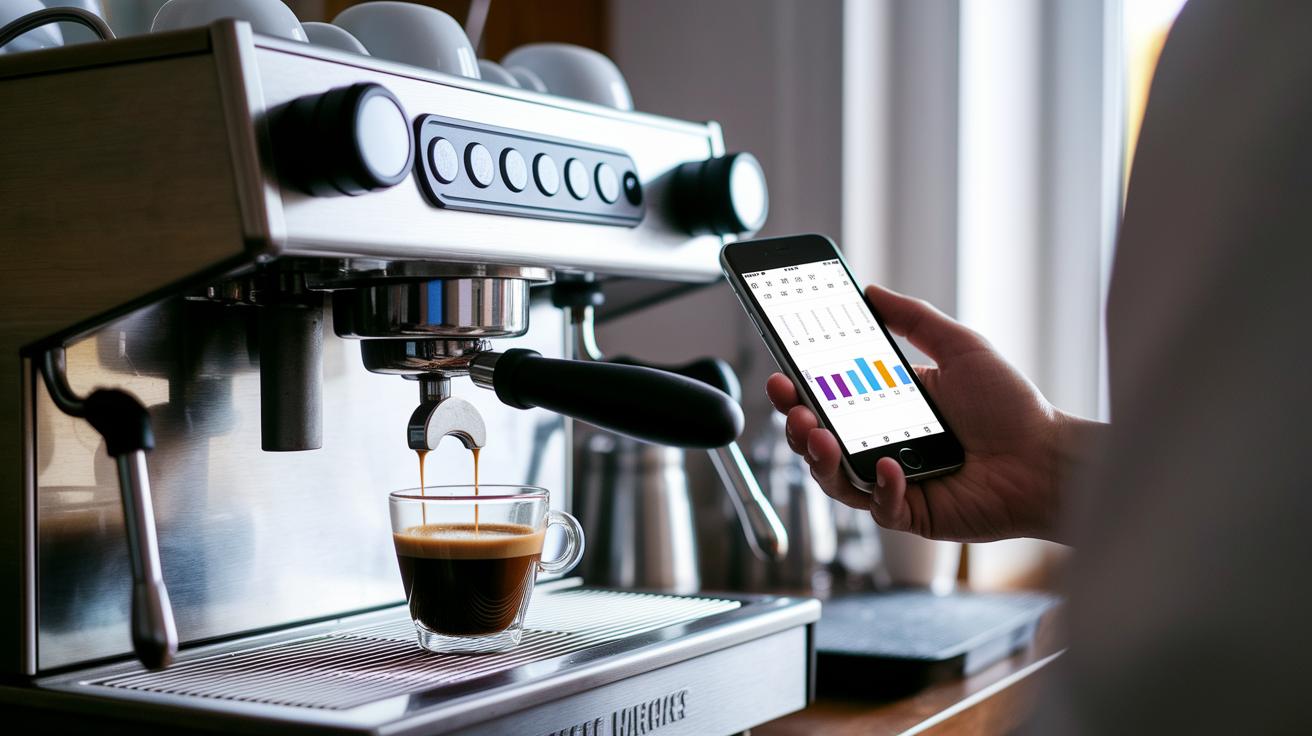
If you're managing a busy coffee shop, you can quickly work out your ROI by adding up minor costs and major savings. Consider that each sensor costs around US $3–6, but the savings come from fewer repair visits and less time spent tweaking the machine. Digital sensors like the WF5803C make adjustments as easy as dialing in a great espresso, unlike the old analog ones. Plus, a more energy-efficient machine means lower bills, saving you even more money. All these factors give you a clear look at the cost-to-performance ratio so you can make smart, practical decisions.
When it's time to upgrade, start with what matters most – the sensors that affect your brew's quality and keep your machine running smoothly. Taking a phased, step-by-step approach lets you gauge how each upgrade performs without breaking the bank. It’s like tasting every shot to ensure it hits the mark. With regular checks on performance and clear benchmarks for accuracy, you’ll be sure each sensor works reliably. By keeping an eye on overall costs, you can confirm your ROI and plan further improvements. This thoughtful upgrade strategy not only protects the perfect flavor of each espresso but also boosts the long-term value of your machine. Smart tweaks mean you'll enjoy smooth performance every day.
Final Words
In the action of our exploration, we broke down methods to balance cost analysis with solid performance metrics. We examined sensor types, detailed unit cost drivers, and discussed quality benchmarks that foster reliable coffee extraction.
We also highlighted how case studies and ROI calculations help guide smart investments in coffee technology. Each step in our framework shows how fine-tuned sensor details play a big role in brewing consistency.
Get ready for a future centered on evaluating cost and performance of sensors in commercial coffee machines. Enjoy the process ahead!
FAQ
How are pressure sensors used in coffee machines?
The pressure sensors in coffee machines measure extraction pressure, ensuring the brew process is maintained within optimal ranges and delivering consistent coffee quality throughout each shot.
How much does it cost to buy a commercial coffee machine?
The cost to buy a commercial coffee machine varies based on size, features, and brand, typically ranging from a few thousand dollars to over twenty thousand dollars for high-end models.
How big is the coffee machine market?
The coffee machine market is quite substantial, valued in the billions of dollars globally, driven by growing consumer interest in specialty coffee and advanced brewing technologies.