

Ever thought your coffee could tell when it’s just right? New digital tools are making that idea real. Sensors (little devices that check things like heat and pressure) and smart systems help roasters perfect each batch and track beans from the farm all the way to your cup.
Mobile orders and live tracking mean you get your favorite brew faster and with less hassle. This exciting tech change is stirring up the whole coffee world, transforming how coffee is grown, moved, and served every day.
How digital transformation in the coffee industry is reshaping production, logistics, and customer experience
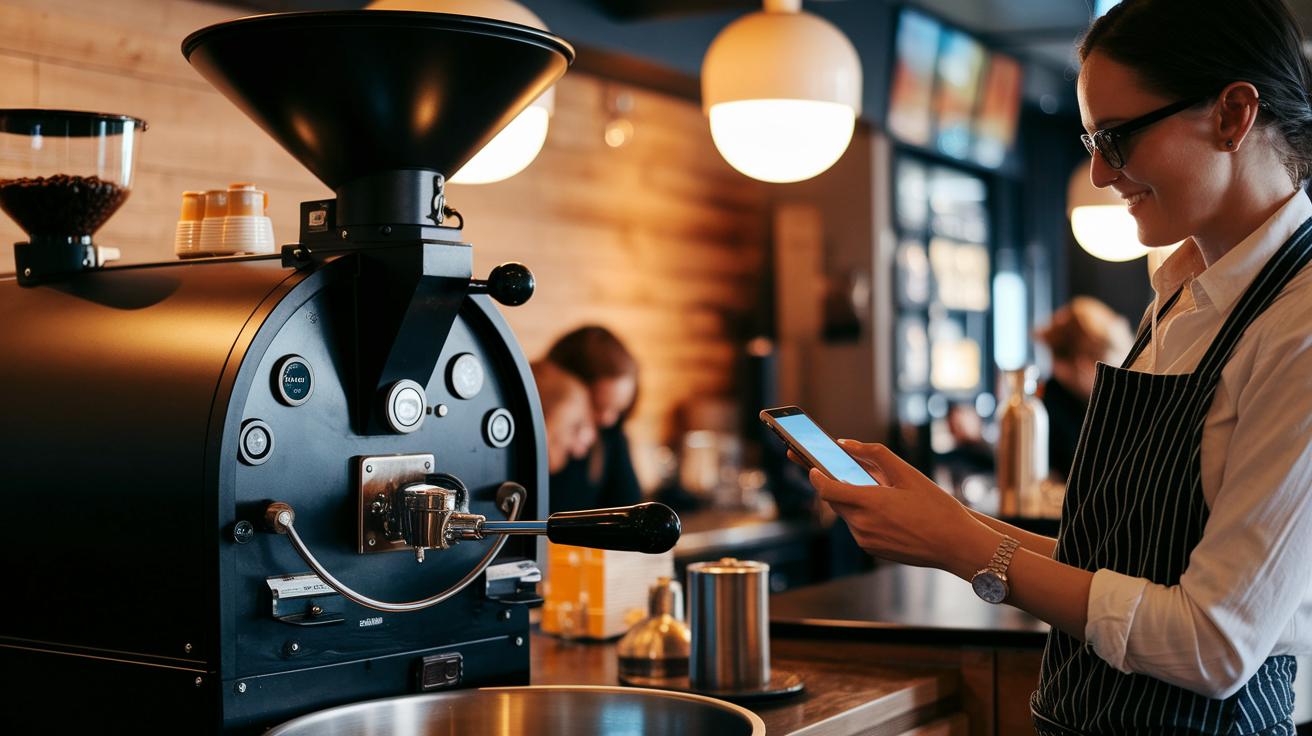
Digital tools are shaking up every part of the coffee process, from growing the beans to enjoying that perfect cup. Today’s machinery, fitted with smart sensors, tells us when the beans reach just the right temperature and roast level. Imagine a roaster saying, "The sensor tipped us off when our roast was spot on," much like a chef knowing when a meal is perfectly cooked. This kind of technology not only keeps the flavor steady but also helps save resources.
On the coffee shop side, digital payment systems and mobile ordering apps have made buying your favorite brew easier than ever. Back in 2011, Starbucks switched their card to a digital version and introduced an app for ordering. Now, nearly 28 million rewards members use that app, and it ranks right up there with popular mobile payment tools. With just a few taps, customers can customize every part of their drink, a convenience that is changing how cafes and stores serve you.
Even logistics have gotten a modern facelift. When COVID-19 caused port closures and delivery delays, coffee companies turned to real-time tracking and smart systems to manage risks on the go. These tools keep an eye on everything from bean sourcing to the final delivery, quickly flagging any issues along the way. It's like having a modern-day roadmap that ensures your coffee arrives right when you need it.
| Coffee Value Chain Stage | Digital Solutions |
|---|---|
| Production | Sensors, smart roasting tools |
| Logistics | Real-time tracking, smart risk checkers |
| Retail | Mobile apps, digital payments, online sales |
Digital transformation in the coffee industry is not just about high-tech gadgets, it’s about blending tradition with modern ease. Ever wonder how these changes might make your next coffee break even better? It’s a brave new world for our beloved brew.
Digital production automation and smart roasting technology in the coffee industry

Coffee production is changing fast with smart machines and sensors that help keep every roast just right. These gadgets check the temperature and pressure as the beans roast, kind of like a seasoned barista who instinctively knows when to stop. They work with robotics that handle the repetitive work so that every batch bursts with that rich aroma and delicious flavor.
Modern roasters now use Internet-connected equipment that sends sensor data straight to digital dashboards. This means that operators can catch tiny shifts in the process and tweak things quickly, much like having a trusty sidekick keeping an eye on details. In fact, many facilities are now using automated timing and temperature controls, a growing trend in 2024, to perfect each step of the roast.
Consider Zicaffè, a Sicilian roaster with roots going back to 1929. By mixing time-honored methods with modern tech like robotics and digital controls, they boost production while cutting waste. These innovations honor tradition while setting a new standard for efficiency and consistency. Here’s what they’ve improved:
- Sensor-driven quality checks
- Automated roast adjustments
- Real-time process monitoring
Every upgrade in this digital journey is all about crafting a better, more consistent coffee experience that feels as good as your favorite morning brew.
Digitizing the coffee supply chain for traceability and logistics efficiency
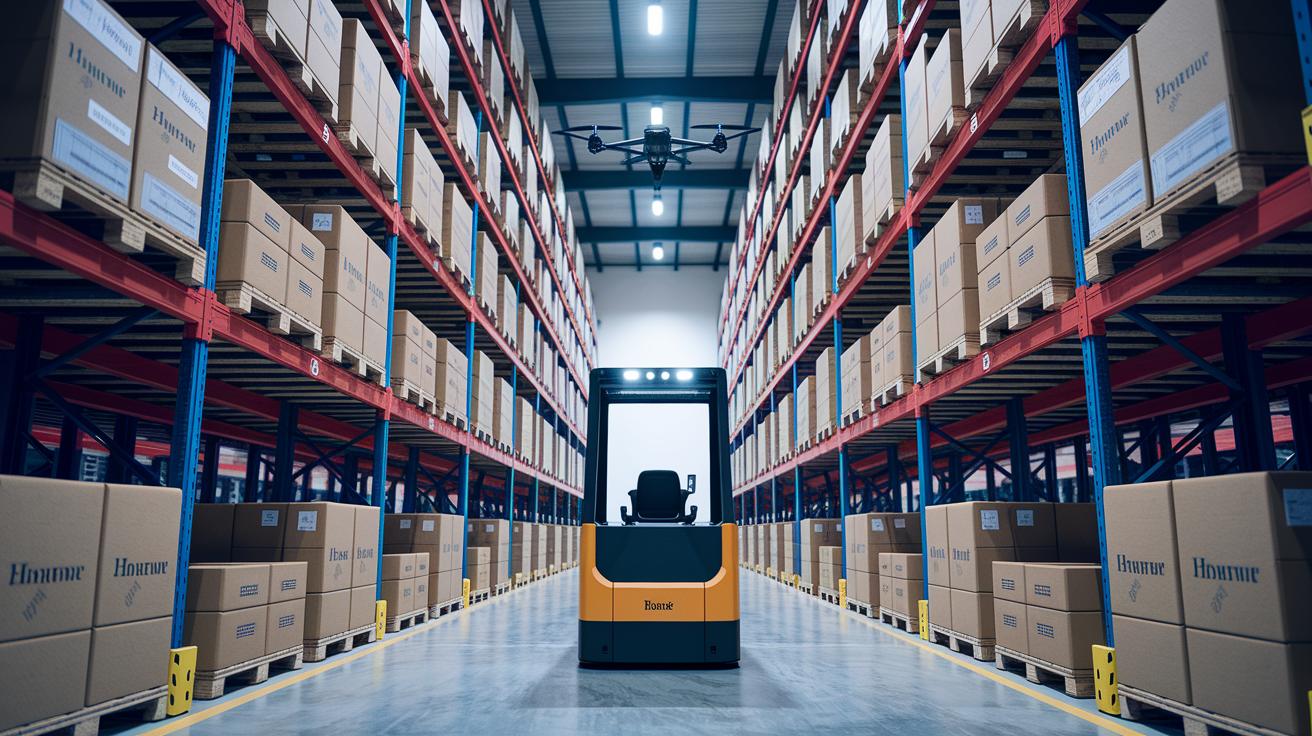
Digital tracking and automation are truly changing how coffee makes its journey from the farm to your cup. When events like lockdowns in China and conflicts in Ukraine led to port closures and delays, coffee companies swiftly turned to tech-driven logistics to keep their beans moving. Thanks to automated systems that load and unload in warehouses, coffee keeps flowing even when times get tough.
Some companies now use self-driving vehicles and drones for ground transport. Imagine a system that moves your coffee beans from the warehouse to the roastery, all on its own, while keeping track of every step. This smart approach not only protects the quality of the beans but also makes everything run more smoothly and openly.
Blockchain technology adds another layer of security. Every coffee bean’s journey is recorded on a digital ledger that can’t be altered. With smart contracts (which are like digital promises) and blockchain networks checking each transaction, trust grows among all the players. Picture a roaster saying, "Our system shows each bag of beans was tracked all the way from our supplier to our store."
Experts even share their insights in webinars like "The Logic of Coffee Logistics." These events offer practical tips on using digital tools in everyday operations. In the end, tech-fueled logistics are making the full beans-to-cup process more transparent and reliable, solving old challenges with a fresh, modern approach.
Digital customer engagement in coffee retail: mobile ordering, contactless payments, and loyalty
Coffee shops now use smart tools to make your visit easy and friendly. With a mobile ordering app, you can pick your drink and add your favorite tweaks before you even step inside. Imagine ordering your coffee on your phone, tailoring it exactly the way you like it, just like chatting with a caring barista.
Starbucks led the way by switching to a digital card in 2011 and launching a mobile ordering app. This smart move boosted their rewards program to 28 million U.S. members and made the app a favorite for quick payments. It’s like having a screen cheerfully remind you, "Your favorite drink is ready!"
Cafés are also adding cool tech like contactless kiosks and scan-and-go menus. Picture scanning a QR code and watching a vibrant menu pop up with all your drink choices. Using digital wallets means your payment is done in a flash, so you can enjoy the rich aroma of fresh coffee without any hassle.
Mobile loyalty programs are designed to give you little perks every time you visit. It can feel like your reward points have magically brewed a free drink, making every cup even more enjoyable.
| Technology | Feature |
|---|---|
| Mobile Ordering Apps | Customize and pre-order your drinks |
| Contactless Kiosks | Quick scan-and-go menus with interactive choices |
| Mobile Loyalty Programs | Earn rewards and get personalized offers |
Data-driven quality control in coffee roasting and brewing with AI and analytics

Digital automation now uses sensors to track roast temperature, pressure, and extraction details in real-time. These sensors collect everyday data and send it to cloud dashboards where advanced AI steps in to analyze the information.
Machine learning is now handling predictive maintenance. It looks at both past and current data to spot when equipment might wear out or small issues might crop up. For example, if a sensor notices a tiny drift in temperature, the system sends out a maintenance alert and readjusts the process, just like a seasoned roaster who tweaks the dial when the beans need a little extra care.
Large-scale data analytics help to optimize processes right as they happen. They catch small shifts in pressure or extraction quality that might otherwise slip by, and then automatically fine-tune the settings. One operator even mentioned that the dashboard flagged an off roast and the AI corrected it immediately. Machine learning models keep learning from every batch, making adjustments on the fly to ensure each cup is as perfect as the last.
Case study insights on digital transformation in the coffee industry: Starbucks and Zicaffè

Starbucks faced a tough challenge after a 28% profit drop and closing 900 stores. They turned to digital tools like a digital card and mobile ordering app to rebuild trust and make each order feel personal. It was a bold move that helped them reconnect with customers through smart, data-driven choices.
On the other hand, Zicaffè, a family roaster since 1929, mixed old traditions with the latest tech. By using digital dashboards and resource-management software, they can check their operations in real time without losing the charm of their longstanding craft.
These two cases show different paths to success. Starbucks boosted customer loyalty with digital personalization, while Zicaffè refined their recipes and operations with timely information from online feedback. Both companies shifted from quick fixes to thoughtful, data-led strategies that change everyday business.
| Company | Digital Approach | Strategic Impact |
|---|---|---|
| Starbucks | Digital card and mobile ordering app | Personalized service and operational recovery through data |
| Zicaffè | Digital dashboards and resource-management software | Real-time insights and improved recipe adjustments |
In truth, blending tradition with smart technology not only makes daily operations smoother but also creates a uniquely personal experience for each customer.
Future directions for digital transformation in the coffee industry
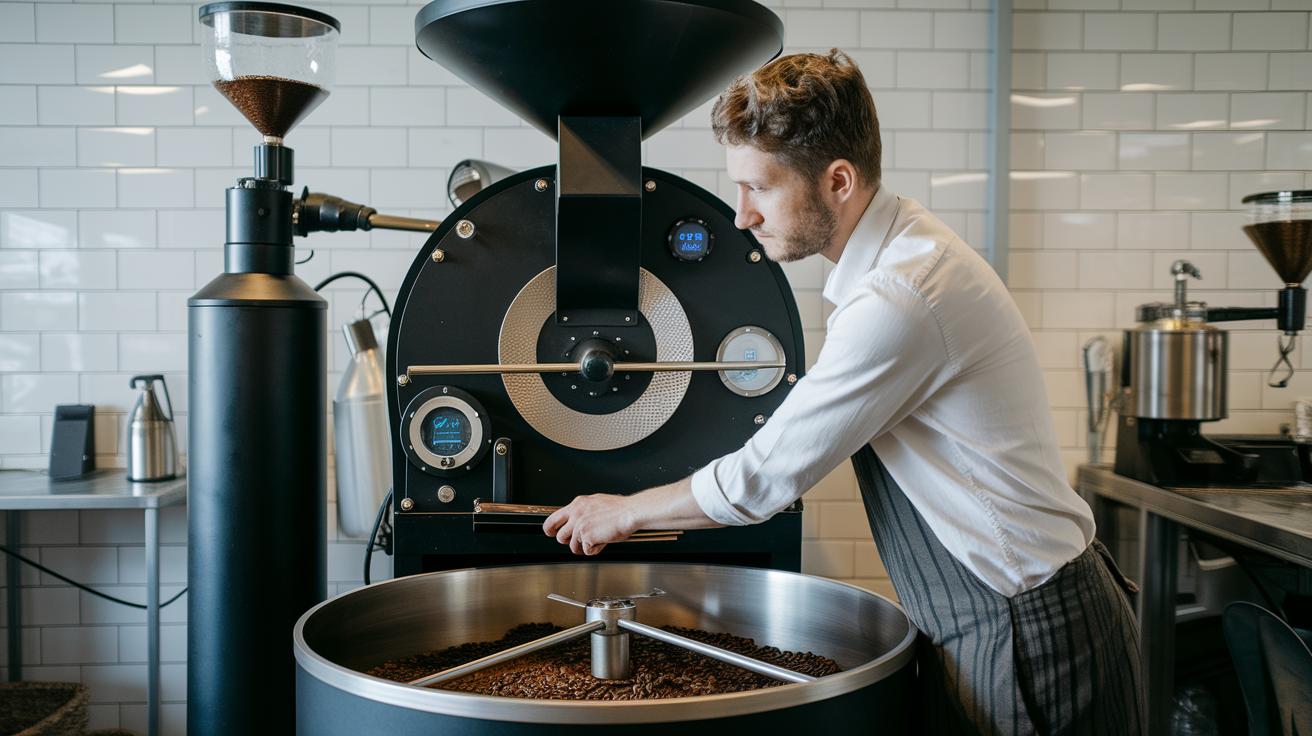
When we look to the future, coffee experts believe digital progress is an ongoing journey. They’re using smart sensors, devices that check things like temperature and pressure, to catch small problems before they turn into big ones. This helps keep machines running smoothly so that each cup tastes just right.
At the same time, the industry is moving fast toward eco-friendly solutions. Roasters and distributors are testing self-driving vehicles, drones, and other automated systems. Imagine your coffee traveling effortlessly from the roaster to your local café while caring for the planet.
There’s also a big push to use blockchain technology, which keeps a secure digital record of every step in the journey from bean to cup. This means everyone, from farmers to shop owners, can trust the process. Coffee professionals are even joining webinars like "The Logic of Coffee Logistics" to learn new digital skills.
Soon, advanced data analysis might touch every link in the coffee chain. For more details on these exciting changes, check out future innovations in smart coffee machines. Every day, digital advances are brewing a brighter, more sustainable future for coffee.
Final Words
In the action of today's tech-rich brew methods, we saw how digital tools shape every step, from production and smart roasting to personal service at your local café. Real-time diagnostics and sensor-driven systems boost both flavor and efficiency. This digital transformation in the coffee industry not only raises the quality of every cup, it also keeps innovation brewing. Cheers to a future where each cup feels as fresh and exciting as your very first sip.
FAQ
Frequently Asked Questions
What does digital transformation in the coffee industry in recent years (2021, 2022) represent?
The digital transformation in the coffee industry represents a shift toward smart tools that improve production, logistics, and customer care. It shows how coffee companies use apps, sensors, and automated systems to meet growing demands.
What are some digital transformation examples in the coffee industry, including essays and PDFs?
The digital transformation examples in the coffee industry include mobile ordering apps, sensor-driven production systems, and blockchain traceability. Essays and PDFs often detail how these tools improve efficiency and enhance customer experience.
What technology is used in coffee production today?
The technology used in coffee production today features sensor-equipped machinery, robotics, and IoT devices that help monitor and control processes, ensuring consistent quality and greater production efficiency.
How does digital innovation impact the specialty coffee market for businesses and competitive advantage?
The digital innovation in the specialty coffee market transforms businesses by embracing mobile ordering, contactless payments, and engaging digital tools, which boost customer loyalty and provide a competitive edge in service quality.