

Ever wonder if new tech can give small-batch coffee a real boost? Imagine digital tools keeping a close eye on every bean as it roasts, catching even the tiniest shifts in temperature that might slip past even the most experienced roasters.
This simple check makes sure every cup comes out tasting just right. When traditional methods mix with real-time digital readings, each roast ends up with the perfect balance and flavor. A little old-school care paired with smart sensors not only helps cut down mistakes but also sparks creative twists in every batch.
How Digital Integration Strategy Elevates Small-Batch Artisan Coffee Production
Digital integration strategy is like the secret ingredient that turns good coffee into a truly exceptional brew. High-tech machines fitted with built-in thermocouples, simple sensors that tell you the exact temperature inside the roasting drum, are now in play. They keep a close eye on even the densest bean clusters at the bottom, alerting operators to tiny temperature shifts almost immediately. It’s a reliable backup to our own senses.
Modern artisan coffee tech uses digital tools to map every twist and turn of the heat curve while automating the roast process. This micro-batch approach makes sure that every roast hits the same precise profile, just like your favorite well-balanced cup. With all the variables captured digitally, mistakes shrink, training new staff becomes smoother, and quality control records stack up neatly. Even a slight temperature change, say a couple of degrees, can shift the entire flavor profile. That’s why technology is so valued in small-batch roasting.
Plus, the market speaks for itself. With the specialty coffee scene set to grow over twelve percent yearly through 2025, producers are naturally leaning into tech-driven solutions. This blend of traditional methods and modern controls not only brings consistency but also sparks innovative tweaks that delight coffee lovers.
In the end, digital integration doesn’t just polish the roasting process, it hands producers a trove of data to fine-tune recipes and experiment with unique bean origins. Every digital reading adds another layer of quality, ensuring that each cup stands out in a competitive market.
Sensor-Based Production and Real-Time Process Adjustments in Artisan Coffee Digitization

Thermocouples and multi-sensor arrays keep an eye on bean temperatures as they roast, so roasters can quickly make adjustments. These sensors hook up with artisan coffee machines, letting technology take over some of the work usually done by sight and smell.
Digital roasting systems also help cut down on long training times. With automated tweaks built into the process, even a newcomer can achieve a roast that’s consistent in color and flavor.
Modern control systems in small-batch machines offer reliable data that makes sure every roast meets high-quality standards. It’s a bit like having a trusted friend guiding you through your perfect brew, every step of the way.
Software Platforms and Coffee Quality Analytics for Micro-Batch Digitization
Tools like Cropster are changing the game for small-batch coffee makers. These cloud-based platforms lay out every twist and turn of the roast process and can even run the roast for you, making it simple to enjoy a consistent, high-quality cup. Roasters get to see everything, from the raw green beans to the finished roast profile, on one clear, digital dashboard.
Mobile apps keep a complete record of each roast, which means roasters can easily share their detailed profiles with friends and speed up quality checks. Imagine a roaster glancing at their dashboard and saying, "Every time I check, the record backs up my careful cupping session." This detailed log is like a secret recipe keeper, helping to confirm flavor profiles and keep batches tasting just right.
These digital logs also power in-depth coffee quality reviews. They help build easy-to-follow quality control steps and careful cupping sessions, ensuring each roast meets high standards. This way, small-batch production can grow while still keeping that unique, handcrafted vibe that coffee lovers adore.
In the end, these digital tools do more than just track roasting details. They let roasters adjust settings as needed and share insights with the wider coffee community, honoring every bean with data that makes each cup special.
Blockchain Traceability and Automated Batch Tracking in the Artisan Coffee Supply Chain
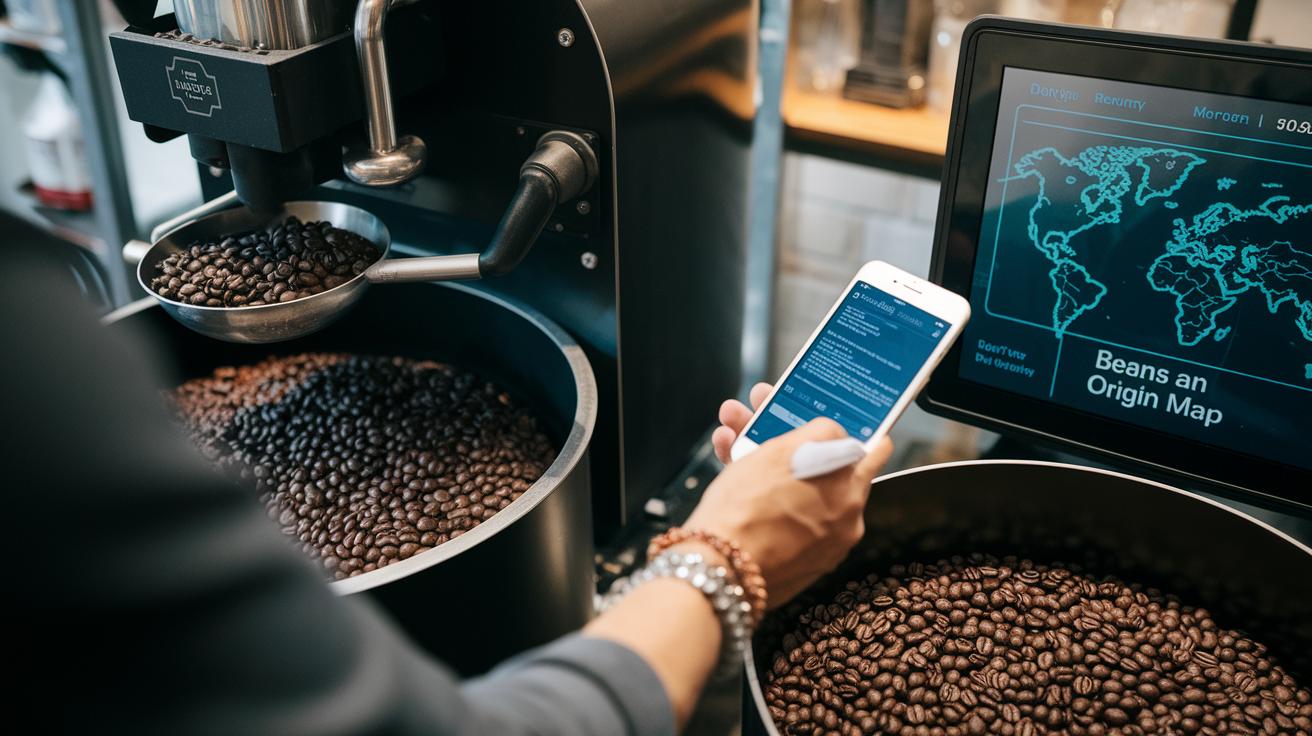
Blockchain traceability works like a digital diary that never forgets a single detail about your coffee. Every roast gets its own unchangeable record that links all the key data, from the beans’ origin to the exact way they were roasted. Imagine a roaster checking a secure ledger that reveals the green coffee’s entire journey before it even hits your cup.
Automated batch tracking does the heavy lifting, too. It automatically records vital info like when the beans were harvested, where they come from, their moisture levels, and the specific roasting settings. Think of it like watching a live timer during a roast, so you know right away if that batch has its own unique twist while keeping the flavor consistent.
| Detail Captured | Description |
|---|---|
| Harvest Info | The date and conditions when the beans were picked |
| Moisture & Roast Parameters | Measurements and settings used during the roast |
| Bean Origin | The exact source of the beans |
By automating this process, the supply chain gets a whole lot smoother, and errors are kept to a minimum. Each supplier’s beans earn a digital seal that follows them all the way from the farm to the roaster. That complete, clear record supports reliable sourcing from multiple suppliers and proves essential for artisan coffee that’s as unique as it is trustworthy.
Predictive Equipment Maintenance and Smart Roaster Control for Consistent Small-Batch Roasts
Digital systems record every detail of each roast cycle so that roasters can see tiny shifts in temperature or airflow that might otherwise slip by unnoticed. It’s like having a digital buddy that catches small changes early, guiding you to fix them before they cause any trouble.
IoT-enabled roasters add a whole new level of ease. You can monitor your equipment from anywhere, checking on your roast through a simple dashboard. And if something seems off, you can adjust the settings remotely with smart automation features. It’s a bit like having a remote control for your coffee gear, ensuring that every batch stays on track.
- Predictive logs flag tiny irregularities early.
- IoT controls let you make changes from afar.
- Smart systems keep your roasts consistent and reduce downtime.
Market research tells us that smart controls are becoming a major draw for investors. The global coffee roasting market is estimated to grow from $2.82 billion in 2024 to $4.31 billion by 2032. With technology like this, every small-batch roast is not only delicious but also dependable.
Case Studies: Smart Roaster Implementations and IoT-Enabled Coffee Production
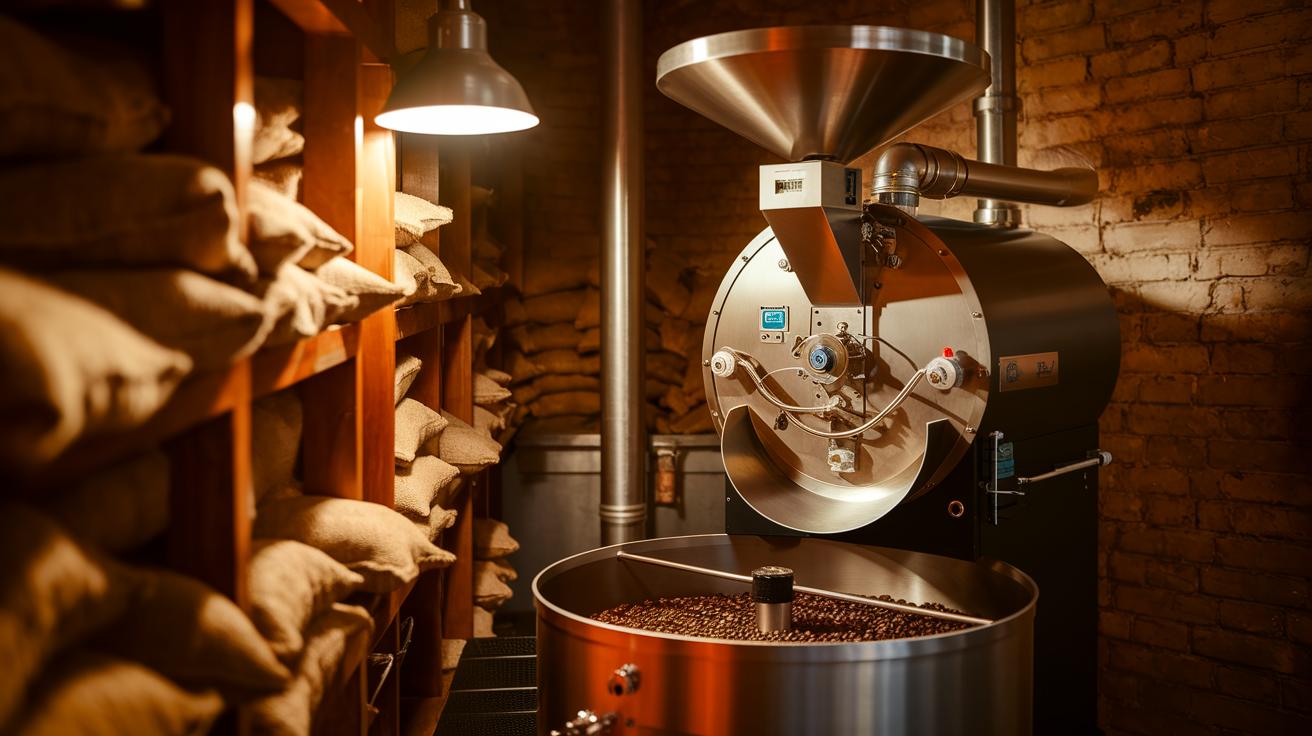
Imagine a scenario where Chinese manufacturers have introduced a new wave of small-batch roasters. These machines mix high-tech sensor arrays, little devices that check temperature and pressure, with performance tracking tools so you can see every small adjustment in real time. They even use IoT-enabled controls (that’s just a fancy way of saying “smart tech” that connects to the internet) to keep an eye on the process as it happens.
Take one example: a sensor-assisted roaster not only records every detail but also uses machine learning algorithms to interpret the data. In plain terms, the machine learns how to tweak the flavor and aroma just right. This means your artisan blend gets the perfect touch every time, keeping those unique flavors consistent with each batch.
Then there are producers like 787 Coffee’s Hacienda Iluminada who mix old-school charm with the latest digital tools. They stick to classic roasting techniques while using digital monitoring to track every bean’s story. Sensors feed live data into systems that compare the results to traditional flavor profiles, ensuring that each single-origin batch shines with its own character.
Even in places like Puerto Rico, New York, and Texas, smart roaster setups are making a buzz. At events like the V-60 Pour Over Workshops, friendly sessions share data-driven insights, offering a genuine peek behind the scenes. These case studies aren’t just about adjusting settings, they show a transparent, customizable process that honors both the art of traditional roasting and the precision of modern tech.
In the end, these smart implementations do more than keep flavor consistent. They build a bridge between cherished old techniques and innovative new methods, making every cup feel like a perfectly brewed moment shared among friends.
Final Words
In the action, advanced sensors and smart controls mix to craft every cup with care. Precision systems read real-time temperatures, while digital platforms share roast profiles and streamline batch tracking. This means each micro-batch hits the mark, offering rich, steady flavor and traceability from bean to cup. Using digital integration in small-batch artisan coffee production, every step builds on the last to deliver a freshly brewed cup that surprises and delights. Here's to ingenious tech turning daily coffee into a consistently perfected experience.
FAQ
How does digital integration strategy elevate small-batch artisan coffee production?
The digital integration strategy elevates coffee production by using technology like built-in thermocouples and digital platforms, which map heat curves and automate roast processes to achieve consistent, top-notch flavor.
How do sensor-based systems improve roast consistency?
Sensor-based systems improve roast consistency by using thermocouples and sensor arrays to provide real-time bean temperature data, enabling split-second adjustments that lessen the need for manual inspection.
How do software platforms support micro-batch digitization and quality analytics?
Software platforms support micro-batch digitization by mapping detailed roast curves, automating roasting steps, and keeping digital records, which bolster quality controls and profile-sharing among producers.
How does blockchain traceability benefit artisan coffee supply chains?
Blockchain traceability benefits the supply chain by digitally recording every roast, linking detailed quality data to bean origins and improving the overall data integrity of the production process.
How does predictive equipment maintenance ensure consistent small-batch roasts?
Predictive equipment maintenance ensures consistency by logging roast cycle variables, spotting temperature or airflow anomalies early, and enabling remote monitoring to reduce unplanned downtime.
How are IoT-enabled roasters applied in artisan coffee production?
IoT-enabled roasters are applied in artisan production by allowing remote adjustments and smart controls, which have been successfully used in operations like Hacienda Iluminada for tailored, precise roasting.