

Ever wondered why your espresso sometimes seems a bit off? Digital espresso extraction lets you take control of every brew. Tiny computers work with smart sensors (they check things like pressure, flow, and temperature) so that every shot turns out just right.
This guide walks you through setting up your system and tuning every small detail. Soon, you'll experience how science and art blend together to create your perfect cup.
Digital Espresso Extraction: Foundations of Precision Control
Digital espresso extraction blends tiny computers and built-in sensors to manage pressure, flow, and temperature with amazing accuracy. It’s like having a secret recipe that makes sure every espresso shot comes out perfect. These smart systems usually use a 9 bar pressure baseline and adjust settings in real time. Ever heard that high-end machines
Setting Up Your Digital Espresso System for Precision Control
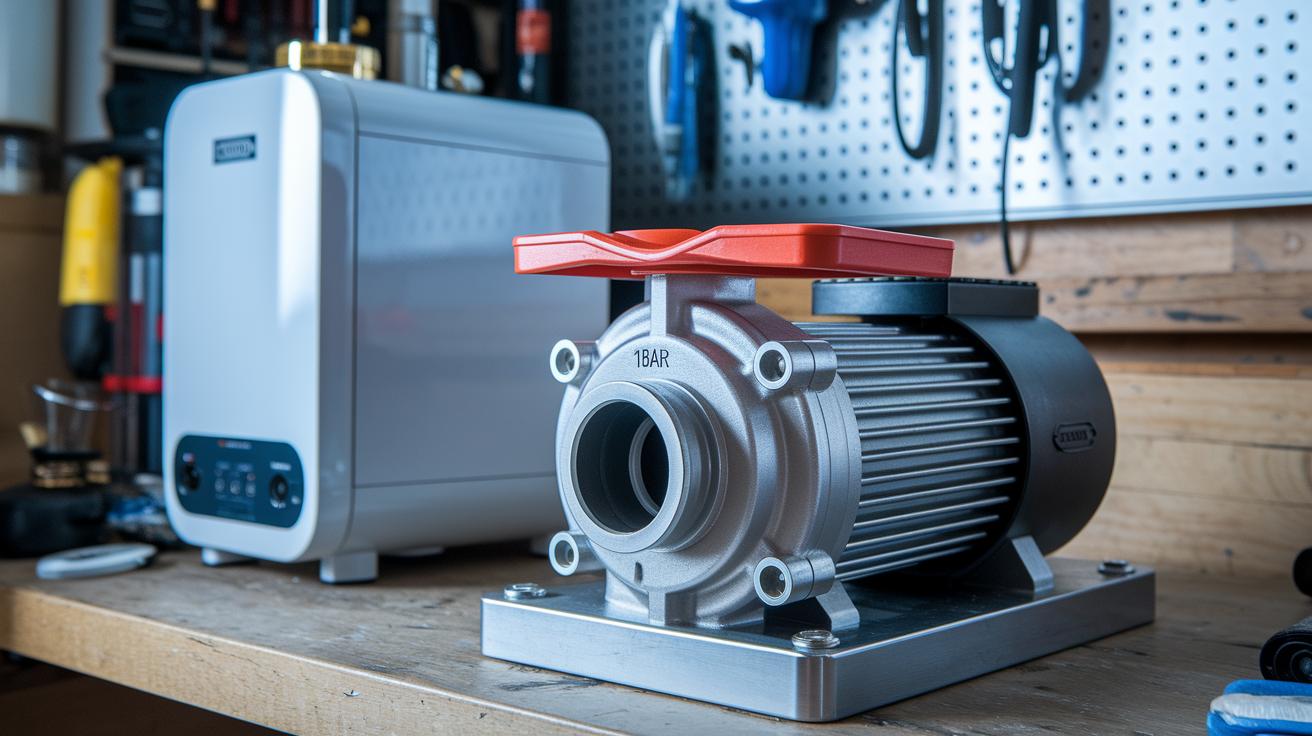
First, install the main hardware. You’ll need a 15-bar rotary pump paired with a PID-controlled boiler. The boiler keeps your water at just the right temperature, kind of like having your personal coffee thermostat. This pump and boiler combo works with smart sensors, pressure transducers show small changes in pressure, flow meters track how fast the water moves, and thermocouples check the heat. They offer very precise readings: about ±0.1 bar for pressure, ±0.2 grams per second for flow, and ±0.5 °C for temperature. A microprocessor board gathers all these details 10 times each second, making sure your setup can quickly respond to any changes during brewing.
Next, pick out and position your sensors carefully. Choose high-precision sensors that catch every subtle detail of each shot. Place the pressure sensors right near the group head, where all the brewing action happens. Mount the flow meters on the water inlets to monitor the liquid’s pace, and secure the thermocouples inside the brew chamber to keep an eye on the temperature. A neat trick is positioning a thermocouple near the chamber wall, it gives readings that feel more true to life, much like you’d adjust your shot based on a helpful visual cue.
Finally, set up your control interface using either touchscreens or dials. Connect your system via USB or Bluetooth so you can view live, real-time data during your brew. This way, you can tweak your espresso recipes on the fly, like changing your music playlist to set the perfect coffee mood, ensuring every shot meets your high standards.
Calibrating Pressure Profiles for Digital Espresso Extraction
When it comes to pulling the perfect espresso shot, pressure profiling is the secret ingredient. It's all about adjusting the water pressure during different parts of the brew, starting with pre-infusion, ramping up, and finally during extraction, to bring out the ideal flavor and body. This careful method doesn't just influence how much coffee you get; it perfectly balances a punch of intensity with a smooth finish. Even tiny pressure tweaks, backed by smart flow measurement (basically tools that check how water moves), make each espresso a crafted work of art.
Manual Pressure Profiling
Manual pressure profiling lets you get hands-on with your espresso machine. Using lever-operated gear, you control the water pressure yourself. Imagine tweaking the lever in the middle of a shot as you watch the espresso flow, it's almost like adjusting a favorite recipe in real time. With an accuracy of about ±0.5 bar, this method is perfect if you love the feel of each small change and want to experiment with pressure on the fly.
Computer-Controlled Pressure Profiling
On the flip side, computer-controlled pressure profiling brings in automated precision with smart software to guide the process. Machines like the La Marzocco Strada EP and Decent DE1 use sensors (tiny devices that keep an eye on the water's flow and pressure) to adjust things in real time. This setup follows a repeatable pressure curve with an accuracy of roughly ±0.1 bar, which means fewer mistakes and consistent results. It’s a great choice for busy cafes where every shot needs to be just right.
| Profiling Method | Pressure Range (bar) | Accuracy | Best Use Case |
|---|---|---|---|
| Manual Pressure Profiling | Variable around standard 9 bar | ±0.5 bar | Hands-on adjustments and experimental shots |
| Computer-Controlled Pressure Profiling | Consistent curve settings | ±0.1 bar | High-volume environments and recipe repeatability |
Integrating Sensors and Software for Real-Time Monitoring
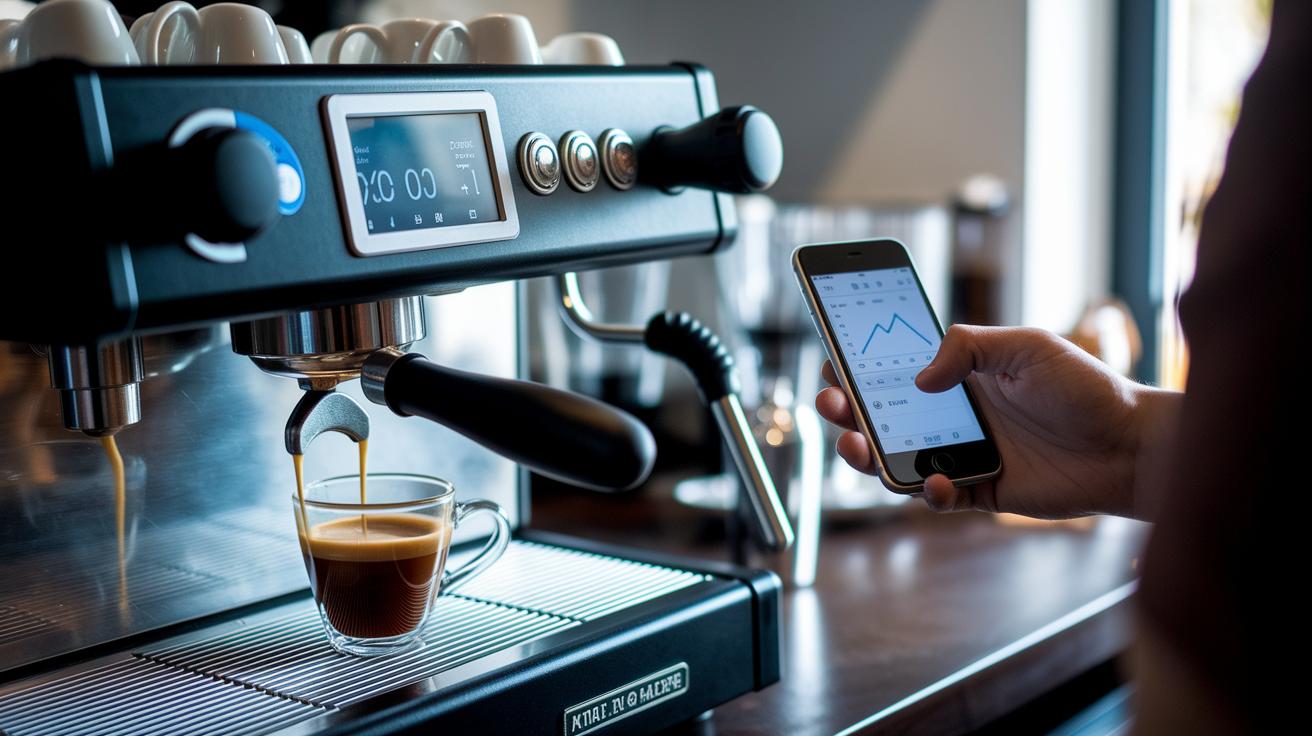
Our system uses really accurate sensors to capture key details during your espresso extraction. We already went over how to set them up, so let’s chat about how they fine-tune your brew.
We gather data 10 times a second so even the tiniest change during extraction gets noticed. To keep the readings clear, we use simple digital filters like low-pass filtering and a moving average. Think of it like taking several snapshots and blending them into one crisp picture.
After that, the raw data is smoothed out through something we call signal conditioning. It works a lot like calibrating a scale before you measure your ingredients, making sure every little change is picked up for quick, precise adjustments.
Once the data is refined, it's sent to a user-friendly dashboard. This live display shows real-time pressure, flow, and temperature, connecting via USB or Wi-Fi so you can easily see exactly how your brew is doing.
Optimizing Extraction Parameters: Dose, Grind, and Temperature Control
First, decide on your coffee dose and final yield. A great starting point is measuring 18 grams of coffee to hit that classic 1:2 ratio, one part coffee to two parts brew, giving you about 36 grams in roughly 25 to 30 seconds. A slight change in the dose can tweak your espresso’s strength and how fast it pulls. Using a reliable coffee scale keeps you on track while you experiment to taste what different beans bring to the cup.
Next, make sure your grind is even and well-distributed. A consistent grind helps water flow smoothly through the coffee bed. Aim to keep your particle size variance within about 20 micrometers. This evenness helps avoid any parts of the coffee from being over or under-extracted, which can otherwise bring out harsh or weak flavors. Calibrating your grinder and practicing a good tamp technique go a long way toward a balanced brew.
Finally, keep your water temperature in check with a PID control system. Staying between 92 and 96 degrees Celsius helps the coffee dissolve its flavors just right. A PID-regulated boiler adjusts the temperature all through the extraction, ensuring consistency. This steady heat unlocks the rich, natural sweetness of the coffee oils, so each cup ends up perfectly satisfying.
Logging and Analyzing Data for Extraction Refinement
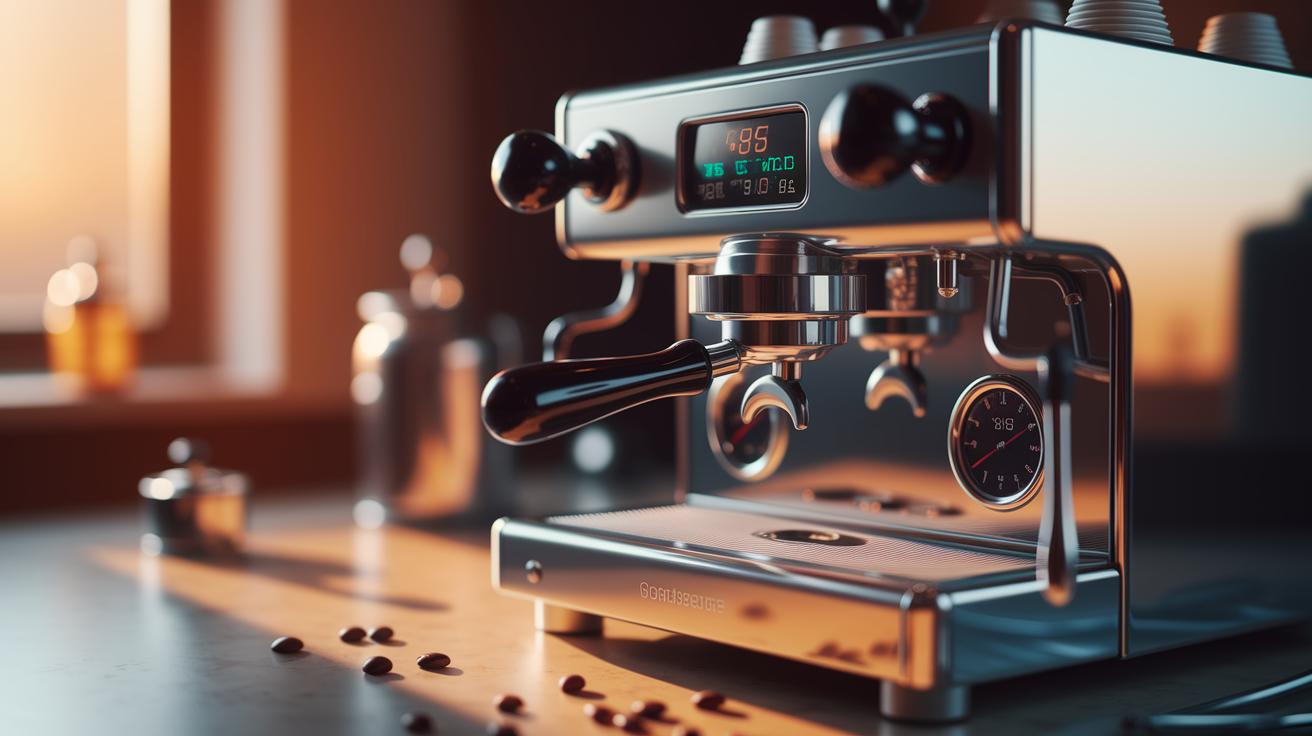
Digital espresso systems capture every second of your brew’s journey by logging pressure, flow, and temperature at a brisk 10 times per second. This quick-fire data collection helps you calculate key details like infusion slope, shot yield, and extraction ratio. Imagine watching each tiny change during your espresso shot, with every data point adding a note to a flavorful melody. A simple setup makes sure you catch the full story of your extraction, almost like snapping a series of detailed photographs that reveal your brew’s unique nuances.
Next, it’s all about crunching those numbers. By measuring averages and standard deviations over several shots, you can easily spot the consistency and pick up on even the smallest hiccups. Trend lines and overlay charts come in handy here, clearly showing when a shot starts to stray from your expected flavor path. This method turns raw numbers into real, actionable insights that you can trust.
Finally, use these smart insights to fine-tune your espresso recipe. Regularly reviewing and comparing your shots lets you adjust things like the dose, extraction time, or temperature. Over time, this approach leads you to an espresso profile that’s just right for your taste. It’s where precise data meets the art of coffee making, crafting a blend that’s both scientifically sound and soulfully satisfying.
Troubleshooting and Advanced Tips for Consistent Digital Espresso Precision
When something feels off with your digital espresso setup, start by checking for the usual signs. If the pressure readings seem irregular or the flow is uneven, it could mean the pump is wearing out or the puck isn’t evenly packed. Imagine pulling a shot and noticing a sudden dip in pressure that throws off your flow, that’s often a sign of a little pump trouble. Paying attention to these details lets you tweak your process to keep that extraction smooth.
It also helps to keep your sensors in check so they don’t drift or give faulty readings. Make sure to check them regularly, and after about 100 shots, consider recalibrating to stay on target. Routine tasks like backflushing and inspecting the group gasket keep both your sensors and connected parts running smoothly. These simple steps help ensure you’re logging the right pressure, flow, and temperature data, which makes for a consistent cup every time.
For a long-lasting, reliable system, schedule regular automation tests. Running a weekly test helps confirm that your pressure settings and overall performance are right on track. At the same time, a monthly recalibration of your sensors can be a real lifesaver. With these proactive steps, along with regular pump maintenance and cleaning, your digital espresso machine is set to perform perfectly shot after shot.
Final Words
In the action of brewing perfection, we explored digital espresso extraction techniques that transform every cup through smart control. We broke down sensor integration, calibrated pressure profiles, and set up real-time monitoring for that spot-on extraction. Each section built a clear picture of how every setting, from dose adjustments to troubleshooting, contributes to a flawless brewing process.
Keep experimenting and refining your setup with our digital espresso extraction guide: mastering precision control. Happy brewing!
FAQ
What does a digital espresso extraction guide/manual include?
The digital espresso extraction guide covers precision control instructions. It explains how microprocessors and sensors manage water pressure, flow, and temperature for a consistent, high-quality shot.
What does an espresso shot guide provide?
The espresso shot guide provides step-by-step instructions that cover dose, timing, and brewing settings. This helps you achieve a balanced and rich flavor in every cup.
How do you adjust an espresso shot?
Adjusting an espresso shot means tweaking the dose, grind size, and extraction time. These small changes help refine the balance between coffee strength and flavor.
How do you determine grind size for espresso and how does it affect taste?
Determining grind size usually involves trial and error for consistency; a finer grind boosts intensity, while a coarser grind creates a milder flavor, both influencing the overall extraction taste.
What is Barista Hustle extraction?
Barista Hustle extraction refers to practical, hands-on methods that improve extraction using balanced adjustments in grind, tamp, and shot timing, helping baristas achieve consistent flavor.
What happens when espresso is underdosed?
Underdosing espresso leads to a weak flavor and uneven extraction. With less coffee in the puck, you miss out on balancing the extraction process for a fully developed taste.