

Ever wonder why your coffee at home never quite matches that perfect barista brew? Digital temperature control works like a trusty friend, keeping your water just right while it brews. It uses smart sensors, little devices that check the temperature, to hold the water between 195°F and 205°F, ensuring the flavors stay true. That means every cup overflows with the rich taste you love. With these controls, you don’t have to guess; you just enjoy smooth, balanced coffee that brings out the best in every bean.
Digital Temperature Control and Artisan Coffee Flavor Consistency
When it comes to coffee, temperature really makes all the difference. You know how a perfect cup of joe depends on a balance of oils, acids, and sugars? Well, when hot water meets ground coffee, it kicks off a chemical dance that brings out all those special flavors. Keeping the water at a steady, precise heat means your coffee will always show off its true character. Even tiny temperature shifts can throw the flavor off, making one cup seem a bit off balance.
For the best extraction, you want your water to stay between 195°F and 205°F. If it dips below 195°F, it won't pull enough flavor from your coffee, leaving it weak and a little lifeless. On the flip side, if the temperature tops 205°F, you might end up with a bitter, overdone brew. And don’t forget about altitude, up high, water boils at a slightly lower temperature (about 2°F less for every 1,000 feet), so you might need to tweak things a bit to get that perfect taste.
- Locks in the perfect extraction temperature
- Stops both under- and over-extraction
- Delivers a consistently balanced flavor in every cup
Digital controls take all the guesswork out of the mix. These systems use smart sensors, tiny devices that check water temperature, and advanced controllers to make tiny adjustments as needed. In plain terms, it means your coffee maker is always keeping an eye on the temperature and tweaking the heat so your water stays right where it needs to be. The result? Every brew is smooth and consistent, letting you enjoy the rich, rounded flavor that each bean was meant to offer.
Comparing Digital vs Traditional Temperature Methods in Artisan Coffee Brewing
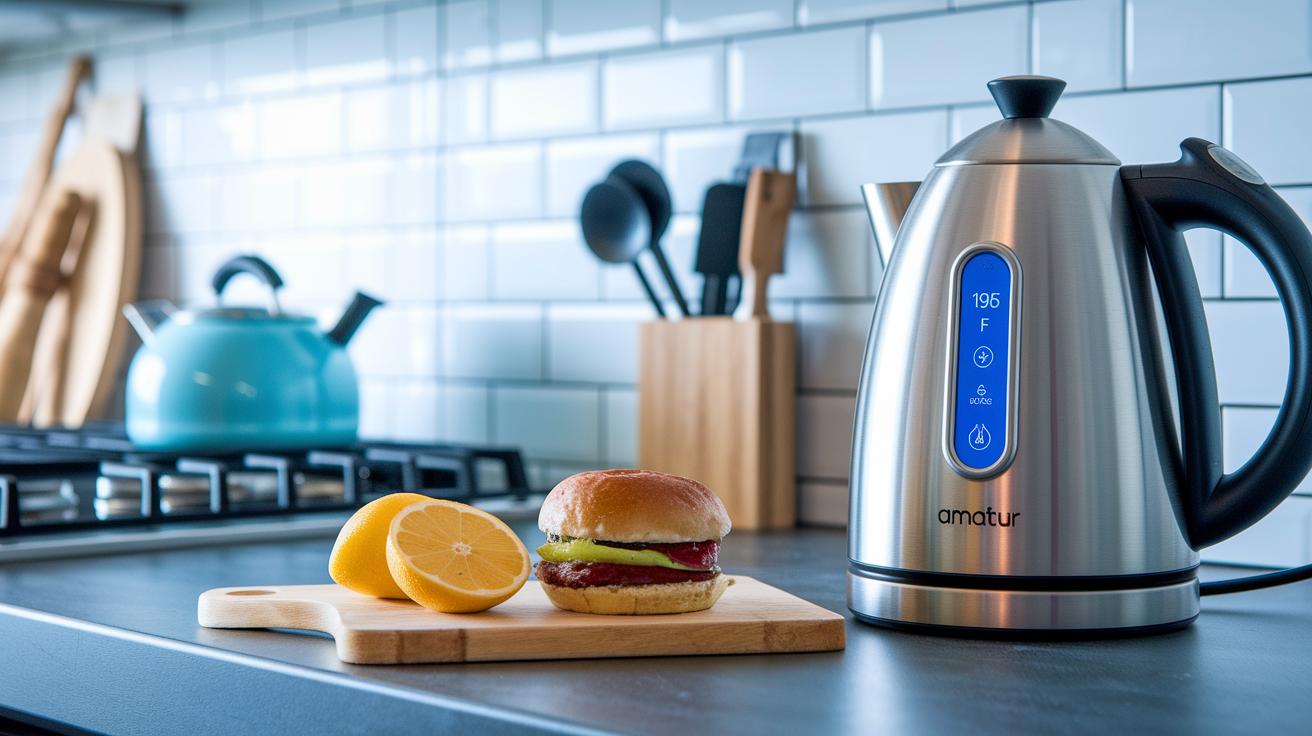
Digital temperature control makes our lives easier by keeping water near the perfect temperature every time. Traditional kettles rely on the barista's instincts to know when the water is hot enough, which can lead to temperatures wandering outside the 195°F to 205°F range, meaning you might miss out on those rich flavors. Meanwhile, digital systems use smart sensors and PID controllers (tech that keeps settings super stable) to lock in the temperature within just 1°F of the target. This steady heat extraction cuts down on errors and brings a bit of high-tech magic into everyday coffee-making.
Comparing the two, it’s clear that digital controls cut down on the guessing game around grind size and water temperature. Fewer tweaks mean the brewing process becomes smoother and more reliable. These digital systems handle all the science, so you can simply focus on enjoying your perfectly brewed cup. That simple precision makes digital methods a top choice for anyone who truly loves artisan coffee.
| Feature | Digital Control | Traditional Method |
|---|---|---|
| Temperature accuracy | Maintains within ±1°F of the ideal range | Prone to fluctuations outside 195°F–205°F |
| Stability during brew cycle | Consistent heat for even extraction | Variable heat leads to uneven extraction |
| User intervention required | Minimal adjustments needed | Heavy reliance on user judgment |
| Relative cost and maintenance | Higher initial cost but lower long-term error costs | Cheaper upfront but may lead to inconsistent brews and waste |
Optimizing Flavor Development with Precise Digital Temperature Management
When you use digital control in brewing, it pulls out the perfect mix of oils, acids, and sugars that give your coffee its unique flavor. Even tiny shifts in temperature can change the taste, making your brew less balanced.
Try these tips next time you brew to hit that perfect flavor fix:
- Check your digital kettle’s settings before each session.
- Warm up your equipment to the right temperature.
- Use filtered water that has a steady pH and hardness.
- Remember to tweak your settings if you're brewing at a high altitude.
Advanced Digital Temperature Control Systems in Artisan Coffee Equipment
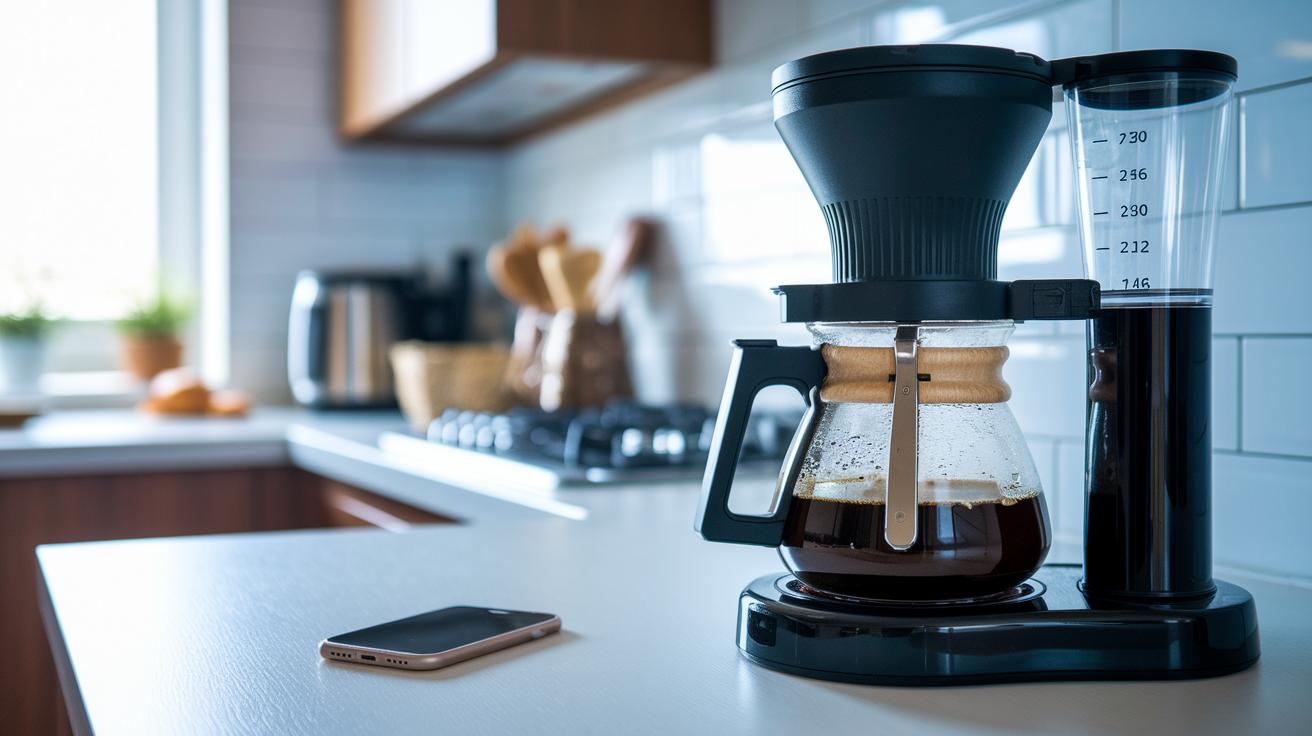
Imagine a coffee maker that uses modern tech to get your cup just right every time. These systems mix smart sensors and top-notch parts to keep the water at just the right heat, so every drop of flavor shows through. They respond quickly to changes, making sure your brew is consistently amazing.
The machines use special sensors like Type-K thermocouples and RTD sensors. These handy tools measure temperature with a tiny error of only about half a degree Fahrenheit, which means a near-perfect reading every time. They are placed right next to the heating parts to catch the exact moment when water and coffee meet, so the heat stays on point.
Inside, there’s a smart control system that works like a team. It uses PID control algorithms, a set of rules that adjust the heating on the fly. Even if there is a small change in temperature, the system makes quick fixes. This steady feedback loop keeps the water right in the perfect range for drawing out all the rich flavors from your coffee.
Quick-heating elements and smart parts called actuators make this all work smoothly. They are built to heat up fast and hold up under constant use. Because they react in a flash, there’s almost no delay in reaching or maintaining that ideal temperature. All these thoughtful elements work together to keep the coffee brewing process consistent from start to finish, ensuring every cup is just as delightful as the last.
Case Studies: Artisan Brewers with Digital Temperature Control Features
Choosing the right coffee gear is key to making a great cup every time. When your coffee maker has digital controls, it holds the temperature just right, so each brew brings out the very best flavors. That steady heat helps the coffee open up its deep, balanced taste, turning every cup into a little work of art.
-
Technivorm Moccamaster – This machine uses a digital thermostat to keep water around 200°F (about 93°C) with just a tiny error of plus or minus 2°F. Its simple design makes setup and brewing a breeze.
-
Breville Precision Brewer – With programmable temperature settings and a system that sticks within 1°F of your target, this brewer offers several modes to suit different types of beans. It adjusts perfectly to highlight each bean’s unique flavor.
-
Bonavita Variable Temp Kettle – Made for pour-over fans, this kettle keeps its temperature steady within just a 1°F range. It combines easy-to-use simplicity with the precise control needed for a perfectly balanced cup.
Whether you’re a home coffee lover or a seasoned barista, these machines show how digital temperature control can take your brewing game to the next level. With accurate, steady heat, they remove the guesswork and keep things consistent. Every bean gets its moment to shine, ensuring that, whether you’re brewing for a small group or a busy café, your coffee always tastes amazing.
Practical Implementation of Digital Temperature Control in Artisan Coffee Brewing
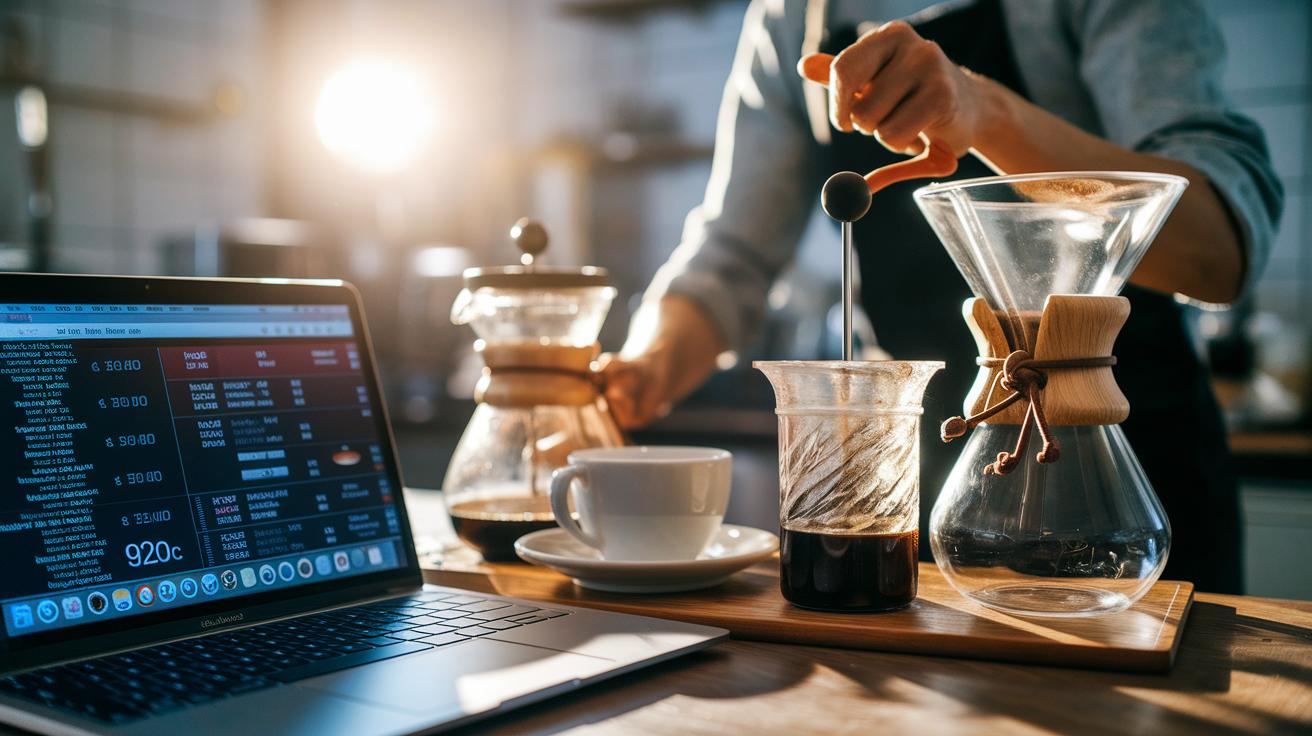
Start by getting your gear ready in a careful, step-by-step way. Warm up your French press, Chemex, or any brew container, and check your sensors before you start. This simple routine helps ensure every drop of water is the right warm temperature. For example, you might say, "Warm your brewing tool so every drop stays perfectly warm." A quick look with a digital thermometer makes sure your kettle is on point. This preparation brings out the best flavor and stops any sudden temperature dips.
Next, take a moment to manage your digital settings. Save and load special temperature profiles for each type of roast so you can easily switch between setups, like choosing your favorite blend. Make sure to clean and descale your heating parts often to keep them running smoothly. These little checks mean fewer surprises on busy mornings. Consider these easy tips:
- Store personalized temperature settings for each roast.
- Clean and descale heating parts frequently.
- Check the readings with a digital thermometer before each brew.
Final Words
In the action, this post unraveled how digital temperature control guides your brew from start to finish. We talked about setting that ideal range, real-life examples, and practical tips that can make every cup shine.
Each element underscores the benefits of digital temperature control in artisan coffee brewing. Enjoy the seamless blend of smart tech and classic taste as you savor that perfect cup every time.
FAQ
What are the benefits of digital temperature control in artisan coffee brewing?
The benefits of digital temperature control in artisan coffee brewing include maintaining a steady water temperature, preventing both under- and over-extraction, and delivering a uniform flavor with every brew.
What temperature should I set my coffee roaster to?
The ideal roaster temperature typically ranges between 400°F and 450°F. This range helps achieve varied roast levels while ensuring beans roast evenly for a balanced flavor profile.
What is the function of a coffee roaster machine?
The function of a coffee roaster machine is to evenly heat coffee beans, which develops the flavors and aromas needed for a balanced cup. It keeps a controlled temperature to ensure each roast is consistent.