

Ever wonder if your coffee break could have a little magic? Picture yourself in your favorite café where digital images come to life as you order your drink. Augmented reality, cool tech that adds extra visuals, brings interactive menus and fun digital tours that share your brew's story. This neat twist turns a simple visit into an experience you'll remember.
Augmented Reality in Coffee Shops: Transforming In-Store Customer Engagement
Augmented reality, or AR, is a neat tool that adds digital images, videos, or even 3D models to what you see in real life. It’s not a whole new virtual world, but simply a fun extra layer on top of your everyday view. Imagine walking into your favorite coffee shop and having cool visuals pop up as you sip your brew, it’s like the shop comes alive with stories and colors.
In many cafés, AR shows up as digital menus and interactive screens. These let you take a quick visual tour of where the beans come from and learn little tidbits about the coffee you love. This creative twist not only makes ordering faster but also turns a regular visit into a mini-adventure.
Big names like Breville, La Marzocco, and Gaggia are already embracing AR to highlight their machines’ best features. Early efforts had a few bumps along the way, but with exciting new tech like Apple’s upcoming mixed-reality glasses, things are set to get even more engaging. This blend of real-life charm and digital storytelling is changing the way we experience our coffee break.
Key AR Use Cases in Coffee Shop Experiences
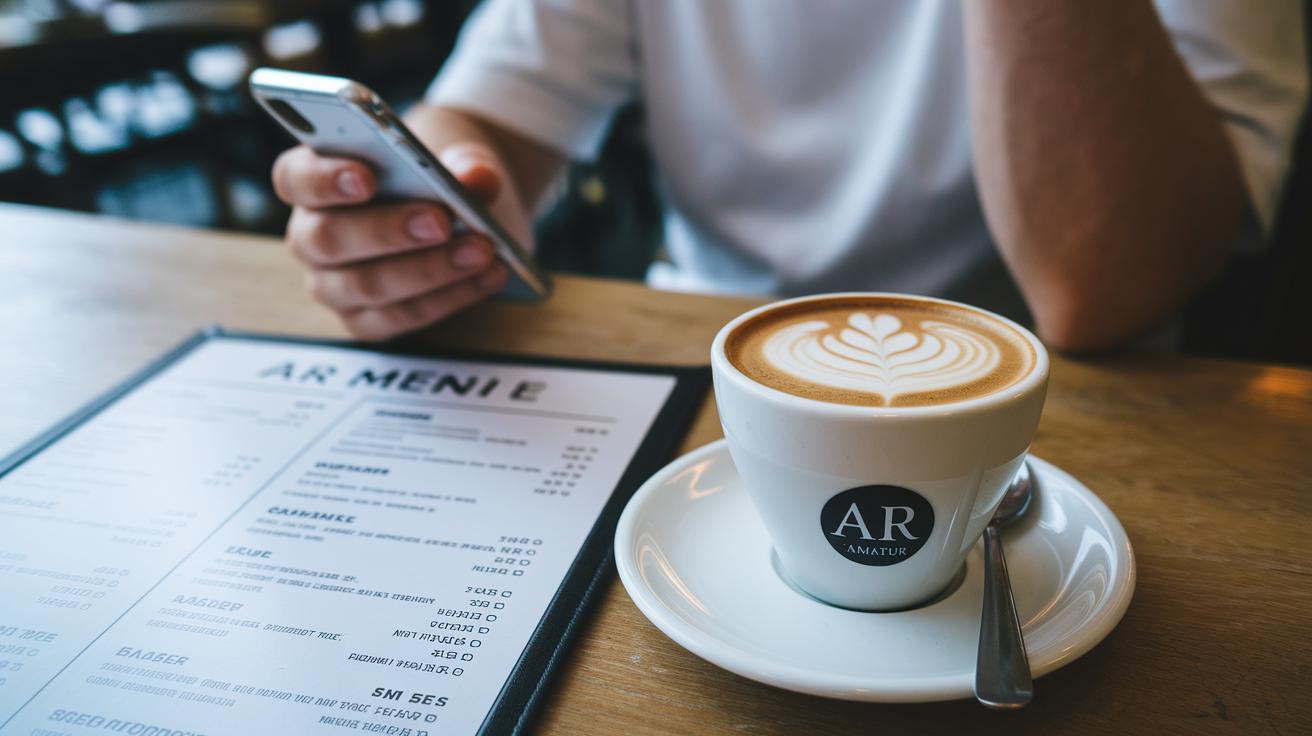
AR brings a whole new twist to enjoying your coffee by mixing digital fun with the familiar charm of your local café. It layers digital touches over your regular visit, offering cool virtual menus, interactive games, and even tours that show you the journey from farm to cup. These digital features add a lively spark to your classic coffee run and invite you to explore as you go.
- Virtual menus show 3D images of drinks with clear nutritional info, letting you see your order before it arrives.
- Interactive branding turns ordering into fun moments with simple AR games, filters, and rewards that help you feel closer to the brand.
- Immersive origin tours use graphics and clickable spots to tell the story behind your beans, from the farm right to your cup.
Each AR feature makes your café visit smoother and more enjoyable. It speeds up ordering, deepens the coffee story, and gives your break a fresh, modern feel that’s just as inviting as your favorite brew.
Technical Requirements for Implementing AR in Coffee Shops
Hardware Requirements
Coffee shops aiming to add AR need common devices like smartphones, tablets, and even upcoming mixed-reality headsets (think Apple’s new glasses). These gadgets come with cameras that work well in dim light and stay connected with a steady Wi-Fi or mobile data connection. In simple terms, they are like trusty baristas that lay digital art on top of everyday views, turning a regular day into something a bit more magical.
Software Platforms
On the software side, tools like ARKit for iPhone and ARCore for Android help bring digital images into the real world through your screen. Adobe Aero lets creators whip up AR ideas fast, while the Unity engine builds rich, 3D visuals for an engaging experience. Imagine mixing your favorite coffee blend with a touch of modern art, this dynamic duo of software gives every café a modern vibe without losing that warm, familiar charm.
Integration Steps
Linking AR into a coffee shop means mixing digital overlays with everyday order systems and stock management. These AR tools work hand-in-hand with point-of-sale systems, ensuring that menus and special offers update right away, much like a quick shot of espresso that wakes you up. Plus, by tracking which visuals catch your eye, shops can understand what you love best. This blend of digital and real-world systems creates a lively, interactive vibe that makes every visit feel a little more like an experience.
Real-World AR Case Studies in Coffee Shops

BeanBurds in the UAE offers an interactive canvas that truly lights up your local coffee hangout. Their AR coffee app, created with Adobe Dimension and Aero (tools used to design digital art), lets customers mix and match their own unique coffee blends. By adding playful digital elements to your usual order, a quick coffee stop turns into a one-of-a-kind experience.
Breville has a fun, simulated interface that brings the roasting area to life. Their AR demos appear right on in-store screens, letting you see exactly how each part of their precision machines works. It’s like having a backstage pass to the brewing process, making it all clear and engaging.
La Marzocco and Gaggia have hit the mark by blending AR manuals with storytelling overlays, transforming coffee shops into interactive classrooms. These digital guides show both baristas and coffee fans the journey of every bean, from where it came from to the art of brewing it just right. This creative approach builds trust and makes your coffee experience feel both personal and high-tech.
| Company | AR Application | Outcome |
|---|---|---|
| BeanBurds | Customizable AR coffee app | Engaging, shareable coffee experiences |
| Breville | AR product demos on store displays | Enhanced product insights and interactivity |
| La Marzocco & Gaggia | AR manuals and storytelling overlays | Interactive learning for baristas and customers |
Evaluating Benefits and Challenges of AR Adoption in Coffee Shops
Coffee shops using augmented reality (AR), a tech that blends digital images with the real world, can offer some pretty cool perks. Imagine a digital menu that pops up right when you order, cutting down wait times and letting you see your options in a fun, interactive way. It turns a simple coffee run into a mini adventure, where you can learn about bean origins or get handy brewing tips. Even a playful digital doodle on the counter can add a touch of magic that makes your visit feel extra special.
That said, there are a few bumps on the road too. For one, the upfront cost for the new equipment can be pretty steep, which might give smaller shops pause. Connecting these new systems to the current cash register setup isn’t always smooth, and the team needs time to get comfortable with the tech. Plus, a reliable internet connection is key, any hitch in the network might interrupt the interactive fun. Balancing these challenges while keeping the customer experience warm and inviting can take some careful planning.
Future Trends of AR in Coffee Shop Experiences
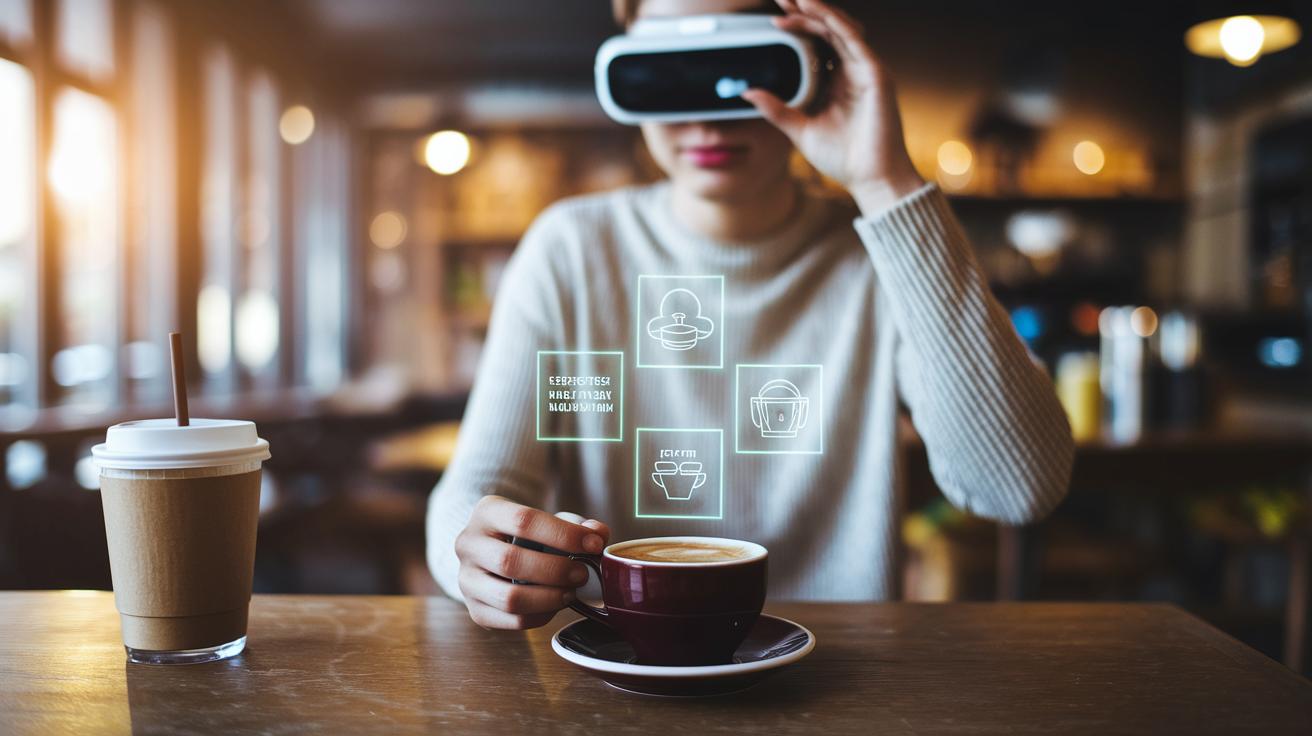
Imagine stepping into a coffee shop where cool digital graphics pop up as you sip your favorite brew. With the latest AR tech, like Apple’s new mixed-reality glasses that mix real sights with digital fun, you can see animations and helpful hints right in front of your eyes. It's like having a friend whisper special deals your way while you enjoy that comforting aroma of roasted coffee.
Soon, smart AR powered by computer intelligence will serve up personalized offers, much like your regular barista who remembers exactly how you like your coffee. You'll get fun, interactive suggestions, sometimes even a mini-game, just when you need a little extra spark in your day.
And it gets better. Loyalty programs will use AR to make your café visits even more engaging. As you stroll around, your device might point out rewards or invite you on quick challenges, almost like a treasure hunt among the espresso machines. With tech getting simpler and more affordable, we might see these cool features in every coffee shop by 2025, making each visit a unique and interactive experience.
Final Words
In the action, we explored how AR adds a creative twist to coffee shop settings. We touched on real-world examples, essential tech needs, and practical applications that boost customer engagement. The discussion balanced benefits with challenges while offering concrete steps for tech adoption.
Innovative augmented reality applications in coffee shop experiences are transforming how we enjoy our brew. The future looks bright for tech and taste working together, making every cup a chance to experience something new.
FAQ
What are augmented reality applications in coffee shop experiences pdf?
The AR coffee shop PDF explains how digital overlays, such as interactive menus and origin tours, enhance in-store visits. It details how tech adds engaging, on-site elements to boost customer interaction.
What are augmented reality applications in coffee shop experiences examples?
The AR examples in coffee shops show the use of virtual menus and digital storytelling to create immersive experiences. These applications help customers explore coffee details like bean origins and brewing techniques.
What were the augmented reality applications in coffee shop experiences in 2022?
In 2022, AR in coffee shops focused on interactive menus and in-store product demonstrations. It introduced dynamic digital layers that offer engaging details about coffee selections and brand stories.
What were the augmented reality applications in coffee shop experiences in 2021?
During 2021, AR in coffee shops centered on digital overlays for menus and product info. These experiences allowed patrons to explore coffee origins and equipment features via engaging visuals.
What are Starbucks augmented reality initiatives?
Starbucks’ AR projects use digital layers within their stores to deliver interactive displays. These initiatives let customers learn about coffee origins and flavor profiles in an engaging, tech-enhanced setting.
What kind of AR apps are used in restaurants?
AR apps in dining settings feature digital menus and interactive ordering tools. They overlay virtual elements on real tables, helping guests visualize dishes and explore detailed presentations of ingredients.
How does Coca-Cola use augmented reality?
Coca-Cola uses AR to create interactive campaigns in retail spaces. Their apps overlay engaging digital content on packaging or displays, inviting consumers to explore fun, brand-related stories.
How does Zara use augmented reality?
Zara integrates AR to refresh the shopping experience by adding digital lookbooks and style features in-store. This approach allows customers to view outfit ideas and style tips with a modern twist.
How does augmented reality enhance user experiences in retail?
Augmented reality enhances retail by overlaying digital layers onto physical spaces. This gives shoppers dynamic product information and interactive visuals that make the shopping experience more engaging.