

Ever notice your coffee sometimes just isn’t right, even when you follow every step? Now smart scales can show you exactly how your water flows as it meets your coffee grounds. They display numbers like 3.6 grams per second, which is a simple way to see how water blends with your coffee. This lets you tweak your pour in real time to keep your brew smooth and full of flavor.
Think of it like having a friend in your kitchen who points out little details you might miss. Each second of water flow matters, just like a perfectly timed pour can make or break your cup. So why not let a bit of science help you savor that ultimate coffee experience?
Utilizing Digital Water Flow Metrics for Balanced Coffee Extraction
Smart scales today work in real time to show you how fast water flows over your coffee. You might see a reading like "3.6 g/s," which tells you if the water is spreading evenly over the coffee grounds. Imagine you're making a pour-over with 15 grams of coffee and 250 grams of water. By checking these numbers, you can adjust how fast you pour to keep the coffee soaking evenly.
Espresso machines do something similar but use a different unit, they report flow in grams per 30 seconds. Most commercial machines work between 250 and 500 g/30s, though for perfect extraction, the magic number is usually between 200 and 280 g/30s. If the flow is too low or too high, some spots of the coffee puck might get too much water while others get too little. Small tweaks like changing the pump pressure or adding a flow restrictor can help keep things balanced.
These flow metrics are measured every second as water meets coffee. The real-time numbers let you see what’s happening during the brew, so you can quickly tune your method if needed. It’s all about using these digital readings to keep each cup balanced and full of flavor, just like finding that perfect cup you crave every morning.
Fundamentals of Digital Flow Metric Analysis in Coffee Brewing
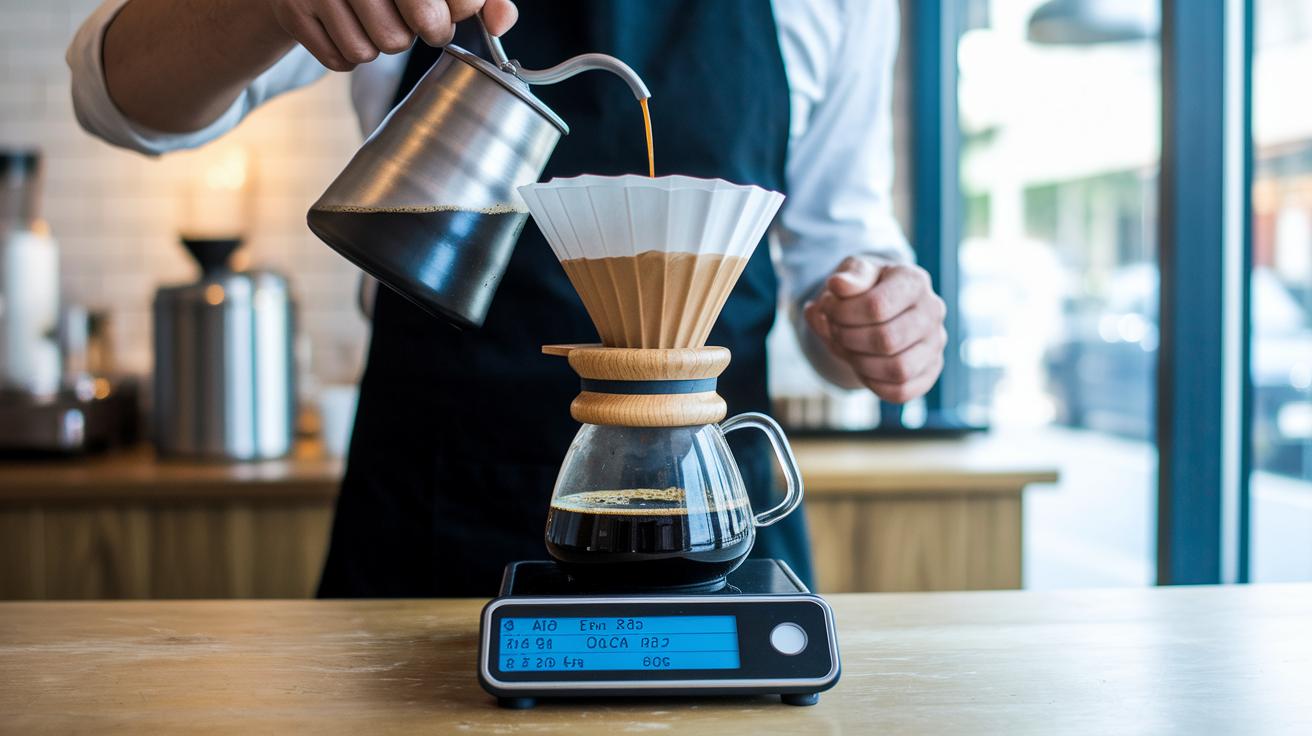
Digital flow metric analysis shows you exactly how water meets coffee grounds. It all begins at pre-infusion, where smart sensors track every drop until the main extraction. When you see a scale like the MANTABREW WeighMaster or Acaia, you’re checking out precise flow data for the whole brewing process. Extraction time kicks off the moment you start your pour-over or as soon as an espresso machine’s pump gets moving. Measured in seconds, this timer captures the precise transition of your brew from start to finish.
Real-time sensor analytics capture every change in water flow as it happens. You might see a clear numerical readout in grams per second or enjoy dynamic LED visuals that look like a mini art show of shifting waveforms. These displays offer detailed brewing metrics, pointing out exactly where an imbalance might sneak in.
Having this digital data in your hands is like having a knowledgeable tasting panel by your side. It helps you evaluate the balance of your coffee and make quick tweaks to your extraction. Try comparing different displays to see which one best guides you to brew that perfect cup every time.
Real-Time Sensor Water Tracking and Automated Flow Monitoring
Our sensor systems keep a close watch on water flow every single moment. They also include handy timer modes that you can start by hand or let kick in automatically when they sense a small weight change, like the very first drop landing. For example, one sensor picked up a tiny 0.2-second pause from a slight weight shift, then adjusted the pump pressure on the spot.
We mix in flow restrictors and slight pump pressure tweaks with these smart timers to measure water volumes just right. This clever blend cuts down on constant adjustments and focuses on fine-tuning the brewing process in a smooth, simple way.
The sensors also pay extra attention during the pre-infusion stage, keeping track of water flow to guide the release of CO₂. This careful control helps the coffee bed settle perfectly before the full extraction, ensuring every cup is balanced and delicious.
Calibration Techniques for Precision Flow Control Technology
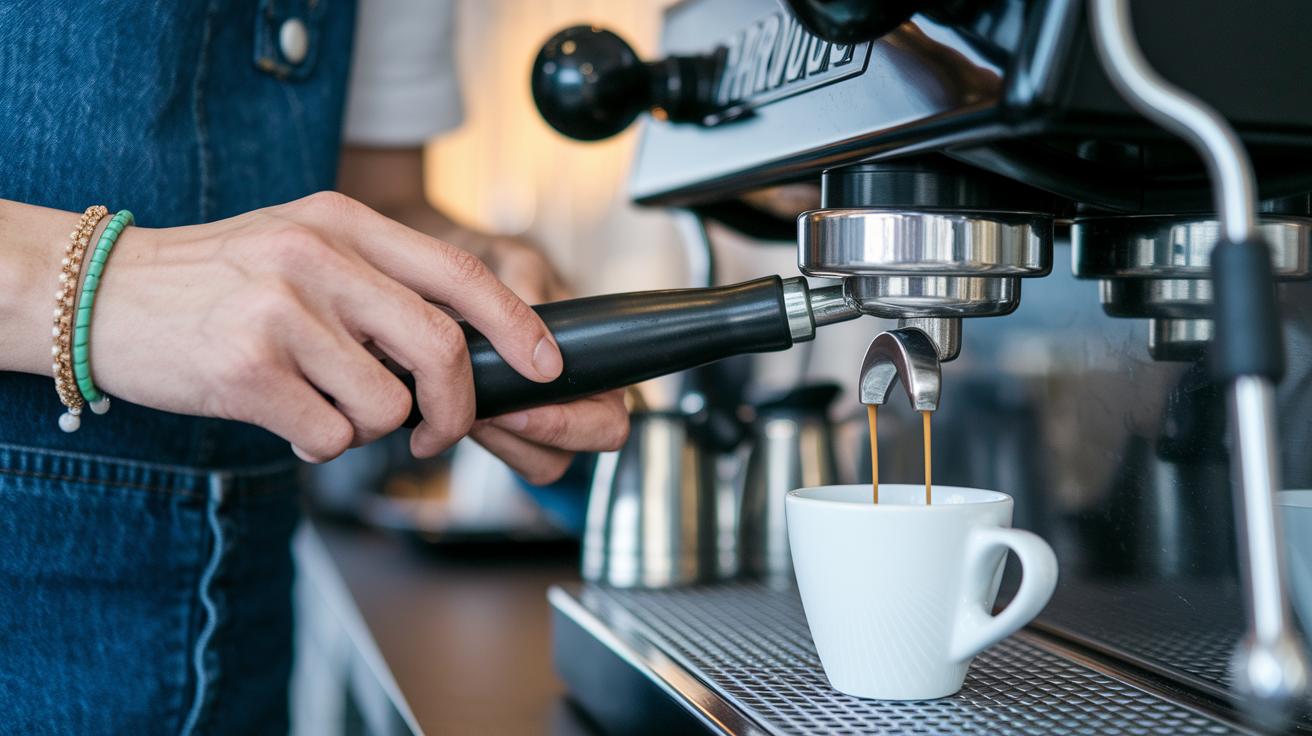
Begin by zeroing your scale. This resets your digital flow sensor to its starting point before any water touches the coffee. I remember zeroing my sensor for the first time, the numbers settled quickly and I knew everything was set for a smooth extraction.
Next, check the pump pressure. It’s important that your espresso machine or pour-over device keeps a steady pressure. Even small changes can alter the way water mixes with the coffee grounds, so a quick glance at the display can catch any drift.
Then, adjust your flow restrictor settings. Fine-tuning these settings helps balance the speed of the water during extraction. Many devices suggest making tiny adjustments until you find that perfect flow.
| Step | Description |
|---|---|
| Zeroing | Reset the sensor to its baseline before brewing |
| Pressure Check | Ensure the pump delivers steady water pressure |
| Flow Restrictor Adjustment | Tweak to balance the water flow evenly |
Calibration algorithms work to correct any sensor drift, which can happen due to shifts in temperature or humidity. Regular re-calibration, whether weekly or monthly, keeps your data accurate. Keeping a record of your baseline readings and adjustments builds a handy reference. For more details, you can always check out our step-by-step guide to sensor-calibrated coffee extraction.
Adjusting Brew Ratio and Flow Rate for Coffee Balance Optimization
The amount of coffee, your grind size, and even the puck’s resistance all mix together to set the basic flow rate during a brew. When you’re checking out your brew ratio, start with a common range like 1:16 or 1:18. This simple ratio helps you decide just how concentrated your coffee should be. For example, if you use a coarser grind or less coffee, the resistance drops, which can lower the pressure and leave your coffee under-extracted. But if you go for a finer grind or load more coffee in, the resistance goes up. That might force the pressure a bit too high and end up over-extracting your brew.
When you dive into tweaking your setup, it’s best to change one thing at a time. Try adjusting your dose first and watch how that shifts the flow rate and the time your coffee spends brewing. Keep a little notebook handy and jot down these small changes. With each tweak, you’ll start seeing how even tiny details make a big difference. It’s like getting to know your coffee better, one sip at a time.
Brew ratio isn’t just a number, it’s the heart of a well-balanced cup. Think of it like fine-tuning your favorite song until every note hits just right. Keep a close eye on your flow rate and use that as your guide to adjust things like pump pressure or grind size. Every little tweak brings you one step closer to that perfect extraction where every sip feels just right.
Data-Driven Extraction Optimization with Advanced Metrics

Today, making a great cup of coffee means keeping a close eye on every detail, like how fast the water flows and exactly how long the extraction takes. By recording each second, you start to notice patterns or even surprises from one batch to the next. Even a tiny extra second might be a hint that your grind or how you pack the coffee needs a little tweaking.
Custom water profiles let you capture your whole brewing journey. You'll see the initial moment when water first meets the grounds, then a smooth, steady flow, and finally a gentle decline that signals the end of extraction. This clear breakdown makes it easier to figure out which part of your brew could use a little fine-tuning for a more balanced cup.
With advanced trendline analysis on these curves, you can actually predict what needs to change for your next brew. By comparing different sessions, you get a clear picture of what adjustment, like the coffee dose, grind size, or flow settings, can bring out the best flavor. It’s all about using simple, solid data to boost your brewing game.
Step by step, these smart, data-driven insights help you refine your technique. With regular checks and small adjustments, you'll work towards that ideal balance of taste and consistency in every single cup.
Final Words
In the action, we explored how real-time sensor data creates consistent extraction in every brew. We looked at sensor water tracking, calibration steps, and fine-tuning brew ratios to control extraction balance. By examining digital readings and iterative adjustments, brewers can nail that perfect cup with each pour. This article brings together smart technology and everyday coffee expertise for a refined process of analyzing digital water flow metrics for balanced coffee extraction. Enjoy refining your brewing process and savoring every consistent cup.
FAQ
Frequently Asked Questions
Espresso flow rate Reddit
The espresso flow rate is discussed on Reddit as a way to measure how steadily water passes through coffee grounds, affecting extraction evenness and overall flavor balance in your brew.
Espresso extraction time Chart
The espresso extraction time chart displays how long water interacts with coffee grounds, giving you insights on adjusting grind size and water dose to hit the ideal balance for a richer taste.
Espresso flow rate vs pressure
The espresso flow rate versus pressure comparison shows how water speed and machine pressure work together during extraction, helping you tweak settings for a balanced, flavorful shot every time.
Flow profile espresso
The flow profile espresso is a graphical layout of water delivery over time, outlining phases like pre-infusion and steady extraction so you can fine-tune each step for optimum flavor.
Water flow espresso machine
The water flow in an espresso machine refers to the rate at which water moves through the coffee, typically measured in grams per unit time, guiding adjustments to achieve a well-extracted cup.
Water debit espresso
The term water debit espresso indicates the total water volume delivered during extraction, ensuring that the right brew ratio is maintained for balanced flavor and ideal extraction.
Understanding espresso extraction
Understanding espresso extraction means grasping how water interacts with coffee grounds, from the initial contact to the final output, which lets you adjust factors like grind and dose for a perfect brew.
Dial in espresso chart
The dial in espresso chart serves as a guide to fine-tuning machine settings, linking flow rates and extraction times to help you achieve a balanced espresso that captures your desired flavor profile.