

Have you ever thought that little sensors might turn your everyday coffee into something magical? In craft coffee machines, these sensors are more than simple gadgets. They act like trusty helpers, constantly checking the temperature and pressure (that is, they measure just how hot or cold, and how much force is used) as if they’re fine-tuning a delicate performance.
Imagine a conductor adjusting each instrument so that every note shines. That’s what these smart bits do, they make sure each shot pulls the richest flavors and the most inviting aromas. Every cup can feel just right, like a perfectly balanced symphony in a mug.
In this blog, we’ll explore how these clever additions boost the taste and energy of your coffee. It turns out that a little precision really can make all the difference.
Enhancing Extraction Quality Through Sensor Integration
Inside a modern coffee machine, a smart circuit calibration system keeps things in perfect balance. Sensors are hard at work, making sure that pressure and temperature stay right on track during every step, from pre-infusion and cleaning to the actual extraction. Think of these sensors as tiny helpers that adjust settings on the fly. They use high-precision pressure sensors along with MEMS modules (which are just small devices equipped with 16-bit converters to give quick, accurate feedback) to fine-tune the process, much like a musician making sure every note hits just right.
The machine also uses built-in systems to optimize the entire brewing process. Temperature sensors, like PT100 RTD probes, check the heat with almost no room for error, covering a wide range from 0 °C to 85 °C. This means the machine can quickly react when there’s a slight temperature change, kind of like having a skilled barista who adjusts the brew on the spot to keep flavors consistent. Every tiny adjustment helps maintain the balance between acidity and body, so you get a cup that’s just right every time.
In short, these sensor-guided tweaks ensure that every cup of coffee you enjoy meets high artisan standards, blending precision with reliable flavor.
Key Sensor Types in Artisan Coffee Machines
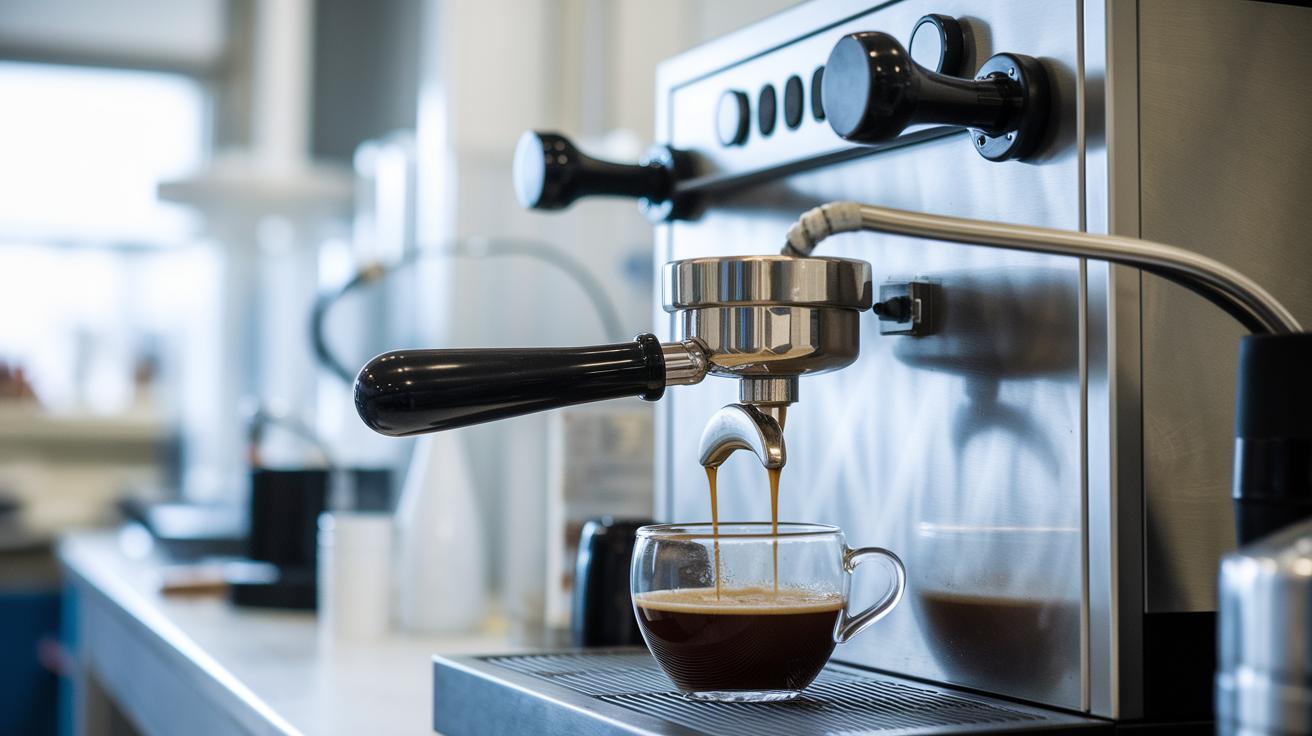
Artisan coffee machines are packed with smart sensors that work together like a well-rehearsed team to perfect every cup. These devices come with sensors for checking temperature, validating pressure, tracking water flow, and managing liquid measurements. They all share data in real time, adjusting settings as they go to make sure every cup is a delight.
Take the dual-channel temperature sensors, like CENTER 303 and VOLTCRAFT 302KJ, for example. They keep an eye on both the brew head and the steam wand, quickly sending feedback to keep everything at just the right temperature during each step. Then there are the Phidgets platforms with four PT100 RTD probes. These help monitor the bean mass temperature while roasting, which is key to controlling the flavor.
Flow sensors and mass-flow meters also play their role. They check the water flow with an accuracy of plus or minus 0.5 percent, ensuring the water is delivered steadily for a consistent extraction. And with PIDs using Modbus RTU, the system manages liquid measurements and fine-tunes pressure balance throughout the brewing process.
Together, all these sensors create a smooth, adaptive system that takes care of every detail. This means you get a consistently excellent cup, crafted with the same care as your favorite brew.
Best Practices for Sensor Integration and System Design
When getting started, it helps to map out all parts of your sensor system. You want to plan both the hardware and software so sensors and microcontrollers can chat easily. For instance, using a 3-wire serial communication (with clock, data, and chip-select lines) plus a 32.768 kHz clock makes setting up the board feel straightforward. This careful layout ensures every connection and signal fits perfectly into the overall design.
It’s also key to choose the right spots for mounting sensors. Stick them on cool, pressure-free surfaces to keep them stress-free, much like how you’d keep a good cup of coffee from getting too hot. Matching stainless-steel fittings avoids corrosion. Using proper soldering methods, keeping peak temperatures below 240°C for some pads and 350°C for hand soldering, protects the ceramic base, much like watching your brew at just the right heat. Add in extra protection against static shocks and use vibration dampers like lock washers and silicone pads to make sure everything stays steady over time.
Electrical and Firmware Coordination
Having the microprocessor’s firmware in tune with sensor outputs is a must for smooth real-time adjustments. Even a small sensor change can spark a quick tweak in brewing settings, similar to shifting gears in a well-tuned engine. When each sensor and control unit communicates without a hitch, maintenance becomes easier and the whole system runs reliably, ensuring every cup is as perfect as that first sip of your favorite brew.
Case Study: WF5803C Pressure Sensor Integration
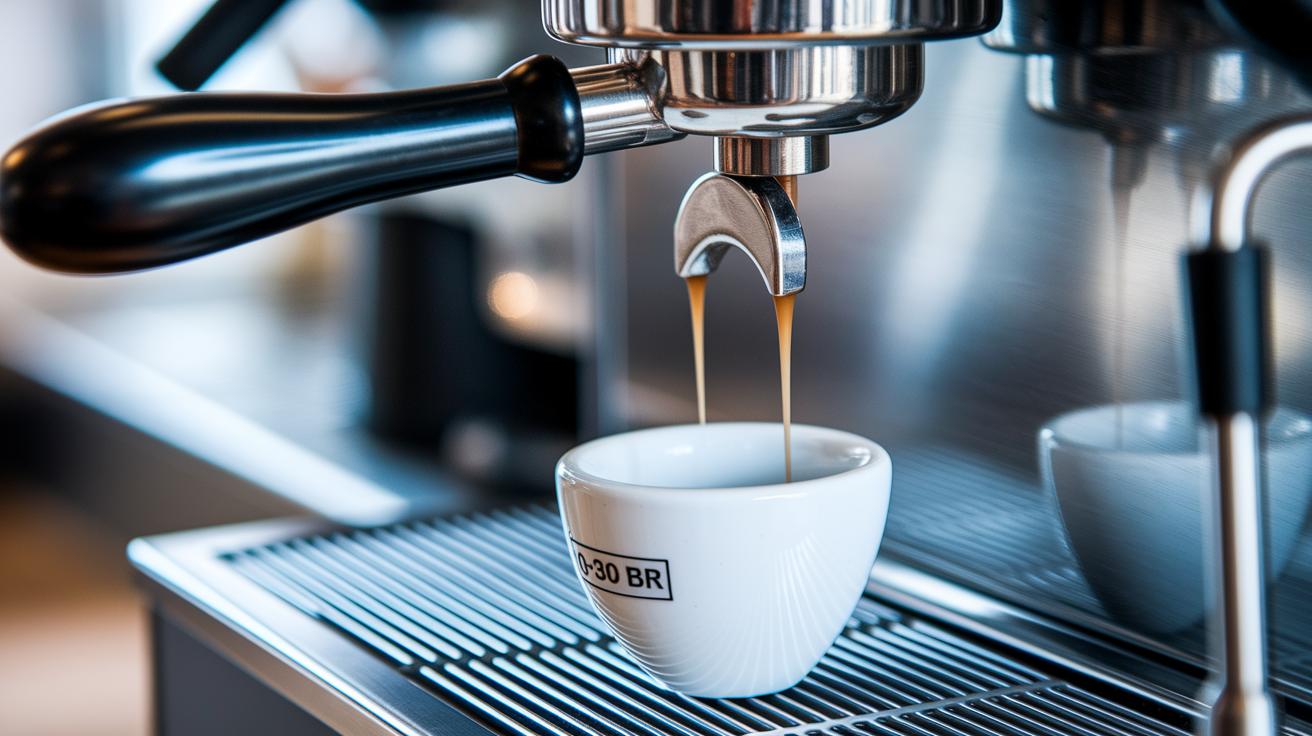
Imagine brewing your favorite cup of coffee with a sensor that feels as precise as a hand-timed pour-over. The WF5803C pressure sensor plays a star role in modern coffee machine setups. It works over a 0 to 30 bar absolute pressure range using a special silicon element and a 16-bit ADC. In simple terms, it gives super accurate readings almost instantly, perfect for those artisan brewing needs.
It keeps its accuracy to ±0.1% full-scale thanks to six on-chip calibration tweaks. That means even when the pressure is changing mid-extraction, every reading is trustworthy. The sensor’s ceramic base and stainless-steel seal bring in extra durability and help it survive pressures up to five times its rating, all while resisting corrosion. Plus, its low-voltage auto power-down feature uses just a few microamps in standby, making it a real energy-saver.
| Feature | Specification | Benefit |
|---|---|---|
| Pressure Range | 0–30 bar absolute | Full brew cycle control |
| Accuracy | ±0.1%FS | Stable extraction |
| Response Time | <1 ms | Fast feedback loops |
| Calibration | 6 on-chip coeffs | ±0.2%FS over 0–85 °C |
| Power | µA standby | Energy saving |
At around US $3–6 each, the WF5803C offers a smart digital upgrade compared to traditional analog gauges. It cuts down maintenance and calibration time, which means you get a smoother, more efficient brewing process. Its clever control algorithms sync right up with live sensor data, ensuring every brew cycle stays on track.
This sensor not only gives you ultra-precise pressure measurements but also powers coffee machines in an energy-smart way. It helps coffee makers serve up consistently great cups, bringing out the rich flavors that make each sip memorable. In a nutshell, it’s a game-changer that modernizes the coffee experience while keeping things easy and reliable.
Enabling Connectivity with IoT and Control Modules
Today’s artisanal coffee machines are getting smarter through IoT connectivity that lets sensors talk to each other effortlessly. Take the Arduino/TC4, for example, this module uses a USB 19200-8N1 connection (a type of protocol that helps share data smoothly) to stream live sensor data, helping your machine adjust on the fly. This smart link means your coffee maker can quickly react to changes during brewing, keeping performance high and recipes spot on.
- Arduino/TC4: This module uses a USB 19200-8N1 connection to send live sensor data, letting the machine tweak settings instantly.
- TE VA18B multi-meter: It measures voltage, current, and uses a K-Type temperature channel (a sensor for checking heat) to enhance its diagnostic powers.
- PIDs with Modbus RTU: These devices connect sensor outputs directly to the Artisan control system, ensuring your recipes are perfectly regulated.
Smart display consoles and remote diagnostic tools complete this well-rounded system. Wireless firmware updates and handy remote dashboards make it a breeze to monitor and fix issues, which means less downtime and a machine that’s always at its best. Tools like smart coffee brewing technology explained let operators easily track key sensor data and tweak recipes in real time. In short, this connected setup boosts efficiency and guarantees every cup delights with consistently vibrant flavor.
Calibration and Maintenance Protocols for Integrated Sensors
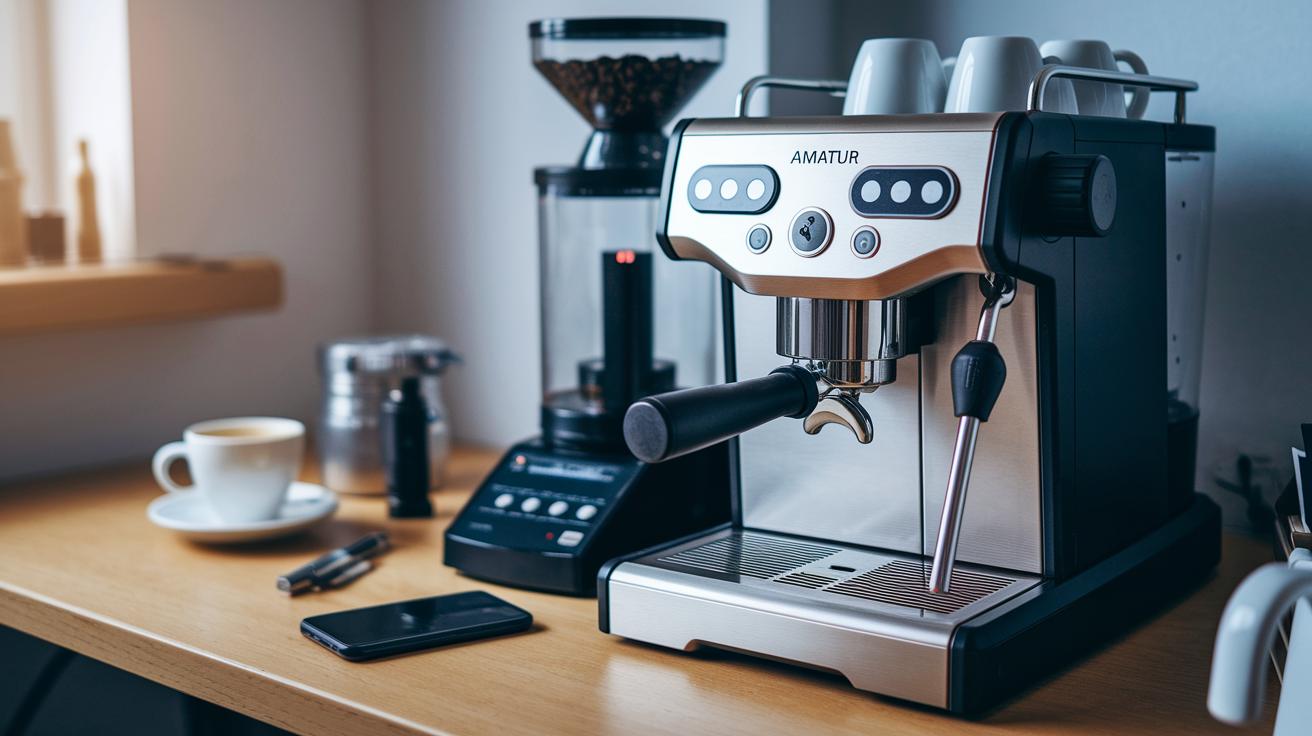
Keeping integrated sensors in artisan coffee machines in top shape is all about regular care. Simple, proactive checks stop little glitches from growing into big issues that might mess with your brew. With routine adjustments, your sensor readings stay sharp, and you save money compared to old-style strain-gauge systems.
Calibration Tools
- Three-port calibrator
- Environmental chamber
- MEMS test cell
We choose these tools so you can rely on every pressure and temperature reading between brew cycles. The advanced calibrators cover a range from 0 to 30 bar, meaning they work across all coffee-making pressures. The environmental chamber mimics different settings to see how sensors react, and MEMS test cells offer a fast, automated way to test performance.
Maintenance Workflows
- Software diagnostics
- Upkeep alert programming
- Fault-identification routines
These steps help catch any hiccups early. Software diagnostics run ongoing checks across all sensors, sending alerts if something seems off. Then, fault-identification routines pinpoint what’s causing the problem. Adding predictive maintenance software means even better care, it uses sensor data trends to predict issues before they happen. This approach cuts down on downtime and keeps your coffee machine performing at its best.
Advancements and Future Directions in Sensor-Driven Coffee Craft
Machine learning is shaking up how we understand coffee extraction. Today’s coffee makers collect loads of data with every brew, and smart algorithms – think of them as digital baristas – learn the best settings for pressure, temperature, and timing. Imagine a system that tweaks your shot after every cup, getting just a bit better each time. Since 2017, methods like those seen in Roasting with Phidgets, which use four PT100 RTD probes (basically, simple devices that check temperature), have shown us that data can replace old guesswork with real precision. It’s a fresh take on controlling roast and extracting flavor.
Plus, with adaptive tuning and real-time data logging, your brew can be adjusted instantly to match the bean’s origin, roast profile, or even a change in the weather. Soon, digital monitoring in manufacturing will help create artisan machines where every part, from sensor to actuator, works together in perfect harmony to bring you that ideal cup.
Final Words
In the action, we explored how smart sensor integration boosts extraction quality through embedded calibration, smart process optimization, and quality assurance mechanisms. We dived into the world of thermal, pressure, and flow sensors, along with system mapping and IoT connectivity improvements that redefine modern brewing.
Each step, from calibration to digital upgrades, shows how sensor integration in artisan coffee machines brings unmatched consistency. It’s a refreshing look at how tech and tradition create the perfect cup every time, fueling a bright future for coffee lovers everywhere.
FAQ
How to use sensor integration in artisan coffee machines?
Sensor integration in artisan coffee machines means using built-in sensors to monitor pressure and temperature, ensuring precise control for consistent extraction and improved brew quality.
What is involved in Artisan Phidget setup?
Artisan Phidget setup involves connecting Phidget hardware with compatible drivers and software, enabling real-time sensor data monitoring to optimize brew processes.
What are Artisan compatible roasters?
Artisan compatible roasters are designed to work seamlessly with integrated sensor systems and software for precise roast profiling and improved bean quality.
How does the Phidget Control Panel work?
The Phidget Control Panel acts as a user-friendly interface to view sensor data and adjust system settings, allowing for efficient monitoring and control during the brewing process.
How to use Artisan coffee software?
Using Artisan coffee software means accessing a digital dashboard that integrates sensor readings and control features, helping you adjust brewing parameters for an ideal cup every time.
What role do Phidget drivers play?
Phidget drivers ensure reliable communication between sensors and software, allowing data to be transmitted in real time for accurate brew and roast management.
How does Artisan roasting software operate?
Artisan roasting software processes sensor data to manage temperature curves and roast history, enabling precision adjustments that consistently enhance bean flavor.
What does the Artisan software manual cover?
The Artisan software manual provides detailed instructions for sensor setup, software configuration, and troubleshooting to ensure smooth operation of your brewing system.
How to connect a thermocouple to Artisan?
Connecting a thermocouple to Artisan means wiring the sensor to its proper port and configuring the software so it accurately monitors extraction temperatures for optimal brewing.
What kind of sensors are available for Phidgets?
Phidgets offer a range of sensors, including pressure, temperature, and flow sensors, each designed to monitor key brew and roast parameters in artisan coffee machines.
How to connect a Phidget to Artisan?
Connecting a Phidget to Artisan means linking the hardware using the appropriate cables and drivers, then configuring the control panel to integrate sensor data seamlessly.
How does artisan coffee differ from regular coffee?
Artisan coffee differs from regular coffee by using sensor-driven precision to adjust brewing parameters, resulting in a more consistent, flavorful, and personalized cup.