

Ever notice how your morning cup always feels made just for you? Smart coffee machines work like a little barista. They use clever computer programs (think of it as a brain that learns your favorite flavors) to watch over your brew. They measure the water's warmth, the flow, and even the grind size, tweaking everything as your coffee is made. Each sip ends up tailored to your taste, turning your routine into a warm, comforting experience.
Adaptive algorithm fundamentals in smart coffee brewers
Smart coffee brewers use adaptive algorithms that learn from sensor data and adjust brewing details on the fly. They keep an eye on things like water temperature, brew time, water flow, and grind size. Think of it like having a barista who tweaks every cup to match your taste perfectly. It’s almost as if the machine learns what you like with each sip.
Inside these brewers, sensors gather simple details like how warm the water is and how fast it flows. This info goes straight into a computer process that uses machine learning, a way for the machine to get smarter over time. When a tiny change in the brew is noticed, the system adjusts the amount of coffee and the extraction time automatically.
By checking and adjusting these factors again and again, the machine adapts to different bean roasts and grind qualities. The sensor feedback lets it make instant tweaks, much like you might adjust your coffee at home after a sip. It’s a continuous process that not only makes your brew steady and tasty but also gives you a cup that feels made just for you.
Sensor data acquisition for adaptive brewing control
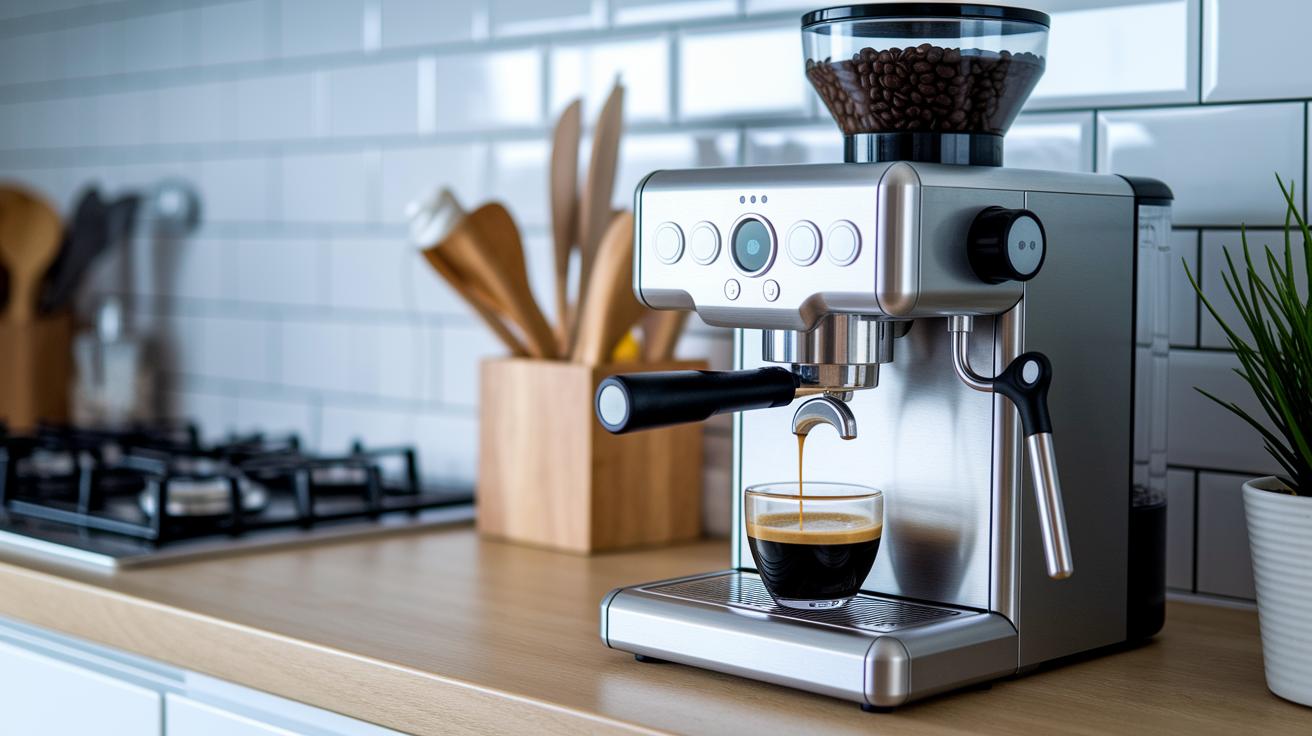
Smart coffee machines gather real-time data to craft each perfect cup. They come equipped with built-in temperature sensors, pressure gauges, and flow meters, simple tools that check water heat, pressure, and flow while keeping an eye on little changes around them. A handy fluid preparation module collects key details every step of the way, and an electronic probe system watches the pressure and extraction time so that every sip matches your taste.
All this data flows into an adaptive algorithm that tells the machine when to adjust things like grind size or water flow. Imagine noticing a slight drop in the air temperature, much like on a cool morning walk. The machine instantly tweaks its settings to keep your brew spot-on. Accuracy in sensor readings matters a lot; the more precise they are, the smoother the changes and the better your coffee will taste.
These sensors are constantly at work, not just taking one reading but continually checking the brewing conditions. They ensure every cup gets the right extraction process, mixing traditional taste with modern tech. For more details on sensor placement in artisan machines, check out this guide.
Machine learning models powering adaptive extraction
Smart coffee makers use machine learning to perfect every cup. They learn from each brew by taking in details from the brewing process and from you. They mix data about water temperature, brew time, and grind size to tweak the settings automatically. With a steady flow of sensor info, the system figures out how things change over time and predicts how to make your coffee taste even better. Every cup is like a mini experiment that teaches the machine to serve up a more delicious brew next time.
Supervised learning for parameter prediction
In supervised learning, the system learns from detailed brew data collected from multiple sensors. It gathers simple inputs like water temperature, pressure during extraction, and grind consistency, then matches them with targets like perfect brew time and optimal flow rate. The process works much like noticing patterns from past cups to decide which changes bring out the best flavor. With a big library of brew examples, the system keeps fine-tuning itself, so each cup reaches a better taste, almost magically.
Reinforcement learning for process tuning
Reinforcement learning adds another layer by testing out different settings and learning from their effects. The algorithm gets a sort of reward when adjustments, like a slightly longer brew time that gives a richer aroma, work well. It continuously experiments with new tweaks based on real-time feedback while sticking to what already proves tasty. This means the machine is always learning, balancing new ideas with trusted techniques to deliver a cup that’s both technically spot-on and full of heart.
Real-time feedback loops and user-driven customization
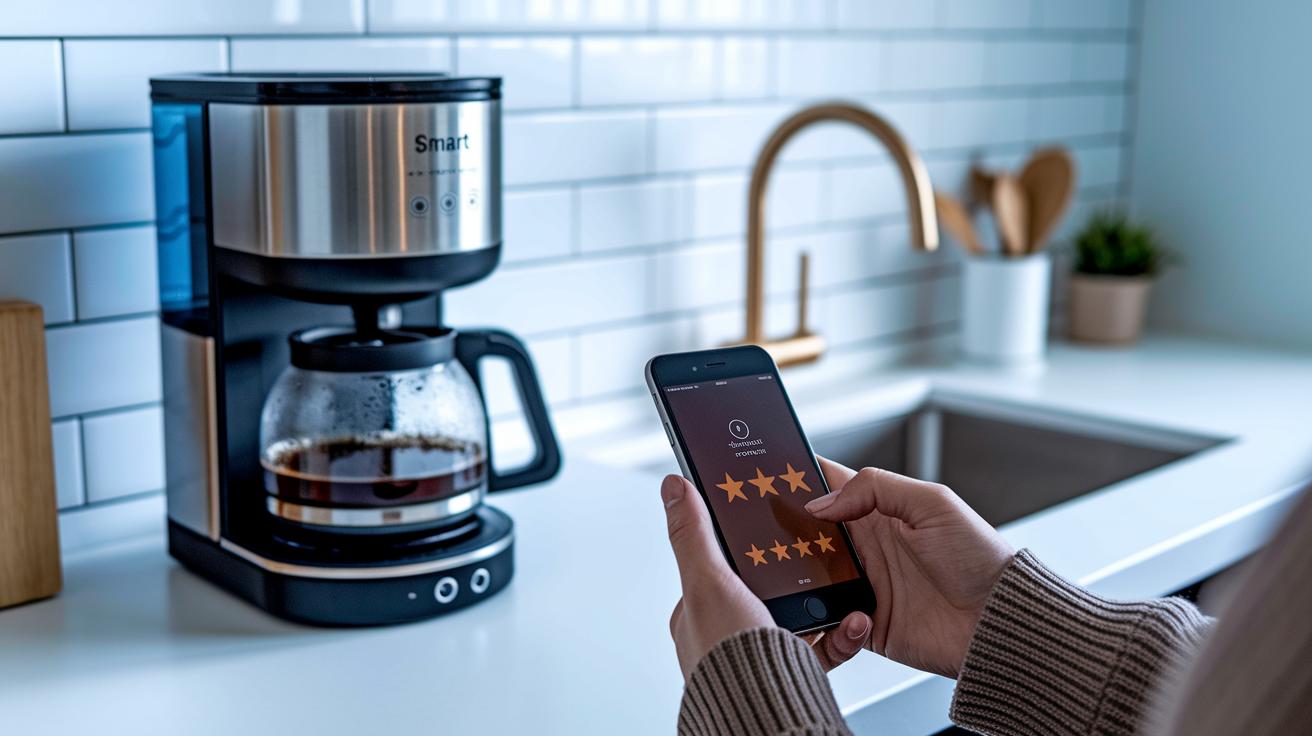
Smart coffee makers now let you adjust the brew on the fly. With every sip, you can tap a rating on your phone, and the machine instantly listens. It quickly tweaks things like temperature and extraction time so your next cup feels just right.
Every time you brew, the machine keeps an eye on the water heat while you savor the aroma. It uses a smart system to check the water temperature as it works on your coffee, adjusting mid-brew if you send feedback. This friendly setup, combining real-time taste notes with a personalized brew engine, builds a coffee profile that improves with every cup.
Your opinions really matter here. Each time you rate your coffee, the system fine-tunes details like the grind size and how long the coffee steeps. By keeping the water at the perfect warmth and learning from your tips, the brewer steadily crafts a cup that feels both consistent and uniquely yours.
Connectivity and control interfaces in adaptive smart brewers
Smart brewers now feature advanced connectivity options that let you start your perfect cup from anywhere. With built-in Wi-Fi, Bluetooth, and other smart home protocols, these machines easily join your connected lifestyle. Imagine tapping a button on your phone and waking up to the welcoming smell of freshly brewed coffee.
Inside the machine, you’ll find a simple dashboard that brings your brew’s progress to life. It shows real-time graphs of extraction curves and even your brew history. In just a few taps, you can adjust the water temperature, the brew time, or the grind consistency, like watching a little miracle happen right on your countertop.
And here’s the best part: remote brewing isn’t some far-off dream. Whether you’re lounging at home or out and about, you can easily set schedules and automated routines that suit your taste. The smart system talks to your devices so every cup comes out just right.
By blending smart tech with an easy-to-read interface, these brewers give you full control over every step of the process. This mix of precision and personal touch brings the art of coffee making into a whole new light.
Maintenance and firmware updates for long-term algorithm performance

Smart coffee machines need a little regular TLC to keep their clever features working just right. Regular firmware updates are what keep these machines humming along smoothly over the long haul. Think of it like having a plan where each new update brings smart tweaks and solid fixes that keep everything running as it should. For example, after a firmware refresh, one user found that the machine's new settings brewed a cup that tasted almost exactly like their favorite blend from yesterday, a comforting consistency. Check out smart coffee machine firmware update procedures for more details.
And then there's the calibration. Routine self-checks help catch tiny hiccups early, much like giving your car a quick look-over before a long drive. If the machine detects any brewing irregularities, an internal alert kicks off a calibration routine that fine-tunes sensor readings and adjusts the process in real time.
In short, regular firmware updates, calibrations, and self-assessments all work together to keep your machine in top shape and every cup deliciously consistent. This ongoing care lets the adaptive algorithms learn and evolve, ensuring that your brew stays just right day after day.
Final Words
In the action, we traced how adaptive algorithm fundamentals along with sensor data and machine learning peek behind the curtain to perfect each brew. We watched smart machines adjust water temperature, extraction time, and more based on real-time feedback. Customization, connectivity, and regular firmware updates bring it all together, ensuring consistency and a personal touch. By integrating adaptive brewing algorithms in smart coffee machines, every cup is a reminder that precision and passion go hand in hand. Enjoy your brew!
FAQ
What do recent adaptive brewing algorithms PDFs reveal about smart coffee machines?
The adaptive brewing PDFs reveal how sensors and machine learning work together to adjust water temperature, extraction time, water flow, and grind size in real time for a better cup.
What is the 80/20 rule for coffee?
The 80/20 rule for coffee means that a large part of the flavor comes from a few key brewing steps, emphasizing the need to focus on what really matters while brewing.
How are breweries using AI in their brewing processes?
Breweries use AI to learn from brewing data and user feedback, helping adjust recipes and key parameters for a more consistent, flavorful brew every time.
What are the features of a smart coffee maker?
Smart coffee makers adjust brewing variables using real-time sensor data, offer remote control through connectivity interfaces, and receive firmware updates to keep the system fresh and accurate.
How do you write an algorithm to make coffee?
Writing a coffee algorithm involves programming sensor inputs and adjustable parameters like temperature and extraction time, then using machine learning to refine the recipe based on feedback.