

Ever wonder what happens when your favorite coffee machine starts acting up? Imagine getting a friendly nudge before things go off track.
Tiny sensors, like a watchful barista, check the machine’s temperature and pressure, simple tools that turn everyday data into clear signals. They help you dodge unexpected breakdowns and avoid those pricey repairs.
This smart tech makes sure your coffee gear stays in great shape, so you can always enjoy that perfect cup. Fancy that, a little alert saving you a lot of hassle.
How Smart Maintenance Alerts Optimize Artisan Coffee Equipment Performance
Smart maintenance alerts keep a close watch on your artisan coffee machine by using little sensors to check key details like temperature and pressure. These alerts convert the sensor readings into helpful messages for your tech team so nothing gets missed when something’s off.
They grab real-time measurements as they happen, turning everyday data into clear advice. This way, you can dodge unexpected breakdowns and avoid costly repairs, potentially saving over $1,000 in lost revenue each day.
- Temperature: Alerts you when the machine heats up past safe levels.
- Pressure: Notifies you if there’s a sudden jump or drop in pressure during extraction.
- Pump Vibrations: Signals if unusual vibrations hint at problems with the pump.
- Fluid Flow Rate: Warns when water flow slips below the best range, risking a weak brew.
- Electrical Current: Alerts technicians to odd current patterns that might mean a circuit issue.
Predictive algorithms add an extra layer of care by watching trends in the sensor data over time. They even catch tiny changes, like a little sensor drift, before it turns into a major problem. This smart foresight means you can plan for maintenance ahead of time, keeping your equipment running smoothly and your coffee tasting just right.
Key Benefits of Predictive Notifications for Craft Coffee Gear

Predictive notifications mix sensor data with smart algorithms to give you insights that go far beyond basic alerts. They come through a simple subscription model that many users love for its ease and dependability.
Operators have seen up to a 78% drop in unexpected downtime, which means fewer surprises and more smooth runs. With a subscription costing about $35 per user each month, maintenance expenses have been slashed by nearly 50%. And the system catches tiny glitches early, so small issues don’t spiral into bigger problems.
It even helps you plan better; scheduled maintenance is based on real-time data, leading to a more efficient use of resources. Continuous monitoring builds a record of consistent performance, and users say their day-to-day operations run a lot more smoothly.
In one case, catching a potential failure early saved over $1,000 each day in lost revenue. Many operators find that the smart blend of advanced algorithms and practical user feedback keeps the day-to-day work less stressful and more predictable.
Integrating IoT Sensors into Artisan Coffee Equipment for Automated Alerts
Setting up the system is a breeze and takes about 30 minutes, without needing any extra gear. Your current coffee equipment hooks up to the cloud using a smart IoT module. Once connected, you can easily set alert limits and monitor sensor readings using the software dashboard. This upgrade even links with ERP/POS systems and lets you run secure remote checks with Coffee Cloud VPN and Coffee Cloud Scanomat. It’s like giving your coffee machine a friendly, high-tech boost that keeps you updated at every step.
| Setup Step | Description |
|---|---|
| Sensor Placement | Choosing the best spots for temperature, pressure, and vibration sensors |
| Network Connection | Connecting the IoT module to secure cloud services via VPN (learn more about cloud coffee integration) |
| Software Configuration | Setting up alert limits in the management dashboard |
| Alert Testing | Testing the system by simulating issues to ensure alerts work |
Data security is very important. The system uses solid encryption to keep your sensor data safe as it travels between your devices and the cloud.
Technical Specifications and Setup Requirements for Smart Maintenance Alerts
Our subscription costs about $35 per month for each user. This plan includes all the software updates and technical support you need to keep your system in top shape. It’s simple pricing that makes it easy to control your budget while you enjoy smart alerts that use sensors (devices that check things like temperature and pressure) to spot issues with your brewing gear.
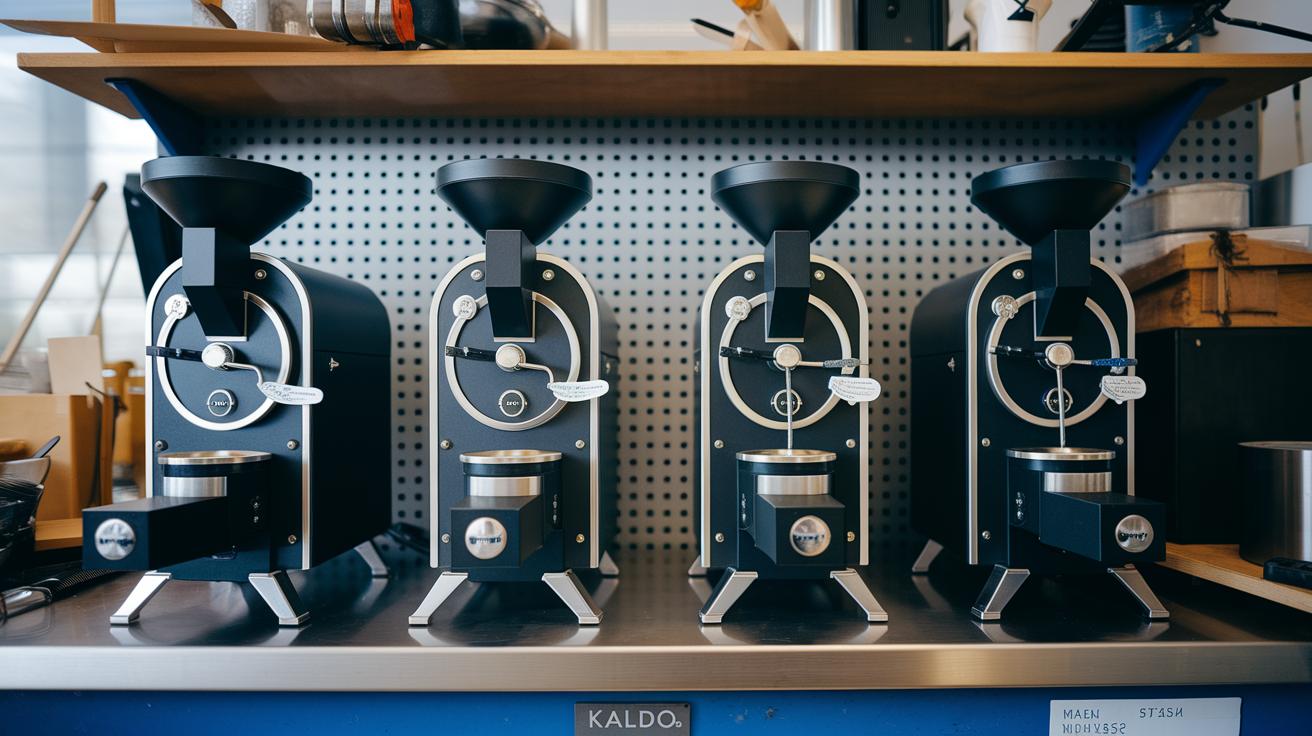
We support several roaster models. For example, the Kaleido M1 holds 200 grams, the M2 holds 400 grams, the M6 can handle 700 grams, and the M10 brews up to 1.2 kilograms of coffee. These handy machines work perfectly with our smart maintenance alerts, so even when you’re using a high-capacity roaster, you’ll get regular checks and repair reminders.
The system keeps an eye on important details such as the upper ET values and Set Value adjustments to prevent overheating. If the temperature gets too high or if the sensor readings change unexpectedly, built-in Artisan Alarms will send a warning. These cloud-connected repair alerts remind you to take action before any small problem turns into a big one.
Setting everything up is a breeze. The dashboard is intuitive and shows real-time sensor data along with past trends, making it easy for technicians to troubleshoot any issues. This friendly setup process means you can focus on enjoying that perfect brew while your equipment stays safe and efficient.
Real-World Case Studies of Smart Maintenance Alerts in Artisan Coffee Environments
Case Study: 56-Location Artisan Roaster
A roaster with 56 locations upgraded its equipment with smart alerts. They fitted sensors that check things like temperature (the heat level), pressure (how hard things are pressed), and pump vibrations (little shakes) to turn raw data into instant notifications. One time, a sensor began drifting off its usual marks. The system spotted the small change early, and technicians jumped in fast to fix it before it got worse. This quick reaction helped them dodge a costly repair and kept their operations running as smoothly as a well-poured espresso.
Case Study: 120-Location Coffee Chain
A big coffee chain with 120 spots decided to use predictive notifications to keep their machines in top shape. Once the alert system was part of their routine, they saw a 78% drop in unexpected downtime. The smart alerts, backed by predictive algorithms (which are like simple instructions that foresee small changes), tracked even slight shifts in how the machines performed. With these timely alerts, the team could fix issues right away, maintaining a steady flow much like a favorite barista crafting your morning cup. This not only kept the workflow smooth but also boosted their overall productivity and return on investment.
These case studies show how smart maintenance alerts make a real difference. By spotting even tiny problems, saving on repair costs, and cutting down unexpected stops, these systems help keep artisan coffee production efficient and delightful, ensuring every cup feels just right.
Best Practices for Implementing Smart Maintenance Alerts on Artisan Coffee Equipment

When planning your smart maintenance alert system, you’re really figuring out how your daily routine fits into the bigger picture. It starts with a bit of prep and a clear look at how these alerts act like helpful reminders. Experts even suggest mixing these alerts with your task tools, as shown in the maintenance checklist guide, to ensure every reminder is both timely and useful.
- Sync your alerts with your usual routine so they pop up during natural breaks.
- Get your team comfy with the notification steps, especially for key alerts like Set Value (which tells you when a sensor reading reaches its target) and Eternal Temperature (which checks that equipment stays at the right heat).
- Merge alerts into your task apps to line up daily duties with automated upkeep reminders.
- Check your logs regularly to spot any recurring issues or see how the performance of your gear is improving.
These tips center on always doing better. Working with smart monitoring tools and taking time for regular reviews helps build a proactive maintenance vibe. Over time, fine-tuning your alert settings and routines makes the system even smarter and more reliable. This approach not only keeps your artisan coffee gear in top shape but also helps your specialty roaster run smoothly every day.
Final Words
In the action, we explored sensor checks, automated alerts, and IoT connectivity that bring precision to every brew. The post broke down real-time notifications, cost reduction benefits, and easy integration that keep your coffee equipment running smoothly.
Each step shows how fine-tuning technology delivers consistent flavor and performance while avoiding costly disruptions. Smart maintenance alerts for artisan coffee equipment truly transform routine upkeep into a delightful experience. Enjoy the smart way to perfect your brew every single time.
FAQ
Q: What are the best smart maintenance alerts for artisan coffee equipment?
A: Smart maintenance alerts for artisan coffee equipment use sensor data to monitor temperature, pressure, and vibrations. They help catch issues early, saving time and preventing costly repairs.
Q: What does a smart maintenance alerts manual for artisan coffee equipment explain?
A: A smart maintenance alerts manual explains how sensor-based notifications work, outlines setup steps, and provides troubleshooting tips, ensuring your brew equipment runs smoothly.
Q: What maintenance is required for a coffee machine?
A: The maintenance a coffee machine requires includes regular cleaning, sensor checks, and calibration adjustments. These practices help keep your machine in optimal condition and prolong its lifespan.
Q: Can I use a smart plug on a coffee machine?
A: Using a smart plug on a coffee machine lets you monitor energy use and automate power cycles. Check compatibility and safety guidelines to make sure it works well with your device.
Q: How often do coffee machines need to be serviced?
A: Coffee machines typically need service on a monthly or quarterly schedule. Regular servicing helps maintain performance, prevents breakdowns, and ensures a consistently great cup every time.
Q: What is the average lifespan of a coffee machine?
A: The average lifespan of a coffee machine is usually between five and ten years. Regular maintenance and proper care can extend this period, ensuring reliable performance for many more cups.