

Ever notice how your morning cup sometimes just misses the mark? Imagine using fresh numbers, gathered right as you brew, to make sure every cup is just right. We use simple tools that check key details like how much flavor extracts from the beans and if your water is exactly the right heat. Think of these tools as little helpers that make your coffee routine feel more like a fun science experiment. With this smart approach, every sip bursts with the full, rich taste of perfectly brewed coffee.
Employing Advanced Analytics in Data-Driven Coffee Brewing Techniques
Imagine brewing coffee where every step is measured with precision instead of just going by gut feeling. Advanced analytics in coffee extraction means tapping into sensor data and measurements to track the entire process. In other words, you’re cutting out the guesswork and getting clear numbers to help you brew a better cup every time.
At the heart of this method are core metrics that guide the brewing process. For example, TDS, or Total Dissolved Solids, shows you the percentage of coffee extracted from your beans using simple tools like refractometers. Extraction yield percentages tell you how well the flavors are captured, while brew ratios (the mix of coffee to water) and grind-to-water adjustments ensure that your recipe stays spot on. Temperature profiling, managed with digital timers and probes, makes sure the water stays just right to bring out the best flavor.
Sensors play a key role in gathering these numbers, and machine learning models quickly analyze the data in real time. They compare current readings with past data to suggest tweaks on the fly, making every shot as consistent as possible. This smart blend of sensor insights and predictive technology raises the bar for brewing efficiency and flavor consistency.
- Real-time TDS monitoring
- Flow rate logging
- Temperature profiling sensors
- Pressure mapping
- Predictive modeling algorithms
Extraction Metrics & Quality Statistics in Data-Driven Coffee Brewing

When it comes to crafting the perfect cup, a few key numbers help guide the way, extraction yield, Total Dissolved Solids (TDS), and brew strength. In simple terms, extraction yield is the percentage of the good stuff that makes it from the bean into your cup. TDS tells you how strong those flavors are, and brew strength shows the overall punch and balance of your drink. These handy tools let you peek into your brewing process and act as markers to help adjust your method until every cup is just right.
| Metric | Definition | Optimal Range | Data Source |
|---|---|---|---|
| Total Dissolved Solids | Percent of dissolved coffee solids | 1.15–1.35% | Refractometer |
| Extraction Yield | Mass of solubles dry-basis extraction | 18–22% | Scale + TDS sensor |
| Brew Ratio | Coffee-to-water mass ratio | 1:15–1:17 | Recipe log |
| Temperature Consistency | Variance in brew temperature (°F/°C) | ±2°F/±1°C | Digital probe |
By keeping an eye on these numbers, you can easily fine-tune your brewing process. If the extraction yield drops below the ideal range, try adjusting the grind size or the brew time. And checking the TDS can help you figure out if your brew might be too mild or too bold. This approach makes sure every batch of coffee comes out with the same satisfying consistency and flavor.
Brewing Temperature Analysis & Water Chemistry in Data-Driven Coffee Brewing
Getting your brew to stay at the right temperature is like having a secret weapon for great coffee. When your water hovers between 195°F and 205°F with just a little wiggle room of about 2°F, it helps all the good flavors mix in just right. Imagine following your favorite coffee recipe where even a small change in heat makes your cup either too bold or a bit sour. With smart tools that watch your brew, you can be sure every batch has the perfect warmth.
The water you use matters just as much as the heat. Things like the total dissolved solids, the balance of minerals like calcium and magnesium, and even the pH level work together to shape your final cup. When sensors keep an eye on these details, they can let you know if something seems off, like if there's too much calcium or if the acidity is a bit too high. This close check means you can tweak things quickly, so your coffee stays balanced and delicious every time.
Data-Driven Brewing Process Enhancements via Digital Experiments & Sensor Integration
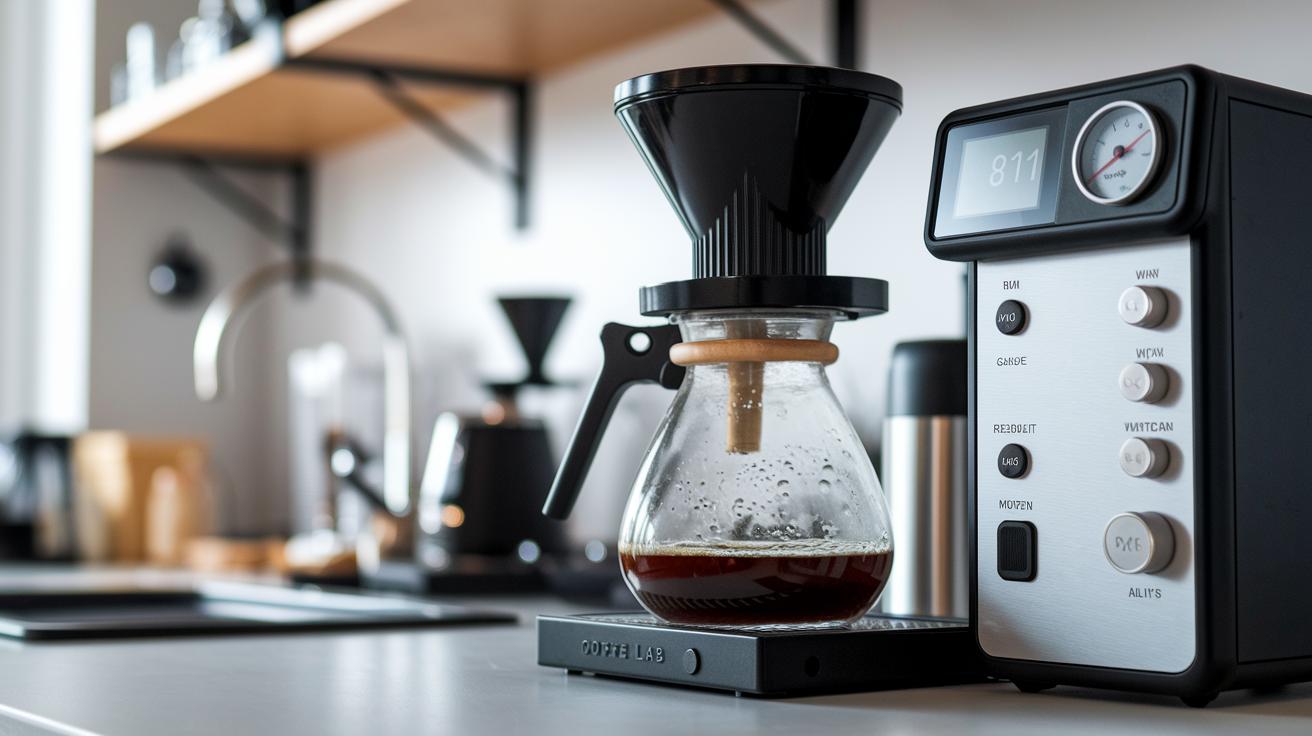
When you mix smart digital tests with the art of brewing, you take your coffee from good to great. With step-by-step routines and multiple sensors (simple devices that check things like temperature and flow), every detail, from water speed to heat, is fine tuned to perfection. It’s like having a mini coffee lab right on your countertop, where every drop is tracked in real time.
Case Study: Flow Rate Optimization via Sensor Fusion
In one experiment, sensors were placed at the valve output to measure water flow in milliliters per second. The readings were captured non-stop, letting the team see how water moved at each brewing stage. By studying this flow data and making small tweaks, they bumped up the extraction yield by 5%. It’s like uncovering that secret trick that makes every cup a standout.
Case Study: Temperature Profiling with Machine Learning
In another test, sensors on both the heating element and group head kept a steady eye on temperature. A machine learning program (a system that learns from data) processed these numbers in real time and made quick adjustments to keep the water perfectly warm. The result? The temperature varied by 2°F less, and the overall cup score improved by 0.5 points. Even small adjustments can make your brew tastier.
Recording data carefully and calibrating sensors frequently shows that ongoing testing is key. Embracing digital experiments and sensor-assisted brewing helps ensure every cup you make is as consistent and high-quality as the last.
Advanced Analytics & Machine Learning in Data-Driven Coffee Brewing
Imagine a coffee process where technology meets the perfect brew. Machine learning helps us unlock the secret behind a great cup by predicting and controlling extraction outcomes. In simple terms, regression models take sensor data, like how much coffee is pulled from the grounds, and forecast the ideal brew balance.
Classification algorithms work in a similar friendly way. They group flavor profiles into straightforward categories like light, medium, or bold based on real data rather than just a taste test. It’s like sorting your favorite blends by feel and flavor.
One cool tool is linear regression. Think of it as a recipe calculator that uses ongoing sensor readings and brewing settings to figure out the yield. Clustering techniques then show us how different roasts mix with brewing methods to highlight what makes each batch unique. Plus, time-series analysis keeps an eye on trends over many brews, alerting when a tweak might be needed. All of these methods help turn everyday data into clear steps for a better cup.
Looking forward, reinforcement learning is ready to change the game. This method will let coffee machines adjust their settings on the fly by learning from every brew in real time. With AI-driven feedback loops in smart machines, each cup gets a bit closer to perfection every time.
Integrating Data-Driven Coffee Brewing into Coffee Shop Operations
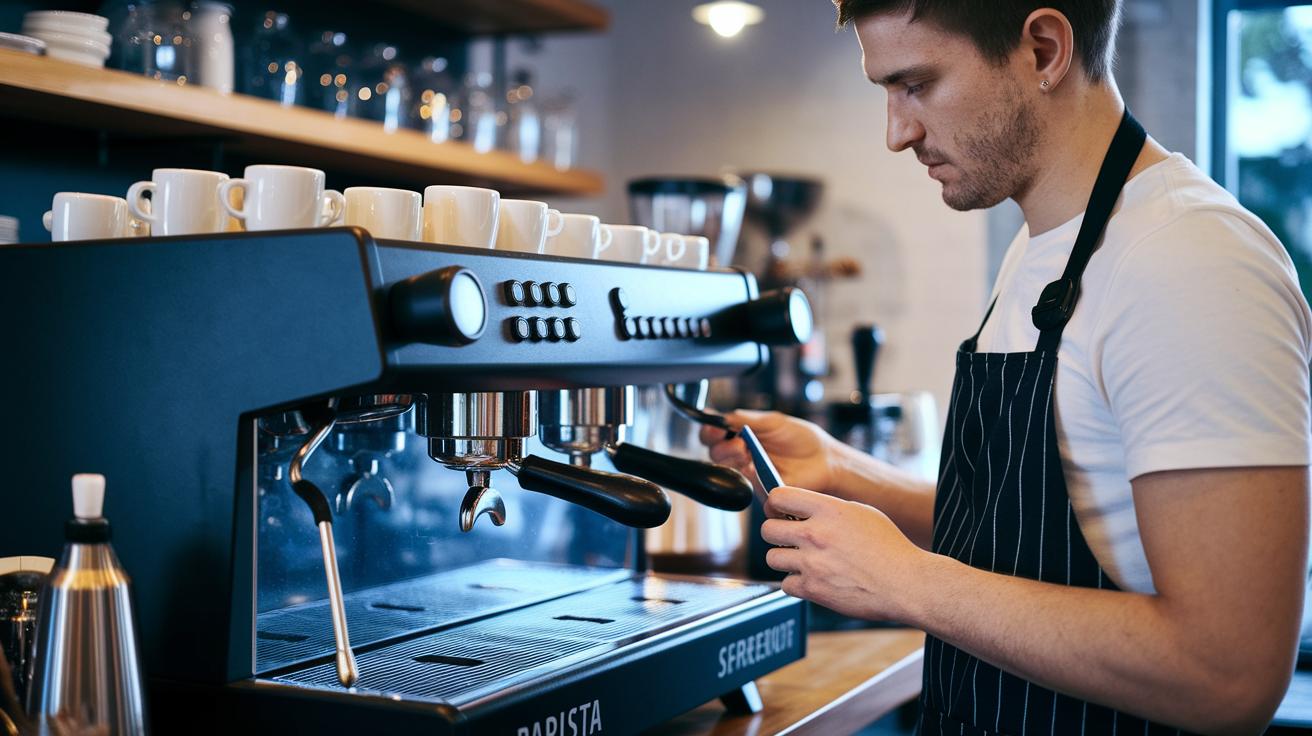
Imagine transforming your coffee shop with a simple, six-step plan that puts data right at the center of every decision. First, fine-tune your brewing machines by calibrating the sensors so every cup is measured with care. Next, set up clear, straightforward procedures that everyone can follow, a recipe for success, literally. Then, make sure your team is comfortable with data dashboards that are as easy to read as a good latte art design. Regular maintenance comes next, keeping your machines in top shape, and you can check weekly extraction reports to spot any needed adjustments. Finally, let these insights guide you as you tweak recipes over time, much like perfecting your favorite brew with a little help from the numbers.
Measuring how well things are going is key. Look for steady improvements in consistency, less variation in things like TDS and extraction yield, and most importantly, listen to your customers' smiles. This approach not only ensures you serve a fantastic cup every time but also continuously polishes your operations with clear, measurable progress.
Final Words
In the action, we dived into advanced analytics, sensor integration, and smart brewing techniques that bring innovation to every cup. We broke down essential metrics like TDS and extraction yield while exploring digital experiments and machine learning for real-time tweaks. The journey showed how brewing consistency research and practical data-driven coffee brewing insights can elevate your daily ritual. Embrace these techniques to continuously refine your process, ensuring a tailored, consistently remarkable brew every day. Cheers to a future full of perfect cups and exciting coffee explorations!
FAQ
Q: What is data-driven coffee brewing?
A: Data-driven coffee brewing uses advanced analytics to measure factors like brew ratios, extraction yield, and temperature profiles, moving beyond guesswork to deliver consistent flavors and precise control.
Q: Which extraction metrics are most critical in coffee brewing?
A: Key metrics include total dissolved solids, extraction yield, brew ratio, and temperature consistency. These measurements help fine-tune your recipes and ensure a balanced, repeatable flavor profile.
Q: How do temperature analysis and water chemistry affect coffee extraction?
A: Temperature analysis and water chemistry directly influence solubility and taste. Consistent brew temperatures and balanced mineral content lead to improved extraction and a smoother, more flavorful cup.
Q: How do digital experiments and sensor integration improve the brewing process?
A: Digital experiments and sensor integration collect real-time data on flow and temperature, allowing for quick adjustments to brewing variables that boost efficiency and enhance overall extraction quality.
Q: How does machine learning optimize coffee brewing and shop operations?
A: Machine learning models, like regression and clustering, predict extraction outcomes and adjust brewing parameters. This technology improves consistency and operational performance in coffee shops.
Q: How can coffee shop operations integrate data-driven brewing?
A: Coffee shop operations can integrate data-driven brewing by calibrating sensors, training staff on digital dashboards, and using regular performance reviews to iterate recipes and improve consistency.