

Have you ever noticed how your coffee machine seems to know just when it needs a quick fix? It all comes down to smart tech working close by its sensors. Think of it as a mini barista, catching tiny changes and handling them right away.
This clever setup means the machine doesn't have to wait for distant servers to get advice, it sorts everything out on the spot. That way, your cup is always brewed to perfection.
Today, we'll chat about how processing data right where it happens can make your daily brew even more delightful.
Real-time diagnostics with edge computing for coffee machines
Edge computing brings data processing right where it's needed, right at your coffee machine. Instead of sending every bit of data all the way to a far-off server, the magic happens near the sensors. This smart setup cuts delays by up to 90%, meaning your coffee machine can react almost instantly. Imagine a tiny change in water pressure and the machine adjusts its settings in less than a second to keep your extraction smooth. Nearly 90% less delay means your cup of joe is perfected as soon as conditions change.
By analyzing data right at the sensor, the machine spots problems in pressure, temperature, or flow almost immediately. When something like a little temperature spike occurs, the system picks it up fast, much like a barista tweaking the grind on the fly. This quick response helps keep every brew tasting just right.
Thanks to edge processing, these smart machines update brewing settings on the fly based on real-time feedback from their sensors. Even a tiny shift in pressure gets corrected within milliseconds, ensuring your coffee stays top-notch.
With decisions made locally and without waiting for a remote server, the system cuts down on downtime and errors. These rapid, on-the-spot adjustments not only catch faults early but also fine-tune every step, keeping the quality consistent from bean to cup.
Architecting edge-enabled sensor networks in coffee machines
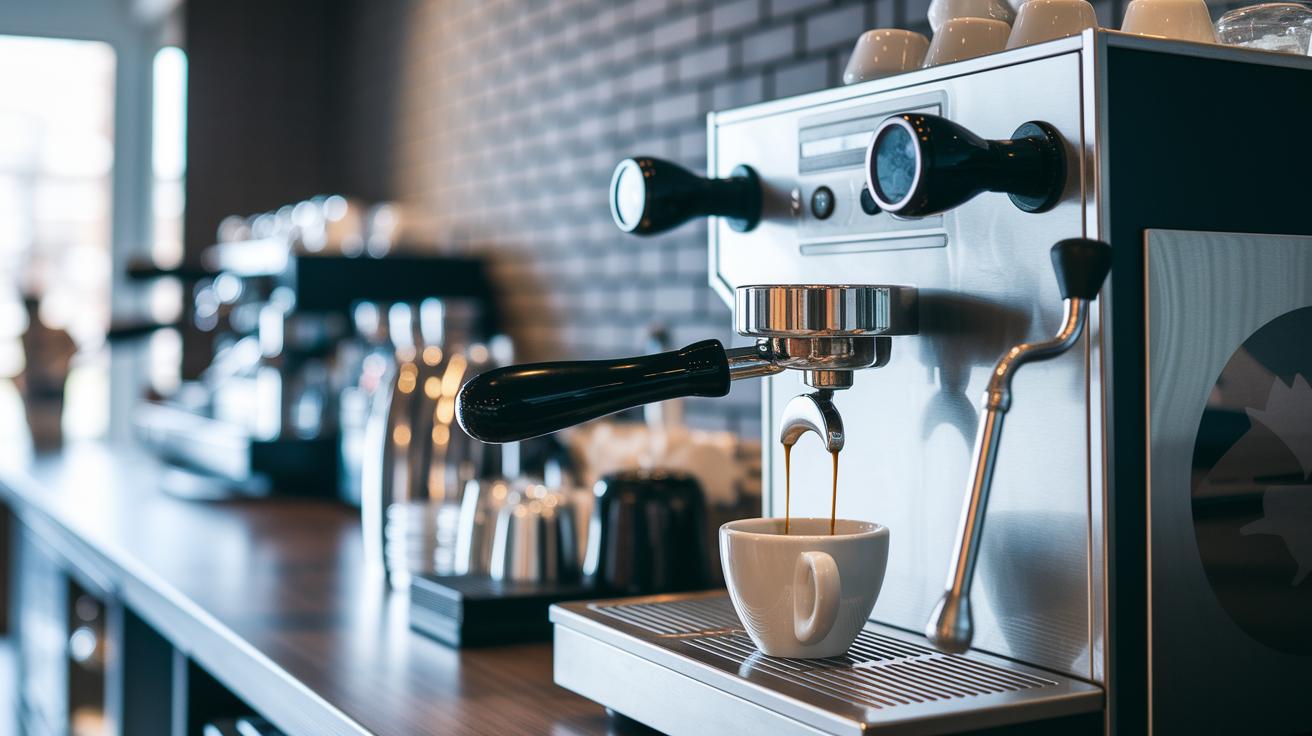
Choosing the right hardware is like picking the perfect beans for your brew. In smart coffee machines, a single-board computer such as the SBC-3.5-TGL-UP3 works as a tiny, energy-saving brain. This little gadget handles sensor data right inside the machine, reading pressure, temperature, and flow without needing to send every bit of information far away. Imagine a mini barista that quickly adjusts your brew based on every little sensor nudge.
Then comes connectivity. When these edge nodes team up with 5G, data moves fast and smooth, almost like coffee flowing steadily from a well-tuned espresso machine. This fast link helps the system check sensor feedback instantly so every cup can be just right.
How you arrange the network matters, too. There are two main layouts. A mesh layout connects each sensor with several neighbors. Think of it as a coffee shop where everyone chats, making the system strong even if one connection falters. On the other hand, a star layout links each sensor directly to a central hub. It’s simpler but a single hiccup at the hub could affect the whole system.
| Topology | Advantage | Trade-off |
|---|---|---|
| Mesh | High fault tolerance | More complexity |
| Star | Simpler setup | Single point vulnerability |
By carefully picking hardware and setting up the network just right, every cup of coffee gets the smart diagnostics it needs for a perfect brew.
Implementing real-time fault detection at the coffee machine edge
Our coffee machine runs little smart checks right on board, comparing sensor readings for brew pressure and temperature in just milliseconds. These checks are super quick, flagging any weird changes so the machine knows something’s not right. It’s like having a team of vigilant baristas, each keeping an eye on their part of the brew.
The real trick comes when readings from multiple sensors mix together. By comparing these signals, the system cuts down on false alarms, much like friends double-checking a plan before jumping in. This sensor teamwork makes sure the machine only reacts when there’s an actual problem.
When a glitch is detected, the machine fires off an alert instantly. Whether that means a local alarm or an app notification, operators get a heads-up fast, over 70% quicker than before! This speedy warning lets them adjust the brewing settings or schedule a quick checkup, keeping the cup tasting just right every single time.
Implementing predictive upkeep systems via edge analytics in coffee diagnostics
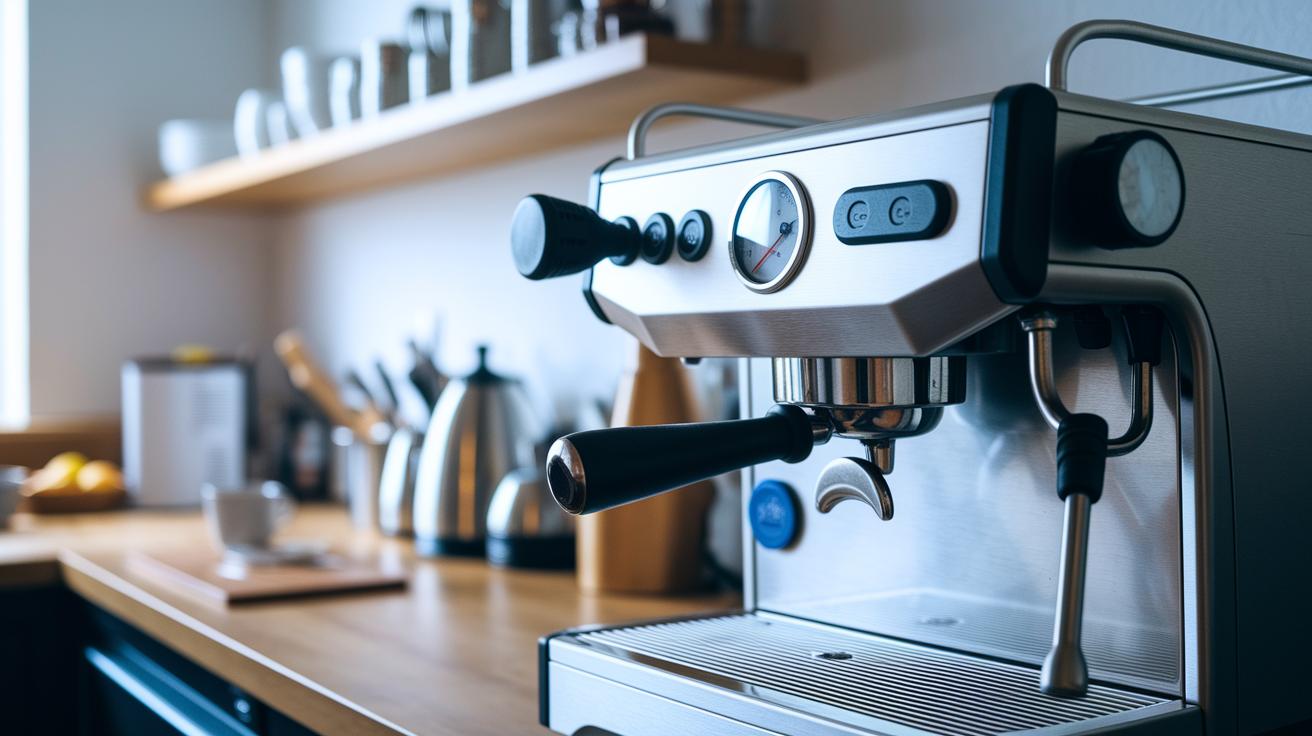
Edge analytics works like a little coach inside your coffee machine. It takes in sensor data, like readings of pressure, temperature, and flow, and quickly learns what normal looks like. Imagine your machine quietly checking its own signals, ready to spot even the smallest change before it turns into a big problem.
Running mini machine learning models right there on the spot means your coffee maker can predict issues without needing to send any data far away. This local setup can cut unexpected downtime by about 50% and even lower service costs by 30%. It’s like having a built-in mechanic who not only gives a heads-up but also sets up repairs before a hiccup can spoil your perfect cup.
Continuously monitoring sensor trends, the system notes any odd behavior, like a slight drop in temperature happening repeatedly. When it sees this early wear and tear, it flags the issue so you or the system can decide if maintenance is needed. This keeps the brew quality high and your coffee experience smooth. For more details on how predictive maintenance makes smart coffee machines even smarter, visit https://aboutjoe.com?p=225.
Improving sensor accuracy and calibration with localized processing
Localized processing keeps your coffee machine in tune, making sure its diagnostics are spot on. The built-in calibration routines are always on duty, watching for tiny changes in pressure, flow, and temperature – much like how you might notice a new hint of aroma in your favorite freshly roasted beans. Even a small sensor shift gets picked up and corrected right away, keeping accuracy steady around ±0.5%.
By blending readings from several sensors, the system smooths out any noise, a bit like a team of tasters coming together to nail that perfect flavor. This smart mix not only cuts down on errors but also sharpens overall precision. With these on-site adjustments, every part of your machine works together to create consistently excellent brews – ensuring every cup is as balanced and delightful as you expect.
Overcoming challenges and future trends in edge-based coffee diagnostics
One big hurdle with edge computing in coffee diagnostics is keeping everything secure and up to date. Smart coffee machines use small chips that don’t have a lot of power, so sending regular updates without overloading them can be tricky. Plus, making sure all sensor readings remain private and safe from prying eyes adds another layer of complexity.
Getting sensor timing right is crucial too. If the clocks on different sensors aren’t perfectly in sync, even a tiny delay can jumble the readings and mess with the brew. The fix? Tight coordination and careful monitoring of those sensor signals throughout the machine.
Looking ahead, new ideas are already brewing to tackle these challenges. For instance, quantum-resistant encryption, a method that makes it really hard for even super-smart hackers to break in, might soon protect our systems better. Blockchain could also play a role by offering an easy way to confirm that devices are genuine. In the near future, combining local edge systems with remote cloud setups might let coffee machines run diagnostics almost instantly, cutting delays down to nearly zero.
At the same time, smart software is needed to overcome the limits of current hardware. With improvements in chip design and stronger network connections, sensor networks in coffee machines are set to become even more reliable and quick at solving issues. Imagine a coffee machine that not only processes data right where it’s gathered but also chats seamlessly with a remote control center, ensuring every cup tastes just right. These emerging ideas are paving the way for smarter, safer, and more dependable diagnostics that could change how we think about the perfect cup every time.
Final Words
In the action, we covered how sensor networks teamed with edge computing transform coffee diagnostics. We saw real-time fault detection and precise calibration keep your brew spot-on every time. Localized processing means instant alerts and predictive upkeep that cuts downtime. Integrating these smart systems delivers a consistent, high-quality cup. It all adds up to a smoother brewing experience powered by leveraging edge computing in sensor networks for coffee machine diagnostics. A brighter brewing future awaits every cup.
FAQ
What is edge computing in machine learning?
The edge computing in machine learning brings data processing closer to sensors, reducing delays and enabling quick, local responses. This approach supports real-time diagnostics and immediate decision-making.
What are the three basic components of edge computing?
The three basic components of edge computing include sensor data collection, local processing units, and communication interfaces. They work together to cut delay and support real-time decisions.
Is edge intelligence the confluence of edge computing and artificial intelligence?
The edge intelligence concept combines edge computing and artificial intelligence. This mix lets local nodes analyze data with lightweight models, making for quick and smart responses on site.
What does edge computing primarily mitigate in network applications?
The edge computing approach primarily reduces latency by processing data near its source. This shortens the time required for data to travel, which is key for real-time monitoring and quick system adjustments.