

Ever thought that tiny gadgets might change the way your coffee tastes?
Today, we're chatting about two little tweaks that can make every cup feel just right.
These clever tools watch your brew's heat, pressure, and water flow, kind of like catching that perfect moment when freshly ground beans start to sing.
It’s a friendly mix of classic craft and smart tech that fills your coffee moments with extra joy.
Stick around and see how a few small changes can make your daily cup even better.
How Sensor-Based Extraction Adjustments Enhance Artisan Coffee Quality
Sensor-based extraction adjustments are a game changer in today's coffee making. They mix old-school craft with new digital tricks. For instance, tiny temperature sensors, little devices that check how hot your beans get, help roasters spot even the quickest shifts. It's a bit like catching that perfect moment when the beans start to crack. Often, old-school analog systems catch these quick hints better than digital logs.
This method works best when sensors are set up in just the right spot and the perfect tools are used. Roasters use these sensors to watch over important factors like heat, pressure, and water flow in real time. These live readings let them tweak the process while it’s happening. Designers even work to cut out extra sensor noise that could blur the results. Every sensor is chosen for its steady, reliable performance in lifting coffee quality.
Mixing these real-time checks with digital tools makes the brewing process even smoother. Insights from advanced digital extraction show that a quick tweak at just the right moment can keep the flavor balanced and true. In this way, digital gadgets and good old coffee techniques blend perfectly together.
In short, sensor-based adjustments help land that ideal flavor and smooth extraction, setting up a truly remarkable coffee experience.
Key Sensors for Extraction Parameter Monitoring in Artisan Coffee
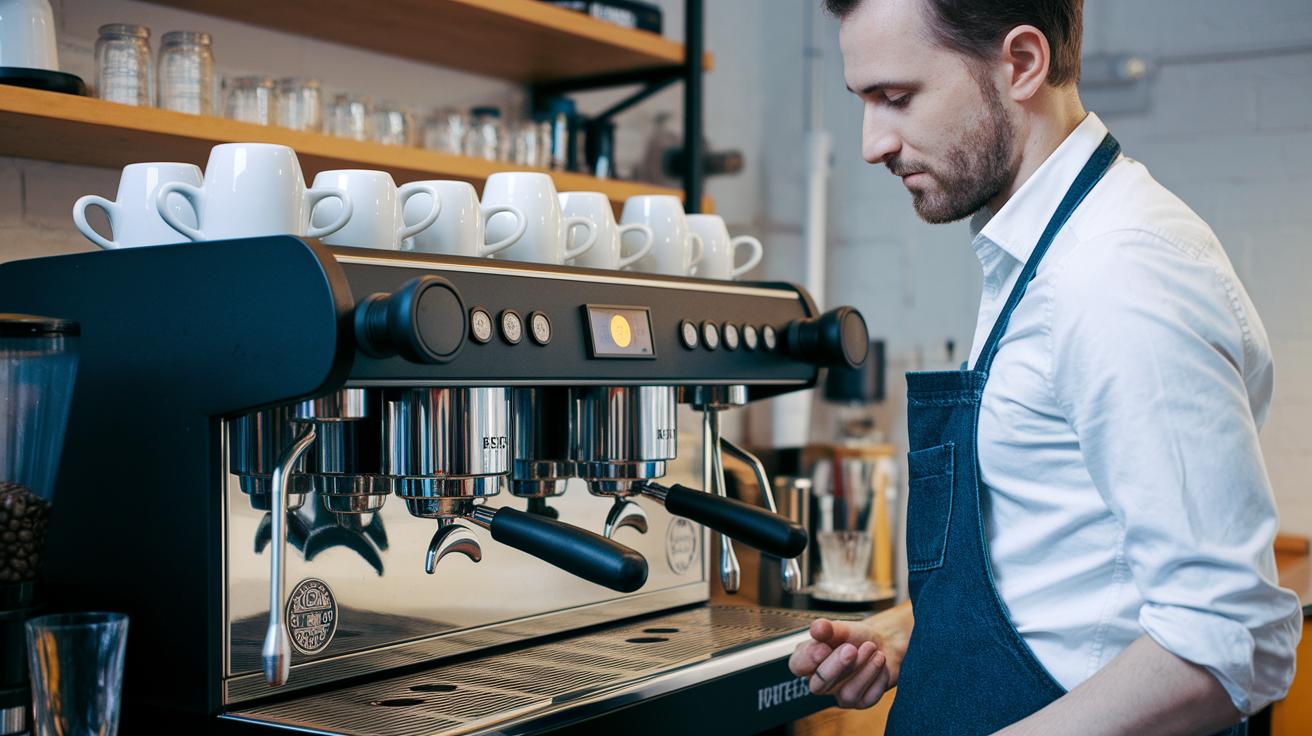
Ever wonder how your perfect cup of coffee gets that flawless taste? When brewing artisan coffee, sensors work in real time to check on the must-have details. Temperature sensors, like thermocouples and RTDs (they're just fancy names for tools that keep track of heat), measure the bean-mass temperature right at the brew group. At the same time, pressure sensors watch how water moves through the coffee, keeping an eye on the extraction curves.
Flow meters track the water flow to help fine-tune the extraction yield, while moisture sensors check whether your grind or beans have the right amount of wetness. Sometimes, good old analog methods catch sudden changes better than digital logs, a smart lesson learned from roast profiling. Thanks to breakthroughs in sensor technology and combining readings from several sensors, brewers can now create a system that precisely tweaks the extraction process.
For more detailed info on each sensor type and how to get top-notch accuracy, check optimizing sensor accuracy for consistent coffee extraction.
| Sensor Type | Variable Measured | Typical Accuracy |
|---|---|---|
| Temperature Sensor | Bean-mass or brew temperature | ±0.5 °C |
| Pressure Sensor | Extraction pressure | ±1 psi |
| Flow Meter | Water volume or rate | ±2% |
| Moisture Sensor | Grind wetness or bean moisture | ±1% |
Picking the right sensor comes down to dependability and clear readings. Brewers usually choose devices with minimal background noise and simple calibration. By carefully selecting, placing, and merging these sensors, they blend the intuitive feel of analog with the spot-on accuracy of digital. This balanced approach ensures every brew hits the quality mark, so your coffee experience is both consistent and delightful.
Sensor Calibration Methodologies for Accurate Coffee Extraction
Calibration routines are key for keeping your sensor readings spot-on. They wipe out background noise from sensors (small devices that measure things like heat and pressure) so each reading truly shows what’s happening during extraction.
Factory calibration is quick and sets a standard baseline for your equipment. Many roasters start with these ready-made routines before switching to more hands-on tweaks. Custom calibration lets you adjust settings by hand, blending the charm of classic coffee making with modern tech precision.
Reducing noise is super important for accuracy. Placing sensors in the right spot helps avoid extra heat or vibrations, and good shielding blocks unwanted signals. Automated routines keep an eye on any drift in readings and make fast fixes, balancing factory settings with careful manual adjustments to keep errors low.
Regular recalibration makes sure sensor performance matches changes in the environment. Frequent checks and fine-tuning, like keeping a log of each roast, help handle shifts in temperature and humidity. This steady routine ensures your sensor data stays reliable day after day, keeping your brew right on track.
Real-Time Sensor Analytics and Feedback in Brew Precision Tuning
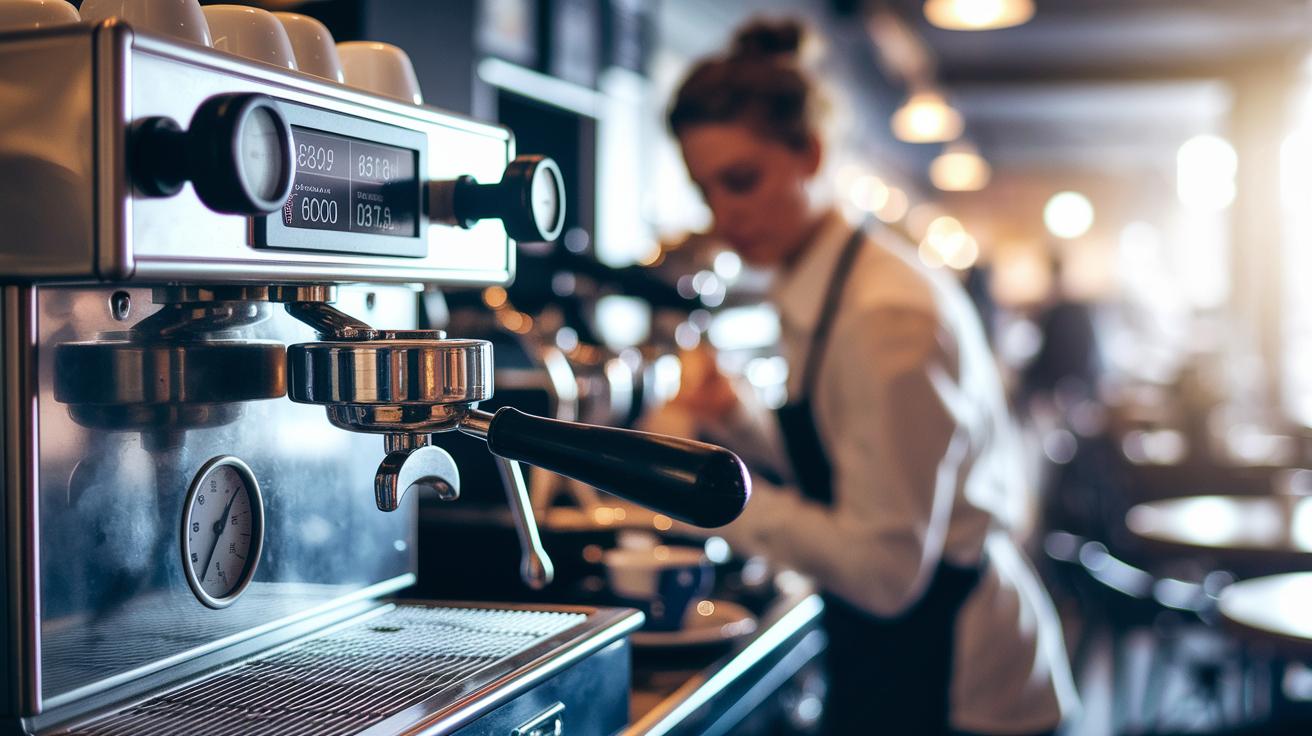
Real-time sensor analytics work like a trusty friend during coffee brewing. Live data from sensors mixes with smart control to adjust water flow and heat on the fly. This means our artisanal process marries classic techniques with modern tweaks, ensuring each cup has that perfect balance.
Pressure Profiling Data Processing
Sensors check the pressure as water travels through the coffee bed, keeping an eye on how fast or slow it moves. Think of it like a quick check to see if the water is rushing or getting a bit stuck. When the sensors catch a sudden change, the system instantly adjusts the pump speed so the brew doesn’t overdo it. It’s a neat, immediate feedback loop that helps the water spread just right, making every cup better.
Temperature Feedback Loops
Temperature sensors are busy watching the brew’s heat all the time. If the temperature drifts too high or too low, the control system tweaks the heater output immediately. This keeps the coffee at a steady, perfect warmth, much like your favorite cozy spot on a chilly day. With these adjustments, each cup gets the ideal thermal treatment for a flavor that’s just right.
Integrating Sensor Data with Craft Brewing Techniques for Optimal Flavor
A recent case study at a neighborhood café shows how new sensor fusion technology is enhancing coffee brew profiles. Picture this: smart sensors mix live data with a pinch of machine learning, kind of like comparing today’s espresso pull with notes from past roasts. One brewer shared, "A quick sensor check revealed small temperature dips that our old logs missed, so we tweaked the recipe to brighten the cup." This mix of modern tech and classic record-keeping brings a fresh twist to brewing.
Some brewers are now using sensor fusion to tackle unpredictable weather changes right at the source. For instance, one day rising humidity threw off the water temperature during extraction. Thanks to predictive feedback from the sensors, baristas could quickly adjust grind sizes and brew times, keeping every cup consistent. It’s a smart blend of new data tools and the timeless art of coffee making.
In one shop, comparing old handwritten notes with digital dashboards sparked clear improvements. The combination of real-time sensor data with traditional notes led to a noticeable increase in flavor clarity and balance in each brew. This unique bond between data and craft is pushing the art of brewing into exciting, new territory.
Case Study: Automated Moisture and Temperature Control for Consistent Extraction
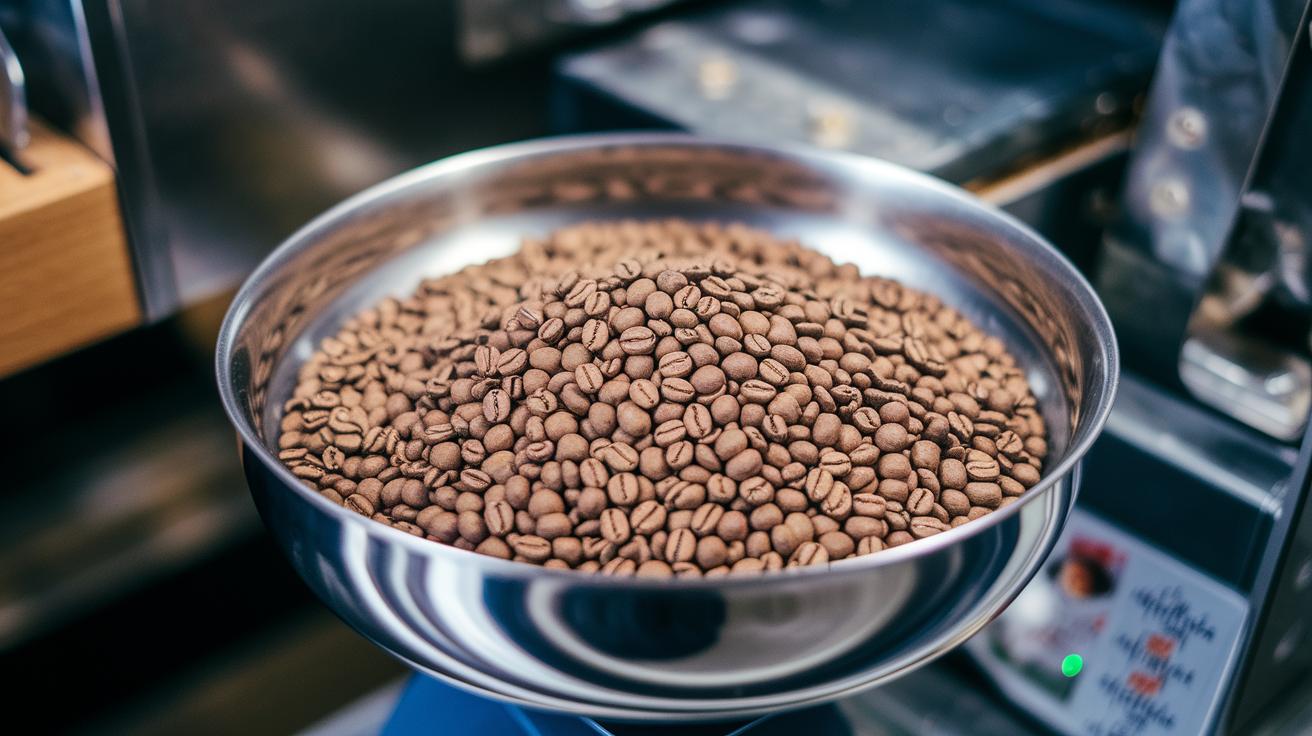
We recently ran a test on roast moisture control that gave us clear numbers for ideal pre-brew settings. In our trial, we added 2.75 lbs of filtered water to 37.25 lbs of green coffee to complete a 40-lb batch. This careful rehydration hit a comfy moisture range of 12 to 16 percent to keep the weight just right and avoid wasting energy during roasting. Every little bit counts, much like when you’re dialing in a perfect roast.
| Parameter | Value | Purpose |
|---|---|---|
| Moisture Content | 12–16% | Ensure consistent grind water absorption |
| Water Addition | 2.75 lbs to 37.25 lbs | Maintain target extraction mass |
This method of checking and adjusting moisture shows that even small tweaks before brewing can lead to steady extraction. With careful control, brewers can count on a consistent, balanced taste in every cup. It also keeps roasting equipment from working too hard and saves on energy. Using these sensor-driven moves sets a high bar for artisan coffee production, making every step count as much as the final flavor.
Best Practices for Automated Process Monitoring in Artisan Coffee Brewing
Along with your usual sensor checks and logging, try using smart data tools and combining sensor signals to keep an eye on your brew in real time. For example, imagine mixing temperature readings with water flow info to spot small changes before they spoil your coffee. One time, an algorithm noticed a slight drop in temperature while the flow stayed smooth, signaling that the sensor might be aging. This lets you catch issues early and tweak your brewing setup before things go off track.
Today’s new diagnostic tools can sift through large amounts of data to spot tricky patterns that regular checks might miss. By blending signals from several sensors, you get a fuller picture of your brewing process. Think of it like this: if one sensor acts weird, other sensors can confirm if something’s really off. You might even get an alert saying, "Sensor drift detected based on combined temperature and water flow data." This approach helps you stay ahead with maintenance, ensuring your brew always meets that perfect standard.
Final Words
In the action, we saw how using real-time sensors can fine-tune every step of the brew process. Each section highlighted the precision of sensor data, from monitoring temperature and pressure to blending it with craft techniques.
Breaking down complex tech into digestible steps added clarity and warmth to our discussion. Sensor-based extraction adjustments in artisan coffee bring a bright path toward consistent, delicious experiences. Keep experimenting and enjoy every sip.
FAQ
Q: Best sensor based extraction adjustments in artisan coffee
A: The best sensor-based extraction adjustments in artisan coffee use real-time data from temperature, pressure, and flow sensors to fine-tune brewing parameters, ultimately boosting yield and flavor consistency.
Q: Artisan Phidget setup
A: The Artisan Phidget setup integrates sensor hardware to monitor bean-mass and brew temperature, ensuring you receive precise, reliable data for making accurate roasting and extraction adjustments.
Q: Artisan compatible roasters
A: Artisan-compatible roasters accept detailed sensor inputs and dynamic settings, allowing the system to optimize roast profiles by automatically adjusting parameters based on live data.
Q: Artisan roasting software
A: The Artisan roasting software offers real-time analytics and sensor integration to help adjust roast curves on the fly, ensuring each batch achieves a balanced and expressive flavor profile.
Q: Artisan software manual
A: The Artisan software manual provides step-by-step instructions on sensor calibration, software setup, and troubleshooting, making it easier to maintain accurate roast and extract profiles.
Q: Setting up Artisan roasting software
A: Setting up Artisan roasting software involves installing the program, connecting compatible sensors, and calibrating them so that your system accurately monitors roast and brew conditions.
Q: How to use Artisan coffee software
A: Using Artisan coffee software means initializing sensor connectivity, watching real-time data, and adjusting brewing parameters on the fly to maintain consistent and satisfying coffee flavor.
Q: Artisan RoR settings
A: The Artisan RoR settings let you configure roast profiles and sensor thresholds, ensuring that temperature and pressure adjustments are managed accurately throughout the roasting process.
Q: How to connect thermocouple to artisan?
A: Connecting a thermocouple to Artisan involves plugging the sensor into the correct port, calibrating the software with its data, and verifying that temperature readings reflect the true roast conditions.
Q: What temperature is best for roasting coffee?
A: The best temperature for roasting coffee varies with roast style; using precise sensor data helps maintain a steady range that develops the intended flavor profile and roast intensity.
Q: What does charge mean in coffee roasting?
A: In coffee roasting, charge refers to the phase when green coffee beans are loaded into the roaster, with sensor feedback ensuring an even start for temperature and roast consistency.
Q: How do I change my artisan to Celsius?
A: Changing your Artisan to Celsius is simple: navigate to the settings menu, select the temperature unit option, and switch from Fahrenheit to Celsius for consistent and precise monitoring.