

Ever thought a quick scan of coffee beans could unlock the secret to the perfect flavor? Today’s modern tools mix simple data checks with traditional taste tests. Picture a little gadget that examines each green bean like it's reading a hidden message, checking its size, moisture, and even small flaws. This new method turns guessing into clear, data-backed choices. Digital measurements are changing how we judge coffee quality, making every cup just right.
Digital metrics reshaping coffee quality standards
Imagine having a cool gadget that scans your green coffee beans and predicts the final flavor before you even brew your cup. That's the magic of today's high-tech coffee check-ups! AI-powered tools mix digital measurements with traditional taste tests to give each batch a unique profile.
Take, for example, a portable near-infrared spectrometer. This handy device uses light to peek into your coffee beans, measuring things like grain size, weight, and moisture. It builds a chemical fingerprint that hints at the coffee's taste, almost like a sneak preview.
On top of that, high-resolution cameras snap multiple angles of every bean. Digital analytics then quickly crunch these details, slicing the grading time and catching any defects, much like giving each bean its own fast digital report card.
These digital metrics also keep a real-time eye on quality. Detailed data lets producers track bean quality and flag issues instantly. This boosts traceability and makes pricing fairer, ensuring both growers and buyers get exactly what they deserve.
In blending smart machines with rapid data analysis, traditional coffee methods are getting a modern twist. Quality control shifts from guesswork to clear, science-based decisions, making every cup consistently high-caliber.
It's a refreshing mix of innovation and tradition that honors the rich, sensory experience of a great cup of coffee. Isn't it amazing how technology can make your daily brew even better?
Data-driven coffee analytics in quality assessment
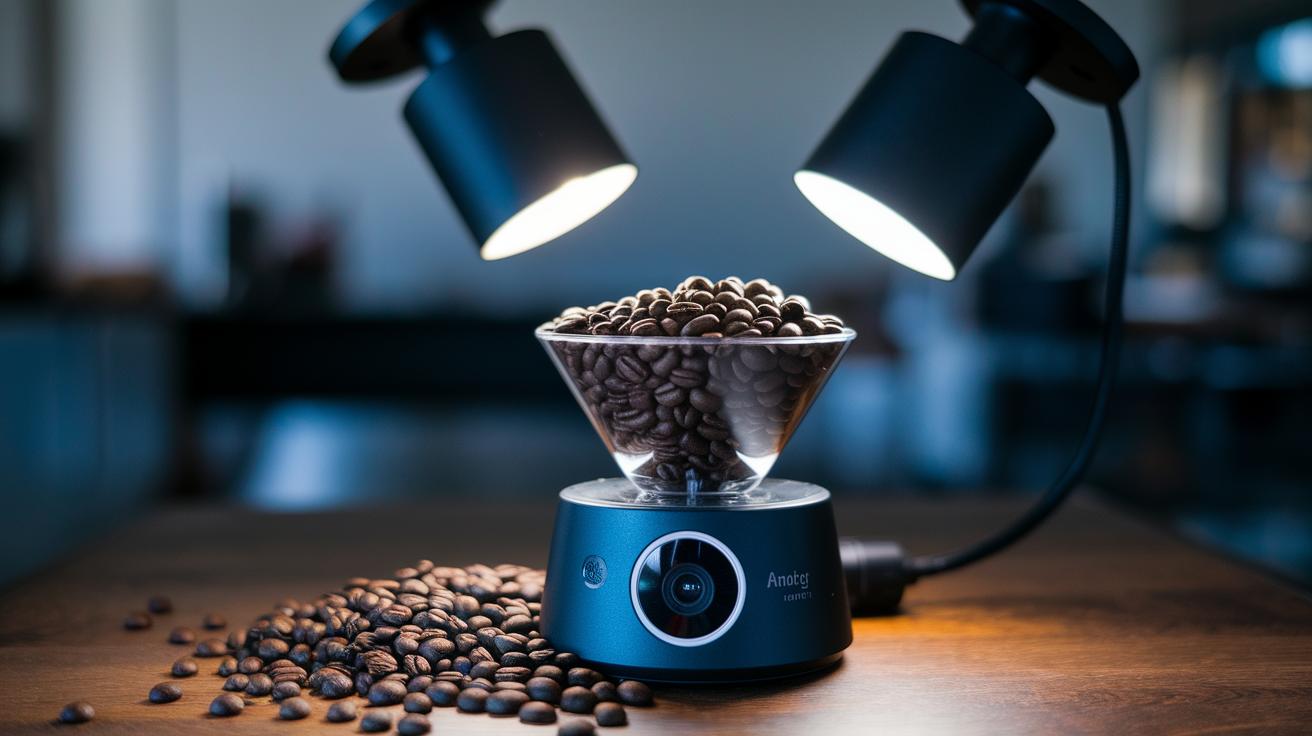
Imagine checking coffee quality with some really smart digital tools. Producers today mix electronic scans with simple data checks to figure out just how good a bean is. One neat machine can handle up to 500 grams of green coffee in only four minutes. It uses a clear, high-res camera and AI, basically a computer that sees details, to snap pictures of each bean on both sides, giving a quick rundown on size, shape, and any little flaws. Ever wonder how fast that is? It’s like a camera catching every detail in a blink.
Then there’s another tool that only needs 50 grams of beans. This one shines light (yes, it looks at light from the visible and near-infrared range, which is a fancy way of saying it sees more than our eyes can) to turn raw data into flavor scores and aroma hints. It’s super quick and perfect for makers who need fast, clear checks on quality.
There’s even a portable gadget that uses near-infrared light and smart learning to measure moisture, weight, and size. It builds what’s called a “chemical fingerprint” of each bean, a bit like getting a mini weather report for your coffee that hints at your cup’s future flavor.
And let’s not forget an AI-driven sorter that uses two 4K cameras, a burst of compressed air, and a touch panel to spot and sort out bad beans in real time. It tells you the percentage of defects right as the beans move along the line, helping makers tweak things on the fly.
All these smart tools work together to bring a fresh, data-driven take on coffee quality. With clear numbers and speedy results, coffee makers can blend cutting-edge tech with the traditional art of tasting, ensuring every cup is as great as it can be.
Sensor-based grading systems for coffee quality standards
This system skips the details we already discussed and focuses on fresh features like a 10.1-inch touch panel and a mobile app that works right away. The CS One sorting machine still uses two 4K cameras to snap high-detail images and spot both major and minor bean problems, just as industry standards demand. Now, the results show up instantly on that 10.1-inch screen and sync with a mobile app, so coffee makers get instant feedback. For example, if a bean flaw is detected, the operator sees a message like "Defect detected at 02:35 PM" right on the display.
High-speed CMOS cameras paired with LED lights create clear batch reports and tie every check to easy-to-follow records. This clever tracking system lets the team make quick fixes on the line. It works a lot like when you see a text alert on your phone: once you tap it, you immediately know what to fix or address.
Predictive performance models in coffee quality standards
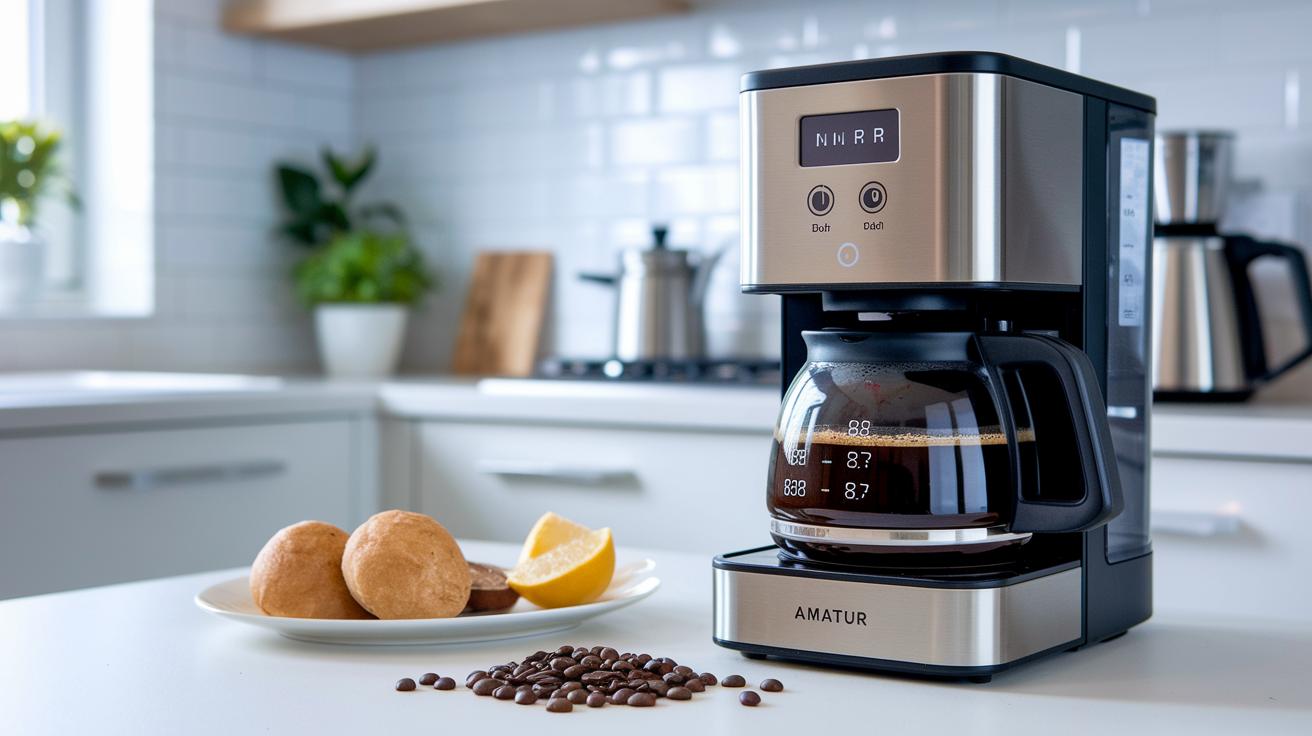
Imagine a coffee maker that can peek right into the heart of each bean. Using handy NIR spectrometers, devices that use light to check key details, and smart machine learning, these tools measure moisture, weight, and size. They then craft a unique chemical fingerprint, like a secret code that hints at flavor and overall quality. Sometimes, your phone might even show a score like "Aroma: 8, Body: 7," a mini weather report for your brew before you even start.
This clever system works with automated feedback loops, much like a car’s dashboard reminding you when to check your oil. When the tech spots a change in a bean, it nudges the process to adjust in real time. Imagine your roasting machine quietly tweaking its temperature based on an instant signal, that’s how these models help keep your coffee tasting just right.
Soon, planned ERP integration will take things even further by feeding this smart data directly into the roasting and blending systems. It creates a smooth, closed-loop quality control system, where every step, from sorting to the final cup, is refined by data-driven decisions. It’s like having a barista who’s always one step ahead, ensuring every cup is brewed to perfection.
See more on ML-based flavor forecasting here: data-driven coffee brewing insights.
Electronic traceability solutions for coffee quality standards
Now devices keep a digital record of every step in coffee production. They track bean grading, check for defects, and save production details. Each phase, from roasting to sorting, is logged and linked with supply-chain records using systems that work like big digital ledgers. Imagine a digital diary that follows your coffee beans all the way from the roaster to your cup. It keeps everything clear and easy to trace.
Remote diagnostics add another layer of help with easy-to-read mobile app reports. These reports show quick problems and trends that build up over time. Coffee makers can see small quality changes right away, allowing them to adjust roasting or sorting methods as needed. Picture a technician checking an app report and spotting a tiny change in the roast before it becomes a bigger problem.
The whole system makes the supply chain more open and easy to follow. Every batch’s info is stored digitally and mixed with production records. This gives everyone a clear picture of the coffee’s quality at every step, keeping the process smooth and accountable.
Emerging digital metrics trends for coffee quality standards

Cloud-based analytics tools are totally reshaping how we check the quality of our coffee by moving dashboards into the cloud. This means producers can easily tap into quality reports on their phones whether they're at the roaster or on the shop floor. Imagine pulling out your smartphone and watching interactive charts that update in real time, like getting a live score for your coffee's flavor potential. For instance, you might see a message on-screen saying "Roast Score: 92" just before your next batch is brewed.
These new systems go way beyond the old static reports. They use smart, flexible scoring that adjusts as new data comes in, so you can keep an eye on everything from roasting to brewing to distribution without having to switch between different apps.
Plus, predictive quality tools now join forces with smart dashboards that use AI to alert you about potential hiccups before they turn into big issues. This clever setup makes it easier to keep up with changes in production, ensuring that every cup of coffee meets high standards without skipping a beat.
Final Words
In the action of examining key digital tools for coffee perfection, we covered sensor-based systems, AI-driven analysis, and predictive models that fine-tune each batch.
Tech like NIR spectrometers and smart imaging offer real-time insights on bean quality and traceability. This hands-on blend of digital innovation and classic brewing shows how digital metrics are reshaping coffee quality standards, paving the way for consistently perfect cups every time.
FAQ
How are digital metrics reshaping coffee quality standards?
The digital metrics are reshaping coffee quality standards by combining AI, sensor data, and imaging tools to measure bean moisture, weight, and defects rapidly. This method produces clear quality results and traceability that speeds up grading.
What digital tools are used to assess coffee quality?
The digital tools include near-infrared spectrometers, high-resolution cameras, and AI sorting machines. Each helps measure bean attributes and defects, creating predictive profiles that guide quality control with speed and precision.
How do sensor-based grading systems improve quality control in coffee production?
The sensor-based grading systems use specialized cameras and real-time monitoring to spot defects quickly. The instant quality scores help adjust operations promptly, keeping production efficient and beans up to standard.
How do predictive performance models influence coffee quality assessment?
The predictive performance models merge spectrometer data with machine learning to forecast flavor profiles and cupping scores. This approach directs adjustments in roasting and blending, making each batch consistently enjoyable.
How do electronic traceability systems contribute to maintaining coffee quality standards?
The electronic traceability systems link grading metrics with production timeframes by offering online reports. They provide clear overviews of defect rates and batch quality which help maintain transparency across the process.
What benefits do emerging digital metrics trends offer for coffee quality control?
Emerging digital trends bring cloud dashboards and mobile access, making it easy to view real-time quality data. Interactive visuals and dynamic scoring methods support continuous monitoring and improve final coffee quality.