

Ever wonder if your old coffee maker is keeping you from the best brew you could enjoy? Imagine a few simple upgrades that let your machine check water temperature, flow, and pressure, no guessing needed. This guide shows you how to add a bit of smart tech to your trusted coffee maker so you get that perfect cup every time. Picture your machine working with modern precision while still delivering that warm, familiar taste that feels like home. Ready to see how a few small tweaks can make a big difference in your morning cup?
Roadmap to Digitally Upgrading Traditional Coffee Brewing Methods
Ever thought about giving your old coffee maker a smart twist? This guide shows you how to add digital controls to your classic brewer so you can enjoy a perfectly balanced cup every time. By installing sensors that check water temperature, flow speed (how fast the water moves), and brew pressure, you remove all the guesswork from brewing, imagine sensors acting like a little stopwatch for every step.
This update gives your trusted machine a fresh, modern boost while still keeping that familiar taste. We’ve broken it down into easy steps that work whether you’re just starting out or you’re a coffee-tech pro. It’s all about blending modern upgrades like sensor installation, calibration (that’s fine-tuning to get things just right), and firmware configuration into a method that makes your coffee routine smoother and more consistent.
| Step | Description |
|---|---|
| Assessment of existing equipment | Check what parts of your machine need an upgrade. |
| Hardware retrofitting | Add new components to work with digital tech. |
| Sensor integration | Install sensors to monitor water temperature, flow, and pressure. |
| Interface setup | Create a simple control panel to manage the settings. |
| Automated workflow testing | Run tests to make sure everything works in harmony. |
At each stage, you’ll see clear improvements. Start by assessing your current setup to know what needs tweaking. Then, hardware retrofitting and sensor integration work together to provide accurate readings while the new interface keeps things friendly and straightforward. When automated testing confirms every part is in sync, you end up with a system that adjusts brew settings on its own and produces consistently great coffee, all with a smoother, streamlined operation from start to finish.
Retrofit Conversion Strategy for Traditional Coffee Equipment
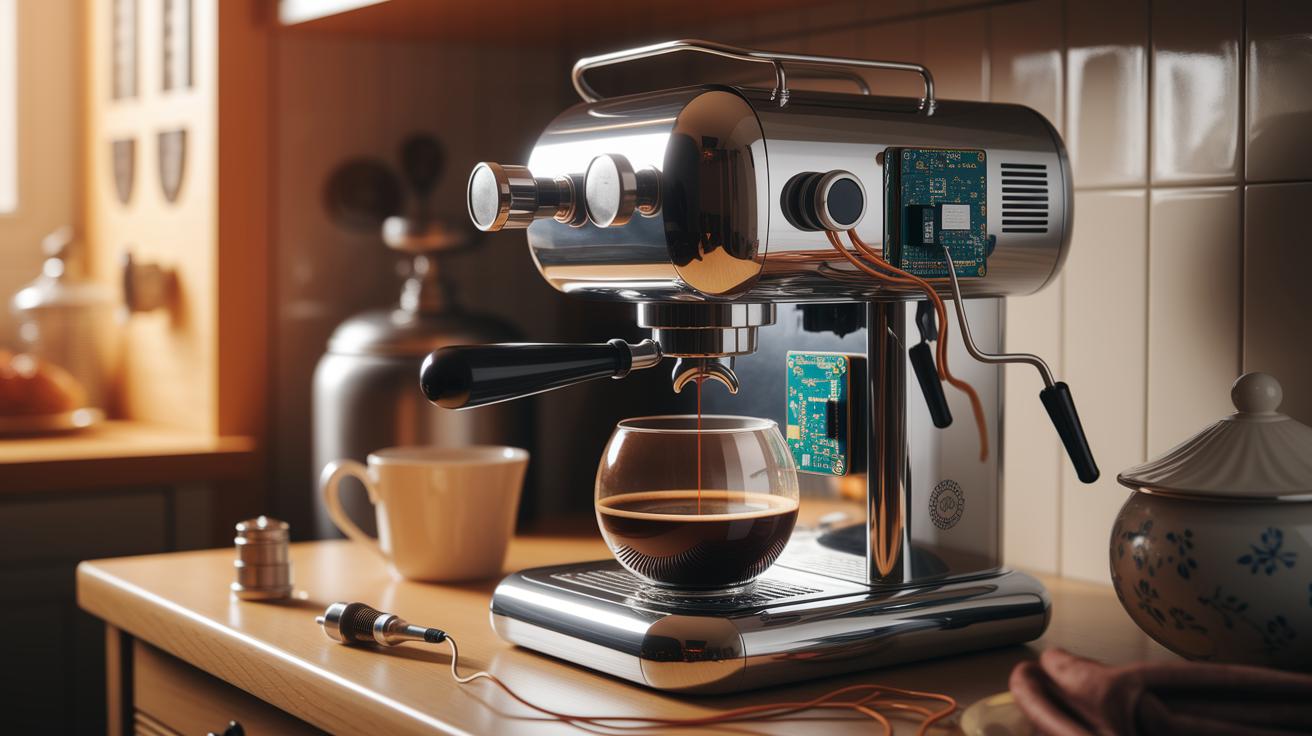
If you have an older coffee machine, giving it a smart upgrade can add digital precision to your brewing. By installing modern sensor modules and microcontrollers (small computers that help control your machine), you can fine-tune the temperature, flow, and pressure. This means every cup becomes consistently delicious, almost like magic.
| Component | Function |
|---|---|
| Microcontroller Board | Processes sensor inputs and manages digital controls |
| Temperature Sensor | Checks water temperature during brewing |
| Flow Meter | Measures the water flow rate for accuracy |
| Electronic Valve | Controls water release precisely |
- Soldering iron with a fine tip
- Digital multimeter for checking circuits
- Precision screwdriver set
- Wire strippers and crimpers
When you work on a retrofit, safety should always come first. Always unplug your machine before starting any modifications. It helps to use parts from trusted suppliers and check that they work with your machine. For example, verifying the voltage requirements when installing a microcontroller can prevent problems, much like checking your gear before a big adventure. Wearing protective gear such as goggles and gloves, and handling sensor modules with care, will keep you safe and your equipment running smoothly.
Smart Sensor Calibration Techniques in Coffee Brewing
When it comes to a great cup of coffee, having your sensors in top form is like knowing your regular's order at the coffee shop, you just get it right every time. Our sensors check stuff like water temperature (around 195 to 205°F), flow speed, and pressure to make sure that every brew has the perfect mix of flavors. Even a small slip-up can turn a bright, lively cup into one that feels a bit off.
Here’s how we keep things in check:
- We zero the sensors.
- We compare the temperature with a trusted thermometer.
- We fine-tune the pressure levels.
- We confirm the flow rate.
Sometimes, you might notice that sensors slowly wander off track or that water pressure starts acting up, throwing your perfect brew into chaos. That’s why we suggest setting up regular check-ins, daily for office machines or weekly for your home setup, to catch any hiccups early. If the sensor probes get misaligned or if there’s a slight lag in their response, a little maintenance can go a long way.
Having a regular calibration routine isn’t just about preventing mistakes, it’s about keeping your system reliable. With these simple practices, you can be sure your machine adjusts quickly, making every cup as consistent and delicious as that first perfectly brewed cup of the morning.
Wireless Connectivity Tutorial and Mobile Application Control
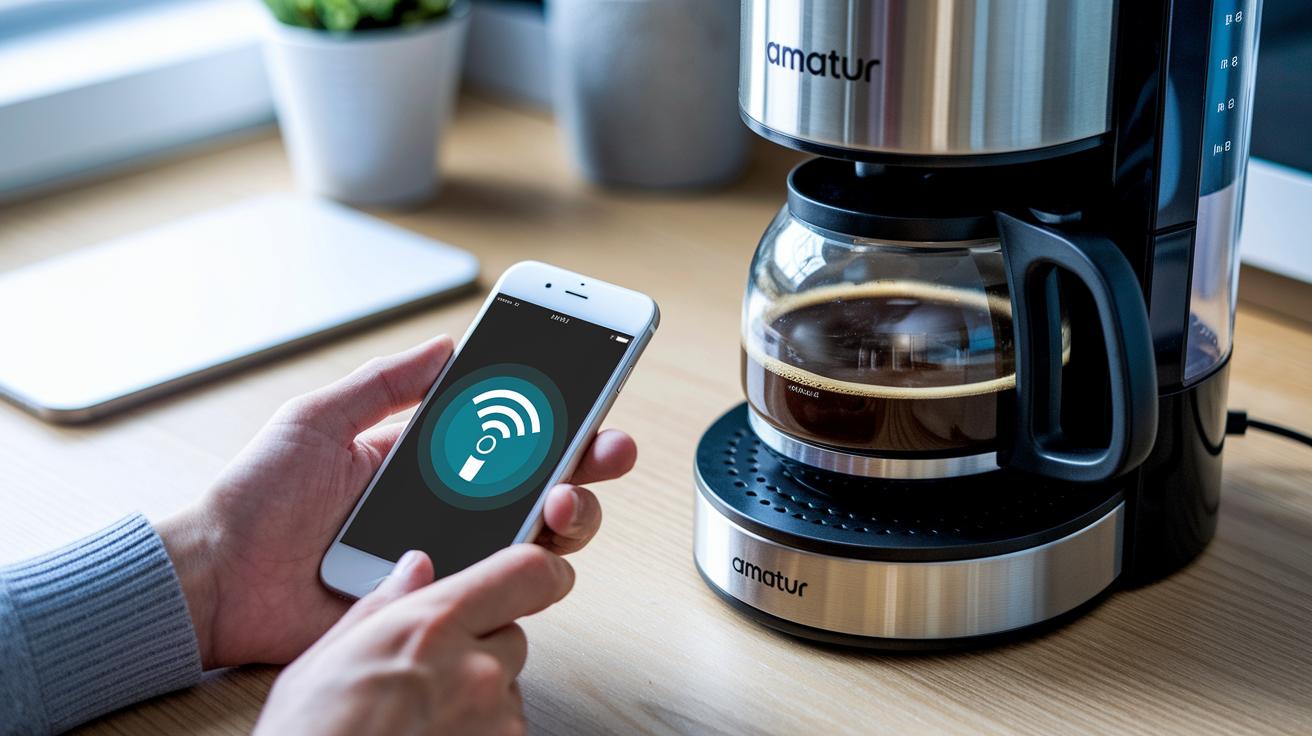
There are a few ways to control your upgraded coffee machine with digital tools. You can hook it up using Wi-Fi, Bluetooth, or even a USB cable to link it to your mobile app or touchscreen. Each of these choices makes it a breeze to monitor and control your machine, letting you adjust your brew from your phone quickly and easily.
- First, connect through Wi-Fi. Open your machine's network settings and join it to your home router.
- Next, set up Bluetooth by switching your machine to Bluetooth mode and pairing it with your phone for a fast, short-range connection.
- Or, use USB tethering by plugging your machine directly into your computer or mobile adapter for a steady, wired link.
Once you're set up, take a few minutes to explore the touchscreen interface. Tinker with the menu options and settings until you find a display layout that feels just right, everything you need for controlling your brew is right at your fingertips.
And don't forget about security! Always use strong network passwords when connecting via Wi-Fi and update your machine’s firmware regularly. This way, your temperature, pressure, and brew time settings stay safe from any unwanted tweaks. With these simple precautions, you can enjoy your coffee knowing that every cup will be consistently delightful.
Algorithmic Recipe Formulation and Brew Process Automation
Imagine turning your brew routine into a smart operation that adjusts itself just like your favorite coffee machine. With digital recipe logic, you can tweak things like water volume, temperature (which means how hot your water gets), and brew time with just a few taps. It even lets you set a coffee-to-water ratio of 1:16 and pick a brew time between 4 and 10 minutes, so every cup tastes exactly how you want it.
Ever heard of the 80/20 rule? It means that 80% of your flavor comes from just 20% of the process. Then there’s the 15-15-15 rule, which uses a 15-gram dose of coffee, a 15-second bloom, and a 15-second extraction to create a balanced, full flavor. For a bolder cup, try the 2:1 ratio where the coffee strength is set by mixing two parts coffee with one part water. And if you like playing with precision, the 10-second pulse method sends water in short bursts every 10 seconds to fine-tune the taste.
- 80/20 rule: Focus on extracting most of the flavor early on.
- 15-15-15 rule: Keep the coffee, bloom, and extraction phases in perfect balance.
- 2:1 ratio: Boost the strength of your espresso with a simple ratio.
- 10-second pulse method: Deliver small bursts of water for an exact extraction process.
| Rule | Parameters |
|---|---|
| 80/20 | 80% flavor in 20% of the brewing process |
| 15-15-15 | 15 grams of coffee, 15-second bloom, 15-second extraction |
| 2:1 | Uses a 2:1 coffee-to-water strength ratio for a bold shot |
| 10-second | Short, controlled pulses every 10 seconds for precision brewing |
After you set up these digital brew profiles, just upload them to your machine and let it adjust everything automatically with each cycle. Test a few brews and check the sensor logs to make sure the water temperature, flow, and pressure match what you planned. This careful check helps you keep the perfect balance of flavors so every cup feels just right.
Data Logging Framework, Diagnostics, and Firmware Update Procedures
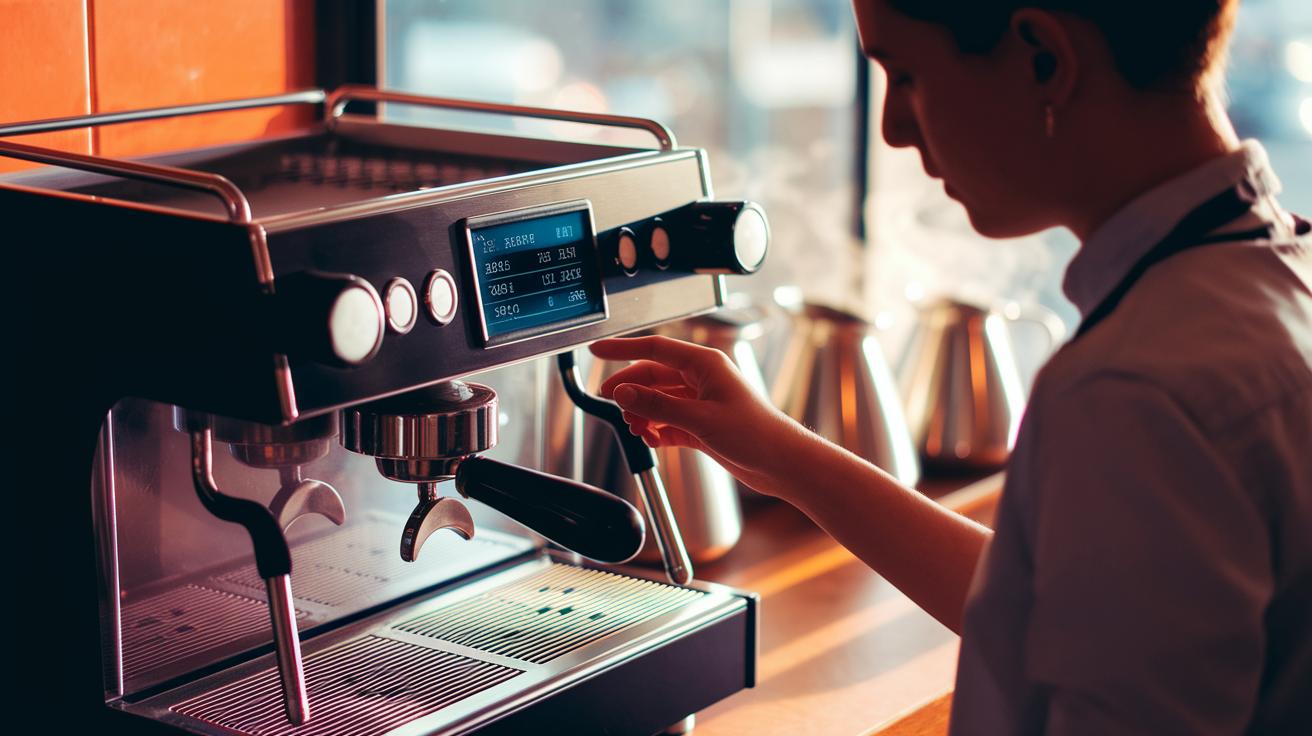
Digital systems that record pressure and temperature logs help keep every cup tasting just right. By noting these details, you can cut down differences between cups by up to 60%. It’s like having a little progress report from your machine, showing if anything's off before you even notice.
These logs help you catch tiny changes, maybe a slight dip in water pressure or a small change in heat. With this info, you can fine-tune your process, like setting the right flow or tweaking the pressure. Regular checks mean you know exactly when your system needs a bit of care or an update.
- Log retrieval
- Anomaly detection
- Threshold adjustment
- Feedback loop tuning
- Firmware installation
Reviewing these details lets you spot repeating patterns in your brew. Say you notice the pressure shifts just a little over time; you can adjust your machine to keep the taste spot-on. This routine check is like a recipe for perfect flavor, nailing each setting to match your favorite cup.
Updating firmware is an easy way to keep your machine breezy and secure. Whether it’s through USB or Wi-Fi, these updates, combined with regular backups of your log data, make sure you're always ready to brew your best cup, every single time.
Troubleshooting and Maintenance for Digital Coffee Brewers
Sometimes your digital coffee brewer might start acting up, and you could notice things like temperature readings that aren’t quite right or sensors that seem off. These issues can mess with your daily brew routine and lead to coffee that doesn’t taste as consistent as you’d like.
Here’s a quick rundown of what might be happening:
- If your temperature readings are jumping around, try recalibrating the sensor and testing its accuracy.
- When the sensor drifts over time, give it a routine check to keep it in line.
- If the water isn’t flowing steadily, inspect the flow meter and adjust its settings.
- For any irregular pressure changes, take a look at the pressure sensor and fine-tune it.
- And if you see unusual energy spikes, review your system’s energy metrics and tweak things as needed.
Keeping your brewer running smoothly is all about regular preventive maintenance. Think of it like checking your car’s oil, it’s a small step that makes a big difference. By logging energy use and checking sensor drift on a regular basis, you can catch little issues before they turn into big problems, and you might even save some energy while you’re at it.
Finally, when it comes to replacement parts, stick with suppliers who know coffee equipment inside out. Checking costs in advance and keeping a few key parts handy will save you time and money, ensuring that your machine stays in top shape without any unexpected hiccups.
Final Words
In the action, the article outlined how digitally upgrading traditional coffee brewing methods can transform your daily brew. We covered everything from sensor calibration and retrofitting legacy equipment to wireless controls and automated recipes.
Each step ties smart diagnostics with modern tech for a consistent, quality cup every time. Experience the blend of precision controls and real-time data logging that makes every brew feel just right. Enjoy savoring your perfected cup!
FAQ
What are some common coffee brewing methods and their benefits?
The common brewing methods include drip, French press, espresso, and cold brew. Each method offers unique flavor profiles and pros and cons. Visual charts and PDFs online help compare them effectively.
How does digitally upgrading traditional coffee brewing methods work?
The digital upgrade means retrofitting older machines with smart sensors and controls. This process enhances precision in measurement and consistency in extraction for your daily cup.
What is the best approach to making great coffee at home for one person?
The best approach involves using a single-serve method like manual pour-over or a compact machine. This setup reduces waste and lets you fine-tune flavor just for your taste.
What does the 15-15-15 rule for coffee brewing mean?
The 15-15-15 rule means letting coffee bloom for 15 seconds, using a set amount of coffee, and targeting a 15 percent extraction ratio to balance flavor and achieve a smooth cup.
What does the 80/20 rule for coffee brewing imply?
The 80/20 rule implies that 80 percent of the flavor typically comes from 20 percent of the extraction process. This guides adjustments to achieve a fuller, well-rounded taste.
What is meant by the golden rule for coffee brewing?
The golden rule is about balancing the coffee-to-water ratio, temperature, and brew time. This balance produces a cup that is consistently flavorful and well-extracted.
What does the 46 method of coffee brewing involve?
The 46 method involves a timed process where a 4-minute extraction paired with a 6-second pulse technique controls brew dynamics, ensuring smooth flavor without over-extraction.