

Ever wondered if just a few milliseconds could change your espresso? It might sound small, but even a tiny sensor delay can shift the water flow and mess with the way your coffee is extracted.
Think of it like this: a small lag can throw off that perfect mix of pressure and flavor that makes your cup so unforgettable. Today, let’s dive into how these quick sensor readings affect every shot. It just goes to show that each split-second truly counts when crafting your ideal cup.
How Sensor Response Times Dictate Espresso Shot Quality
Sensor response time is simply the delay between when a sensor notices key chemicals in an espresso and when it sends that information along. Imagine an Italian sensor picking up these signals in less than a second. Even a tiny delay, just a few tens of milliseconds, can change how the coffee extracts. For example, tests show that when the temperature goes up by 1°C, the flow in the second half speeds up by 0.1 seconds. In everyday terms, this means that keeping the sensor lag under 100 milliseconds is crucial for a perfect shot.
When a sensor is slow, it can mess with the flow, pressure, and yield of your espresso. A late signal can mean water moves through the coffee grounds a bit differently, which might affect the taste of your drink. Take one test: using an 18-gram dose to get a 40-gram yield at temperatures from 80°C to 95°C, even small temperature changes made a real difference in extraction. Start with a surprising fact: "A 1°C increase in brewing temperature sped up the flow by 0.1 seconds during the latter half of extraction." This really shows why fast sensor feedback is so important to keep the balance just right.
Good sensor integration in artisan coffee machines (https://aboutjoe.com?p=92) means the sensor helps monitor and adjust the brew in real time. Baristas depend on these quick readings to tweak pressure and flow just so every shot hits the mark. Even a slight sensor delay can change the water's resistance as it passes through the grounds, which in turn shifts the extraction yield and the overall taste. In short, modern sensor tech is a big part of brewing consistently great espresso.
Techniques for Measuring Sensor Response Time in Espresso Equipment
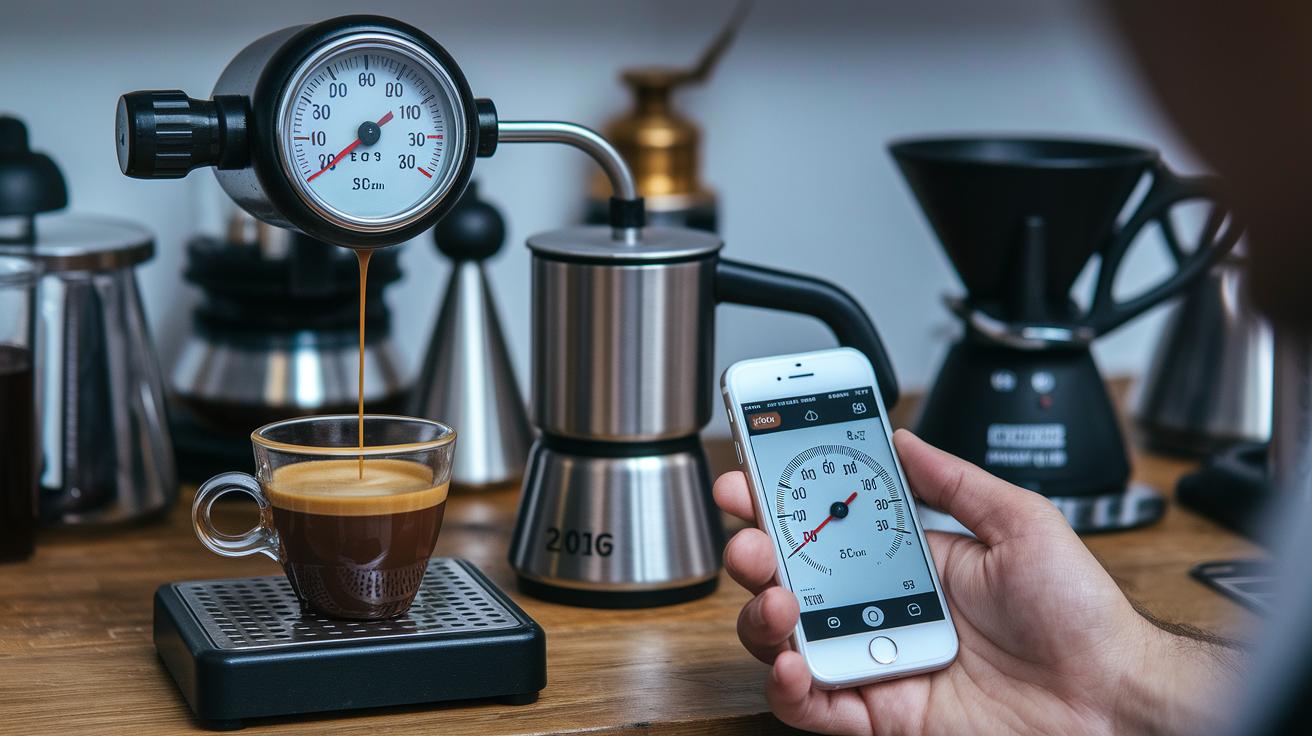
Getting the sensor response time right is key to mastering the espresso extraction process. In our tests, we mix things up by randomizing the brew temperatures between 80°C and 95°C. This keeps the equipment from heating the same way every time, so we can really focus on the sensor's reaction. We note the shot times when the brew hits 20 grams and then again at 40 grams, giving us a clear snapshot of the sensor's performance.
We use fast data logging with precise time stamps to catch even the tiniest differences. Think of it like timing the first beat of a favorite song when the espresso reaches 20 grams. Even a small delay can shift the balance of the extraction, which is why every moment matters.
Our testing method separates the sensor's response from the everyday ups and downs in brewing. By using randomized controls, we confirm that any slight changes in total shot time are due to the sensor. Comparing multiple shots helps us see whether it's really the sensor acting up or just normal brewing variation.
Regular calibration of the equipment is just as important as checking your favorite coffee blend. Routine checks make sure the sensor is always tuned and ready to deliver real-time, accurate data before each shot is made.
Impact of Sensor Lag on Extraction Yield and Coffee Consistency
Imagine sharing a cup of joe and chatting about a tiny delay, a few tens of milliseconds, that can gently change your coffee's caffeine balance. Even a small 0.1-second shift during a shot might move the extraction yield by less than 2%. It’s like a tiny pause that brings a slight change in flavor intensity, noticeable if you’re paying close attention.
CO₂ escaping from the coffee puck can change the resistance it offers. If the sensor takes a moment too long to react, it might miss these little yield quirks. Studies show these brief delays add tiny layers of flavor difference instead of making the coffee totally inconsistent. It really ties in well with our earlier chats about fine-tuning sensor measurements.
Baristas often run regular checks to make sure their sensors pick up every little change in the coffee bed. By combining these extra observations with our sensor techniques, we understand better how even small shifts can affect both flavor and caffeine balance.
In real-world terms, knowing how sensor lag works helps us keep our process super sensitive and true to the rich, crafted taste of each espresso shot.
Calibration Intervals to Maintain Feedback Stability in Espresso Sensors
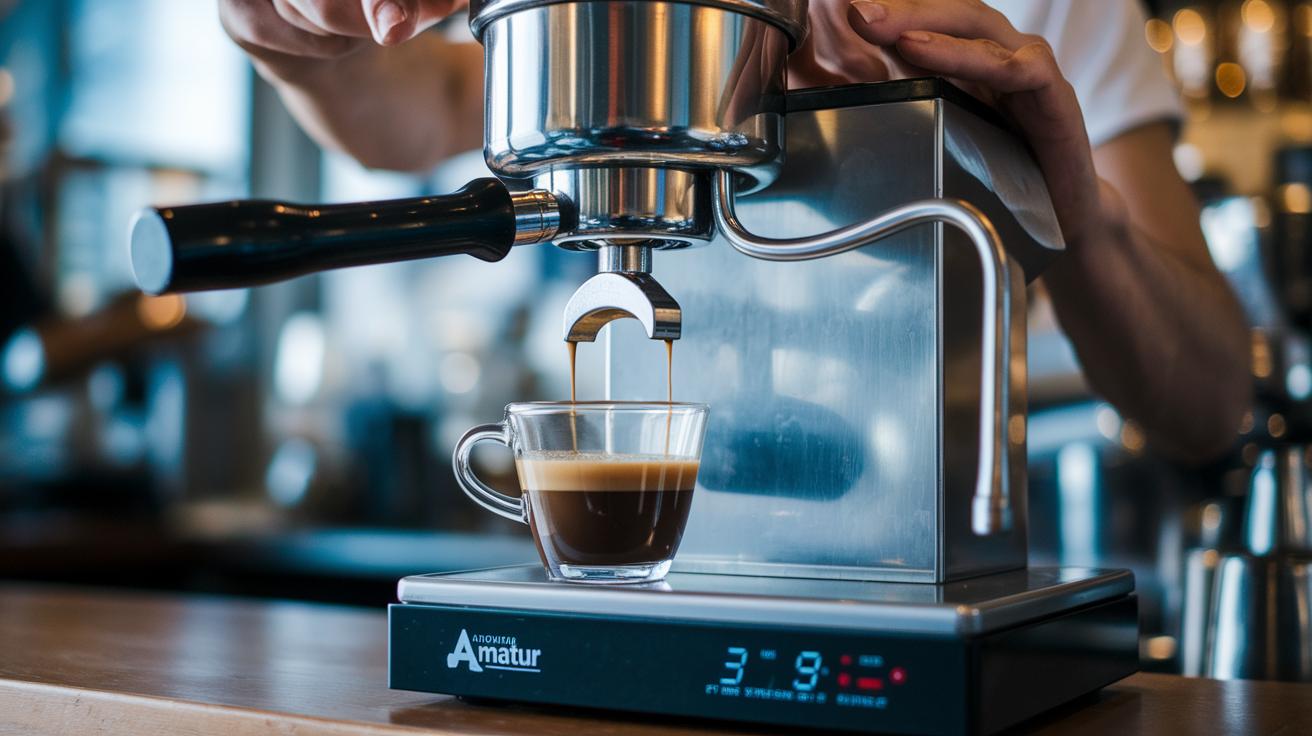
Keeping your sensors calibrated is like making sure your favorite mug is spotless before that first sip of coffee. By sticking to an 18 g dose and aiming for a 40 g yield, you can easily spot when a sensor starts to drift off track. Checking every 50 to 100 shots helps keep any time drift under 0.05 seconds, so each espresso shot comes out just right.
A handy method is to run several extractions at random brew temperatures. This mix-up prevents any bias from constant heat and helps you see how the sensor is really doing. When you follow the calibration routine, any sudden changes in resistance or flow get caught quickly, keeping your machine reliable and your coffee consistently delicious.
Imagine it like checking your car’s tire pressure before a long drive, a few small tweaks ensure a smooth ride. A typical routine might include:
| Step | Description |
|---|---|
| 1 | Record the shot times at both 20 g and 40 g yields. |
| 2 | Compare these times with historical data. |
| 3 | Run a full calibration if any differences pop up. |
This ongoing check-up means any sensor lag gets caught early, so every espresso shot packs the flavor and consistency you expect. Regular recalibration not only sharpens sensor accuracy but also meets the high demands of commercial espresso making.
Real-Time Tracking for Pressure Regulation and Sequence Optimization
Speedy pressure sensors give you a front row seat to how pressure curves unfold, much like watching a coffee dance in slow motion. They catch even the tiniest pressure spikes that last just a few milliseconds and record over 500 times a second. So when the shot’s temperature shifts or CO₂ bubbles out, you see it immediately and can make quick tweaks, just like a barista adjusting their technique on the fly.
With these sensors always on the lookout, every step of the extraction process is under constant review. This live feedback smooths out any bumps by keeping the pressure evenly spread throughout the shot. Mapping the espresso machine’s work in action shows us how each little change impacts the overall taste.
The best part is that the system can adjust automatically as soon as it notices any fluctuation. This instant response prevents off-balance shots, ensuring every cup has that rich, even flavor you love.
By combining continuous mapping with real-time pressure adjustments, both the barista and the machine work together in perfect harmony. Every little change is carefully watched, analyzed, and corrected on the spot, making sure each espresso shot hits the mark with consistent flavor and quality.
Diagnostic Procedures and Maintenance for Sensor Reliability
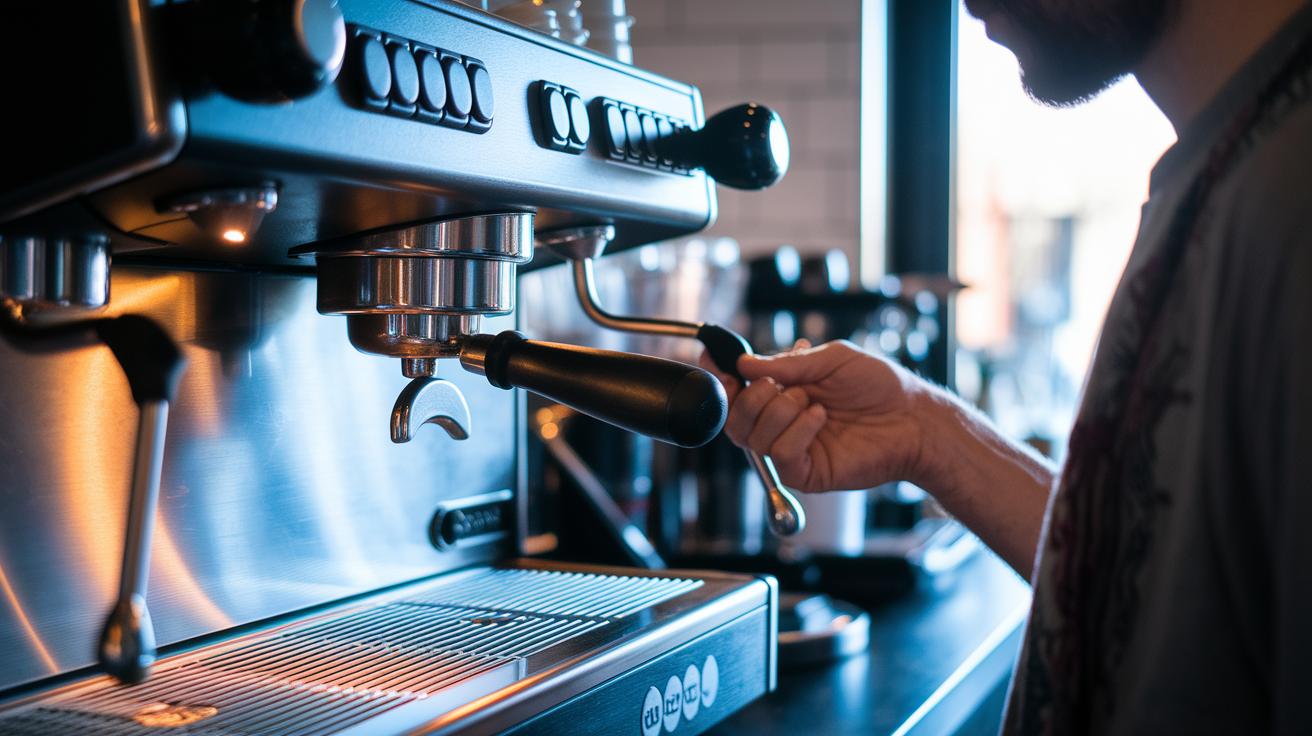
Keeping your sensors as reliable as a finely tuned espresso machine is key. Regular check-ups catch even the smallest drifts early on, much like a quick taste test before serving your favorite brew. Testing every 50 shots can reveal if a sensor’s timing is off by more than 0.1 seconds, a tiny hiccup that, over time, might change the flavor and balance of your espresso.
Routine inspections are pretty straightforward. First, a hands-on look at the sensor parts makes sure nothing’s worn out. Next, updating the firmware keeps everything running smoothly, while a quick check of the control board confirms all signals are clear. Together, these steps help keep extraction measurements steady so your brew stays on point.
| Maintenance Step |
|---|
| Run steadiness benchmarks every 50 shots |
| Perform electromechanical inspections to check for wear |
| Update sensor firmware regularly |
| Check control-board readings to catch issues early |
Following these simple steps ensures your sensor’s performance remains spot on. By keeping a close watch, you make sure every espresso shot is consistently perfect, just like that first satisfying sip in the morning.
Future Directions: Algorithm Modification and AI for Faster Sensor Response
Soon, sensor systems are set to get a big boost thanks to smart tweaks in their algorithms, which cut down lag and improve how quickly they process data. New AI tools are already predicting delays before they even show up, all while checking thousands of espresso shots every minute through cloud-based analytics. It's like having a built-in barista that adjusts settings on the fly.
This fresh approach lets coffee machines fine-tune extraction variables right before any issues pop up. By using real-time feedback loops with simple Java analytics, these sensors can tweak their readings like a pro. Imagine your espresso maker spotting a tiny error and instantly suggesting a fix for pressure or temperature. That’s virtual tuning quietly doing its magic.
Researchers are now testing new sensor designs that keep quality control going non-stop without needing big lab setups. The next wave of machines might run advanced diagnostics as they brew, making little adjustments for more consistent flavor and balance. With the combined power of updated algorithms and AI, manual tweaks could soon be a thing of the past while every shot keeps getting better.
Final Words
In the action, every second matters as sensor timing shapes the perfect espresso shot. We explored how meticulous measurement and timely calibration keep extraction smooth and flavors consistent. Real-time pressure tracking and smart AI tweaks bring our brewing process to life. Thanks to examining sensor response times and their effect on espresso shot quality, each cup reflects a blend of art and technology. Enjoy a brew that feels as reliable and genuine as a chat with an old friend.
FAQ
Examining sensor response times and their effect on espresso shot quality?
Examining sensor response times shows that even tiny delays can change flow, pressure, and yield. This influences flavor consistency, making responsive sensors essential for great espresso.
What is the 2:1 rule for espresso?
The 2:1 rule for espresso means you aim for a yield twice the weight of the coffee dose. This ratio helps balance strength and flavor during extraction.
What is the 80/20 rule for coffee?
The 80/20 rule for coffee suggests that most flavor comes from a key period of extraction. Focusing on this critical window helps brew a cup with maximum taste impact.
What is the 10 second rule for espresso?
The 10 second rule for espresso indicates that extraction timing around 10 seconds is critical. Slight delays can shift flavor profiles, highlighting the need for quick sensor responses.
Why is sensory assessment necessary to effectively evaluate coffee?
Sensory assessment is necessary because it directly measures taste, aroma, and texture. This hands-on evaluation ensures that even small extraction differences, influenced by sensor lag, are noticed and corrected.