

Have you ever thought about how a small sensor can make your coffee machine work smarter? This little device is like a friendly check-up for your machine, spotting tiny issues before they turn into big problems.
It keeps an eye on things like temperature and pressure, basically making sure nothing goes to waste. By doing that, it helps the machine run smoother, uses less energy, and even keeps the planet a bit happier.
So next time you enjoy a cup of coffee, remember this tiny helper in your machine, quietly working to make every brew just right.
Comprehensive Overview of Digital Sensor Monitoring Benefits
Digital sensor monitoring helps machines run smoothly while caring for our surroundings. It uses tiny sensors to keep an eye on key details like temperature, pressure, and flow rates. Think of it as a friendly check-up that spots problems early so you avoid big, costly repairs later. This smart approach fits perfectly with today's focus on being resourceful and keeping operations efficient.
With IoT sensors, small tech tools that send real-time updates, operators can quickly adjust settings. This keeps energy use low and every brew just right. As the coffee world grows and demands get higher, these sensors play a bigger role in making sure machines last longer and help our planet stay greener.
- Fewer breakdowns thanks to instant alerts when issues pop up
- Energy saved by fine-tuning heating cycles for perfect warmth
- Steady brew quality with just the right temperature and pressure
- Less waste, which means a smaller carbon footprint
By using digital sensor monitoring, maintenance becomes proactive, not reactive. It keeps brewing conditions perfect so each cup meets high standards without using extra energy or generating excess waste. Whether you're in a cozy café or a busy industrial setting, this smart monitoring blends productivity with a planet-friendly approach, shaping the future of coffee production for the better.
Energy Efficiency and Eco-friendly Brewing Systems Through Sensors
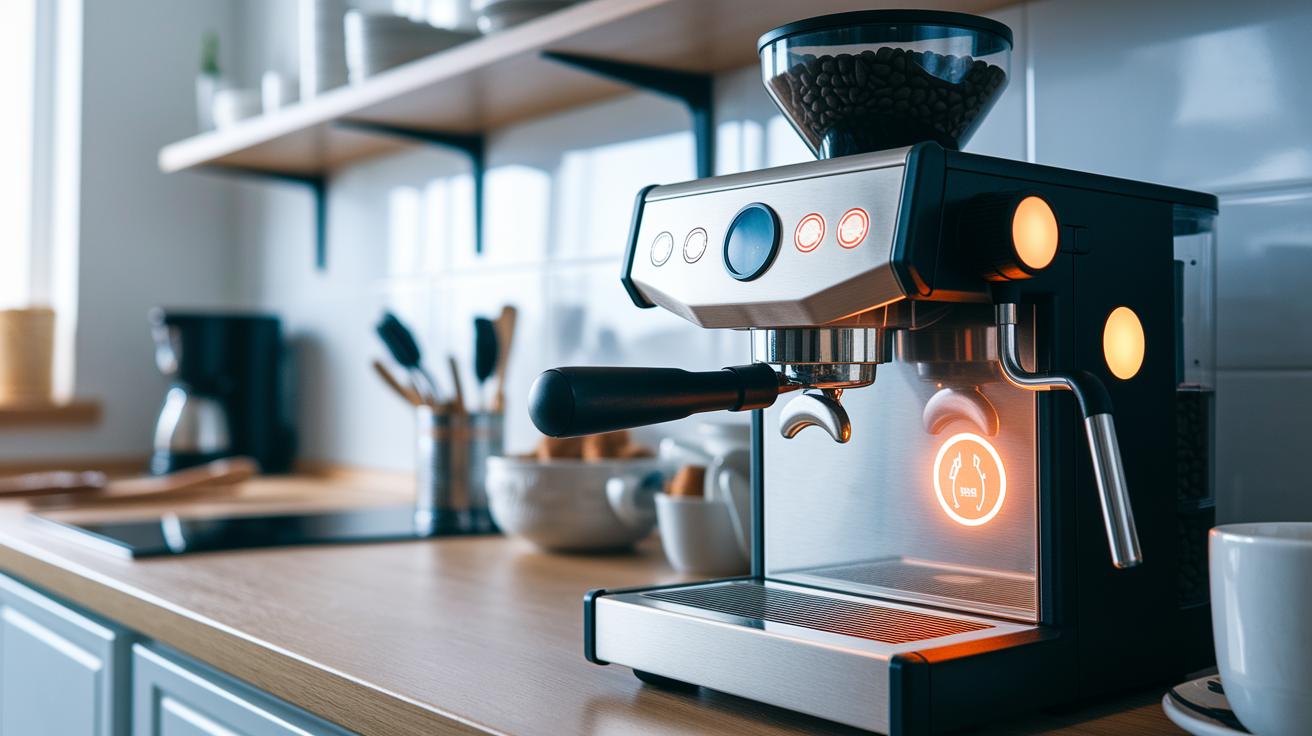
Coffee machines can sometimes use more energy than they need. Parts like heating elements may keep working even when there's no reason for them to, kind of like leaving a light on in an empty room. This extra power not only hikes up costs but also puts a strain on our planet.
Sensors are a game changer here. They keep an eye on things like temperature and power, making sure that each part of the machine only uses energy when it really needs to. In brewers and roasters, these sensors check the heat and adjust power automatically, much like a smart thermostat in your home. Even in milling machines, sensors sort the beans by size, weight, and color so that extra energy isn’t wasted in unnecessary extra work. Imagine a machine that adjusts its heating on the fly – that's modern café technology at work.
Linking these sensor-based controls to eco-friendly practices means every cup of coffee is brewed more efficiently. With energy-smart tech in place, machines save money and help protect our environment, keeping both your wallet and the planet a little happier.
Proactive Maintenance and Automated Troubleshooting in Coffee Machines
Sensors are like the friendly watchdogs inside your coffee machines, always keeping an eye on things. They check things like pressure, flow, and temperature, much like a barista makes sure everything’s just right before serving your cup. This constant check-up helps the machine catch any little hiccup early, letting you swap out parts before a real problem shows up.
Advanced software steps in like a trusty guide, spotting unusual changes in pressure, flow, or temperature. When something feels off, it can quickly signal you to take action. By warning you about parts that might soon wear out, it helps cut down on unexpected repairs. There’s even a handy guide called "Predictive maintenance for smart coffee machines" to walk you through scheduled upkeep. In the end, these smart sensors turn everyday machine checks into smooth, proactive fixes, ensuring every cup of coffee is brewed to perfection.
Real-time Performance Tracking and Operational Insights

Instant feedback can truly transform the way coffee machine operators handle their work. By collecting live readings on temperature, pressure, and water flow, sensors offer a quick snapshot of how each machine is performing. This steady flow of information lets you catch brewing hiccups before they turn into real problems, ensuring every cup comes out just right and keeping the team confident.
| Metric | Operational Benefit | Update Frequency |
|---|---|---|
| Brew Temp | Keeps the extraction on point so every sip bursts with flavor | Real-time |
| Pump Pressure | Maintains steady pressure to support the perfect brew | Every few seconds |
| Flow Rate | Tracks water movement to ensure each shot is evenly saturated | Real-time |
| Energy Draw | Keeps an eye on energy use so you can make efficiency upgrades when needed | Continuous |
Cloud-connected dashboards collect all these details in one easy-to-read spot, making trends clear and quick adjustments simple. Whether you're a café manager or part of a roastery team, you can keep tabs on performance from anywhere. With straightforward metrics right at your fingertips, decisions become simple and data-driven, helping fine-tune machine settings and keep operations running smooth every day.
Sustainability Outcomes and Environmental Impact Reduction
Coffee makers face growing pressure to cut waste while keeping coffee tasting great. Sensor monitoring helps by using water smarter and keeping the surroundings just right. It stops too much water from flowing, which means less wastewater and a more balanced use of resources. Real-time sensors also check shipping and storage conditions, easing spoilage and cutting down on extra waste. New ideas like solar-powered mills and energy-saving dryers are already changing how we process coffee so that our footprint stays light.
- Smart water dosing to reduce wastewater
- Controlled humidity and temperature to keep beans fresh
- Energy-saving roasting methods
- Renewable energy use through sensor-managed systems
These sensor-driven tricks help make coffee operations more green. They save water, reduce energy use, and cut waste, all while keeping quality high. Whether you run a cozy café or a big plant, these steps lead to practices that save water, lower bills, and ease environmental impact, without skimping on the great taste coffee lovers expect.
Technical Implementation: Sensor Integration and Calibration Techniques
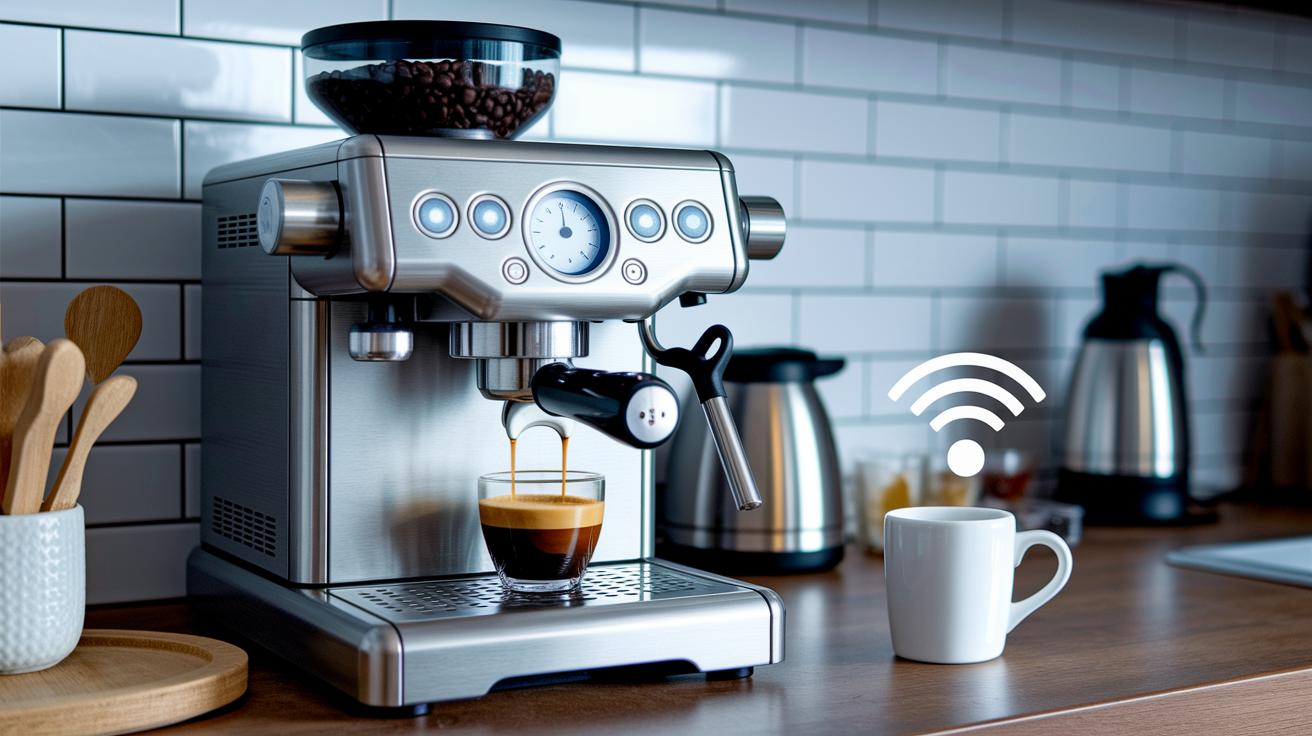
Modern espresso machines use different sensors to measure every important detail. Optical sensors watch light patterns, thermal sensors keep an eye on temperature changes, and pressure sensors check the force and flow. Each one has a special role, much like picking the right coffee bean can bring out a unique flavor in your brew.
Building a sensor network means linking these devices together without any wires. Self-calibrating sensor modules work as a team over a wireless network, sharing their readings all on their own. It’s like a smooth game where every player passes the ball easily, ensuring the coffee machine parts chat with each other clearly and quickly.
Regular checks and adjustments keep these sensors spot on over time. Automatic calibration routines help them stay accurate, while combining data from different sensors can uncover any small mistakes. Imagine tuning a guitar until it plays perfectly well; a little tweak here and there makes sure each cup of coffee is brewed just right.
Future Directions in Sustainable Coffee Operations via Digital Monitoring
Right now, digital tools are weaving their magic throughout every stage of the coffee journey. Imagine a network of wireless sensors keeping an eye on everything, from the coffee fields to the processing plants, while blockchain technology lends a helping hand to keep things transparent and eco-friendly. This means farmers, processors, and sellers will soon enjoy a clearer picture of how their operations are doing, allowing them to make quick adjustments to keep everything running smoothly. It's like having smart little sensors quietly boosting both the brain and the heart of your coffee business.
Looking ahead, advances in machine learning and AI-driven analytics are set to take things up a notch. Picture coffee machines that can spot and fix their own issues before they become big problems. With upkeep monitors and cloud-connected systems, repairs can shift from reactive fixes to proactive care. These smart systems will adjust processes on the fly, making operations more efficient and environmentally sound. In essence, this blend of innovative tech is paving the way for a greener, more resilient future in coffee production.
Final Words
In the action, we explored sensor monitoring’s role in boosting performance and championing sustainability. We looked at how real-time data helps maintain machine consistency, saves energy, and prevents downtime.
By tapping into smart diagnostics and precise control, every brew benefits from sensor insights that cut waste and refine quality. The benefits of digital sensor monitoring for sustainable coffee machine operations show promise for a greener future.
Every step forward leaves a positive mark on your coffee experience.
FAQ
What are the benefits of digital sensor monitoring for sustainable coffee machine operations?
The benefits of digital sensor monitoring for sustainable coffee machine operations include reduced downtime, optimized energy use, improved brew consistency, and lower environmental impact through fewer waste emissions.
How does a smart coffee maker IoT improve brewing?
The smart coffee maker IoT improves brewing by using connected sensors to monitor temperature, pressure, and water flow, which helps maintain consistent quality while alerting operators to potential issues in real time.
What is the most environmentally friendly way to brew coffee?
The most environmentally friendly way to brew coffee utilizes sensor-equipped, energy-efficient machines that manage water, heat, and energy use precisely, reducing waste and lowering the overall carbon footprint.
What technology allows data collected from sensors in machines?
The technology that allows data collection from sensors in coffee machines is built on IoT connectivity, which gathers real-time metrics and provides remote oversight to optimize performance and maintenance.
What are the positive environmental impacts of coffee production?
The positive environmental impacts of coffee production include reduced water waste, lower energy consumption, and decreased emissions by using sensor-based systems that manage brewing and processing more efficiently.
How can microplastics be avoided when brewing coffee?
Microplastics can be avoided when brewing coffee by choosing non-plastic filters like metal, glass, or ceramic and ensuring that the coffee maker and its components are designed to minimize plastic exposure.