

Ever wonder if a tiny sensor glitch could be muting the rich flavor of your espresso? Imagine a sensor that works perfectly, ensuring you get that deep, satisfying shot every single time.
A good sensor truly makes a difference in the taste and quality of your cup, much like choosing the right beans. In this chat, we'll explore simple yet important ideas, like how sensors check for accuracy (basically making sure things are measured just right) and how they tough it out in high-heat environments.
So, grab your favorite mug and settle in. Discover how a few smart sensor choices can turn each brew into a consistently great cup of joe.
Sensor Selection Criteria for High-Performance Coffee Machine Sensors
When it comes to picking a sensor for your coffee machine, precision matters. Look for sensors that work between 0 and 11 bars with an accuracy of plus or minus 0.5% at full scale. They need to deliver a steady 0.5 to 4.5 volt signal from a 5 volt supply. This careful selection helps ensure every shot tastes just as rich as your favorite blend.
Durability also plays a big role. The sensor should reliably perform in tough conditions, from -40°C to 125°C, where even the best equipment can be pushed to its limits. Keep an eye out for potential error sources like built-in sensor faults, temperature drift, non-linearity (when the sensor response isn’t perfectly straight), and power-supply noise. Plus, factors like packaging quality, quick response, and long-term reliability will help your sensor withstand the daily challenges of coffee-making.
Mixing these technical details with practical mounting advice, like positioning the sensor near the brew chamber or right after the pump, creates a solid blueprint. This all-in-one strategy not only supports a precise extraction process but also makes it easier to choose a sensor as dependable as that perfect morning cup of joe.
Evaluating Accuracy and Precision Benchmarks for Coffee Machine Sensors

Accuracy tells you how close a sensor's reading is to the real pressure, while precision means the readings come out the same every time. For example, a sensor marked with an accuracy of ±0.5% FS makes sure every espresso shot tastes just like the one before, keeping your cup consistently delicious.
Dig a bit deeper and you'll see that everything adds up to what we call the total error budget. This budget mixes together the sensor's natural error, little shifts from heat changes, slight non-linear responses, and even a bit of electrical noise. Starting off with a factory calibration using certified pressure standards gives you a rock-solid base. Then, as the sensor warms up while brewing, online calibration steps in to adjust for any drift. It’s super important that the sensor responds evenly throughout the full range of 0 to 11 bars. In your actual brewing routine, a stable output between 0.5 and 4.5 volts ensures the sensor handles changing pressures smoothly. That evenness not only helps produce great, repeatable shots but also provides the info you need to fine-tune for a perfectly consistent extraction (https://aboutjoe.com?p=110).
When picking a sensor, always match its datasheet to your machine’s real needs. Check out the calibration methods, all the potential error sources, and how steady the output is. A quick look at these details can help you avoid surprises and guarantees you’re set for both accurate measurements and reliable brew data every day.
Assessing Durability and Environmental Adaptation in Coffee Machine Detector Choices
Coffee machines work under some pretty tough conditions. Inside, sensors face temperatures from a chilly -40 °C to a blazing 125 °C. These clever devices are made from low-drift materials, which means they stay accurate even when sudden bursts of heat hit them, much like a skilled barista keeping an eye on every delicious detail of your cup.
Moisture and tiny particles bring their own set of hurdles. To handle this, sensors are wrapped in a robust protective casing that keeps out steam, water, and dust. Imagine it like an umbrella on a rainy day, shielding the sensor in everything from a bustling café to a steamy kitchen, so it stays true to its readings over time.
Before these sensors make it into your coffee machine, they undergo some serious testing. During accelerated aging and life-cycle simulation tests, they’re pushed to the limit to replicate years of use in a flash. Long-term drift checks are also done to catch any changes in performance. Manufacturers back up these tests with strict batch inspections, detailed material tracking, and the right certifications. All of this ensures that every sensor is built to last, reliably handling the everyday wear and tear of brewing your perfect cup.
Integration Strategy for High-Performance Sensors in Coffee Machine Systems
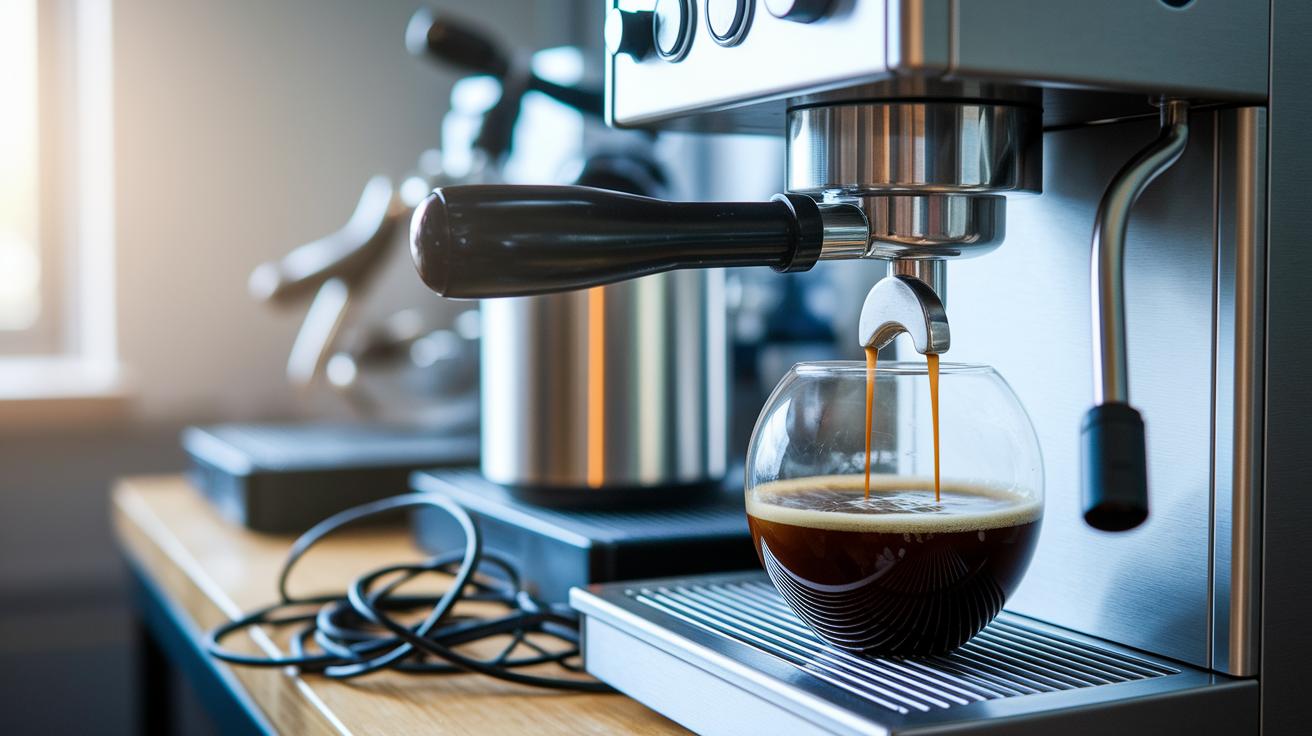
When it comes to brewing that perfect cup, blending smart sensors with solid machine design makes all the difference. Placing a sensor next to the brew chamber or right after the pump helps capture exact pressure and temperature readings, just the way you need for a great extraction. Using sturdy brackets, minimizing vibrations with a firm setup, and keeping wires short ensures that the sensor’s data reflects what’s really happening at the moment.
It’s important to match the sensor with the right thread adapter (like G1/8, M9, or M6) so it fits your coffee machine just right. And don’t forget about the wiring: using shielded cables and setting up proper ground loops cuts down on interference from the pump and other electronic noise.
The firmware is just as crucial. A stable 5V supply and accurate voltage readings work hand in hand with a digital interface, making sure your machine’s control module gets the correct signals. When you mix these physical and electronic elements perfectly, you end up with a sensor system that not only performs well but makes every cup consistently delightful.
Below are the key steps to keep in mind:
- Select the correct thread adapter (G1/8, M9, or M6) for your grouphead port.
- Mount the sensor as close to the brew chamber as possible.
- Use sturdy hardware to cut down on any vibration errors.
- Employ shielded cables and set up proper ground loops.
- Keep reference lines under 10 cm to avoid any delay in pressure sensing.
- Incorporate electrical decoupling to keep pump noise at bay.
- Verify firmware readings with calibration pulses once everything’s installed.
This approach ties mechanical strength with smart electronic design, making it easier for techs to troubleshoot and keep sensors working perfectly day after day.
Calibration, Testing, and Maintenance Protocols for Coffee Machine Sensor Reliability
Calibration is the heartbeat of a great sensor setup, just like mastering the perfect coffee blend. Getting your sensor set against known pressure standards using zero and span offsets is like dialing in the base flavor of your brew. It gives you peace of mind knowing every reading is true and steady.
Factory calibration sets the stage by checking sensors against certified pressure benchmarks before they even make it into your machine. This means every measurement starts off in the right ballpark. And when your machine warms up, online calibration steps in to adjust for any temperature drift. These quick fixes keep the sensor running smooth, so every cup you brew gets that spot-on accuracy.
Regular diagnostic checks add another layer of trust. Technicians run simple tests like checking for pump wear, blockages, and voltage swings. Software alerts give a heads-up if something feels off, letting you fix small issues before they turn into big problems. This ongoing care makes sure your sensor is always healthy and reliable, even when conditions change.
Don’t forget to stick to a maintenance routine. Recalibrate every six months or after about 10,000 brew cycles, and swap out the sensor if drift goes over ±1% FS. This way, your coffee machine keeps serving up that consistent, great-tasting brew, cup after cup.
Final Words
In the action, we explored how sensor selection balances precision, accuracy, and durability. We touched on measurement range benchmarks, environmental resistance, and smart integration techniques. Each section built on practical tips for choosing reliable, high-performance sensor systems for coffee machines.
By focusing on key criteria for selecting high-performance sensors in coffee machines, the guide laid out clear steps for calibration and maintenance. These insights bring a fresh, real-world approach to consistently brewing your best cup. Enjoy the process and the perfect brew every time!
FAQ
What are the main criteria for sensor selection?
The main criteria for sensor selection include measurement range and accuracy specifications, durability under operating conditions, and proper integration design. These parameters help achieve reliable performance and consistent brew quality.
What are the key specifications and design considerations for sensors?
The key specifications and design considerations cover the sensor’s measurement range (such as 0–11 bar with ±0.5% full-scale accuracy), output voltage, operating temperature range, error sources, mounting location, and environmental protection to maintain stability in coffee machines.