

Ever wonder if your coffee machine might let you know when it’s not quite at its best? Inside, tiny sensors keep an eye on things like water temperature and pressure. They work just like a musician checking the tuning of an instrument, catching small changes before they turn into bigger problems.
This smart design helps spot wear and tear early so you can enjoy a great cup every time. It’s like having a little coffee expert right in your machine, always making sure your brew is perfect.
How Innovative Sensor Designs Enable Early Detection of Coffee Machine Wear and Tear
New, tiny sensors now keep an eye on all the important details in your coffee machine, like water temperature, pressure, brew time, grind size, and extraction yield, all at once. They send real-time updates, helping baristas tweak the settings just like you’d adjust a recipe on the fly. For example, Joe once recorded each drop's temperature until every cup felt as balanced as his favorite song. This quick feedback spots tiny changes that might signal wear, making sure every shot is as perfect as the last.
At CES 2025, advancements in tiny sensor technology were on full display. Thanks to breakthroughs in MEMS (miniature machines that work like tiny mechanical systems) and nanotech packaging, these sensors now fit snugly into even the smallest espresso makers. Think of it like placing a handful of mini instruments inside your watch, each one working to monitor the espresso-making process. These systems are not only smart but also built tough enough for busy cafés and mobile setups.
Looking ahead, we’re seeing nano-scale sensors join forces with AI to catch early signs of wear. Soon, smart systems will automatically adjust settings by analyzing live data, lighting up a dashboard when a slight change, like an unusual pressure spike or a tiny temperature drift, is detected. This smart combo of digital monitoring and AI insights promises to keep machines running smoothly, ensuring every cup of coffee is brewed to perfection.
Advanced Pressure Sensor Designs for Automated Wear Identification
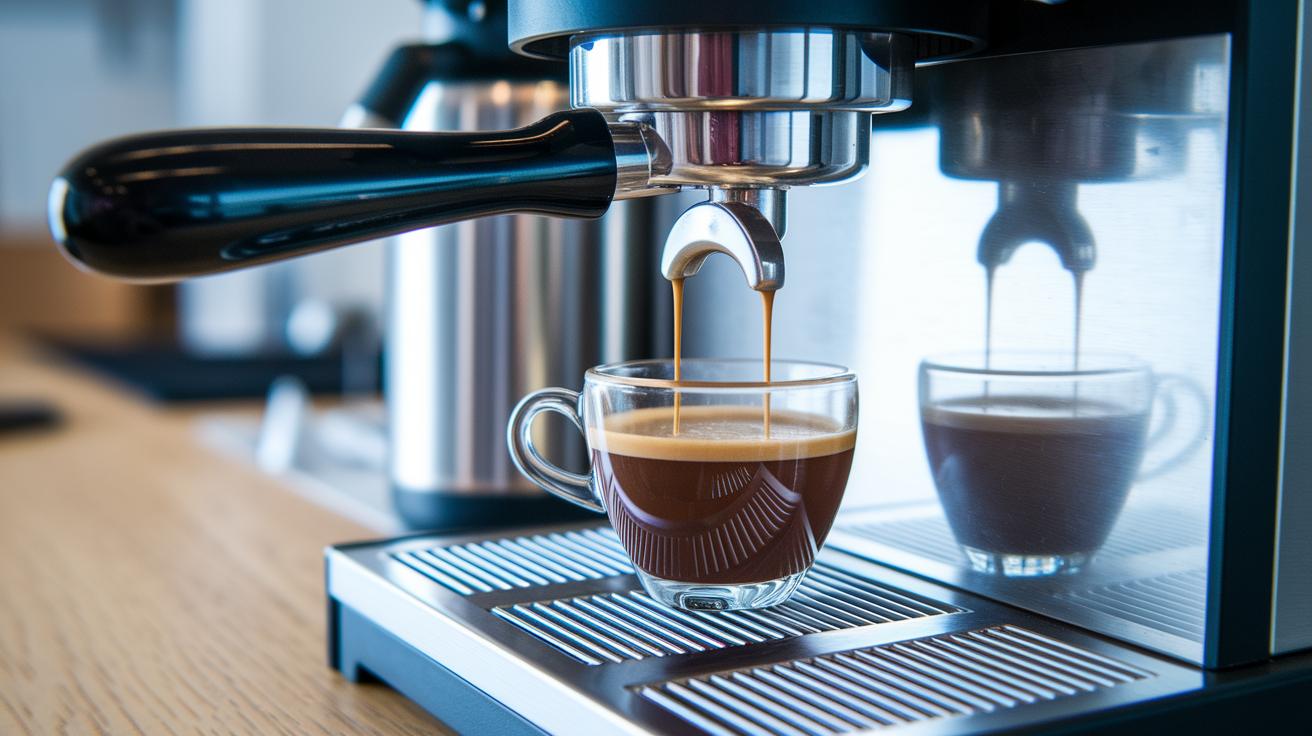
The Bosch WF162L 11BA pressure sensor is a standout tool with a range from 0 to 11 bar, tight accuracy at ±0.5% full scale, and a voltage output that goes from 0.5 to 4.5 V when powered by 5 V. It’s placed right near the brew chamber or just after the pump, so it’s always on the lookout for early signs of wear, like a slowing pump or a possible blockage. This clever sensor sends out instant alerts in real time, even triggering relief valves if there’s a sudden spike in pressure. In short, it makes monitoring your coffee machine as smart and smooth as your favorite brew.
Key features include:
- Range selection
- Accuracy rating
- Output interface
- Mounting location
- Anti-fouling features
By watching the pressure every moment, this sensor acts like a digital watchdog for your machine. Baristas get quick alerts if the readings stray from the norm, much like noticing a tiny drop in the aroma just before the perfect cup is brewed. Imagine the system flagging a slight pressure drop during the pre-wet stage with a clear visual cue on a dashboard, it’s like getting a friendly nudge to check on the pump. With this smart design, the brewing process stays on track and the machine gets the help it needs before small troubles turn into big, pricey repairs.
Compact Sensor Array Engineering for Thermal and Optical Wear Monitoring
At CES 2025, a new set of mini sensors grabbed everyone’s attention. These tiny devices, built with MEMS and packaged with nanotech, capture live details about pressure, temperature, and optical flow. They’re so small that they can shrink a machine by nearly 40% while keeping an eye out for those subtle signs of wear. Picture a sensor so accurate it picks up the tiniest changes before they can even mess with the flavor of your coffee.
These sensor arrays mix thermal sensing and optical monitoring to give you a clear, real-time picture of how things are doing. They don’t just alert you to a problem; they show you how to fix it quickly so your brew stays perfect. For example, a little rise in temperature combined with a change in light patterns might mean a part is getting tired or about to fail. With this fresh data, technicians can make preventive checks, keeping the machine in tip-top shape and every cup tasting just right.
| Sensor Type | Monitored Parameter | Specification |
|---|---|---|
| Pressure Sensor | Pressure | Real-time, high-accuracy monitoring |
| Temperature Sensor | Thermal changes | High precision, nanotech packaged |
IoT Sensor Innovation and Embedded AI for Predictive Coffee Machine Maintenance
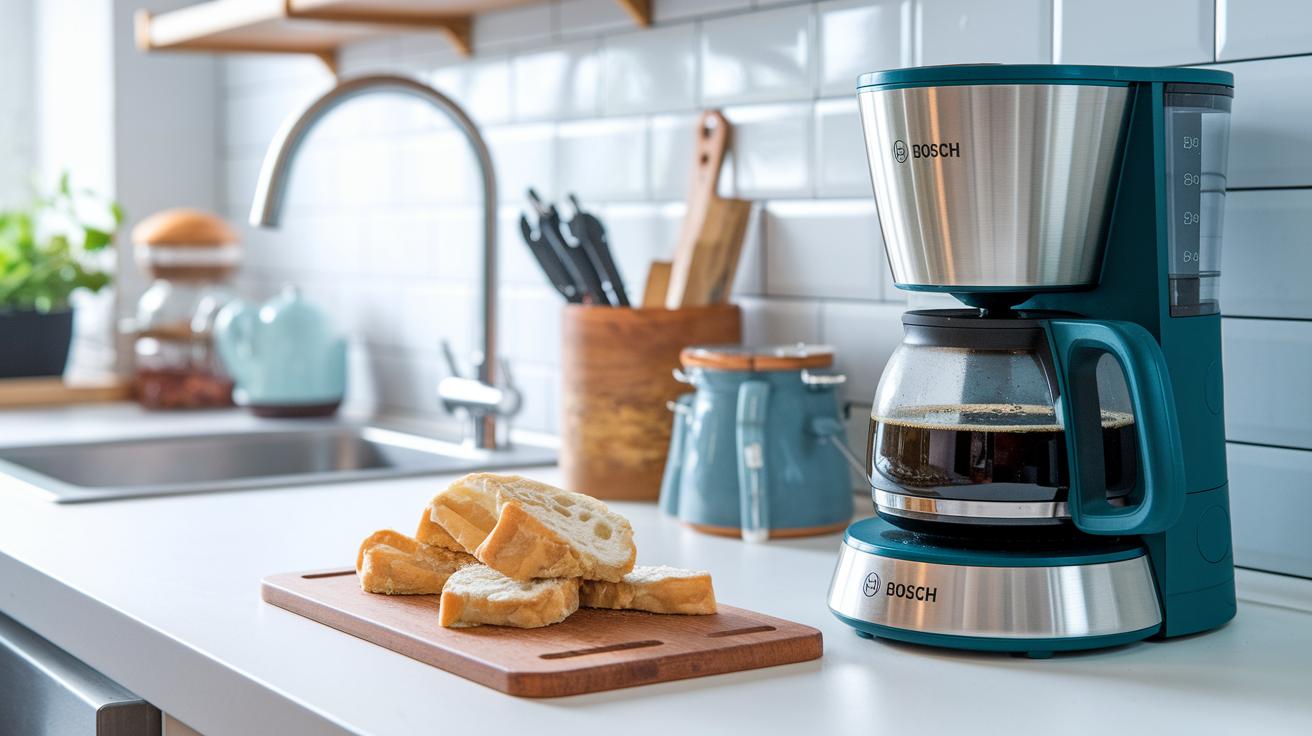
A fresh design brings together a Bosch BME688 sensor, which keeps an eye on pressure, and a PIC32CX-BZ451 wireless chip that helps the machine chat without wires. This clever mix means your coffee maker can check its own health using smart, low-power computing right inside the machine, much like a little built-in helper. Every change in pressure or temperature sends a quick message over a dedicated wireless channel, keeping the machine's pulse steady.
The real magic happens with its easy-to-use learning model. Using an AutoML tool, the system builds a smart model that spots unusual readings on its own, like knowing when your favorite blend just isn’t right. It learns what’s normal and flags anything off, all without you having to step in. This smart set-up turns basic sensor numbers into clear signs that something might need a fix before it gets worse.
Each sensor reading is checked right then and there. If something doesn’t seem right, the system sends an alert instantly, just like a helpful nudge in time to keep things on track. By handling most of the work on the spot, it reduces the need for heavy cloud processing, keeping maintenance simple and smart. In the end, this tech helps your coffee machine stay in good shape, ready to brew your perfect cup every day.
Smart Calibration Methods and Real-Time Monitoring Solutions in Coffee Equipment
Coffee machines need careful adjustments to keep serving great cups. They come with two key checks: one done at the factory and one while you’re using it. The factory check ties sensor readings to a trusted standard, just like following a tried-and-true coffee recipe. Meanwhile, the online check tweaks settings for changes like rising heat and small sensor shifts during regular use.
Inside the machine, sensors run their own tests using low and high reference points. They also compare things like pressure, flow, and temperature so every reading stays spot on. Picture it like tasting your coffee at different stages to catch any off notes. Follow these simple steps to keep things in line:
- Factory standard tie-in
- Thermal drift adjustment
- Cross-sensor validation
These steps help the machine spot early signs of wear that might change your brew. It’s a bit like noticing if your favorite mug starts to show a crack before it ruins your coffee experience.
Live monitoring adds an extra layer of protection. Custom dashboards show real-time graphs of pressure and temperature, making it easy to keep an eye on how the machine is performing. It works just like watching your coffee stream into your cup, clear and straightforward. This ongoing check helps catch trends that might mean parts are wearing out, so technicians can step in early before small issues grow. Quick-to-read displays let them see any unexpected changes, ensuring every cup remains as delicious as intended.
Case Studies in Coffee Machine Diagnostics and Performance Metrics
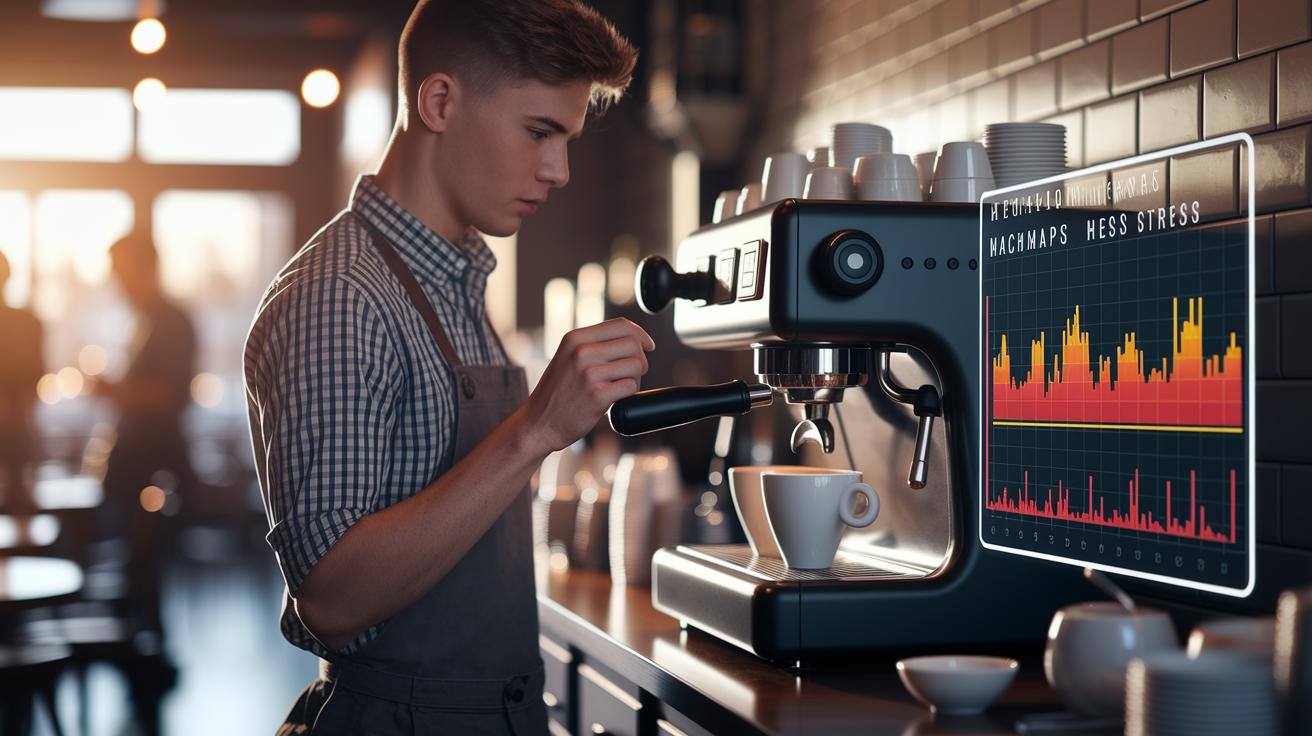
One popular café chain decided to give digital wear diagnostics a try by adding smart sensor arrays to their espresso machines. These sensors keep track of things like pump performance and temperature changes (that is, shifts in how hot or cold the machine gets). Working with a real-time digital dashboard, they show component stress with easy-to-read heat maps. It was a fresh and precise way to keep an eye on everyday café operations.
Over a six-month trial, the chain noticed big improvements. The early detection system cut machine downtime by 30% because it sent quick pump-wear alerts before small issues turned into major troubles. Plus, the sensor data showed a 15% boost in extraction consistency. With the dashboard showing real-time stress on critical parts, technicians could work on the machines only when it really mattered instead of following a set schedule. In short, smart sensor technology made a clear difference in both performance and reliability.
These lessons have really changed how maintenance is handled. Baristas and technicians can now spot and fix potential issues at their very first sign. This proactive style not only keeps the machines running better but also makes daily operations smoother, giving everyone a consistently better coffee experience.
Overcoming Implementation Challenges in Coffee Machine Wear Sensor Integration
Coffee machine sensors work in a pretty tough spot. They face a bunch of challenges that makers have to iron out. For example, if a sensor isn’t mounted properly, you might get wonky measurements. Plus, sensor parts must be food-safe to keep your coffee clean and tasty. Engineers also need to get the wiring just right to avoid any electrical noise. And don’t forget the sensor’s design, it has to steer clear of any gunk or buildup. Every little part must be chosen with care, turning sensor integration into a delicate balancing act in the machine’s overall design.
Smart fixes come into play here. Using housings rated for heavy moisture and dust helps keep sensors safe and strong. Custom brackets securely hold the sensor, ensuring it stays put. Routine check-ups catch any problems early, so everything runs smoothly. These practical steps help engineers reduce wear and keep pressure, temperature, and other key readings steady. In short, this careful approach makes sure that every cup of coffee is brewed just right, with care and consistency.
Final Words
In the action, we explored how real-time monitoring and smart calibration revolutionize coffee machine care. We covered multi-variable sensing, advanced packaging innovations, and AI-driven diagnostics that keep each brew on point. The discussion broke down sensor specs, integration tips, and hands-on case studies, all meant to show how even subtle wear signs can be spotted early. With innovative sensor designs for early detection of coffee machine wear and tear, each insight lights the way towards consistently perfect cups every day.