

Ever wonder why some espresso really wakes you up while others just don’t do the trick? Digital coffee brewing isn’t about sticking to the same old recipe. It blends pressure, flow, and extraction in a way that feels like a quick, fun dance. Each step changes the taste of your cup just a bit, like adding a secret ingredient. This post shows you how keeping an eye on each tiny shift with fresh data makes brewing a real art. That way, every cup is richer, more balanced, and just plain satisfying.
Achieving Precise Data Correlations in Digital Coffee Brewing
Understanding that espresso extraction works by balancing pressure, flow, and resistance is key to making a great cup. Think of it like a simple recipe: as hot water moves through your coffee puck, its resistance changes, almost like watching a dance where every step shifts the rhythm. Imagine stirring a warm drink and noticing the liquid relax as sugar dissolves; that’s pretty much how extraction changes as your brew develops.
Instead of sticking to one static target like the common 9-bar pressure, we now know that the coffee puck’s resistance drops as oils and solids come out. This means that keeping an eye on pressure and flow in real time can help catch those little shifts that matter. When you log these changes, you see a whole story unfolding, something a single static measurement just can’t show. For more cool insights on data-driven coffee brewing, check out https://aboutjoe.com?p=87.
| Pressure (bar) | Flow Rate (ml/s) | Resistance (psi) | Extraction Yield (%) |
|---|---|---|---|
| 9.0 | 3.0 | 15 | 20 |
| 8.5 | 3.2 | 14 | 22 |
| 8.0 | 3.5 | 12 | 24 |
| 7.5 | 3.8 | 10 | 26 |
This sample data shows a clear trend. As the pressure goes down, the flow rate rises and the yield gets better, which tells us the puck’s resistance is lowering as you brew. These insights help you fine-tune your brewing process so you can enjoy a well-balanced, flavorful shot every time.
Analyzing Brewing Pressure Metrics and Pressure Data Correlations
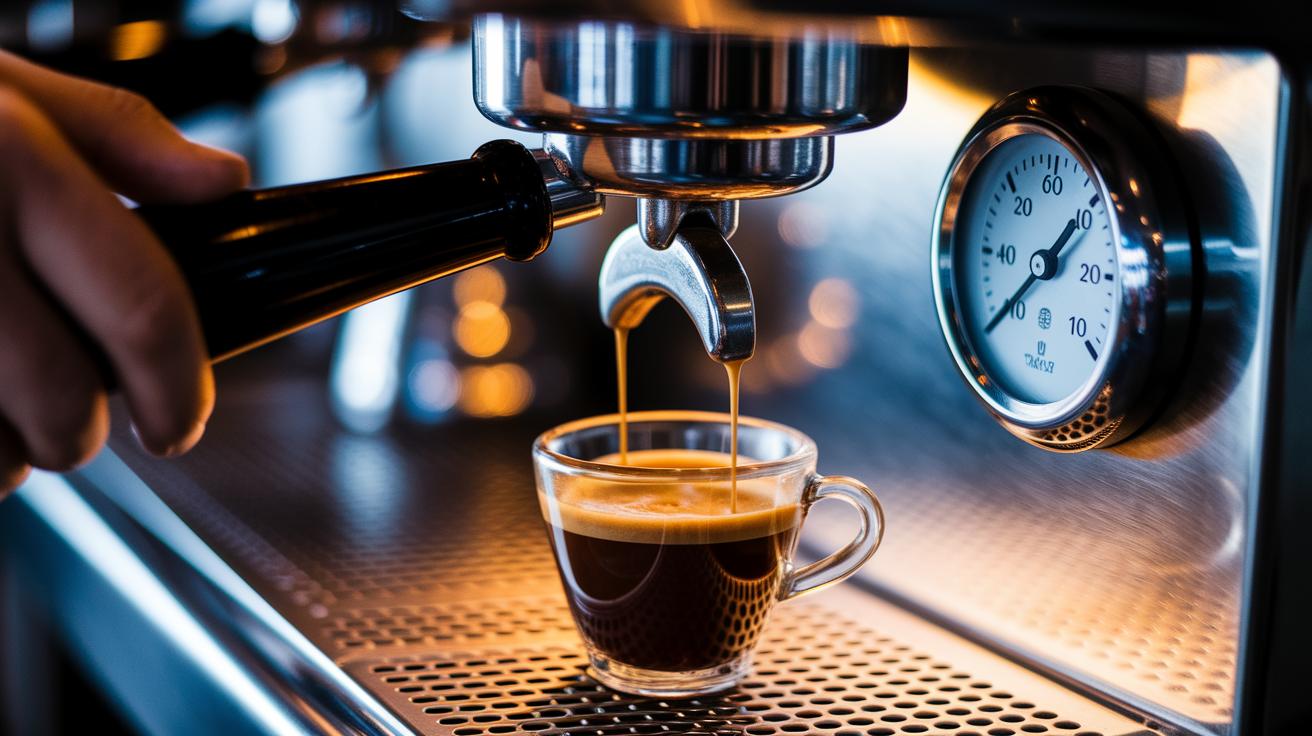
Static pressure targets, like the classic 9-bar setting, give you a basic starting point for pulling an espresso shot. But as water pushes through the coffee puck, it meets less resistance because the oils and solids are slowly dissolving. This natural drop means we need to adjust the pressure on the fly for a smoother, more responsive brew.
Pre-infusion is key here. It’s like giving the coffee puck a gentle wake-up call by wetting it before ramping up the full pressure. This step fills the puck’s tiny holes, stops water from finding weak spots, and sets up a balanced extraction. By keeping an eye on the pressure during pre-infusion, you can decide the perfect moment to either keep things steady or turn up the pressure so that every bit of flavor comes through evenly.
With advanced techniques, you can really fine-tune the process. Whether you're gradually increasing the pressure, easing it off, or pausing at just the right moments, these methods help you hit the flavor sweet spot and keep the extraction consistent. It’s all about matching the brew to the distinct character of each coffee bean. For more details, check out the guide on interpreting espresso pressure profile data for flavor consistency.
Flow Rate Dynamics and Data Correlations in Coffee Extraction
When you brew coffee, it all starts with pre-infusion, wetting the grounds so water can slip into every little pore. This simple step sets the stage for an even extraction. Modern machines come with smart sensors that check the water flow as you brew, letting them adjust the amount of water on the fly depending on how the coffee is absorbing it. It's almost like the coffee is taking a deep, satisfying breath.
Today’s brewers use automated tech that keeps an eye on the flow every second. As soon as the machine notices any little change in the coffee's resistance, it tweaks the flow rate to keep things consistent from start to finish. Imagine your coffee machine carefully balancing every drop to make sure your cup tastes just right.
These systems rely on a few neat tricks:
- constant flow: A steady, unchanging stream of water.
- flow ramping: Slowly speeding up or slowing down the water based on the brew’s needs.
- pulsed flow: Short bursts of water to quickly adjust when the coffee’s resistance shifts.
- closed-loop feedback: Constant monitoring that makes tiny tweaks as needed.
- surge reduction: Cutting down on sudden splashes for a smoother cup.
Each method plays its own part in ensuring every extraction is as balanced as the last, helping you savor that perfect, predictable cup of coffee.
Correlating Extraction Process Variables for Yield Optimization
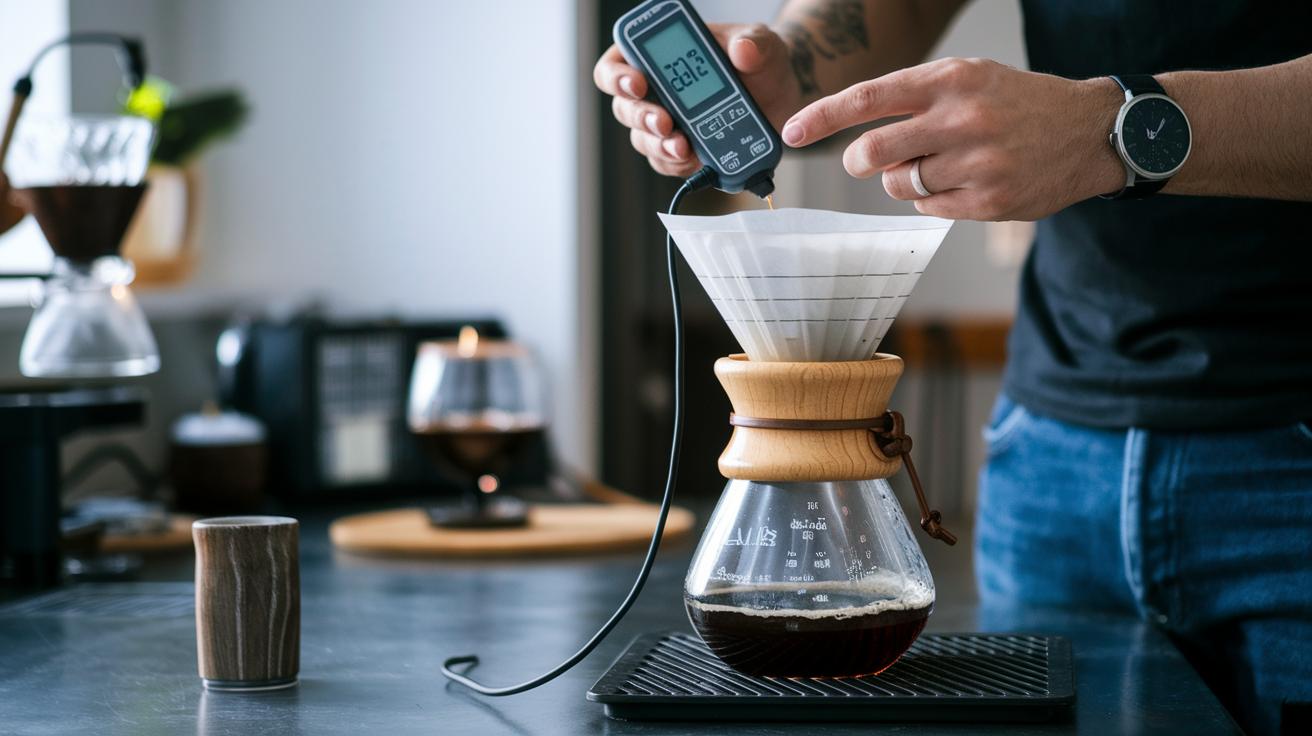
When brewing coffee, there are three key players that shape the flavor: TDS (Total Dissolved Solids), shot time, and water temperature. TDS tells you how much coffee flavor has dissolved, shot time is how long the hot water runs through the grounds, and water temperature decides just how much flavor ends up in your cup.
TDS Measurement
TDS is measured with handy sensors that check the percentage of coffee solids in your brew. It’s like having a little flavor coach that hints when your extraction is on track or if it might need a tweak.
Shot Time Analysis
Shot time is simply the period when water touches the coffee grounds. Adjusting this time changes the extraction, longer shots pull more flavor, but too long can lead to a taste that’s off balance.
Temperature and Yield
Water temperature is all about how much flavor you extract. Higher heat tends to dissolve more of those yummy compounds, adding sweetness and body to your shot, while a cooler brew brings a lighter taste.
By keeping tabs on TDS, shot duration, and water temperature all at once, you can really fine tune your coffee recipe. It’s all about that perfect balance that makes each cup a delight, just like the warm conversation you’d share over a great cup of joe.
Sensor Integration Framework for Digital Coffee Brewing Data
Today's smart coffee machines rely on a mix of sensors to catch every detail of your brew. For example, pressure transducers check how hard water pushes through the coffee, flow meters track how much water moves, and temperature probes keep an eye on the heat. Each sensor works like a teammate, ensuring your cup of joe is balanced and delicious every time.
Smart planning makes sure all these sensors work together. They’re placed right after the pump and before the group head, so they pick up the most accurate brew details. Regular check-ups keep the sensors on track, kind of like checking your watch to confirm the time. All the data comes together, giving you a clear picture of your coffee extraction and letting you feel in control of every brew.
Real-time monitoring gives you live updates, almost like watching your coffee story unfold as you wait. Every sensor reading is logged so you can fine-tune your brewing process over time. With constant feedback and small adjustments, you’re all set to enjoy a consistently delicious cup, sip after sip.
Advanced Metric Computations and Digital Analysis Techniques for Coffee Extraction

Imagine having a smart helper that watches every little change in your coffee brewing process. Techniques like regression models and machine learning are shaking up how we understand coffee extraction. They measure how things like pressure, flow, and extraction come together. For example, pressure and flow move in sync with an impressive r = 0.92, while pressure and yield have a strong link at r = 0.85. In simple terms, sensor data is used in real time to forecast your extraction yield, giving brewers the chance to fine-tune parameters for that perfectly balanced cup.
Think about it like checking your brew’s heartbeat. Correlation coefficients compare pairs of extraction factors to show how one change might influence the next. When those numbers are high, it means that tweaking one setting strongly affects another. With trend analysis, you get an idea of how to adjust your routine. It’s like listening to the gentle hum of your espresso machine, suggesting small changes for that perfect shot.
| Sample Parameter Pair | Correlation Coefficient | Practical Interpretation |
|---|---|---|
| Pressure vs Flow | 0.92 | Strong connection; as one changes, the other follows closely |
| Pressure vs Extraction Yield | 0.85 | Key link; small tweaks in pressure can boost extraction yield |
| Flow vs Extraction Yield | 0.80 | Noticeable impact; variations in flow help shape the flavor |
These numbers help guide real-time control during brewing. With this dynamic method, every adjustment is backed by clear data, making it easier to enhance your cup’s flavor with every shot.
Final Words
In the action, we explored dynamic sensor readings and the balance of pressure, flow, and extraction. The blog walked through how real-time data and digital analysis help map the changing variables during brewing.
We also looked at how advanced metric computations and precision controls lead to a perfectly tailored cup every time. By embracing a smart approach, each shot turns into a consistent, high-quality experience with seamless pressure, flow, and extraction. Enjoy every sip!
FAQ
What do data correlations in digital coffee brewing reveal about pressure, flow, and extraction?
Data correlations in digital coffee brewing reveal that dynamic sensor readings of pressure, flow, and extraction provide insights that help optimize the balance between shot consistency and flavor quality.
What do coffee extraction methods involve?
Coffee extraction methods involve different techniques of water interacting with grounds, affecting flavor and yield. Each method, whether espresso or pour-over, sets its unique balance of time, temperature, and pressure.
How do various factors influence caffeine content in coffee brews?
Various factors influence caffeine content by altering grind size, brew time, water temperature, and extraction technique. These elements collectively adjust caffeine concentration and overall brightness in your cup.
What is learned from comparing nine common coffee extraction methods?
Comparing nine coffee extraction methods combines instrumental data with sensory analysis, showing how measurable brewing factors directly affect taste profiles, ensuring that each method brings a distinct flavor experience.
How are coffee oil extraction methods assessed?
Coffee oil extraction methods are assessed by studying how different techniques separate oils from coffee grounds. This review directly relates to improvements in aroma and body in the final brewed beverage.
What role does a coffee extraction machine play in brewing?
A coffee extraction machine precisely controls water pressure, flow, and temperature, automating the brewing process. This technology ensures consistent extraction, leading to optimal flavor and balance with every cup.
What do the chemistry and science of coffee extraction explain?
The chemistry and science of coffee extraction explain how chemical reactions, such as solute dissolution and oil emulsification, interact during brewing to create a balanced profile of taste, aroma, and overall complexity.