

Ever wonder why your favorite coffee sometimes feels a bit off? Digital water quality control is here to help. It keeps an eye on minerals and compounds as you brew, balancing everything in real time. Smart sensors check the water's pH level and dissolved solids, that means they’re gently monitoring the water to catch any tiny changes that might affect your taste. Picture a friendly helper that tweaks the water’s mix on the fly, making sure every cup stays consistently smooth and rich. It’s where science meets the art of brewing to create that perfect cup every time.
Achieving Precision Flavor with Digital Water Quality Control in Artisan Coffee Brewing
Water is more than just a drink filler; it carries acids, oils, sugars, and aromatic compounds that shape your brew’s taste. In artisan coffee brewing, every little detail matters. Our digital water quality control uses smart sensors to check water factors like pH, total dissolved solids (TDS), hardness (that is, calcium and magnesium levels), and chlorine/chloramine levels in real time. This high-tech monitoring tunes water quality on the fly, making sure each cup tastes just right.
Imagine a sensor picking up a change when you brew a Washed Ethiopia coffee. It might note, "A sudden shift in pH, like an unexpected twist in your favorite mystery, can change the flavor entirely." This quick feedback helps baristas fine-tune the settings on the spot. By keeping the TDS between 80 and 120 parts per million, the system ensures the water boosts both taste and aroma while steering clear of any bitter chlorine notes.
But it doesn’t stop at measuring. The digital control system also adjusts the brew during the process. When sensors signal that mineral levels are off, the system automatically tweaks the infusion settings. This real-time data integration guarantees consistency and preserves the character of every flavor component.
When you set up your system, check out guides like the digital brewing guide for coffee machine setup to learn more about installing and using sensors. With these insights built right into the brewing process, your artisan coffee making reaches a new level of precision, blending science and craft into every perfect sip.
Core Components of Digital Water Quality Control Systems in Artisan Coffee Brewing
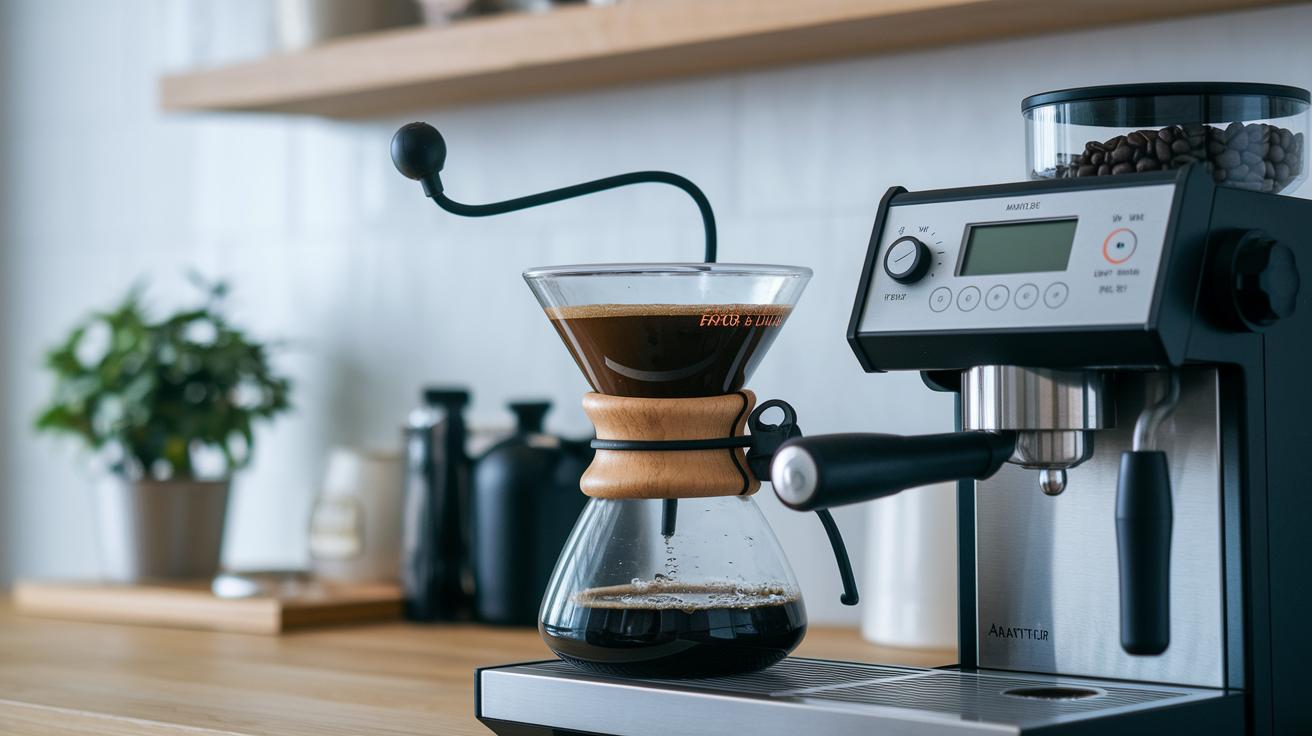
Digital water quality control systems bring together different sensors that work in sync during each brew. These sensors check water chemistry in real time so that baristas can quickly tweak settings for a smooth and consistent craft infusion. They connect through Wi-Fi, Bluetooth, or even wired Ethernet to send readings to onboard controllers that manage pump dosing and control valves.
Key parts include:
- pH probe – It watches the water’s acidity, which helps pull out the right flavors.
- TDS meter – This sensor measures the total dissolved solids, giving a snapshot of the water’s overall mix.
- Hardness sensor – It checks levels of calcium and magnesium that can affect texture and extraction.
- Chlorine sensor – This part looks for compounds that may lessen sweetness by causing off-flavors.
- Flow/temperature sensor – It keeps an eye on both the water volume and its heat for a balanced brew.
When these sensors are properly calibrated for each craft infusion, they form a network that uses simple, everyday testing methods to evaluate the liquid. This setup offers real-time feedback, making sure every cup turns out perfect. For tips on the best way to install these sensors, check out impact of sensor placement on coffee machine performance.
Calibrating Water Quality Sensors for Reliable Artisan Coffee Extraction
Good water is the secret to a perfect cup of artisan coffee. We make sure our sensors are in top shape so every brew tastes just right. For starters, our pH sensors are tuned up with simple buffer solutions at pH 4.00 and pH 7.00 once a month. This check lets the sensor “taste” the water’s acidity clearly, much like taking a quick sip to see if your coffee is balanced. Even a small change in acidity can throw off the whole flavor, kind of like how an out-of-tune guitar might ruin a song.
We also give our TDS meters, a tool that checks for dissolved minerals, a regular once-over using a salt solution that’s 3428 ppm NaCl every three months. These readings help us adjust the water mineral content to hit the perfect flavor note. Modern water tools even have built-in drift detection; if a sensor strays from its set range, the system alerts us immediately so we can fix it right away.
Regular checks and quick tweaks keep everything stable, ensuring that every cup of coffee is made with water that’s consistently just right. Have you ever noticed how the smallest details make a big difference in your favorite brew?
Integrating IoT and Cloud-Based Water Standardization for Craft Coffee

Imagine walking into your favorite coffee shop and knowing each cup is brewed with water that’s been checked in real time. Thanks to IoT, devices like the Flow Gateway, basically a Wi-Fi gadget that reads water details, send updates on everything from extraction time to water temperature right to an online dashboard. This cloud tool keeps an eye on water quality, making sure your coffee always tastes just right.
It’s not just about one location either. Some modern coffee setups, like one in Seattle, have linked up 100 different roast profiles through cloud-based management. This means they can keep flavor consistent no matter where you are, ensuring each cup stays delicious brewing after brewing.
Brewers also love how these cloud systems work. You get unlimited access to past water data, custom alerts, and even real-time notifications when something’s off. In simpler terms, the combo of smart sensors and cloud dashboards means every step of the brewing process is watched over, so you always enjoy that perfect cup.
| Feature | Local Monitoring | Cloud Integration |
|---|---|---|
| Data Storage | On-device (limited) | Unlimited historical logs |
| Remote Access | No | Yes, via browser/app |
| Alerting | Basic alarms | Custom notifications & thresholds |
Impact of Water Chemistry on Extraction Dynamics in Digital-Controlled Artisan Coffee
Digital water quality control is a game-changer when it comes to crafting artisan coffee. Elements like hardness, alkalinity, pH, and total dissolved solids in water help draw out flavor from the coffee grounds. Plus, smart sensors step in right when needed to fine-tune the brew.
Water hardness comes from calcium and magnesium. It affects how the coffee extracts and feels in your mouth. If your water is too hard, it might drag out extra compounds and leave you with a heavier brew. On the flip side, water that's too soft may result in a lighter cup without enough depth. Thanks to smart control, the system adjusts mineral levels to keep your coffee tasting just right.
Alkalinity comes from things like carbonate and bicarbonate. It acts as a buffer, controlling the pH and how acidic your brew tastes. For instance, too much alkalinity can even the bright notes in something like a Washed Ethiopia, making it less tangy. Sensors measure TDS and pH, which lets the system add just the right amount of acidifiers or minerals to nail that perfect flavor balance.
Another big player is automated water pH management. The system keeps an eye on the water's acidity all the time and tweaks the infusion pH as you brew. This careful control helps bring out a balanced sweetness and clear flavors in every cup.
All these sensor technologies work together during brewing. They catch even tiny changes in water chemistry and adjust things on the fly. This creates a lively environment where every detail, hardness, alkalinity, TDS, and pH, is tuned to bring out the best in each coffee bean, making sure your brew stays consistently amazing.
Real-World Cases of Digital Water Quality Control in Artisan Coffee Shops
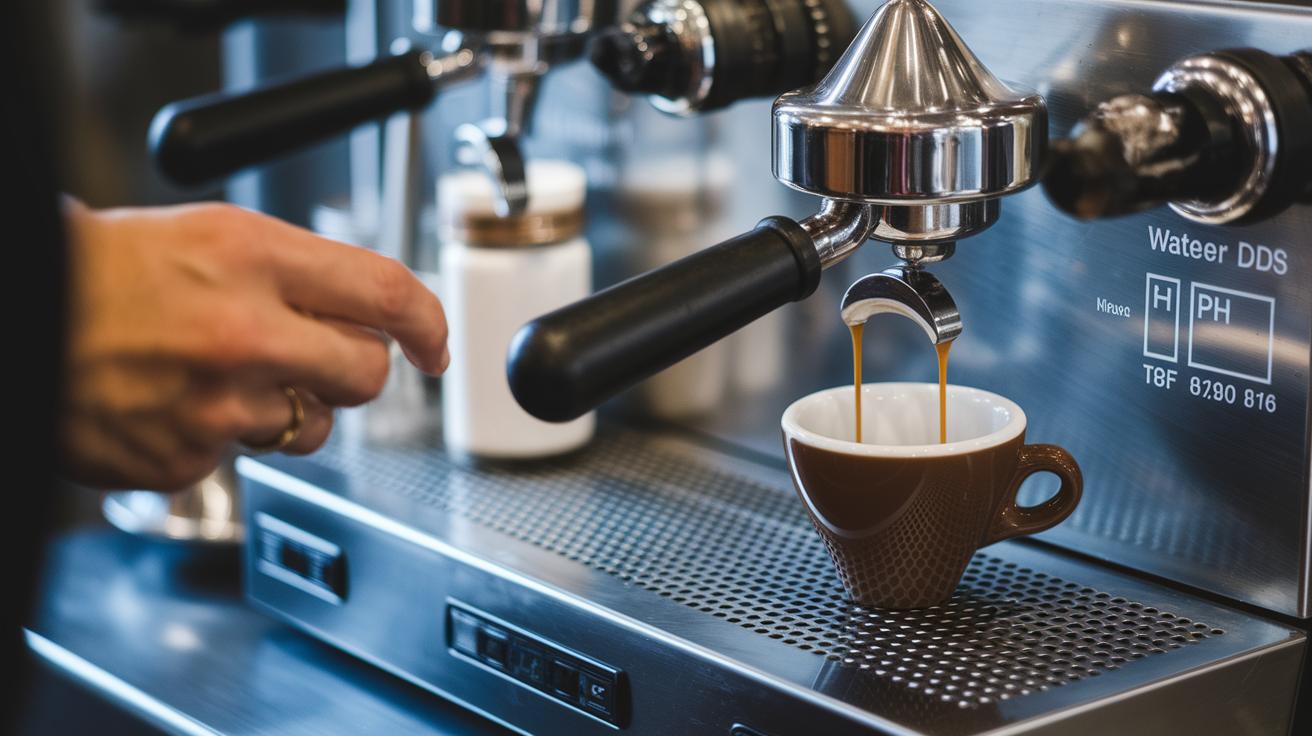
At Metric Coffee in Chicago, digital water quality control really made a difference. When the shop was buzzing with customers, smart sensors kept an eye on water details like pH, total dissolved solids, and hardness. This meant baristas could adjust their brewing on the fly, making each shot about 30% more consistent. It was almost like having an extra pair of eyes ensuring every cup hit the mark.
Over in Seattle, a similar story unfolded. The shop used digital systems that synced roast profiles with water data over two years. This clever setup helped keep the flavor steady, so every cup tasted just right no matter the roast. Real-time updates meant the crew could tweak their process instantly, keeping the coffee quality top-notch.
Flow Coffee Telemetry takes this even further. By tracking every cup live with smart, connected sensors, the system sends an alert if the water quality isn’t where it should be. One minute, your coffee is perfect; the next, baristas get a heads-up to make a quick fix. This responsive design keeps the brew just as delicious every time.
Even larger wholesale operations are reaping the benefits. Batch-level dashboards keep an eye on multiple production lines at once and flag any unit that strays from the standard. With this all-seeing view, operators can jump in quickly to fix issues, ensuring each cup of artisan coffee stands as a true blend of art and technology.
Final Words
In the action, we explored how smart sensors check water’s pH, TDS, hardness, and chlorine to make every brew taste just right. We touched on sensor calibration, IoT systems, and real-world case studies, all aimed at helping you serve consistently great coffee. With digital water quality control in artisan coffee brewing, every cup gets a burst of balanced flavor.
It’s all about using a little tech to perfect your daily ritual. Enjoy the process, and let your passion for coffee guide you to that flawless brew.