

Ever thought that your morning cup of joe might be guided by numbers as well as tradition? Today, smart technology helps baristas learn from simple sensor checks (those are tools that measure stuff like temperature and pressure) so every cup turns out just right.
Picture this: your local coffee shop looks at what you like, how they brew, and even little bits of data to create a coffee that feels made just for you. It's a mix of art and clever tech that is quietly changing our coffee experience.
Take a moment to imagine that perfect cup. Isn't it amazing how a blend of numbers and a bit of heart can make every sip special?
How Data Analytics Shapes Emerging Coffee Trends
Data analytics is quickly becoming the secret ingredient in today’s coffee scene. Coffee pros are digging into numbers and sensor-driven insights (that means devices checking things like temperature and pressure) to refine their drinks, much like a barista nailing the perfect espresso shot. With digital tools keeping track of everything from where the beans come from to how hot the water is, even your neighborhood café is making smarter choices based on clear data. This means every cup is brewed with a careful touch to match what you love.
The market is shifting as these insights guide smart decisions. Coffee makers and roasters are getting digital by looking at buying habits and real-time feedback from smart brewing tools. This hands-on approach is boosting improvements all around, like:
- Consumer purchase pattern analysis
- Real-time brewing sensor feedback
- Roaster supply-chain optimization
- Menu personalization metrics
- Social-media sentiment scoring
When you look closer, you see these changes bring a fresh view on emerging coffee trends. Brewers mix data from sensor-fit machines with customer feedback to pick up hints on what you might enjoy next. This balance of technical know-how and a real love for coffee sparks experiments that are both creative and dependable. In short, adjusting techniques and offerings based on clear, everyday patterns lets coffee businesses stay in tune with evolving tastes while keeping every cup inviting and consistent.
Data Analytics Tools Driving Coffee Trend Forecasts
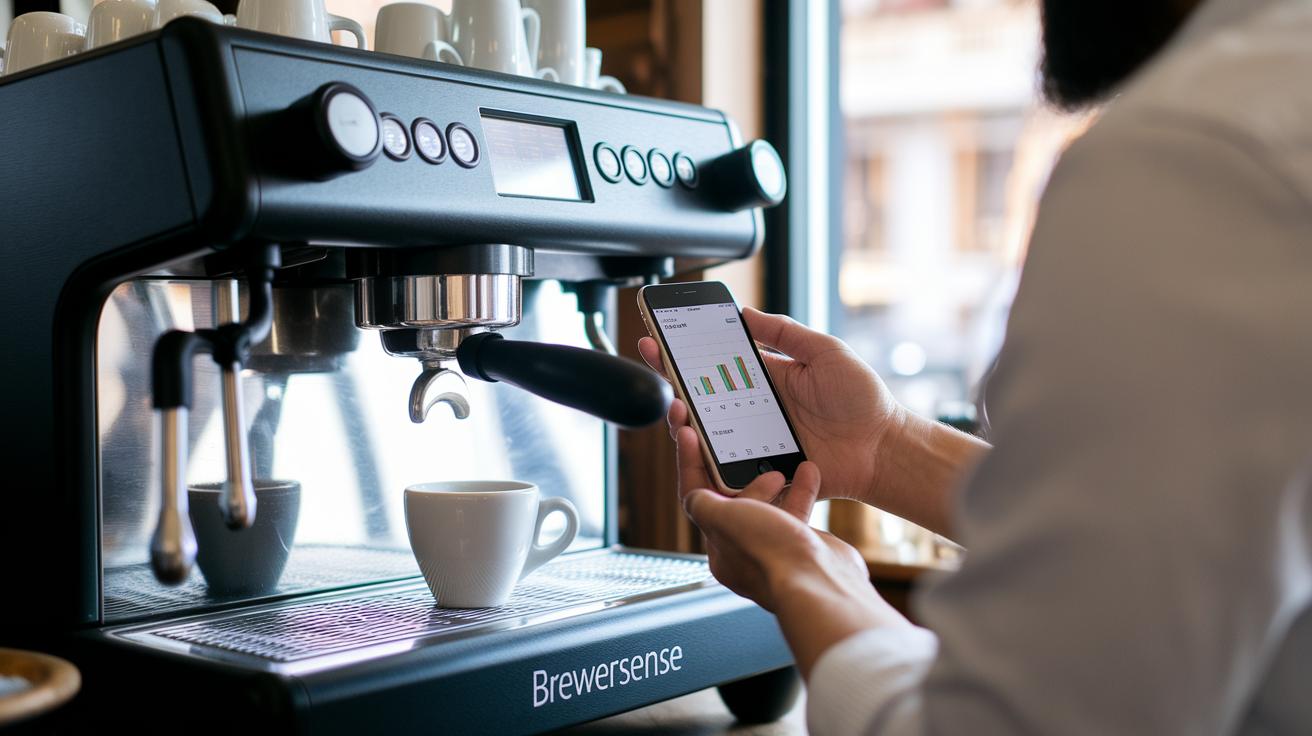
Digital tools do more than just collect sensor data. They put together numbers from smart coffee machines that pick up tiny changes in brew pressure and temperature, helping baristas adjust on the fly. Take BrewerSense: it uses sensors that check temperature changes, so you can catch even slight shifts in how your beans are extracted. Meanwhile, BeanGraph reviews data on roast details and what people are buying. And FlavorModel goes further by linking flavor notes with social buzz to give you a quick read on what customers might love next.
| Tool Name | Primary Function | Data Input |
|---|---|---|
| BrewerSense | Sensor feedback for tweaking your brew | Temperature and pressure readings |
| BeanGraph | Reports on roast details and buying trends | Roast info and consumer purchase data |
| FlavorModel | Quick trend and flavor predictions | Flavor notes tied to social feedback |
Each tool brings its own twist to the brewing experience. They offer unique insights that help sharpen every cup of coffee. For instance, one case study showed that by adjusting sensor settings with BrewerSense, the coffee took on a richer flavor. This blend of smart digital tweaks with classic brewing techniques really makes each cup stand out.
Data Analytics Case Studies in Coffee Trend Evolution
Coffee trailblazers are using numbers and customer clues to spark a fresh twist in every cup. They mix sensor readings, which simply check things like temperature and time, with what people really enjoy about their brew. These stories show how smart insights are gently shaping the future of coffee, one step at a time.
Starbucks Personalized Blend Experiment
At Starbucks, digging into purchase details and customer favorites helped craft blends that feel just right. They used real order data to adjust flavors so each cup has a personal touch. It’s like tuning a guitar until the melody matches your mood, simple tweaks that lead to uniquely satisfying experiences.
Local Roastery Supply Chain Optimization
A local roastery turned everyday sensor readings into magic for better coffee. By watching roast temperatures and the timing of each batch, they could tweak their process and cut down on waste. The data acted like a friendly hint, letting them know when to make small changes that boosted quality and consistency.
E-commerce Purchase Pattern Analysis
An online coffee seller kept an eye on buying trends to see which blends quickly became favorites. Tracking these patterns helped them adjust marketing and restock smartly. Catching these trends early meant they could serve up exactly what their customers were craving, making every order a little celebration of great taste.
Predictive Modeling for Anticipating Coffee Trend Shifts
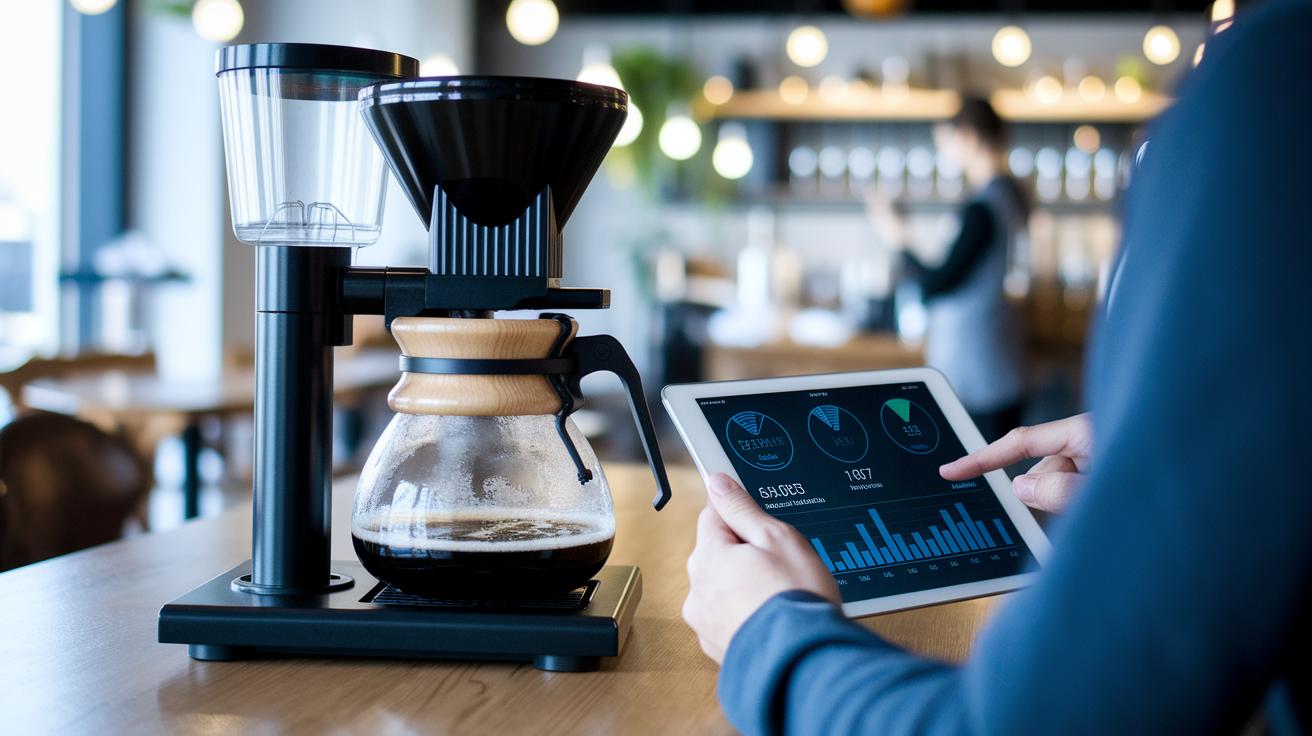
Predictive modeling works like a friendly crystal ball for coffee trends. It gathers sensor data (simple info from devices that check things like temperature) and old brewing records to help coffee experts guess which flavors might be all the rage next. By using smart algorithms, almost like how a barista learns the best brewing tricks, this method uncovers predictable patterns from past coffee choices.
By looking at earlier brew details and seasonal favorites, pros can get ahead of taste shifts. This means they can adjust recipes and stock up on the right beans, keeping every cup exciting and true to its flavor roots.
Regression and Time-Series Analysis
Regression and time-series analysis tag team like a well-oiled espresso machine. They draw trend-lines from past brewing data, capturing seasonal changes and familiar buying habits. It’s much like noticing that a specific brew tends to shine every fall, so you’re ready when that flavor peaks again.
Machine Learning Classification Models
These models work by grouping similar customer tastes into neat clusters. They mix purchase histories with sensor readings to spotlight groups that share the same flavor likes. In this way, tailoring product choices becomes simple, almost like creating a unique blend just for your friends.
Neural Network Forecasting
Neural network forecasting dives deep by processing layers of sensor data and customer insights. Using a deep-learning approach, it finds complex, non-linear flavor shifts that might slip by otherwise. This smart method picks up on those gentle changes in taste, ensuring that even the subtlest flavor trends don’t go unnoticed.
Data Analytics Shaping Personalized Coffee Experiences
Data now helps make each cup feel like it was made just for you. Modern methods mix our online activity, what we buy, and even little social hints to dig out what makes your coffee taste just right. Smart algorithms catch every tiny detail, from how fast you sip your drink to small changes in brewing temperature. Did you know a local study found that adjusting the brew by less than one degree could make an espresso burst with extra flavor? It’s a neat trick that brings out a coffee’s hidden notes.
New sensor technology does more than check the strength of your coffee. These sensors also read the aroma, so every tweak in the blend can add a special hint, like just a trace of caramel in a bold espresso. For instance, if a sensor spots a small change in the chemicals that create aroma, it can nudge the mix to produce a smoother, personalized cup.
Specialty cafes are starting to jump on board.
- Early signs show that many small coffee spots are using these smart analytics and cool new sensors.
- They’re fine-tuning their brewing methods to serve up flavors perfectly matched to individual tastes.
Data Analytics Optimizing Coffee Supply and Production Trends
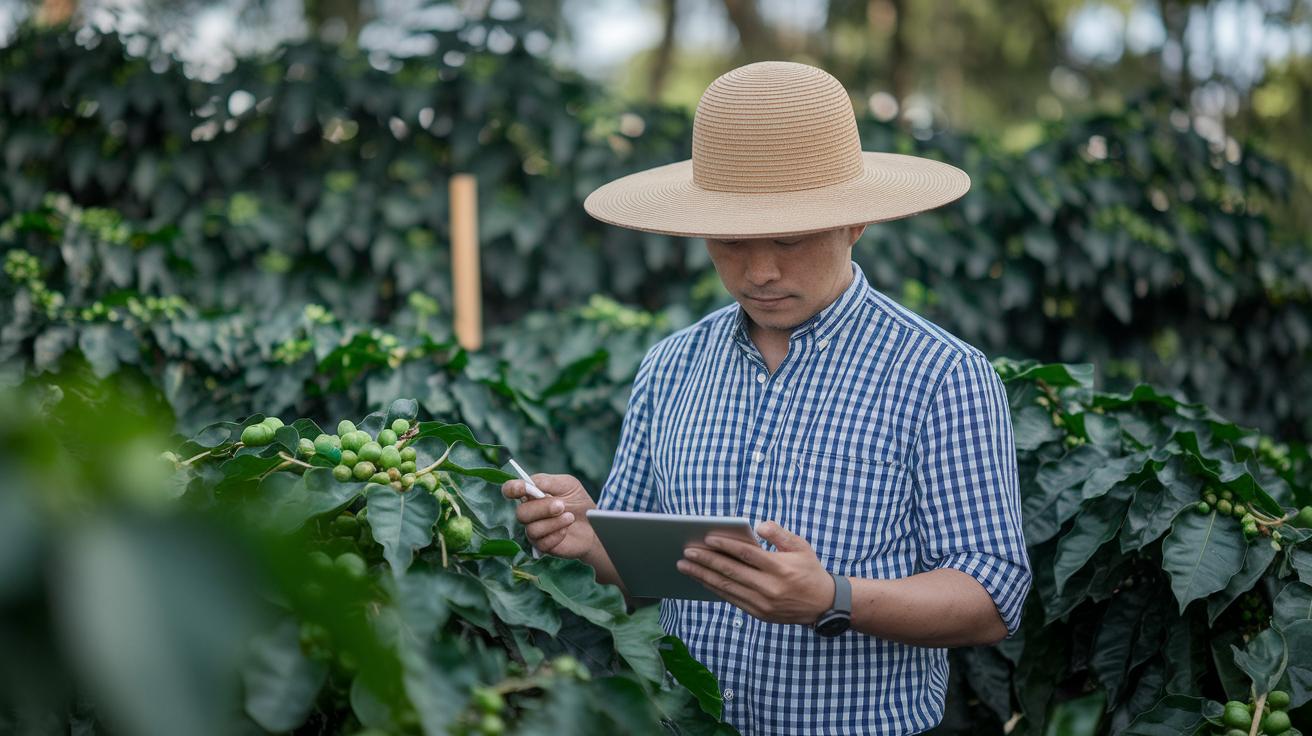
Farm-level data collection gives coffee growers a better view of what’s happening in their fields. Small sensors measure things like soil moisture, temperature, and nutrients – think of them as little helpers checking the field’s health. This info lets farmers fine-tune watering and fertilizer routines, almost like tuning up a well-loved machine to get the best bean quality.
After harvest, smart data is changing how coffee beans are processed. Simple sensors keep an eye on roast temperatures, moisture, and even grind size. It’s like having a quality report for every batch, helping coffee makers hit that perfect flavor every time. With clear numbers in hand, they adjust their method to keep things consistently balanced and delicious.
Distribution forecasting makes the journey from roaster to cup even smoother. By studying buying trends and shipment details, teams can plan transportation and tweak schedules. This steady stream of info means fresh beans land in cafés and stores faster, keeping the whole supply chain running smoothly and ensuring every sip is just right.
Final Words
In the action, real-time sensor feedback, smart analytics tools, and personalized brewing profiles work hand in hand to create that perfect cup every time.
Each section showed how integrating technology with passion can fine-tune everything from supply chains to flavor adjustments. Data analytics shaping future coffee trends drives all these innovations, ensuring every brew feels just right.
Experience the blend of precision and heart with every sip and raise your coffee game to new heights.
FAQ
How is data analytics shaping future coffee trends?
What coffee trends are emerging for 2025?
What are the current US coffee trends?
What insights can one gain from a coffee industry analysis PDF?
Why is the coffee market growing?
How does TikTok influence coffee trends?