

Have you ever wondered if a few digital numbers could make your coffee taste even better? Modern devices now keep a careful watch on coffee beans as they heat up, picking up on little changes that truly affect flavor.
With each adjustment, roasters fine-tune the process so that every cup feels just right. It’s like having a mini science lab right in your coffee maker, where data and craft blend together seamlessly.
In this chat, we’ll explore how these smart measures work to guide coffee flavor development, proving that even the tiniest details can elevate your daily brew into something special.
How Digital Metrics Guide Coffee Flavor Development
Modern roasting machines use smart sensors (little devices that check heat, air, and time) and easy-to-use software to keep an eye on every step of the roast. They collect important data as the beans roast, letting roasters repeat their perfect profile time after time. Sometimes a sensor picks up a small bump in temperature during a key reaction, winking at the roaster to adjust the process. This way, each batch comes out tasting just right.
Digital flavor-profiling platforms mix traditional tasting notes with nonstop bean tracking to reveal deep flavor secrets. They use simple tools, like infusion variable analytics, to log tiny changes during roasting and measure aroma intensity to pick up distinctive scent cues in your coffee. With smart algorithms analyzing both past and live data, these platforms can guess just the right balance of acidity, sweetness, and body. And if something seems off, operators can quickly fix it from anywhere using easy app dashboards.
Quality checks sit at the heart of this data-driven method, making sure every tech number leads to the perfect cup. Regular sensor feedback and taste tests help keep everything in tune. Imagine glancing at your dashboard, knowing exactly when to adjust the roast in real time. It’s a process that brings the true spirit of crafting a memorable brew right from the bean to your cup.
Core Digital Metrics Powering Coffee Flavor Profiling
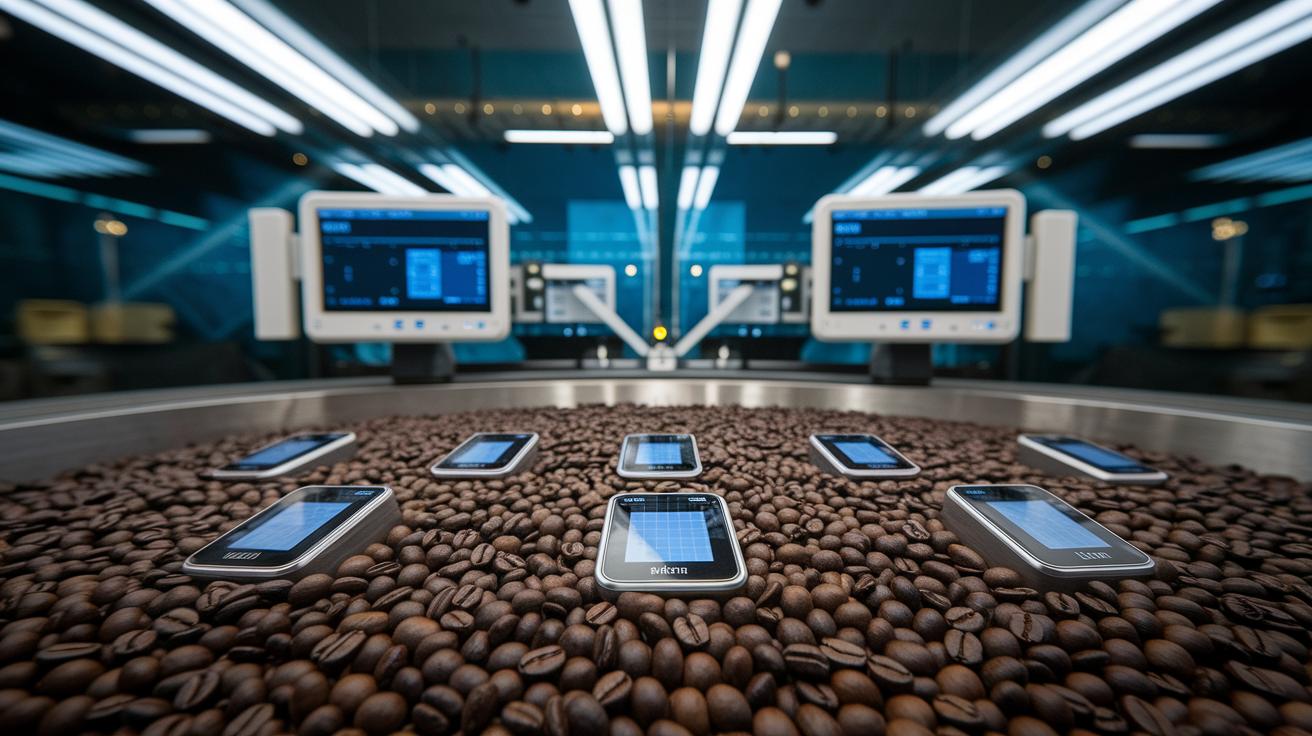
Technology now helps capture all the little details behind every cup we enjoy. With thermal bean profiling, sensors watch how the beans heat up, imagine noticing every gentle change as if you were watching the sunrise over a coffee farm. Gas chromatography works like a magic trick by separating out the different compounds that give coffee its unique aroma and taste. Then there are spectroscopic analyzers, which check the chemical makeup in real time, making sure everything is on point. All these smart readings, often reviewed using tools like Advanced Sensor Data Analytics for Coffee Quality Improvement, keep our coffee tasting consistently great. Even virtual sensory panels are in the mix, replacing traditional human tasting with clever algorithms that mimic the familiar cupping process.
- Thermal Bean Profiling
- Aroma Intensity Measurement
- Chemical Composition Assessment
- Virtual Sensory Panels
- Drip Parameter Tracking
These five digital metrics form the building blocks for crafting amazing coffee flavor profiles. The data they gather lets roasters adjust their process as they go, ensuring that every batch has just the right balance of acidity, body, and sweetness. Virtual sensory panels add a fresh dose of objectivity by replacing human scores, and drip parameter tracking helps refine the extraction for that perfect cup. In the end, blending high-tech insights with traditional coffee art leads to a brew that delights every coffee lover.
Collecting and Processing Coffee Flavor Data with Digital Tools
Today, coffee roasters rely on smart sensors like connected scales and temperature probes to send live data straight to cloud services. This handy information gives them a quick look at the roast and pairs digital readings with everyday taste tests. Imagine a roaster spotting a quick temperature spike and adjusting on the fly to keep the beans naturally sweet.
Automated brewers also log every detail, from flow rate and steady temperature to pressure changes, all measured in milliseconds. This data travels securely to cloud pipelines, while water quality systems fine-tune the mineral content and pH for each bean type. Picture an operator noticing a slight flow change on a cloud dashboard and quickly tweaking the brewer to hit the perfect extraction.
Real-time feedback smooths out the brewing process from bean to cup. Digital dashboards mix technical metrics with hands-on cupping to ensure every cup stays true to its flavor. Think of a sensor catching a small pH shift that leads to a swift change in mineral balance, making sure each pour tastes just right.
Correlating Digital Metrics with Coffee Flavor Profiles
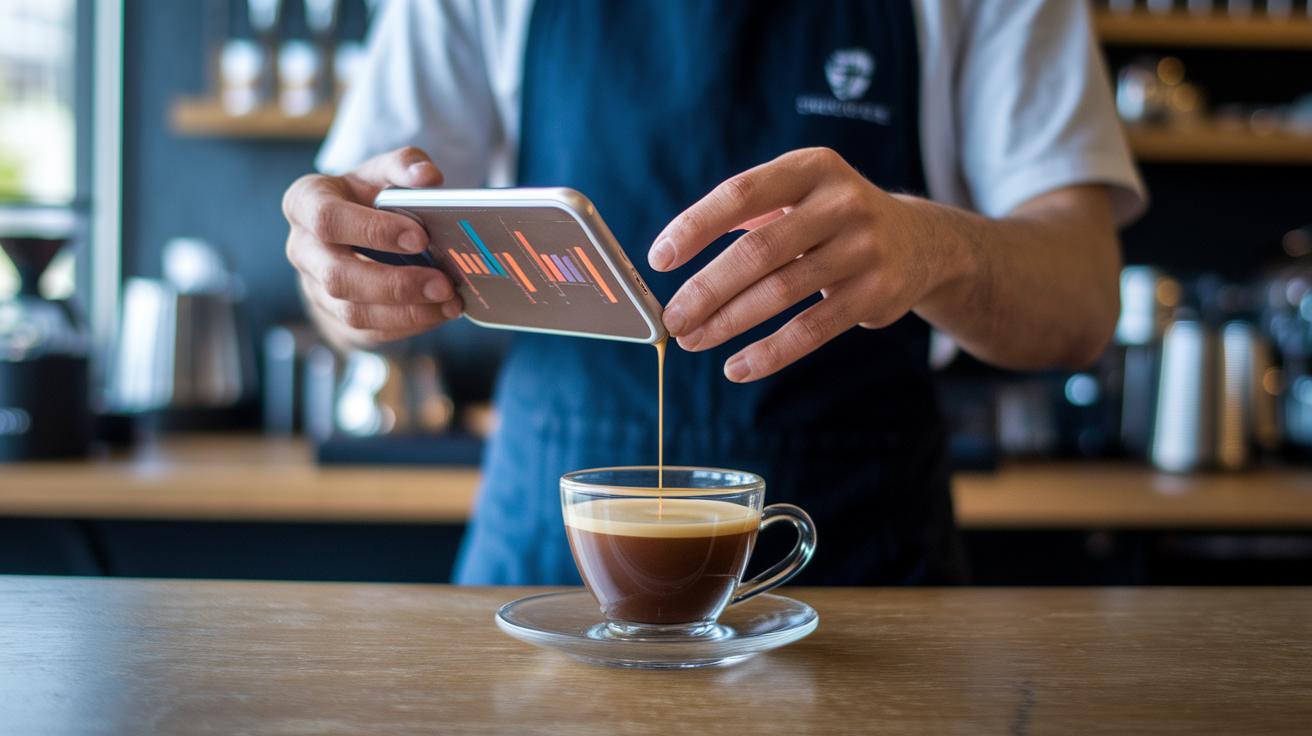
We use smart machine learning to blend sensor outputs, roast details, and taste reviews into a clear flavor picture. It’s a bit like mixing a perfect cup where every element, temperature, roast time, even the little flavor notes, has its own part to play.
These systems help us see how numbers, such as temperature curves and roast duration, shape the taste of each cup. Think of it like a skilled barista gently adjusting your pour-over. Ever imagine how just one degree can lift the acidity and bring out a burst of tangy brightness?
Below is a simple table that matches our sensor readings with the taste components they influence:
| Metric | Flavor Attribute | Correlation Strength |
|---|---|---|
| Temperature Curve | Acidity | High |
| Pressure Reading | Sweetness | Moderate |
| Roast Duration | Body | High |
| Moisture Level | Aroma | Moderate |
We even mix in advanced, live data with tried-and-tested roast records to fine-tune every brew. Our machine learning taste forecasts turn raw digital feedback into spot-on predictions, allowing you to adjust your brew settings over time. It’s like writing a great story where every little detail really matters.
Practical Case Studies in Data-Driven Coffee Flavor Optimization
A small café has added smart sensors to its pour-over station to help perfect every brew. These little devices check the water flow and temperature on the fly, which means baristas can make quick tweaks as they go. In just four weeks, the café boosted its consistency by 15%. It turns out that paying attention to small details makes the coffee taste just right.
Using the sensor numbers, the café then started short flavor reviews. With only a few days of hands-on training, the team learned to read the live data. Every review connected the digital numbers with the actual taste, ensuring each cup met their high standards.
In another story, a specialty roaster used gas chromatography flavor mapping and cloud analytics (basically, smart tech to analyze beans in a simple way) to fine-tune their roast profiles. By keeping a close eye on the beans and using detailed chemical hints, they raised their cupping scores by about 1.2 points. It clearly shows that smart data can shape a coffee’s final profile.
The roaster didn’t stop there. They added blockchain traceability tools with flavor analytics to track the coffee’s journey from farm to cup. With an investment in entry-level predictive profiling systems (costing between $2,000 and $5,000), the staff got up to speed in just a few days and became fully proficient in a few weeks. This blend of digital details with traditional tasting techniques has led to consistently outstanding flavor.
Implementing Quality Calibration Procedures for Consistent Flavor Development
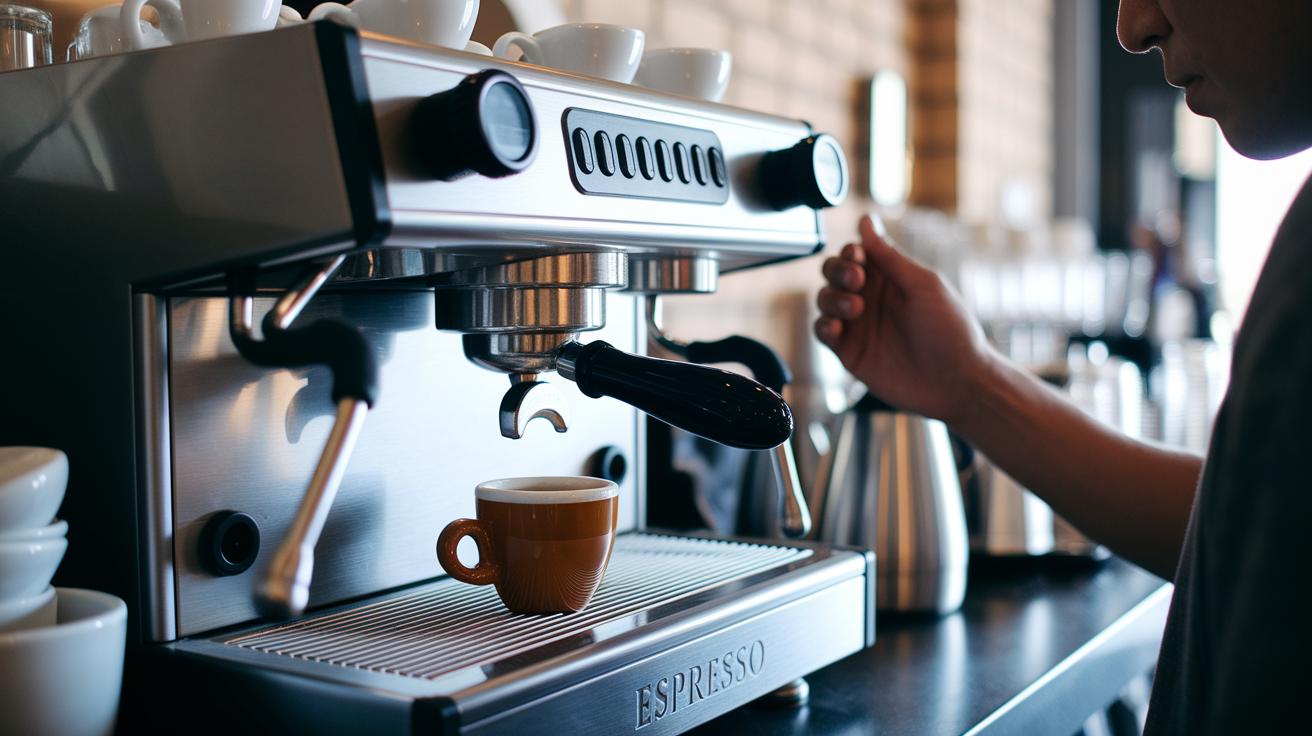
Modern espresso machines now come with built-in sensor systems that watch over themselves. They check the key brewing details as you go and fix little glitches on their own, so you always get a cup with reliable flavor.
But sometimes, the old ways still shine. Roasters trust hands-on methods like using reference beans, familiar roast profiles, and simple chemical solutions. Combining these classic techniques with digital checks means that the numbers match the real taste experience in every cup.
Regular firmware updates and simple maintenance checks are like a tune-up for your machine. By mixing live sensor data with traditional calibration, producers keep the flavor steady and true, ensuring every cup tastes just right.
Future Directions in Digital Metrics for Coffee Flavor Innovation
New tech is changing how we taste and understand coffee. Imagine using virtual and augmented reality to train taste testers and roasters from anywhere. These fun, immersive tools let you join a simulated cupping session, picking up on tiny flavor shifts without even needing real coffee beans. Meanwhile, smart systems using neural networks, which are like computer brains that learn from data, are analyzing flavor details that go far beyond what our eyes can see. It’s like mixing good old tasting with fresh, high-tech insights.
Next, think about multi-sensor setups and smart cloud tools that map out taste in real time. Cloud dashboards now give instant feedback on brewing, so you can tweak your method right away. This approach of measuring flavors digitally is helping us understand every step from bean to cup better, making sure every sip is as consistent and exciting as that first perfect brew.
Final Words
In the action, we explored how modern digital techniques are reshaping the flavor experience. Sensor data, smart roasting systems, and real-time process feedback all contribute to consistency and quality in every cup.
We covered digital sensory evaluations, thermal profiling, and quality calibration procedures that bring simplicity and precision to brewing.
Keep experimenting, savor every sip, and enjoy building your expertise in understanding the influence of digital metrics on coffee flavor development.
FAQ
What factors influence the flavor profile of coffee?
The flavor profile of coffee is influenced by bean variety, roast level, water quality, and brewing technique. Digital tools measure temperature and aroma, helping producers match these factors for a consistent cup.
What is the 15 15 15 rule for coffee?
The 15 15 15 rule for coffee suggests a balanced brewing process where a 15-second bloom is used and extraction targets around 15% soluble content, combining precise timing with optimal brewing conditions.
What are three things that influence the distinctive flavors of coffee beans?
The distinctive flavors of coffee beans are shaped by the bean’s origin, the roast profile, and the brewing conditions. Each factor affects the aroma and taste, which digital sensors help to quantify.
What is the 80/20 rule for coffee?
The 80/20 rule for coffee indicates that roughly 80% of a cup’s flavor comes from 20% of the brewing factors. This principle encourages focusing on key elements like temperature, grind size, and brew time for the best taste.