

Ever wonder if a tiny sensor can brew your perfect cup of coffee? These smart sensors check temperature, pressure, and even the aroma during each roast and brew. They monitor small changes in real time, like having a coffee expert tucked inside every machine.
Think about it: these sensors are always on duty, catching little shifts that can make a big difference in taste, even with small batches. Each sip comes with a promise of quality and a nod to fresh, innovative technology.
Elevating Consistency with Sensor-Driven Quality Control in Artisan Coffee
When we talk about sensor-driven quality control in artisan coffee, it means every single bean gets its chance to shine. With smart sensors that check temperature, pressure, and even aroma (yes, they can actually sense the scent!), coffee makers can keep an eye on each roast or brew as it happens. Imagine a system that gives you a heads-up when a tiny batch is a bit off, like spotting an extra touch of caramel when you were expecting a nutty note. This clever digital check helps ensure every cup tastes just right.
Real-time analytics grab data straight from sensors built into roasting and brewing gear. This means the people behind the scenes can quickly tweak settings for top performance, almost like fine-tuning your favorite recipe. Sometimes, a sensor might notice that the water is too hot, and a fast adjustment brings everything back into balance. It feels like having a secret recipe where every little detail matters.
Picture a coffee machine sensing a small drop in pressure during the shot, gently suggesting, "Hey, let’s adjust this for that perfect extraction." These soft hints can be the magic touch that turns a good cup into a great one.
By using sensor technology, flavor consistency transforms small-batch production. Sensors do more than just track data, they spot even the tiniest changes. When a slight deviation pops up, you can quickly adapt the roasting or brewing process so that every batch lives up to the high standards of artisan coffee.
Key Sensor Technologies for Quality Assurance in Craft Coffee
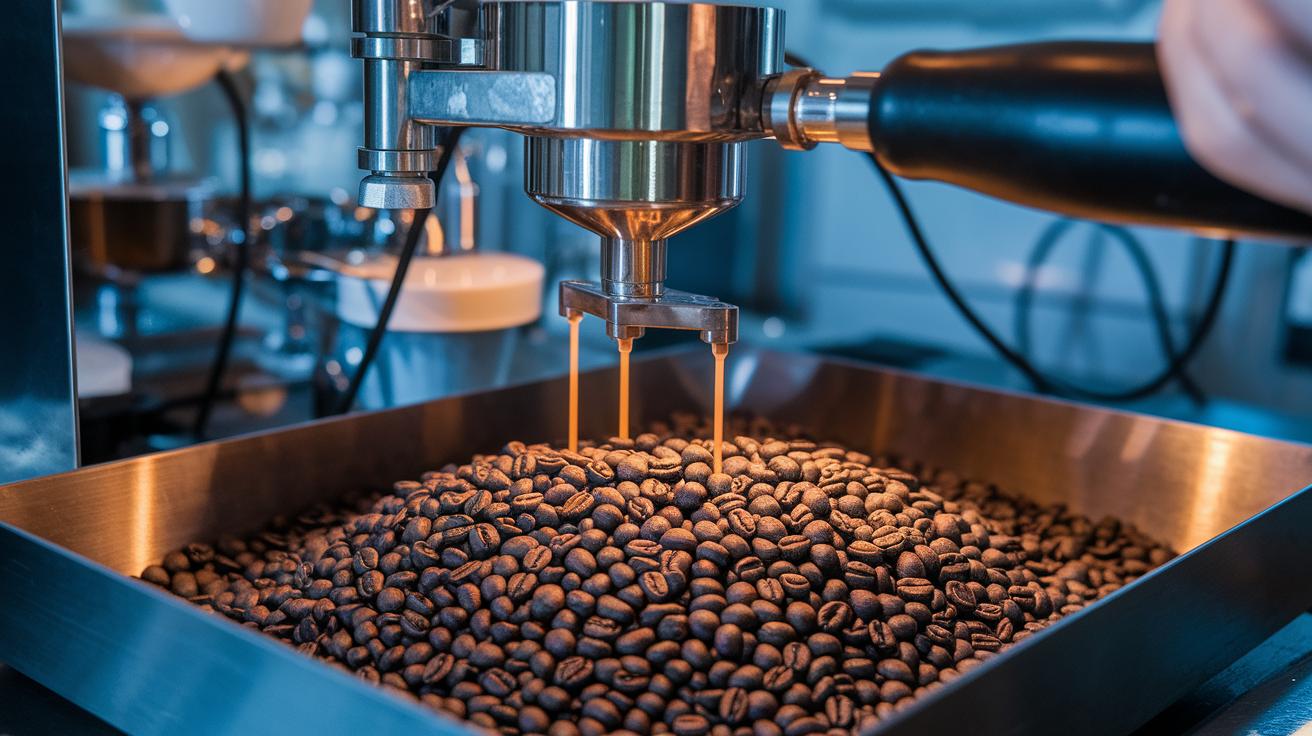
Our smart sensors make sure every cup of coffee meets our high standards. Temperature sensors work like a digital thermostat to keep the roast just right. And pressure sensors manage the water flow, ensuring that every drop extracts all the rich flavors. Moisture sensors add a fine touch by checking the humidity during fermentation and storage, sometimes even nudging us with a friendly reminder like, "The humidity's a bit off, try a small tweak." This helps keep the beans tasting their best.
Then we have integrated sensor arrays, which are like blending all the senses, temperature, pressure, aroma, and moisture, into one clear snapshot. They catch even tiny shifts in moisture across the whole batch so we can make quick adjustments while brewing. You can learn more about how these work in artisan coffee machines here: sensor integration in artisan coffee machines.
Aroma sensors also play a key role, picking up subtle scent changes to preserve the unique character of each cup.
- Temperature sensors
- Pressure sensors
- Aroma sensors
- Moisture sensors
- Integrated sensor arrays
Integrating PID-Controlled Sensor Systems for Precision Roasting
PID controllers work like friendly conductors who guide every sensor in your small batch roaster to play in perfect harmony. In Artisan, there are three levels of integration that help keep your roast on the ideal temperature track.
The first level uses outside PIDs connected through RS485/MODBUS. Setting it up is easy, just match the slave ID and the PV register to your setup. For example, setting the slave ID to 0 lets you switch into the internal PID mode, much like flipping a switch to start your favorite brew. This setup fine-tunes measurements to ensure consistency, even when you're working with smaller batches.
Next up, we have hardware PIDs like the Fuji PXG/PXR, Delta DTA, and Arduino TC4. These nifty devices add on/off control, ramp/soak programs, auto-tuning, and a Follow Background mode to the process. Think of it like a friendly barista giving a quick nudge to your cup, ensuring every bit of flavor is just right. The system quickly toggles settings in real time, responding to data from the sensors, much like a well-tuned machine that learns and adjusts on the fly.
Finally, Artisan’s internal software PID takes signals like ET or BT and gives you four adjustable sliders you can control through serial or MODBUS connections. With a simple right-click, or by holding the Control key on Hottop machines, you can fine-tune your roast settings with ease. This creates a smooth feedback loop that constantly keeps the roast environment in check, making your sensor-driven precision roasting as intuitive as a casual chat over coffee.
Real-Time Sensor Dashboards and Analytics in Specialty Coffee
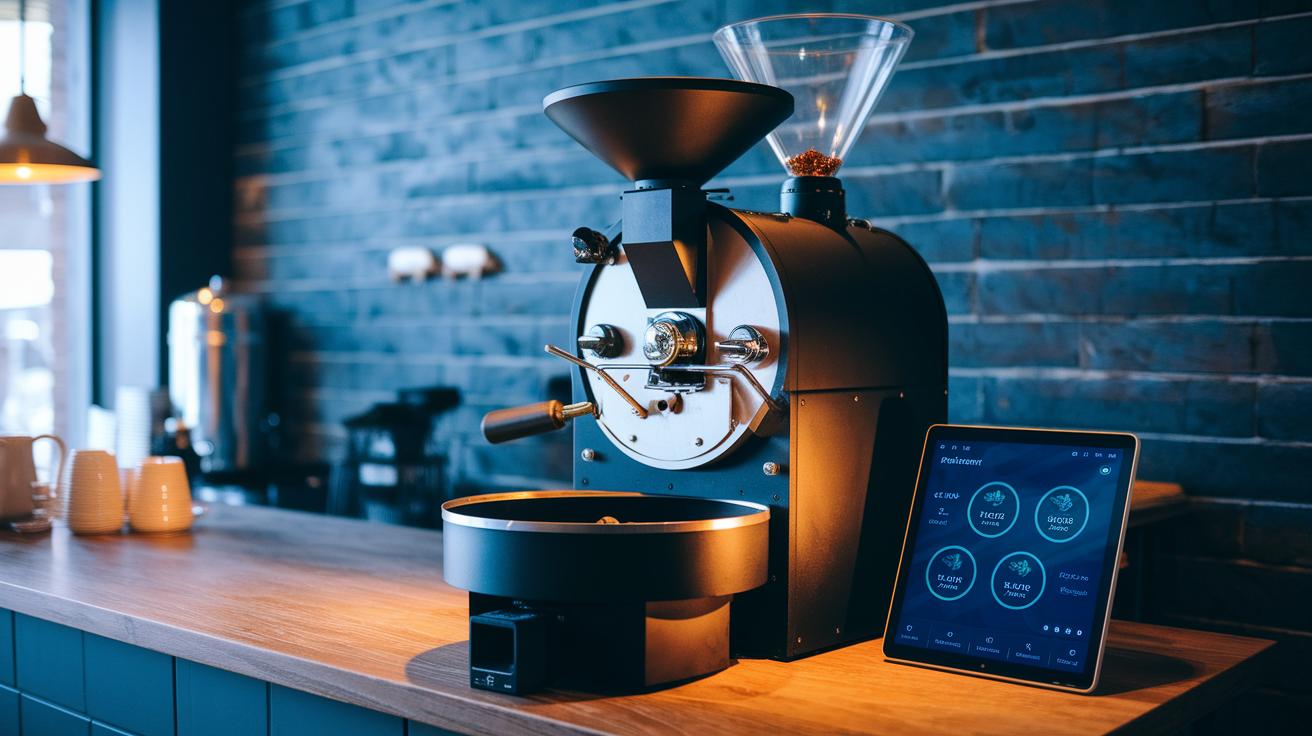
Imagine watching your coffee craft itself as it brews, with live sensor data that tells you exactly what’s happening. Each sensor, placed at every stage of the process, shares temperature, pressure, and moisture readings in real time. It’s like having a friendly weather report for your brew, one that whispers, "Hey, the temperature is a couple of degrees too high, might be time to make a tiny adjustment."
This data lands on easy-to-read dashboards that feel as inviting as your favorite cup of joe. Roasters and brewers can see the numbers update every few seconds, giving them a clear picture of whether conditions are just right or if a small tweak is needed to keep the flavors singing in harmony.
Then, the information zooms off to the cloud. In the cloud, powerful tools crunch the numbers, spotting even tiny shifts that could influence a small batch of coffee. Think of each sensor as a member of a team, all working together to ensure every bean gets the attention it deserves.
| Feature | Description |
|---|---|
| Real-time analytics | Instant data updates, helping you spot changes quickly |
| Visualization dashboards | User-friendly displays that show sensor data clearly |
| Cloud processing | Smart tools analyze data for even the slightest variations |
| IoT monitoring | Sensors working together to form a full picture of the roast |
By keeping an eye on the live data, you can make those on-the-fly adjustments that ensure each cup hits the right note, like tweaking a melody to perfection. If a sensor spots a change, say, during fermentation, you can jump in to keep the process on track. The end result is a brew that’s as consistent and comforting as your daily ritual, with a touch of extra magic in every sip.
Sensor Calibration and Maintenance in Small-Batch Roasting
Keeping your sensors spot on is as vital as enjoying that first sip of coffee in the morning. Calibration is all about tuning each sensor so it reads temperature, moisture, and pressure just right, kind of like setting your radio to your favorite station. You check the sensor values against a known standard and make tiny tweaks, just like you’d check your tires before a long drive.
Regular cleaning and a quick check on all connections keep those sensors in top shape too. A consistent routine, whether before each batch or on a set schedule, can catch little changes before they become big problems. When you keep an eye on your sensors in real time, you can spot even a small slip-up before it messes with the flavor of your coffee.
And here’s a neat trick: tracking sensor performance can even predict when a sensor might be drifting off track. By following simple best practices for sensor accuracy, you have a handy guide to make sure every roast is as delicious as the last.
Sensor-Driven Quality Control in Artisan Coffee Boosts Taste
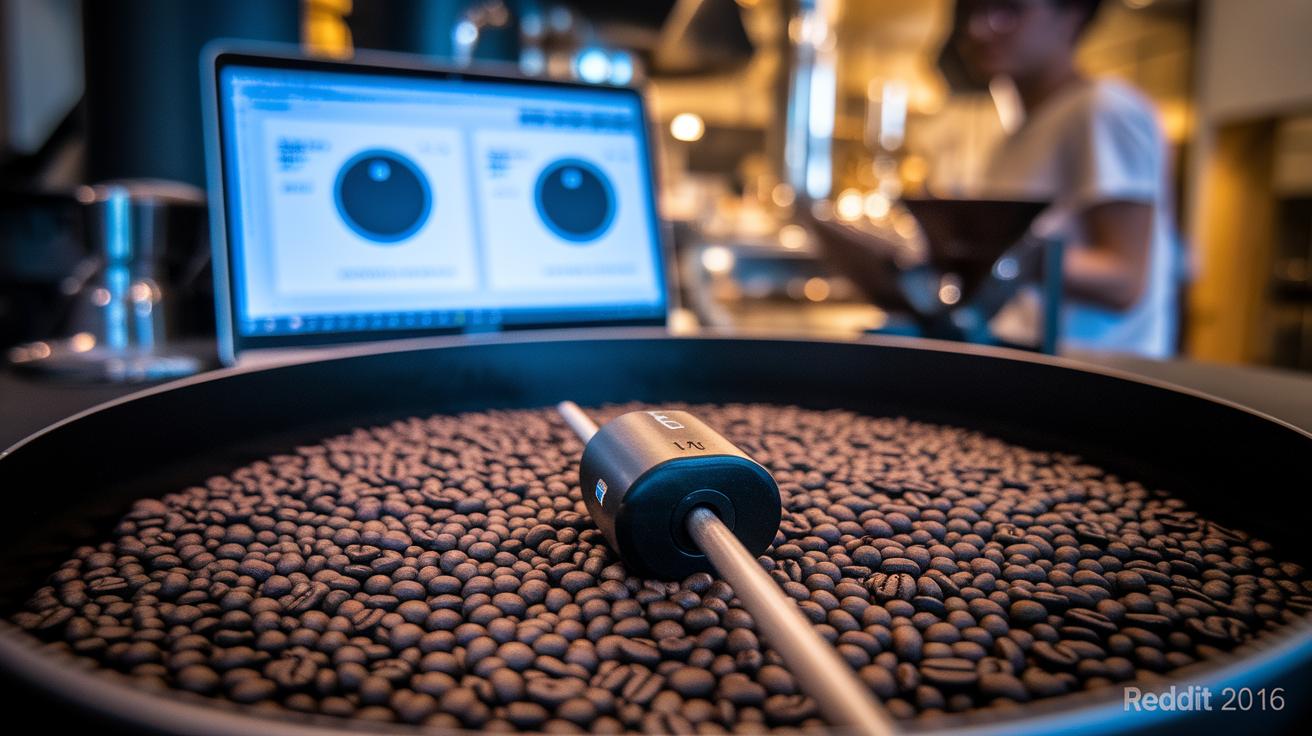
In this case study, we dive into how sensor-driven roast logging can make your coffee taste even better. Picture a tiny sensor quietly tracking every degree change as the beans roast, just like a little friend keeping an eye out for any hiccups along the way.
Right from the start, the system shows real-time data by recording and comparing temperature curves. If something seems off, it lets you know right away. For instance, one sensor picked up a roast curve that hinted at overdevelopment. A quick glance at the clear graph of temperature changes led to a small tweak that rescued the whole batch. You might see a note like, "Check out that dip, this small drop in temperature shifted the flavor unexpectedly."
Later on, the process switched over to Cropster. This tool keeps all the data neat and makes it easy to compare roast curves in detail. Now, smart analytics automatically send alerts to guide the roaster right when needed. These clever systems use built-in modules to check each small roast batch, comparing sensor readings from different runs to keep everything consistent and on track. The result? Quality control becomes simpler, and roasters get useful insights to fine-tune each batch perfectly.
| Feature | Benefit |
|---|---|
| Sensor-Based Roast Curves | Gives you temperature details as they happen |
| Smart Analytics | Quickly flags any unexpected changes for speedy fixes |
| Accurate Data Records | Helps compare roast curves from one batch to the next |
All in all, this example shows how mixing digital insights with real-time monitoring can lift your brew to a whole new level of deliciousness.
Business Benefits of Sensor-Driven Data in Artisan Coffee
Roasters can now monitor every step of the coffee-making process, from the first bean to the final brew. Sensors keep a close eye on things like temperature, pressure, and moisture in real time. This means that if a sensor notices even a small change in the roast, it automatically records the exact moment, making it easier to track any flavor changes.
Customers love knowing exactly how each cup is made. This detailed record builds trust and shows that quality is always top priority. Fewer wasted beans and more consistent batches also mean a better return on investment. Plus, making tiny adjustments on the fly can even help save energy and cut costs.
- Improved ROI from consistent quality
- Better traceability of production events
- Sustainability gains through efficient resource use
- Strong brand differentiation with remarkable quality control
By using digital quality checks, artisan coffee makers can fine-tune every step. Each roast and brew becomes a chance to share a cup of reliably delicious coffee with friends.
Final Words
In the action, we've seen sensor arrays, PID-controlled systems, and smart dashboards work together to fine-tune every roast and brew. This discussion took us from real-time analytics to precise calibration and hands-on case examples, all aimed at keeping flavor consistent.
Combining digital insights with a love for great coffee brings us closer to a perfect cup every time. Sensor-driven quality control in artisan coffee paves the way for delightful, consistently satisfying brews. Enjoy every sip!
FAQ
Frequently Asked Questions
Sensor driven quality control in artisan coffee pdf
The sensor driven quality control in artisan coffee pdf details how digital sensors capture key data during roasting, offering insights that help maintain consistent flavor and roast profiles for small-batch coffee.
Sensor driven quality control in artisan coffee roasting
The sensor driven quality control in artisan coffee roasting explains how sensors record temperature, pressure, and aroma details during roasting, guiding real-time tweaks that deliver a reliable and delicious profile.
Latest on coffee
The latest on coffee spotlights innovations like real-time sensor dashboards, precise PID-controlled systems, and data tracking methods that refine roasting and boost flavor consistency in craft coffee production.
Daily Roast coffee
Daily Roast coffee utilizes continuous sensor updates to monitor roast conditions and adjust parameters on the fly, resulting in consistently balanced and fresh cups brewed every day.
What is quality control in coffee?
Quality control in coffee means using sensor data to monitor key factors like roast temperature, moisture, and aroma, ensuring each batch meets specific flavor and consistency benchmarks.
How to determine the quality of coffee?
Determining the quality of coffee involves reviewing sensor-captured roast curves and aroma details, along with taste evaluations, to verify that each batch delivers a consistent and appealing cup.
How to ensure a good quality roasted products?
Making sure roasted products are top quality means using sensor monitoring to capture real-time data, adjusting roast parameters quickly, and following regular calibration routines to keep consistency high.