

Ever notice how your coffee machine might give you a little hint before something goes wrong? Modern machines send out quick signals about things like the water temperature, pressure, and brew time. It's almost like a friend giving you a gentle nudge.
This smart data picks up tiny changes that could turn into big problems later on, just like noticing a small taste difference before it ruins your brew. It helps keep your machine in great shape, so every cup tastes just right.
Today, we’re taking a look at how these handy signals can stop issues before they happen. That way, you never have to worry about an unexpected coffee crisis interrupting your day.
Diagnostic Data Insights for Proactive Coffee Machine Maintenance
Our coffee machines send us real-time signals through built-in sensors, sharing little details about how they’re running. They keep an eye on things like water temperature, pressure, and brew time, almost like a friend giving you a heads-up. When they notice a tiny change, they let the maintenance team know so small issues can be fixed before they turn into big problems.
The secret sauce here is sensor-based detection. Modern coffee machines have smart sensors that check for mineral buildup and even track if the grind size or water temperature drifts out of whack. Imagine your machine whispering, “Hey, your water’s getting hard, maybe it’s time for a good descaling.” This keeps every cup tasting just right while ensuring the machine stays in tip-top shape.
Real-time performance data also triggers handy alerts when something seems off. If the brewing slows down or the water flow drops, you’ll get a quick nudge to check things over. Think of it as a friendly reminder that helps you catch small hiccups before they become a hassle, so your coffee always comes out perfect and you can skip any unexpected downtime.
Types of Diagnostic Data Driving Coffee Machine Failure Detection
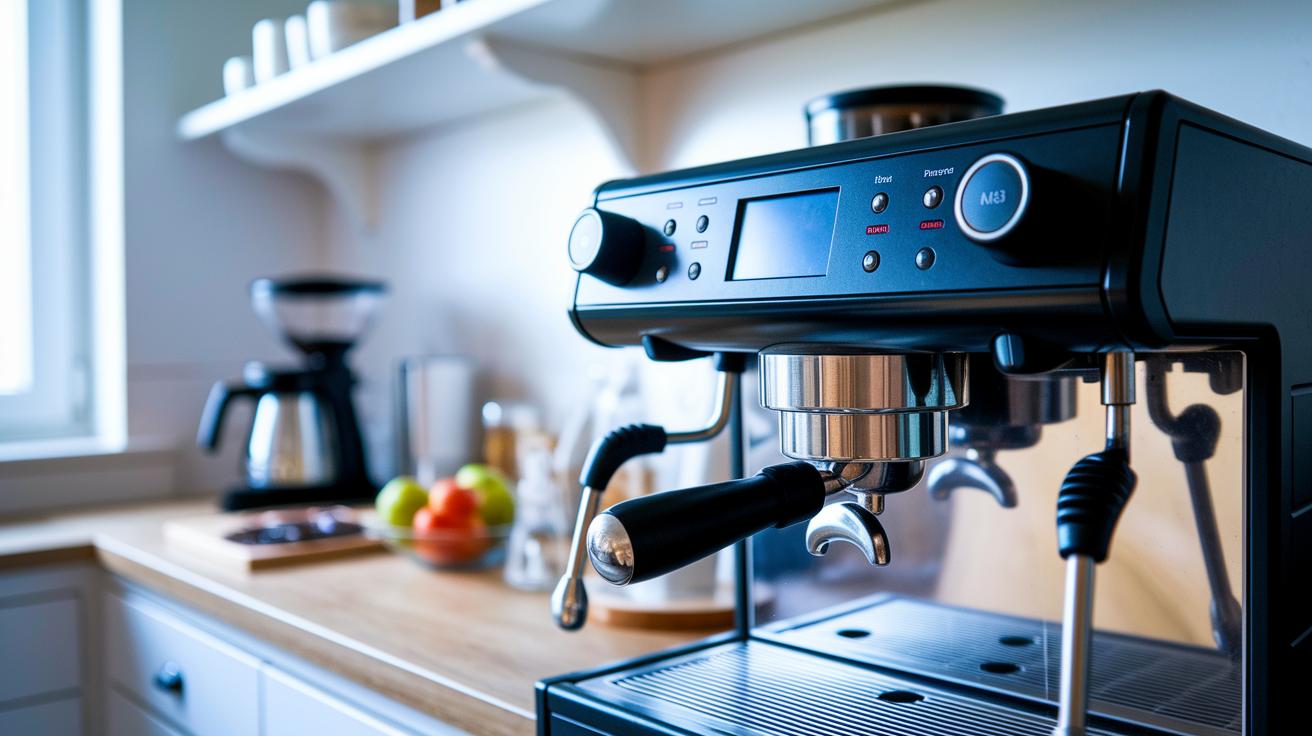
Modern coffee machines grab little details like temperature, pressure, flow rate, connectivity, and cycle count. These sensor readings act like a quick check-up for your coffee maker, letting you know instantly if something feels off. Even tiny changes in performance can be spotted early, helping you dodge bigger issues later.
Keeping your machine running smoothly means constantly watching these numbers. Sensors send regular updates about how each part is doing, making sure nothing slips by unnoticed. This smart, data-driven approach lets us catch small hiccups before they turn into real problems.
| Data Type | Description |
|---|---|
| Temperature readings | How warm your machine gets during use |
| Pressure profiles | The force that pushes water through your brew |
| Flow rate measurements | Speed at which water moves through the system |
| Water hardness level | The mineral content that can affect flavor |
| Brew cycle count | The number of times your machine has brewed a cup |
| Connectivity status | Whether the machine is properly connected for updates |
By mixing these key data points, machine reliability analytics paints a clear picture of your coffee maker’s health. This helps predict and prevent issues before they start, ensuring every cup is just the way you like it, consistently great and full of flavor.
Analytical Methods for Translating Diagnostic Data into Failure Predictions
Our smart systems take the sensor info from your coffee machine and spot brewing hiccups before they turn into big problems. Your coffee maker keeps track of things like how long each brew takes, little changes in pressure (that’s the force behind each sip), and small shifts in temperature. These details help us notice patterns that signal the machine is starting to wear down. When we look at these signs, we can plan a fix well before things go wrong. It’s like having a friend who always spots the small hints that something might soon need attention.
- Threshold-based alerting
- Anomaly detection algorithms
- Trend analysis for degradation patterns
- Predictive error modeling
Every one of these methods helps us keep an eye on your machine's health. Threshold alerts set clear limits for what’s normal. If the numbers go beyond these limits, the system sends an alert, kind of like a smoke alarm for your coffee maker. Meanwhile, smart algorithms watch for any numbers that break from the usual pattern, catching little changes that might be missed at a glance.
Trend analysis observes how numbers slowly shift over time, imagine your brew taking a bit longer than usual, and warns you when parts might be wearing out. Predictive error modeling, on the other hand, reviews older error logs to guess when a component is likely to start failing, giving you a heads-up to plan a fix before it becomes a headache.
Tuning these techniques is really important. By adjusting the limits and refining the algorithms with more information, the system learns to tell the difference between a small quirk and a serious warning sign. This careful balance helps catch potential problems early, keeping your coffee maker running smoothly and every cup bursting with great flavor.
Real-Time Performance Monitoring for Early Coffee Machine Failure Alerts
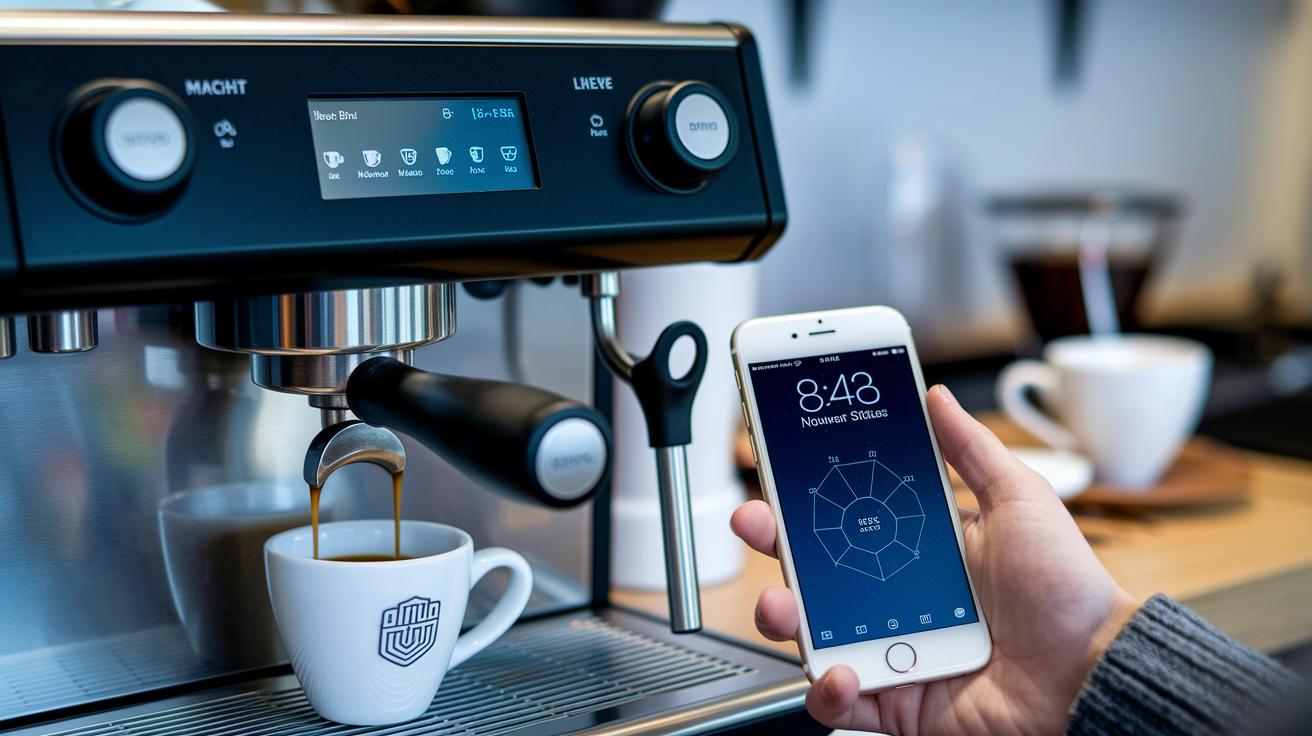
Continuous monitoring acts like a reliable friend, watching your brew process every step of the way. Real-time sensor feedback means your coffee maker can show live brew stats and send vital info, like network status and firmware details, straight to your mobile app. The remote diagnostics feature for artisan coffee machines (https://aboutjoe.com?p=319) puts these instant insights right at your fingertips.
The system spots issues in a flash:
- Lost connection
- Odd pressure changes
- Temperature shifts
- Uneven flow
- Calibration mistakes
All the sensor data blends together to give you a full picture of your machine’s health. Even a small alert can prompt a quick check, helping you catch potential problems before they spoil that perfect cup.
Scheduling Optimization with Data-Driven Repair Planning
Imagine your coffee machine is chatting with you. It uses everyday data to plan its regular upkeep, like cleaning, descaling, or updating its software. When the machine picks up hints of higher minerals in its water or notices a tiny shift in its brewing performance, it gently nudges you with a simple fix. For the trickier stuff, like adjusting internal sensors, it sends a clear signal to call in a professional so nothing goes wrong.
This smart system splits up maintenance into easy fixes you can handle and deeper repairs for a tech expert. It sorts out quick tasks from the ones that need more attention, making it simple to plan care for each device. With this setup, you can keep your machine humming along daily while the pros tackle any hard-to-fix problems, helping prevent any sudden breakdowns.
| Maintenance Task | Data Trigger | Recommended Frequency |
|---|---|---|
| Descaling | High mineral reading | Monthly to Quarterly |
| Calibration Check | Brew-parameter drift | Every two months |
| Firmware Update | Version rollback detected | Quarterly |
Coffee Machine Operational Health Case Studies Applying Diagnostic Data

At aboutjoe.com, we know that a flawless coffee machine can brighten anyone’s day. That's why we're excited to share two case studies where smart diagnostics made all the difference. These examples show how keeping an eye on things like downtime, network stability, and overall performance can turn regular maintenance into a proactive, almost intuitive process.
Case Study 1
In one busy mid-size café, unexpected shutdowns during rush hours were a real headache. The culprit? Mineral buildup that was slowly affecting brew quality. Fortunately, sensor-based descaling alerts, simple tools that pick up on rising mineral levels, warned the team before the problem got serious. By adjusting their cleaning schedule and adding more frequent descaling, the café managed to cut unplanned downtime by 30%. It’s like getting a smoother shot every time those busy hours hit.
Case Study 2
A specialty coffee shop faced its own challenge with frequent connectivity issues. These interruptions messed with firmware updates and overall machine performance. Diagnostics revealed that the machines struggled with maintaining a stable network connection on the 2.4 GHz band. With timely firmware updates and a few smart network adjustments, the shop eliminated 95% of those network-related hiccups, ensuring every cup met high quality standards.
These stories show the tangible benefits of using detailed diagnostic data for better maintenance. By catching issues early with sensor-driven insights and making slight adjustments, businesses not only keep their machines in top shape but also extend their lifespan. In the end, it’s a win-win, smarter resource use, longer-lasting machines, and every cup of coffee meeting the highest standards of quality.
Integrating IoT and Analytics Platforms for Automated Coffee Machine Maintenance
When you blend sensor data with cloud insights, maintenance becomes smart and efficient. Today's systems capture even the littlest details, helping operators spot early signs of issues before they grow.
IoT Sensor Network
Our sensor network covers water flow, pressure, and temperature in real time with multiple nodes keeping watch. These setups smoothly handle hiccups like network noise or tiny calibration shifts. Ever notice how in a busy setting, sensors might pick up small fluctuations? Built-in routines adjust in milliseconds, so nothing gets missed.
Cloud Analytics Dashboard
The cloud dashboard taps into predictive models along with cross-platform data to create a full picture. It mixes live and historical data, firmware stats, and even checks the 2.4GHz network to guide smart maintenance planning. Tests show that even slight changes in ambient temperature can trigger early alerts. This means operators can catch subtle trends and plan service before issues hit.
Automated Alert & Workflow Solutions
Our advanced automated alerts use multiple validation steps to start maintenance workflows only when needed. The system matches live sensor readings against precise diagnostics, cutting down on false alarms and downtime. So when readings stray from the normal range, it’s a clear signal to check the alert panel for a validated diagnostic report.
Final Words
In the action, we saw how sensor insights guide every step from detecting mineral buildup to spotting calibration drift.
These diagnostic data insights bring clear, real-time alerts that help you plan maintenance before issues cause failures.
Smart sensors monitor temperature, pressure, and more so your coffee machine stays in tip-top shape.
With these tools, unexpected downtime is greatly reduced, keeping every cup tasting just right.
Here's to enjoying seamless, enjoyable brewing with proactive care and reliable performance.