

Have you ever thought your coffee maker could help cut down on energy while still making you a great cup? Today's smart coffee machines use neat sensors (those little gadgets that check heat and more) and set heating just right to cut wasted power by almost 30 percent. It’s like having your own barista at home who always gets the temperature and timing perfect. In this article, we’re chatting about how smart design makes your coffee taste even better and helps keep your bills low. Imagine starting your day with a brew that’s good for you and the planet.
Key Strategies for energy efficiency improvements in smart coffee brewing
Smart coffee makers are getting clever about saving energy. They use easy-to-set programs and learning software that adjusts each brew for the best taste. Imagine your coffee machine remembering your morning routine and automatically setting the perfect temperature, it’s just like having your favorite barista right at home. This smart tuning can cut wasted energy by about 20 to 30 percent, so you enjoy a great cup every time while keeping power use in check.
Data shows that smart heating cycles and exact temperature control really make a difference. Simple sensors keep the brew at just the right heat without any wild swings, which means the heater never has to overwork. By releasing heat in quick, careful bursts, these machines save even more power. They’re always on the lookout, making sure every bit of energy goes straight into making that perfect cup. Think of it as having a mini smart thermostat, but for your coffee.
Take the Technivorm Moccamaster, for example. This machine uses about 1,400 watts while brewing and features a thermal carafe that keeps your coffee warm without extra energy. After it finishes brewing, an auto shut-off feature kicks in so the machine doesn’t waste any power. This clever design not only saves energy but also cuts down on your electricity bill. It’s a fine blend of smart programming, precise hardware, and thoughtful design that sets a high bar for energy-efficient coffee brewing.
Precision temperature control for optimized energy use in smart coffee brewing

Modern smart coffee makers use clever heating parts that warm water to the perfect range of 195–205 °F, accurate to within about 1 degree. Sensors (tiny devices that check temperature) and smart circuits work together like a well-tuned band, keeping the water right at that sweet spot without going too far. This steady control means the heater doesn’t have to keep turning on and off, so it saves energy while still making that ideal cup.
Engineered control loops are a big part of the magic. They keep an eye on the heating process all the time and adjust the energy flow based on what’s happening right at that moment. So, even little changes in room temperature or water quality are handled automatically. A thermal carafe, a special design that holds heat well, adds even more efficiency by removing the need for warming plates, cutting the energy needed by as much as 30% after the brew.
In the end, these smart hardware tweaks and control tricks are a win for both great taste and energy savings. By keeping the heated water at just the right temperature, every drop extracts the coffee’s rich flavor without wasting energy. This means fewer energy spikes and a more even, delicious brew. It’s not just about better coffee; it’s about blending smart sensor feedback with responsive heating to nearly eliminate wasted power throughout the brewing cycle.
Automation and IoT integration driving energy efficiency in smart coffee brewing
Today’s smart coffee makers mix Wi-Fi, Bluetooth, and even voice helpers like Alexa, Google Assistant, or Siri to make your mornings easier. They let you set your brew time from anywhere, which cuts down on extra power use when nothing is happening. These devices slowly learn your coffee habits, tweaking brew times and energy use just like they learn how you take your coffee. This smart tuning can save energy by as much as 25% – a real treat for both your taste buds and your wallet.
Manufacturers are busy adding tiny sensors and smart controls at every step of the brewing process. With these gadgets, even the temperature can be carefully managed from afar, reducing wasted power. The machine gets to know you, so it preps your brew right on time without keeping the heater on any longer than needed. It’s a smart blend of technology and care that really pushes energy savings in coffee making.
In essence, mixing remote control and habit tracking turns coffee brewing into a power-saving, perfectly timed ritual that never misses the mark.
Innovative low-power systems and sustainable enhancements in smart coffee brewers
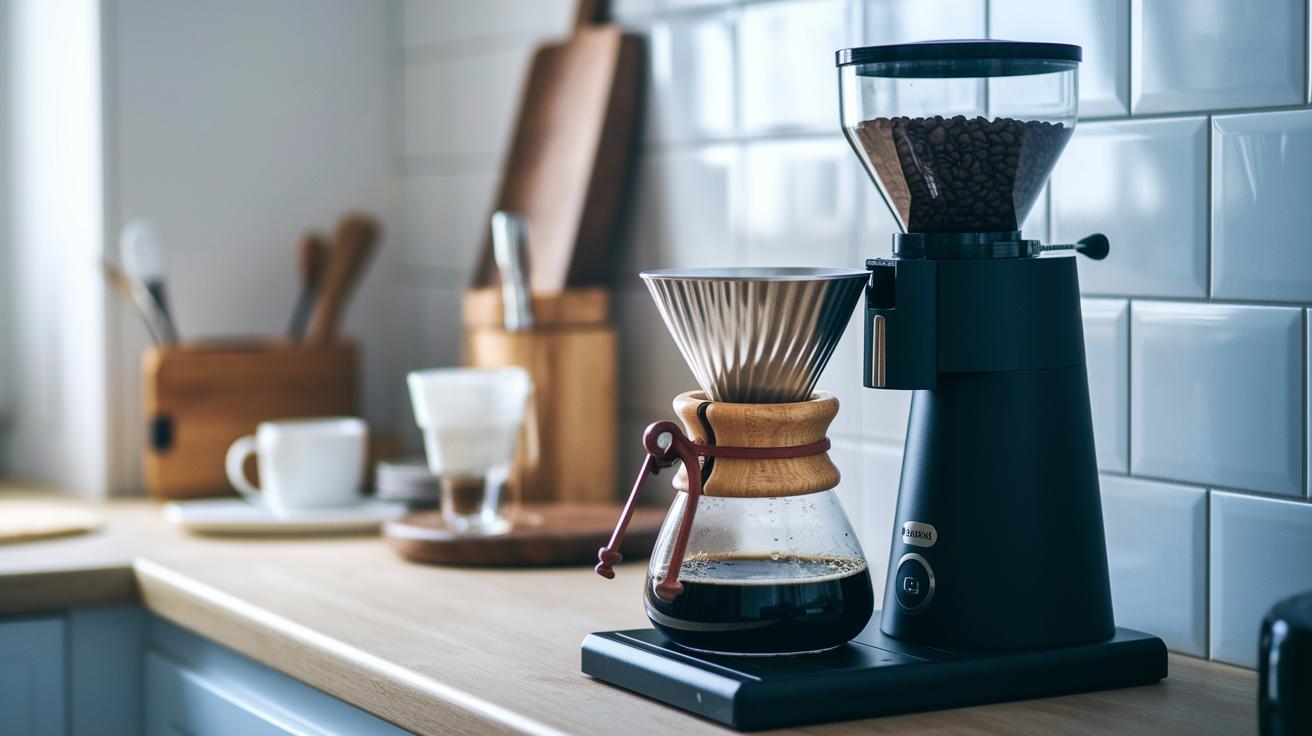
Smart coffee makers these days come with neat built-in systems that trim extra power use as they work. With grinders and milk frothers built right in, you don’t need extra gadgets cluttering your counter. And when your brew is done, an auto shut-off kicks in so no energy is wasted. Fun fact: a coffee maker that automatically turns off after brewing can really cut down on energy use over the year.
Manufacturers are switching to eco-friendly materials that help save even more energy. For example, reusable metal filters take the place of disposable ones, lowering waste and keeping water flowing just right. These robust parts use less power to heat water but still brew a perfect cup every time. Think of it like this: a well-made metal filter not only smooths out your brew but also helps reduce energy spikes throughout each cycle.
Even better, some machines come with self-cleaning cycles that keep them in tip-top shape over time. By doing their own maintenance, they avoid extra energy use caused by buildup. This smart design helps the coffee maker save energy and lower its environmental impact over the long haul. It’s like having a little helper that takes care of all the cleaning while you sit back and enjoy that perfect cup.
Maintenance best practices to sustain energy efficiency in smart coffee brewing
To keep your smart coffee maker working like a charm, it's important to give it regular care. A little cleaning here and a quick sensor check there not only helps your machine sip energy wisely but also makes every cup taste just right. Over time, simple practices like preventing mineral buildup can lower energy use significantly – think about avoiding an extra 15–20% draw on power. When everything from the sensors to the heating elements is in good shape, each brew comes out perfectly balanced.
Here's a simple checklist to help you stay on track:
| Task | What to Do |
|---|---|
| Regular Cleaning | Set a cleaning schedule and descale every 3–6 months |
| Filter Maintenance | Replace or clean reusable filters monthly for clear, smooth water flow |
| Sensor Calibration | Calibrate sensors regularly to keep the heater at top performance |
| Performance Review | Keep an eye on energy analytics to spot any unusual usage patterns |
| Energy Tracking | Monitor energy savings and return on investment from your routine |
Taking these steps makes your coffee maker not only more efficient but also helps you save money in the long run. It's a bit like tuning up your favorite ride – a little regular care makes every journey (or cup of coffee) that much more delightful. So, why not make a habit of checking in on your machine? After all, a perfectly brewed cup can brighten any day.
Final Words
In the action, we've explored how smart coffee brewers use clever temperature control, smart automation, innovative low-power systems, and regular maintenance to cut excess energy use. Each section showed how energy efficiency improvements in smart coffee brewing can boost performance while saving power.
Every strategy adds up to a consistent, ideal cup without wasting energy. Here's to enjoying each sip knowing your next brew is both smart and sustainable.
FAQ
What is the most energy efficient way to make coffee?
The most energy efficient method uses smart coffee makers with programmable features, precise heating control, and auto shut-off. These systems adjust brewing based on real-time conditions, reducing energy use during and after the brew.
What improvements have been made to the coffee maker?
Recent improvements include sensor-driven heating that maintains optimal temperature, auto shut-off features, and IoT integration for scheduling. These upgrades cut down power usage and improve overall energy efficiency.
What is the most eco friendly way to make coffee?
The most eco friendly coffee-making method blends low-power systems, reusable metal filters, and integrated grinders. This approach minimizes energy waste and supports sustainable design throughout the brewing process.
How much electricity does a coffee maker use when not in use?
Smart coffee makers with auto shut-off and advanced control systems use very little standby power, typically reducing idle electricity consumption by up to 25–30 percent compared to traditional models.