

Ever wonder if a smartphone tap can match the old-school magic of handcrafting your brew? We've looked at the hard numbers to compare digital systems that use sensor-driven precision (that is, they check things like temperature and pressure) with the time-tested methods of skilled hands. We break down the facts so you can see how these automated routines hold up against classic, intuitive techniques. This post offers a clear look at both sides, perfect for anyone who craves every cup to be both consistent and full of flavor. Stay with us as we uncover which method might just be your perfect blend.
Digital versus Traditional Coffee Brewing Methods: Data-Driven Performance Overview
Digital brewing systems kick off with a simple tap on your smartphone, setting off an automated routine that feels almost magical. The app takes charge of everything, from the grinder and kettle to the sensors that keep an eye on details like dose, flow rate, and temperature (these sensors check your brew like a friendly coffee expert). Picture your coffee coming to life perfectly timed, with adjustments happening in real time and a neat notification popping up at exactly 1 minute and 25 seconds. If you’re curious about the tech behind it all, check out our digital brewing guide.
On the other hand, traditional brewing methods rely on techniques honed over centuries. Whether you’re crafting a pour-over or a French press, these processes depend on the barista’s skill and intuition. Sure, they deliver that classic, comforting flavor we all love, but they also leave a bit more room for little variations in extraction and temperature control.
| Feature | Description |
|---|---|
| Smartphone Initiation | A simple tap replaces manual adjustments, starting the brew cycle |
| Embedded Algorithms | These smart algorithms use data logs to tweak brewing settings on the fly |
| Brew Notifications | Alerts you right when the brew is complete, down to the second |
Digital systems shine when it comes to consistency. By minimizing error margins, they offer a repeatable, high-quality cup with every brew. Meanwhile, traditional methods charm us with their familiar taste, even if they sometimes lead to a bit of unpredictability. In truth, it’s a trade-off: modern, data-driven brewing gives you optimized control, whereas heritage techniques bank on tried-and-true flavor reliability.
Sensor-Driven Digital Brew Technology and Automated Extraction Systems
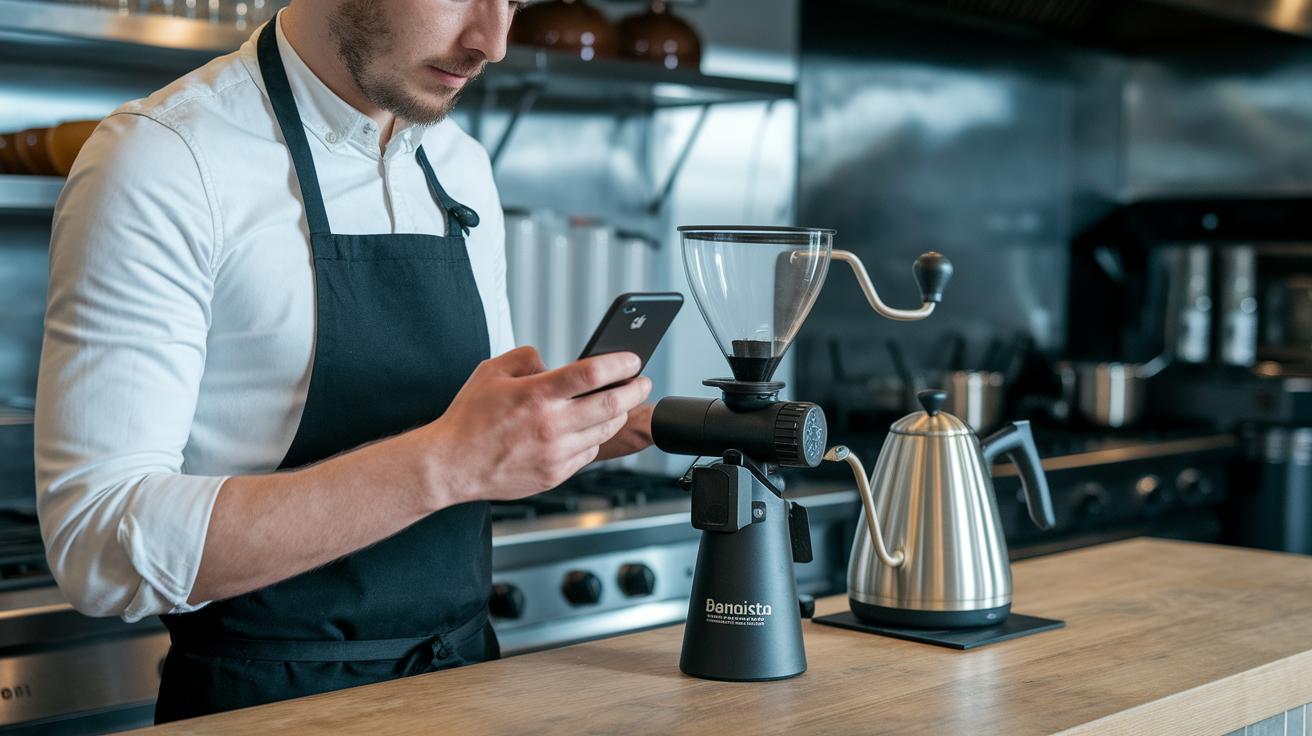
Imagine starting your brew cycle with just a tap on your phone. As soon as you do, smart algorithms get to work, gathering live data from the grinder, kettle, and inline sensors. These clever systems smooth out little bumps, like tiny delays in sensor checks or slight temperature dips, to ensure every extraction wraps up in exactly 1 minute and 25 seconds.
The magic lies in a few key parts:
-
Integrated Grinder Coordination: This system tweaks the grinder’s speed and settings in real time to nail the perfect bean dose.
Example snippet: "Start with a surprising fact – Even a tiny variation in grind size can radically change your brew's flavor." -
Kettle Temperature Regulation: It keeps an eye on the water heat, tweaking it on the fly so your brew stays at just the right temperature.
Example snippet: "Try this example – A momentary dip in water heat triggers an immediate adjustment, keeping the brew on track." -
Inline Sensor Module: This part watches over flow rate and other brew details, making quick fixes as needed until the whole process is just right.
Example snippet: "Consider this – Inline sensors keep the system on schedule, finishing every extraction at exactly 1 minute and 25 seconds."
Classic Brewing Techniques and Manual Infusion Process Insights
Old-school coffee methods, like natural processing where cherries sun-dry and washed processing that cleans away the pulp, have been passed down through the years. These time-tested techniques are loved for consistently bringing out a delicious flavor in each cup. Take the pour-over method, for example, a barista slowly drips water over freshly ground beans, letting every bit of aroma bloom.
Manual methods such as the French press and Moka pot put the control in your hands. With a French press, you keep track of steeping time, usually with a watch or timer, to get that perfect extraction. And when using a Moka pot, you carefully manage the heat so you avoid over-extraction.
- Pour-over: Uses a steady, controlled stream of water
- French press: Requires careful timing and the right grind size
- Moka pot: Calls for mindful heat control
Without digital sensors to monitor things like temperature or pour rate, each cup might vary a bit. Yet, this hands-on approach adds a personal touch that makes every brew feel unique and truly satisfying.
Sensor Integration and Performance Benchmarking in Digital versus Manual Coffee Methods
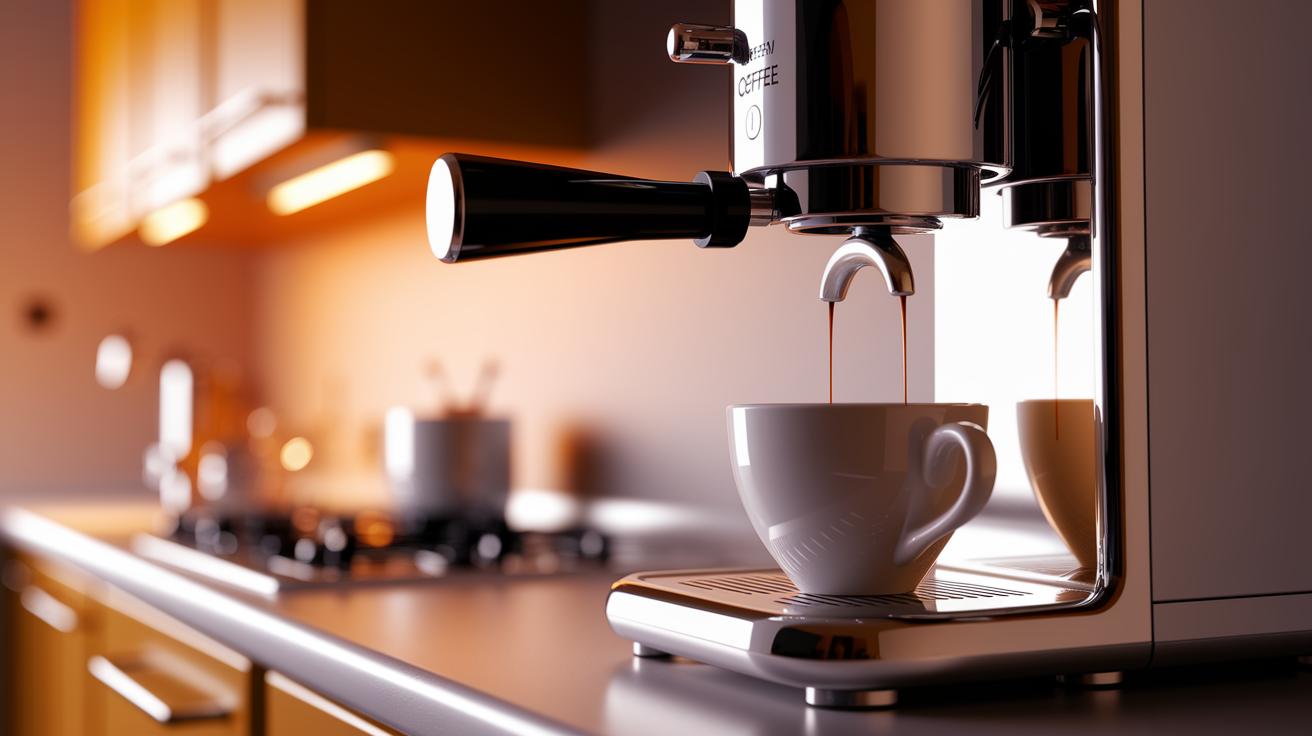
Digital coffee makers now come with nifty built-in sensors that keep an eye on the coffee dose, water flow, and temperature while your brew is in progress. They constantly adjust the settings to make sure your cup is ready in one minute and 25 seconds, with just a one- or two-second wiggle room. Meanwhile, traditional methods depend on visual clues and timers, which can sometimes shift the brewing time by as much as 15 seconds. For example, when a sensor notices a tiny dip in temperature, it quickly ups the heat to keep things steady at around ±0.1°C.
| Parameter | Digital Brew | Traditional Brew |
|---|---|---|
| Dose Measurement | Automatically calibrated with a scale sensor | Measured by hand using a scoop or scale |
| Temperature Control | Regulated by a sensor to within ±0.1°C | Checked with a thermometer or by guess, with ±2°C variance |
| Flow Regulation | Managed by an automated valve | Controlled manually by adjusting the pour |
| Timing | App alerts exactly at 1 minute 25 seconds | Handled with a manual timer, ±15-second variability |
Extraction Efficiency and Flavor Profile Data Comparison in Digital vs Traditional Brewing
Digital brewing methods record data logs that track pressure and temperature. These precise readings can cut the cup-to-cup differences by up to 60%. Plus, an extraction map that shows where flavors peak or dip helps coffee makers tweak settings for that ideal taste.
On the other hand, traditional manual pours depend on the barista’s senses. They adjust water flow and heat by feel and sight, which gives a familiar flavor but can vary by as much as 25%. It’s a bit like cooking with your instincts instead of following a strict recipe.
Key metrics include:
- Extraction consistency: Digital methods deliver tighter control and less variation.
- Sensory versus digital logs: Manual brewing leans on human senses, while digital systems capture tiny details with sensor readings.
- Flavor profile mapping: The clear curves from digital data provide a handy visual guide for adjusting your brew settings.
A fun fact: Digital sensors can reduce brewing inconsistencies by picking up minute shifts in pressure and temperature that the human eye might easily miss.
Modern Coffee Processing Innovations in Digital and Traditional Brewing Methods
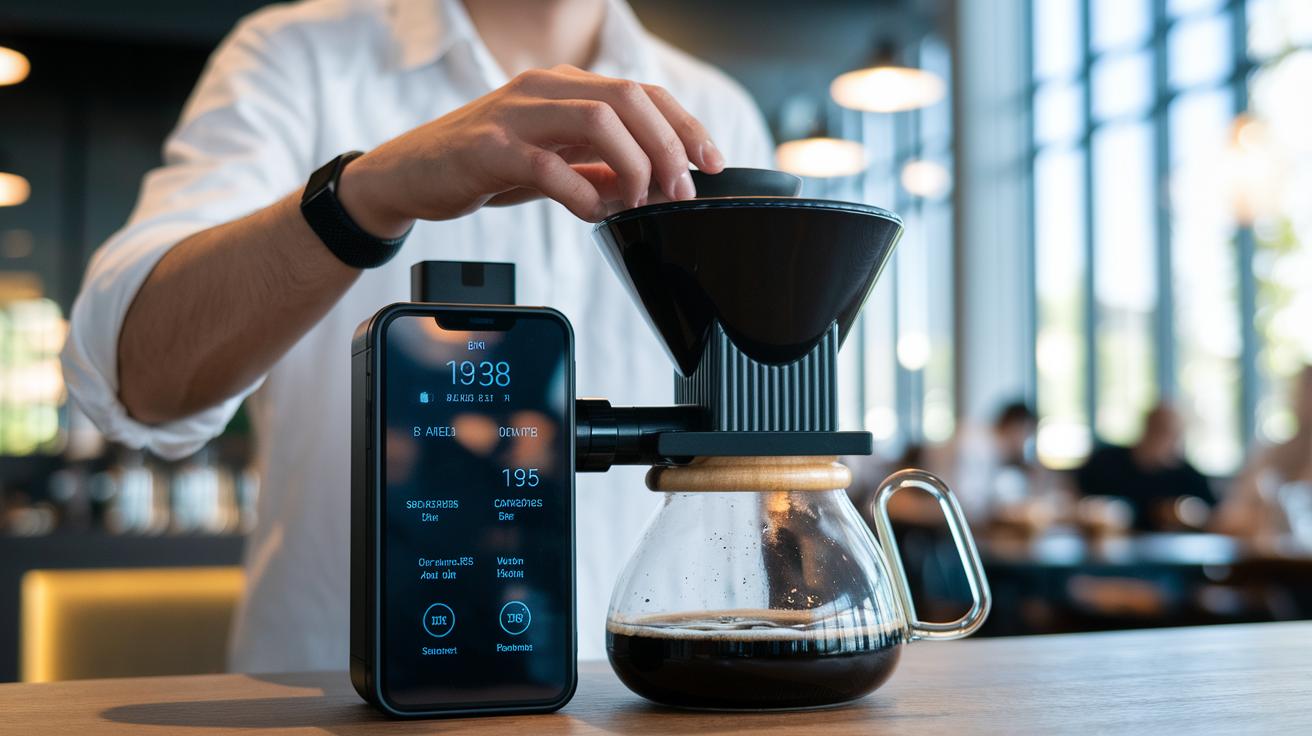
Coffee is getting a modern upgrade. New data-driven ideas mix fresh techniques with old-school brewing. For example, methods like anaerobic fermentation and honey processing now use digital controls. These controls adjust things like temperature and moisture in real time (that means they check and change settings as the brew happens) to boost flavor and keep it even.
On the digital side, smart machines teamed up with clever algorithms run the brewing timeline. Each step sends back data to keep every batch consistent. This means every cup is brewed with the best settings, though it does call for more tech know-how and investment in systems that use sensors (devices that watch temperature, pressure, and humidity). More coffee shops, especially trendy third-wave spots, are picking up this tech to work smarter and bring out richer flavors.
Still, classic methods remain a favorite for their familiar taste that people have loved for years. But the boost from digital upgrades is clearly making its mark. If you're curious, do a quick search for digital coffee trends in 2024 to see how these smart systems are blending old and new for a perfect brew.
Final Words
In the action, we compared how digital systems use sensor modules for precision and rapid feedback while traditional methods rely on skilled manual adjustments. We looked at key factors like dose control, temperature accuracy, and brew timing to highlight differing strengths. This data-driven comparison of digital and traditional coffee brewing methods reveals that both approaches can deliver a delightful cup. Innovation meets tradition here, promising a consistently excellent brew every time.
FAQ
What are the best coffee brewing methods?
The best coffee brewing methods include espresso, filter, French press, and pour-over, with each offering a unique flavor profile and degree of hands-on involvement to suit various taste preferences.
How does coffee brewing method impact health?
The coffee brewing method impacts health by changing the amount of oils and compounds in your brew; for example, filter coffee usually leaves behind some oils found in espresso or French press coffee.
What has coffee brewing research revealed?
The coffee brewing research shows that digital systems can improve consistency and extraction control through sensor data, while traditional manual techniques continue to deliver reliable flavor with a personal touch.
How do drip, pour-over, and filter coffee differ?
The drip method automates the process, while pour-over requires manual water control, and filter coffee can refer to both styles, each affecting the extraction rate and final taste in its own way.
What types of coffee are available?
The types of coffee available range from light and medium roasts to dark French roasts, including espresso-based drinks and brewed coffees, each offering distinct aroma, body, and flavor notes.
What is Colipse French Roast coffee?
The Colipse French Roast coffee is known for its bold, dark roast profile that delivers a smoky, intense flavor, perfect for those who enjoy a rich and robust cup.
What is the 80/20 rule for coffee?
The 80/20 rule for coffee suggests that about 80% of your brew’s flavor comes from 20% of the process steps, steering focus toward optimizing critical moments like dosing and extraction.
What is the 15-15-15 coffee rule?
The 15-15-15 coffee rule breaks down brewing into balanced steps—15 grams of coffee, a 15-second bloom, and an initial 15-second extraction—to help achieve a harmonious flavor profile.
What is the traditional method of coffee brewing?
The traditional method of coffee brewing involves manual techniques like pour-over, French press, or Moka pot, where timing, temperature, and technique are key to creating your perfect cup.