

Ever wonder if your coffee maker could chat about its own health? Today's smart machines send signals about temperature, pressure, and even tiny vibrations to a smart computer that has learned from millions of cups. In simple terms, it's like your coffee maker is giving you a heads-up when something might go wrong.
This clever setup scores each part, letting you know before a small glitch turns into a big problem. It keeps your coffee brewing smoothly and saves you from surprise repairs or downtime. Imagine knowing exactly when your machine needs a little extra care, pretty neat, right?
In short, predictive maintenance means less worry for you and more perfect cups every day. This post explains how a smart system like this ramps up efficiency and reliability, making every sip as good as you'd expect.
Core Predictive Maintenance Principles in Smart Coffee Machines
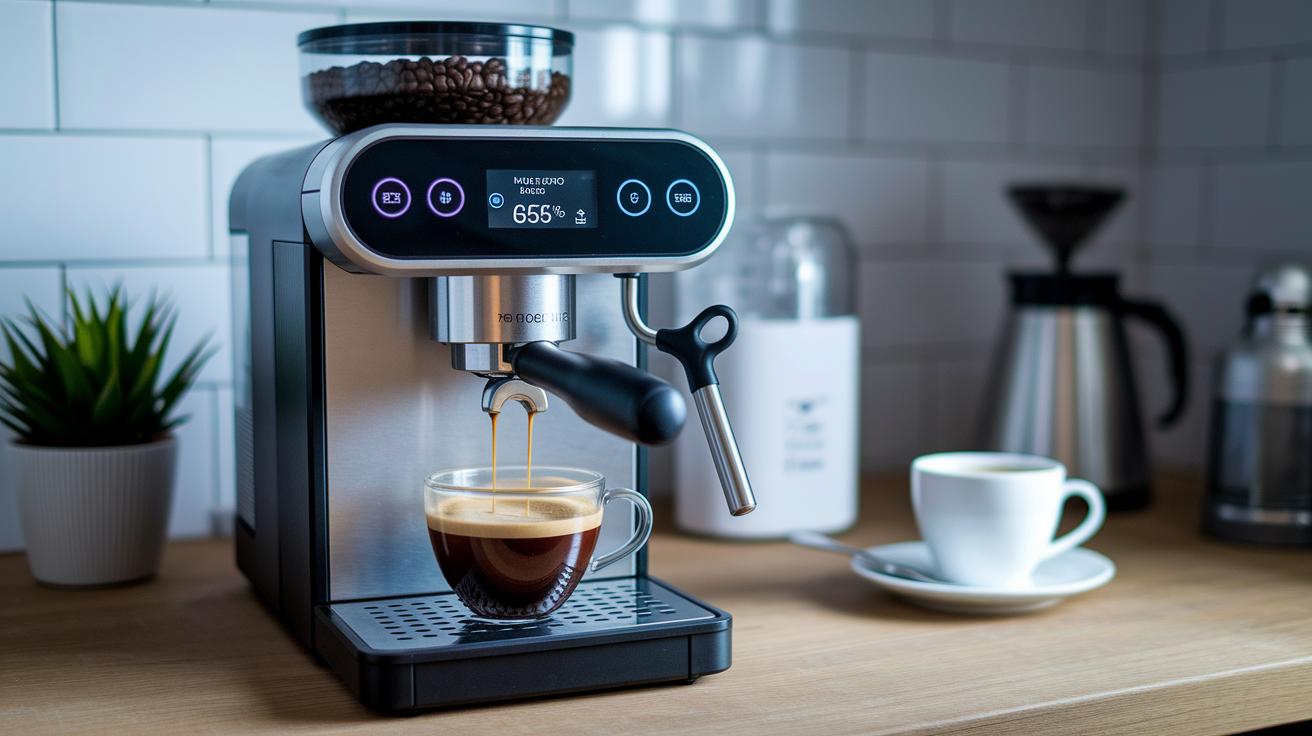
Predictive maintenance is all about stopping problems before they start instead of waiting for things to break. Smart coffee machines now send out a steady stream of real-time signals, capturing details like temperature, pressure, and even little vibrations. This data is sent directly into AI systems that have learned from millions of coffee shots across more than 10,000 machines. Imagine a sensor that watches a machine’s temperature just like you’d check the heat on your stove.
Every part of the machine gets a simple health score between 0 and 1. This score helps spot when a piece might soon need fixing, almost like a friendly heads-up before trouble strikes. With sensors working together as part of the Internet of Things, data moves smoothly from the machine to smart analytics, letting it check itself before a small glitch turns into a costly repair. Operators who use this approach dodge unexpected downtime that could cost over $1,000 each day.
The IoT setup means every key part of the espresso maker talks to one another, sharing its current status in real time. This clever design helps maintenance teams time their repairs during quieter moments, so the busy café keeps serving great coffee without a hitch. With these proactive steps, the system often pays for itself in about 12 months by cutting down on downtime and extending the life of valuable parts.
Integrating IoT Sensor Networks into Predictive Maintenance for Smart Coffee Machines

Smart coffee machines now come with surface-mount technology that packs a powerful, fanless MediaTek Genio 510 chip into a small design. This smart setup lets the machine send constant data, making it easy to spot early hints of wear or misalignment before they turn into bigger problems. Inside these machines, sensors check for things like vibration, temperature, tiny electrical changes (magnetic flux), water flow, and pressure. Each sensor picks up little details, like a slight shake or a small shift in water flow, helping signal when some extra care might be needed.
These sensors work together like a close-knit team, sharing real-time updates about the machine's condition. Regular calibration routines keep their readings true, so you always see the real picture. And with automatic sensor checks, you get a gentle heads-up as soon as something seems off, almost like a friendly nudge before a small issue becomes bigger. You can even check out detailed schematics that show all the sensor wiring and placement. For more on this setup, take a look at sensor integration in artisan coffee machines: https://aboutjoe.com?p=92.
| Sensor | What It Does |
|---|---|
| Vibration Sensor | Catches unexpected movements |
| Temperature Sensor | Keeps an eye on heat levels |
| Magnetic Flux Sensor | Detects tiny electrical shifts |
| Flow Rate Sensor | Tracks water movement |
| Pressure Sensor | Checks brewing consistency |
This IoT strategy lets maintenance teams act early to keep your brewing experience smooth and delicious.
Leveraging Machine Learning for Equipment Upkeep in Smart Coffee Machines

Smart coffee machines use onboard machine learning to keep everything running smoothly. They run data through a tiny 6 nm MediaTek Genio 510 chip. In simple terms, this chip helps the machine check its own temperature, vibration, pressure, and water flow right on the spot, kind of like having a barista who notices a hiccup before it hits your cup.
The system learns from past experiences. When it senses something a little off, say, a slight increase in vibration or a small drop in pressure, it quickly spots the issue. Then, it sends out a maintenance alert so any fixes can happen during quiet hours. It’s like having a heads-up before a small problem grows into a big one.
By using this smart, on-device know-how, the machine doesn’t need to wait for a breakdown to act. Instead, it predicts when parts might need a little extra care and even adjusts brewing settings based on wear and tear. This local data processing ensures the machine stays in top shape and your coffee tastes just right.
Real-Time Diagnostics and Automated Alert Systems for Smart Coffee Machines

Modern smart coffee machines now come with a nifty scoring system that does much more than just basic sensor checks. Every component gets a rating based on signals like temperature, pressure (that’s just a way to measure how forcefully water flows), and even little vibrations. If one of these ratings slips past a safe limit, maybe a tiny wobble or a slight dip in temperature, you’ll get an instant alert on both your dashboard and mobile device.
When this unexpected dip happens, a friendly notification tells you to run an automated check. It might even suggest a remote recalibration, basically a quick system reset, to get things back on track. Imagine your machine gently reminding you that a little fine-tuning can make all the difference.
The system also offers clear, step-by-step troubleshooting guidance. It walks technicians through each stage of remote diagnostics, so issues get sorted out before they can spoil your perfect brew.
Key features include:
- Real-time performance scoring on all machine components
- Automated alerts sent directly to dashboards and mobile devices
- User-friendly, step-by-step troubleshooting for remote checks
- Seamless integration with IoT sensor networks for spot-on updates
Case Studies and ROI Outcomes of Predictive Maintenance for Smart Coffee Machines

Predictive maintenance for smart coffee machines is changing the game by using data to fix problems before they start. One national chain with 120 locations cut downtime by 78% simply by watching daily sensor readings that spotted issues early. Imagine knowing a problem before it disrupts your day, this forward-thinking approach not only keeps machines running but also saves a ton on unexpected costs.
Picture a Scandinavian roaster with 56 cafés. They managed a 47% drop in maintenance spend by mixing continuous IoT sensor monitoring (sensors that check things like vibration and pressure) with a clear, scheduled plan. Ever get a friendly nudge saying a key part needs attention? That’s exactly what they did, turning last-minute fixes into timely care.
Then there’s the flagship café in Singapore that achieved zero downtime. Each component got its own health score, and strict digital records made sure everything was always in check, even when the café was buzzing. This savvy use of scheduled alerts helped prevent reactive outages, which sometimes cost over $1,000 a day. It’s like having a system that pays for itself within a year by keeping your brew on point.
| Case Study | Location | Outcome |
|---|---|---|
| National Chain | 120 Locations | 78% Reduction in Downtime |
| Scandinavian Roaster | 56 Cafés | 47% Reduction in Maintenance Spend |
| Flagship Boutique Café | Singapore | Zero Downtime |
These examples show that with a smart, data-driven approach to maintenance, you not only boost machine reliability but also see strong financial benefits. Isn’t it great to know that the right kind of care can make your day run smoother?
Implementation Roadmap and Best Practices for Predictive Maintenance in Smart Coffee Machines

Did you know it takes less than 30 minutes to set up this system without needing any new hardware? It’s as quick and easy as brewing your favorite cup of coffee.
This system makes planning for maintenance a breeze. First, you hook up your existing IoT sensor network to the machine. These sensors check important details like temperature (how warm it gets) and pressure (how hard it works) all the time. They send this info over to help plan maintenance when your machine isn’t busy, meaning your coffee stays perfect without any disruptions.
A cool part of this setup is the remote troubleshooting. Picture this: you notice your machine isn’t performing like usual, and from your phone you quickly adjust a setting or swap a part. It’s like catching a whiff of fresh coffee and making sure you get that perfect taste every time.
Keeping detailed digital records of every repair, tweak, or service is just as vital. Think of it like saving your best coffee recipes. This log helps with audits and makes planning easier for next time.
Best practices are simple:
| Tip | Description |
|---|---|
| Schedule during quiet times | Plan service when the machine is less busy so you don’t interrupt your usual flow. |
| Remote troubleshooting | Resolve issues quickly from anywhere, like making an adjustment on your phone. |
| Keep digital records | Log every change to help with future maintenance and audits. |
| API Integration | Connect the system with ERP/POS platforms for smooth alerts and updates. |
This roadmap mixes solid technical know-how with the simplicity of a cherished coffee ritual, ensuring your coffee machine stays in top shape, ready to delight you every day.
Final Words
In the action of this post, we saw how smart sensors, machine learning, and real-time diagnostics work hand in hand to keep coffee machines at their best. The discussion covered sensor networks, automated alerts, and easy setup practices that save time and cuts downtime costs. Case studies highlighted impressive savings and smoother operations with every brew. Predictive maintenance for smart coffee machines brings consistent quality and warmth to every cup. Enjoy the positive impact of a smart, efficient brew each and every day.
FAQ
What maintenance is required for a coffee machine?
The maintenance required for a coffee machine involves routine cleaning, sensor calibration, and periodic component checks. It uses real-time data to spot issues early, keeping your brew consistent and preventing unexpected downtime.
What are the three types of predictive maintenance?
The three types of predictive maintenance include condition-based upkeep through sensor monitoring, scheduled predictive checks, and real-time analytics. Each type helps catch potential issues before they affect your coffee machine’s performance.
What are the five major steps to a predictive maintenance program?
The five major steps include collecting sensor data, integrating IoT sensors, evaluating performance, setting up automated alerts, and scheduling proactive maintenance. This method reduces downtime and keeps machines running smoothly.
Which tool is commonly used for predictive maintenance?
The tool commonly used for predictive maintenance is a machine learning diagnostic system. It processes sensor data and monitors component health, alerting technicians for timely interventions before major issues arise.