

Ever wonder if your coffee machine hides a secret to that perfect brew? It might all come down to the tiny sensors inside. When these little devices are placed just right, they help keep the temperature steady and the pressure balanced, which in turn makes every cup taste great.
But if a sensor is off-target, it could mix up the readings and mess with the brewing process. That means your coffee might not turn out as rich or delicious as you expect. In this post, we chat about how the placement of these sensors can really make or break your machine's performance. Even a small detail can have a big impact on your daily cup of joe.
How Sensor Placement Affects Coffee Machine Performance
Ever wonder what makes your coffee taste that great? Sensors in your machine keep tabs on temperature, pressure, and flow, all crucial for a delicious brew. When these sensors are positioned just right, they pick up every detail, like a friend who savors the aroma of freshly roasted beans.
The sensor placement isn’t just about good readings; it also helps your machine run at its best. If a sensor is in the wrong spot, it might get confused by uneven flow or stray heat from nearby parts. That misreading can mean an off extraction, leaving your coffee less consistent than you’d like. But with the right setup, your machine keeps brewing perfectly every time.
And don’t forget to check on them. Regular calibration and following the manufacturer’s tips, like ensuring solid electrical connections and choosing the perfect spots, go a long way. This kind of care means you enjoy a reliably great cup each and every day.
Essential Sensor Types and Their Placement in Coffee Machines
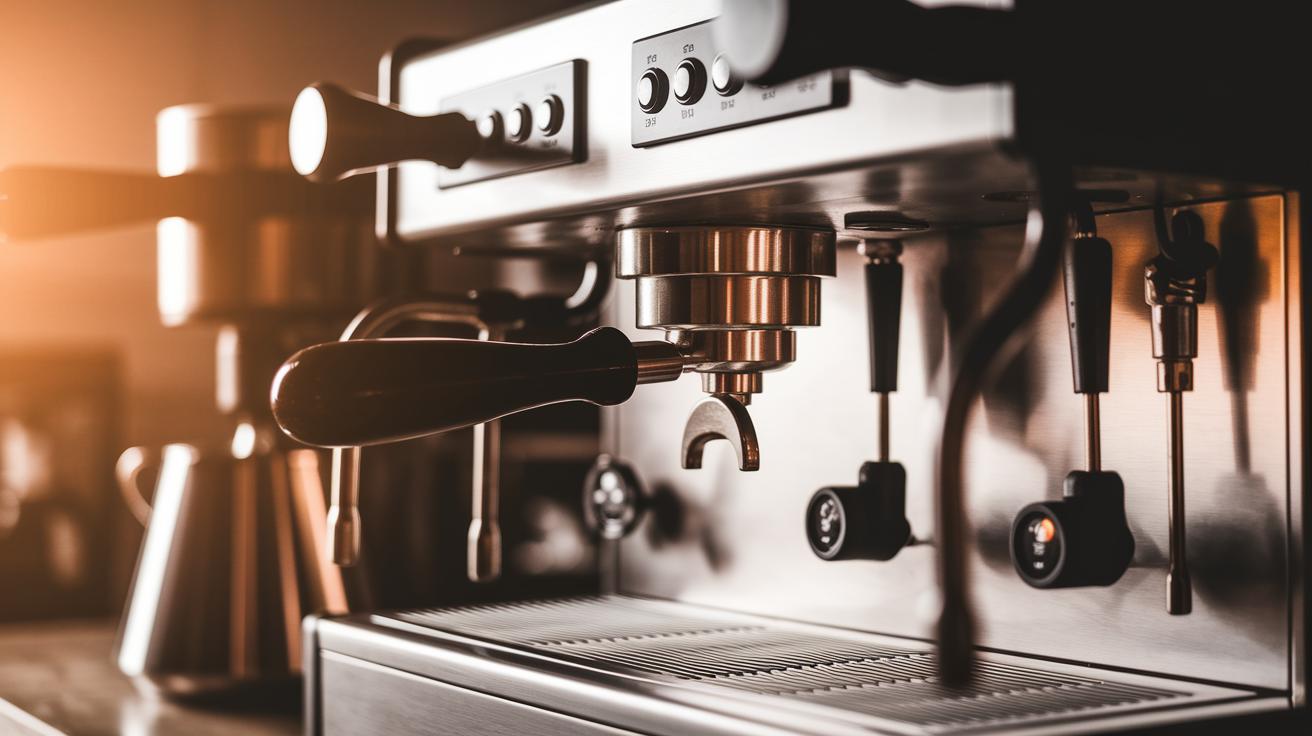
Sensors are the heartbeat of a coffee machine. They keep an eye on things like temperature, pressure, and flow so you get that perfect cup every time. Each sensor has its own spot where it works best, and choosing the right place, whether it's direct, remote, flange, diaphragm seal, or surface mounting, really matters. A proper setup means you get accurate readings and avoid problems like pressure drops or signal glitches. Plus, solid electrical connections and a smooth link with the machine’s control system make sure everything works just right.
| Sensor Type | Placement Method | Key Advantage | Common Challenge |
|---|---|---|---|
| Temperature Sensor | Direct Mounting | Fast response to temperature shifts | Easily affected by surrounding heat |
| Pressure Sensor | Flange Mounting | Keeps pressure steady | Demands accurate alignment |
| Flow Sensor | Surface Mounting | Easy to install | Can be thrown off by rough flows |
| Multi-Sensor Integration | Remote Mounting | Central control of all sensors | Involves tricky wiring |
By knowing these differences, you can fine-tune your coffee machine with better placement for each sensor. This means the temperature, pressure, and flow sensors all line up to boost accuracy and ultimately the taste of every brew. It’s a bit like perfecting your coffee recipe, small changes lead to big improvements. So, next time you tinker with your machine, think of it as refining your very own barista art, ensuring every cup is crafted with care and precision.
Technical Analysis of Sensor Positioning Strategies and Calibration
When starting to test sensor placement, the team gathers live performance data in a controlled setting. They run bench tests that mimic brewing conditions, checking things like pressure, temperature, and flow. By studying this data, they see if a sensor’s spot truly reflects what’s happening inside the brew. This approach also catches any unusual interference from nearby equipment or the environment, making sure each sensor captures the real vibes of the brew.
Calibration is key to ensuring sensors perform at their best. Technicians start by making sure all electrical connections are solid and that the sensors are properly synced with the control systems. They follow a careful soldering routine to protect sensitive parts like LGA-8 ceramic pads. One method uses a five-step reflow process to keep the peak temperature under 240°C for no more than 30 seconds per cycle, safeguarding against heat damage. Alternatively, manual soldering is done with an iron tip kept at no more than 350°C for just 3 seconds per pad. These steps help avoid misalignment and keep the sensor data accurate.
Mechanical stability also matters. Engineers add vibration-dampening materials and ESD shielding to protect the sensors from the jostling of machine vibrations and unexpected static discharges. With a steady mounting, pressure fluctuations are minimized, which directly contributes to a consistent brewing performance.
Connecting sensors to automated control systems makes real-time monitoring a breeze. With sensors in sync with digital controllers, any slip-ups in performance are detected and adjusted immediately. This smooth integration, combined with smart placement and careful calibration, forms the backbone of a reliable coffee machine , one that keeps every cup true to its intended flavor profile.
Optimizing Sensor Placement for Brew Quality and Energy Efficiency
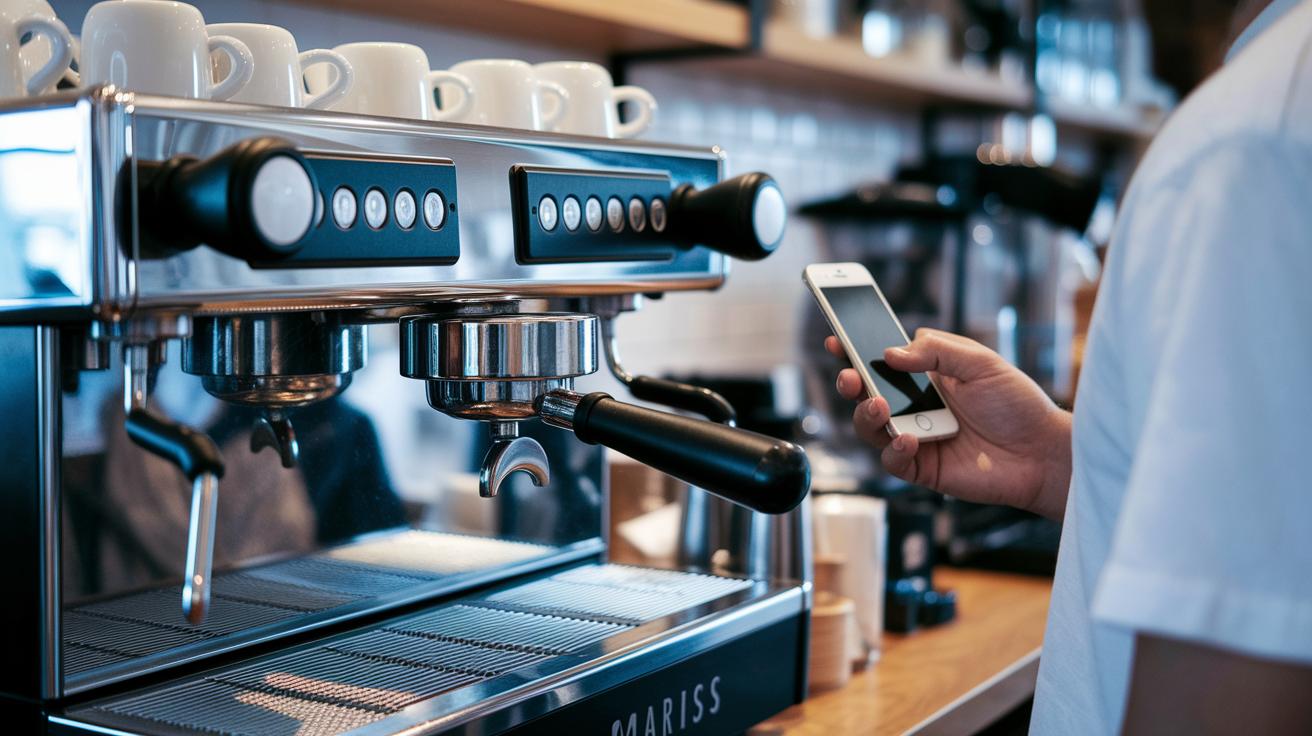
Place your sensor just right and you'll see a smoother, more stable extraction every time you brew. High-quality MEMS modules, which capture even the tiniest shifts with accuracies as fine as ±0.1 percent full scale and respond in mere milliseconds, help to carefully balance every espresso shot. Imagine a sensor that tweaks itself on the fly, kind of like a barista who crafts every cup with expert care.
Making sure sensors are mounted on cool, depressurized lines helps cut down on drift. Keeping them away from hot spots stops parts from warping and keeps the readings consistent, much like following a trusted, time-tested coffee recipe. It’s all about that careful placement to get reliable results every single cup.
Smart placement also means saving on energy. These sensors sip power slowly, drawing only a tiny current in the microamp range. Their simple 3-wire serial interface not only uses minimal power but also keeps your machine running efficiently over time, like having a well-tuned coffee maker that’s both kind to your wallet and to your brew.
When sensors work in sync with digital controllers, the whole brewing process feels natural and responsive. The system adjusts settings in real time, so your coffee machine feels as if it’s got a mind of its own, responsive and precise, much like a digital barista enhancing every cup with perfect sensor feedback.
And here’s a bonus: with these steady, reliable sensors, you won’t have to recalibrate or replace them very often. That means more time enjoying the aroma of your perfect brew and less time fussing over maintenance.
Troubleshooting Common Sensor Misplacement Issues in Coffee Machines
When sensor issues pop up, you might see wobbly readings or slow brew times. Sensors placed too near hot parts or choppy flows can send mixed signals, making it hard for your machine to catch pressure changes. Bad sealing or poor soldering can even let tiny leaks mess things up. Catch these problems early so your coffee always tastes just right.
- Check the sensor’s position against the machine’s diagram.
- Look at any joints wrapped with PTFE tape and fix them if needed.
- Test the sensor with a tool you know is accurate.
- Give the wiring and plugs a good once-over.
- Make sure the sensor is mounted the right way.
- Compare the live readings with what you expect.
Regular check-ups and careful tweaks help spot sensor misplacement before it affects your brew. Each little step, like rechecking a taped joint or the sensor’s angle, keeps your coffee machine running smooth and your cup full of quality.
Best Practices for Sensor Integration and Maintenance in Coffee Machine Design
When setting up sensors, following the manufacturer’s guidelines is key. Place and mount them carefully so that nothing gets in the way and readings come out right. It’s like making sure your favorite coffee mug sits perfectly on the table.
Mix proper mounting with regular digital checks. You can test your sensors at different temperatures and pressures. For example, try simulating the warmth of a busy coffee shop to see that the numbers stay steady.
Stick to a regular calibration schedule and write down every change. Modern systems often include calendars with alerts and logs, kind of like jotting down a secret coffee recipe. A simple note like, "Adjusted vibration damping after sensor drift during peak hours," keeps everything in check.
Final Words
In the action, our discussion dove deep into how sensor placement influences every aspect of coffee machine performance. We explored how positioning sensors helps get accurate data, boosting extraction stability, energy efficiency, and overall taste consistency.
Each section highlighted practical tips for installation and calibration, along with troubleshooting common misplacement issues. The impact of sensor placement on coffee machine performance is clear, smart layout and care in maintenance lead to a consistently perfect brew. Keep experimenting and fine-tuning; each small improvement brings you one step closer to that ideal cup.
FAQ
How are pressure sensors used in coffee machines?
Pressure sensors in coffee machines monitor brew pressure, ensuring each shot achieves the ideal extraction by detecting pressure fluctuations and maintaining safe, steady operations.
Where is the best place to put a coffee machine?
Placing your coffee machine in a well-ventilated, accessible spot near power outlets maximizes performance and safety while keeping cleaning and maintenance straightforward.
How does technology affect coffee?
Technology enhances coffee by enabling precise measurements and automated operations through sensor-driven systems, resulting in consistent, customized brews with improved extraction and safety.
How often should a coffee machine calibrate?
Coffee machines should be calibrated regularly following manufacturer recommendations to ensure sensors provide accurate readings, maintaining reliable brew quality and extending the machine’s life.