

What if a tiny sensor could turn your everyday coffee into a work of art? The sensor collects simple clues from every drop, helping us find the perfect recipe. Imagine having a smart friend who keeps an eye on your brew, noticing even the smallest changes in water flow or heat. With each little pulse, coffee experts adjust the process so that every sip tastes just right. This clever trick shows us the science behind that comforting cup, proving that a bit of precision can really boost your coffee experience.
Core Principles of Advanced Sensor Data Analytics for Coffee Quality Improvement
Our advanced sensor data analytics is like having a smart friend who checks every detail of your brew. Sensors keep an eye on key factors such as water flow, extraction time, and pressure to catch even the tiniest changes that might affect your coffee's flavor. Roasters and coffee shop experts work together using this real-time info, tweaking the process just like tuning a high-performance engine to make every cup shine.
Our sensor readings aren’t just boring numbers, they tell a story. High-speed sensors collect data continuously during extraction, so any change in water pressure or timing is noticed right away. This steady stream of insights gives baristas a clear picture, allowing them to adjust their technique on the fly and bring out the best in every shot.
Structured testing is the secret behind reliable, great-tasting coffee. By comparing sensor data to trusted benchmarks, teams can ensure every batch meets high standards. With easy-to-read dashboards guiding you, each brew is backed by solid, repeatable data, ensuring that every cup tells the story of precision and passion.
Sensor Integration and Live Production Monitoring for Coffee Quality Improvement
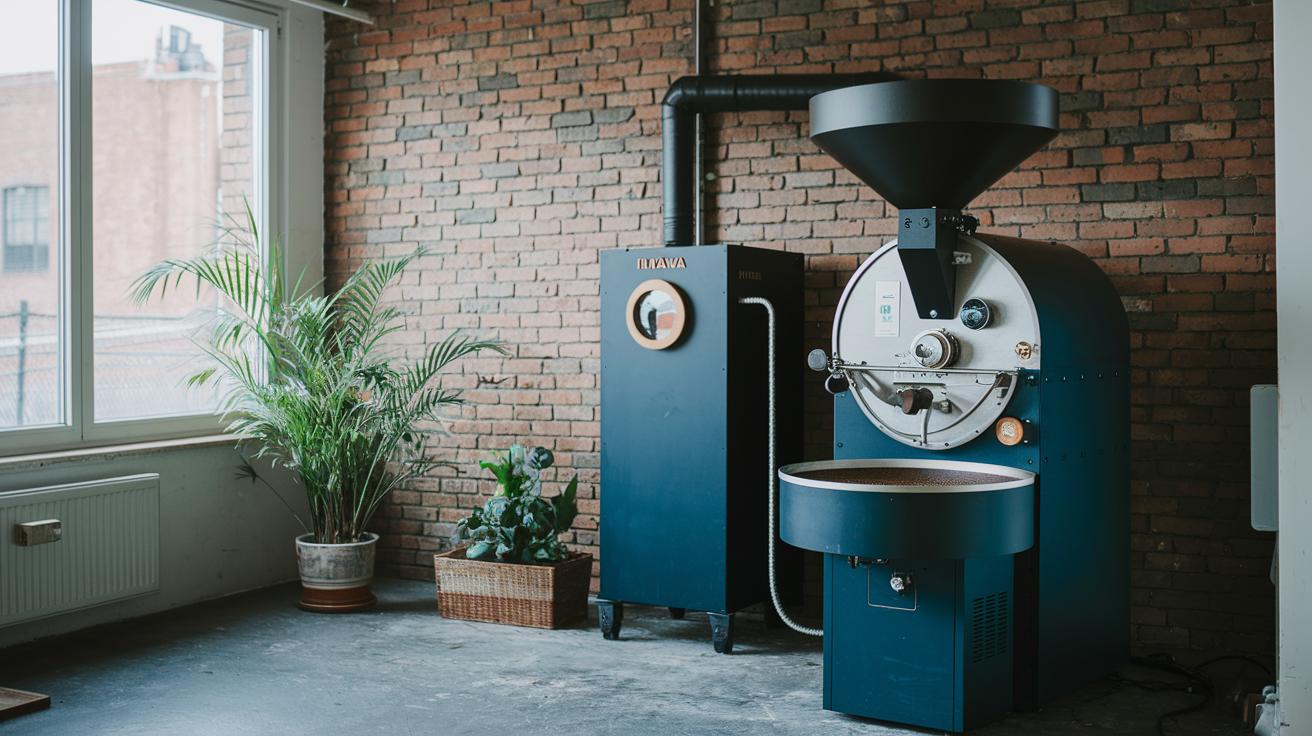
Roasters are now adding smart sensors to their setups, like the IKAWA Humidity Sensor. This little device checks the room's temperature, humidity, and airflow in real time. In plain language, it keeps an eye on the environment so roasters can fine-tune their roast profiles straight away based on live data.
Brewers enjoy these modern gadgets too. These sensors track key details of the coffee extraction process, allowing for quick tweaks to get the best taste possible. The information shows up on easy-to-read dashboards that highlight quality metrics. It means that when things change, the team can adjust things faster than ever.
Benefits of live production monitoring include:
- Real-time quality alerts that let you know if something’s off during brewing.
- Rapid detection of any unusual changes, so issues get caught immediately.
- More consistent roasting by keeping the environment steady.
- Energy tracking to help run the system more efficiently.
- Less waste by fixing problems as soon as they pop up.
Using live data streams like this helps teams design a solid quality assurance plan. They can compare current sensor readings with set benchmarks all the time, ensuring that each cup of coffee meets the high standards they want.
Machine Learning Extraction and Predictive Quality Control for Coffee Quality Improvement
At CoffeeMind, we use strong statistical tools like logistic regression (a math method to predict outcomes) and multivariate analysis (a way to look at many factors at once) to understand sensor data such as changes in temperature and pressure. This helps us measure even the smallest shifts in flavor, much like a finely tuned instrument catching every single note. So, when our machine learns from these patterns, it builds a deep sense of what the perfect shot should taste like.
One cool part of our process is instant anomaly detection. Our system is always on the lookout, scanning sensor feeds to catch any sudden changes in yield or consistency. If there’s even a small drop in water pressure or a tiny temperature hiccup, the alert goes off right away, just like a smoke alarm that sounds when something isn’t right. This quick feedback lets roasters and baristas step in fast, keeping your cup close to perfection.
In addition to spotting problems, the system keeps an eye on flavor consistency. It runs regular tests to ensure each brew matches what we expect, whether that’s the right balance of body, sweetness, or acidity. This constant check is like an orchestra tuning its instruments before a big performance, making sure every cup is harmonious and delicious.
Our process goes a step further with dynamic adjustment protocols. These smart tools predict if a roast or extraction might stray from its ideal path. By comparing real-time sensor data against quality benchmarks, the system can suggest immediate tweaks. This data-driven approach puts the control right into the heart of every brew, ensuring that each sip meets our high, crafted standard.
Visualization of Process Data and Optimization Strategy Development for Coffee Quality Improvement

When it comes to making the perfect cup of coffee, seeing your process data really makes a difference. Operators rely on dashboards that display simple visuals of pressure, temperature, and moisture trends coming from sensor feeds (sensors are little devices that check things like heat and dampness). This way, raw data turns into easy-to-understand insights; tweaking the roast or extraction settings feels as natural as stirring your favorite brew. Heat maps and SPC charts help spot changes over time and show when the process isn’t meeting the set standards. Even machine learning gives a hand by spotting tiny patterns that might otherwise go unnoticed. It’s like turning numbers into clear actions for a better cup every time.
Visualization tools also give operators the power to keep an eye on many variables at once. They help quickly pick up on any shifts in quality that might change the flavor, so teams can make a timely fix. With interactive dashboards, it’s easy to compare current sensor readings with past results. Every change is tracked against quality checks to ensure that each cup stands as a testament to precision. In a way, the data starts conversations with the operator, guiding every move step by step.
| Dashboard Type | Visualization Mode | Key Use Case |
|---|---|---|
| Dashboard A | Pressure & Temperature Analysis | Real-time extraction monitoring |
| Dashboard B | Moisture & Flow Visualization | Blend trials and SPC charts |
| Dashboard C | Heat Maps & Trend Analysis | Quality metrics optimization |
Optimization strategies weave these visual tools into a seamless process. Operators use this flexible approach to fine-tune every step by matching current performance with set quality standards. This method supports continuous feedback and smart adjustments, making sure that data-driven decisions always lead to that great cup of coffee you love.
Calibration Techniques, Automated Feedback Loops, and Assurance Methodology Design for Coffee Quality Improvement
When it comes to making sure every cup is just right, sensor calibration is the secret sauce. Think of it like tweaking your favorite coffee recipe, each device checks the temperature and pressure to hit that perfect mark. Regular calibration keeps everything on track so that every reading feels as reliable as that first sip in the morning.
Once calibration is set, automated feedback loops step in like a barista adjusting the grind in real time. These smart loops take the sensor data and gently guide the machine, tweaking the extraction process to match your quality standards. It’s all about quick, responsive adjustments that keep every brew balanced and delicious.
Here’s how it works:
- Sensor data acquisition
- Real-time analysis
- Actuator adjustment
- Validation against quality metrics
Each step plays its part in creating a coffee experience that feels both consistent and wonderfully fresh, much like chatting with a friend over a steaming cup of joe.
Cloud Integration and Data-driven Decision Making for Coffee Quality Improvement

Cloud platforms work like a friendly control center that gathers sensor data from many spots. Whether it's a bustling roastery in one town or a cozy café in the next, readings like temperature, pressure, and extraction time all flow into one clear dashboard. This makes it easy for coffee experts to keep an eye on things and fine-tune the brewing process.
Industrial IoT solutions connect devices from every roastery and café, forming a smart network that feels almost alive. Imagine getting real-time updates and knowing that every step, from roasting your beans to that final pour, is running smoothly. This site-to-site connection helps ensure that every cup tastes just right, no matter where it's made.
Decision support systems mix past records with live sensor updates to help teams make smart choices on the fly. These tools let you spot trends quickly and adjust brewing settings to boost both quality and efficiency. With continuous data and a little know-how, this approach not only keeps every cup excellent today but also sparks new ideas for even better coffee tomorrow.
Final Words
In the action, our blog broke down how sensor data and digital controls work together to perfect every cup. We covered everything from live production monitoring and machine learning tweaks to fine-tuning calibration techniques. Each section showed how real-time data can guide every step, making sure that coffee is brewed just right every time. With advanced sensor data analytics for coffee quality improvement, every sip tells a story of innovation, precision, and care. Here's to every cup that comes out better than the last.
FAQ
How do advanced data analytics drive coffee quality improvement?
Advanced data analytics drive coffee quality improvement by measuring water flow, extraction time, and water pressure in real time. They help roasters and cafés maintain consistent flavor profiles.
What sensor metrics matter most for coffee quality?
Key sensor metrics like ambient temperature, humidity, and airflow help capture rapid, accurate information that guides adjustments in brewing and roasting for a more consistent cup.
How does live production monitoring benefit coffee quality improvement?
Live production monitoring keeps track of quality using sensor data feeds, enabling real-time adjustments, rapid anomaly detection, tighter roast consistency, energy use tracking, and reduced waste.
What role do machine learning models play in ensuring quality control?
Machine learning models use techniques like logistic regression and multivariate analysis to predict roast and extraction outcomes, flag anomalies, and fine-tune brewing parameters on the fly.
How does visualization of process data help optimize coffee extraction?
Visualization tools, including dashboards and heat maps, display pressure profiles and temperature curves, making it easier for operators to spot trends and fine-tune extraction settings.
How do calibration techniques and automated feedback loops maintain consistent quality?
Calibration techniques ensure sensor accuracy while automated feedback loops map sensor readings to actuator controls, providing real-time adjustments that maintain consistent extraction yield.
How does cloud integration support data-driven decision making in coffee quality improvement?
Cloud integration centralizes sensor data across sites, allowing unified analysis and end-to-end monitoring. This supports data-driven decisions in operations and supply chain management.