

Ever wonder if a tiny sensor glitch can mess up your perfect brew? When you're trying to get that just-right cup, even a small error in measuring temperature, pressure, or flow can turn rich coffee into something a bit off.
Imagine your coffee maker as your trusty friend. With just a little adjustment, you ensure every bean gets treated just right. This guide is like a friendly tip on how to tune those settings so every sip feels like a warm hug.
So why settle for anything less? It’s time to uncover the secret behind consistent, amazing flavor, you deserve a cup that always feels just right.
Precision Sensor Calibration for Consistent Coffee Extraction
Start by fine-tuning your temperature sensor. Grab a thermocouple or thermistor and hook it up with a PID controller, a device that helps keep your brew temperature steady between 195°F and 205°F. First, compare your sensor’s reading to a trusted thermometer. If it’s off, adjust the zero point and tweak the scale until it matches real-life changes. Think of it like making sure your kitchen thermometer reads room temperature right before you start heating things up.
Next, move on to your pressure sensor, like the XDB401. Zero it out when there's no water flow and double-check the reading with a simple, reliable manometer, a tool that measures pressure. This step is key to keeping the pressure around that perfect 9 bar mark during extraction.
Then, give your flow meter a quick check. This step makes sure water is moving evenly through your system, which is important for nailing that ideal extraction yield of 18–22% soluble coffee solids. That’s the secret behind a brew strength of 1.15–1.45%.
After that, adjust your PID loop settings so your machine can adapt to changes on the fly. And don’t forget to set up a regular schedule for recalibration. With Bluetooth-enabled routines on an ESP32-based smartphone app, you can keep everything accurate and consistent, ensuring each cup tastes just right.
Selecting High-Accuracy Sensor Types for Consistent Coffee Extraction
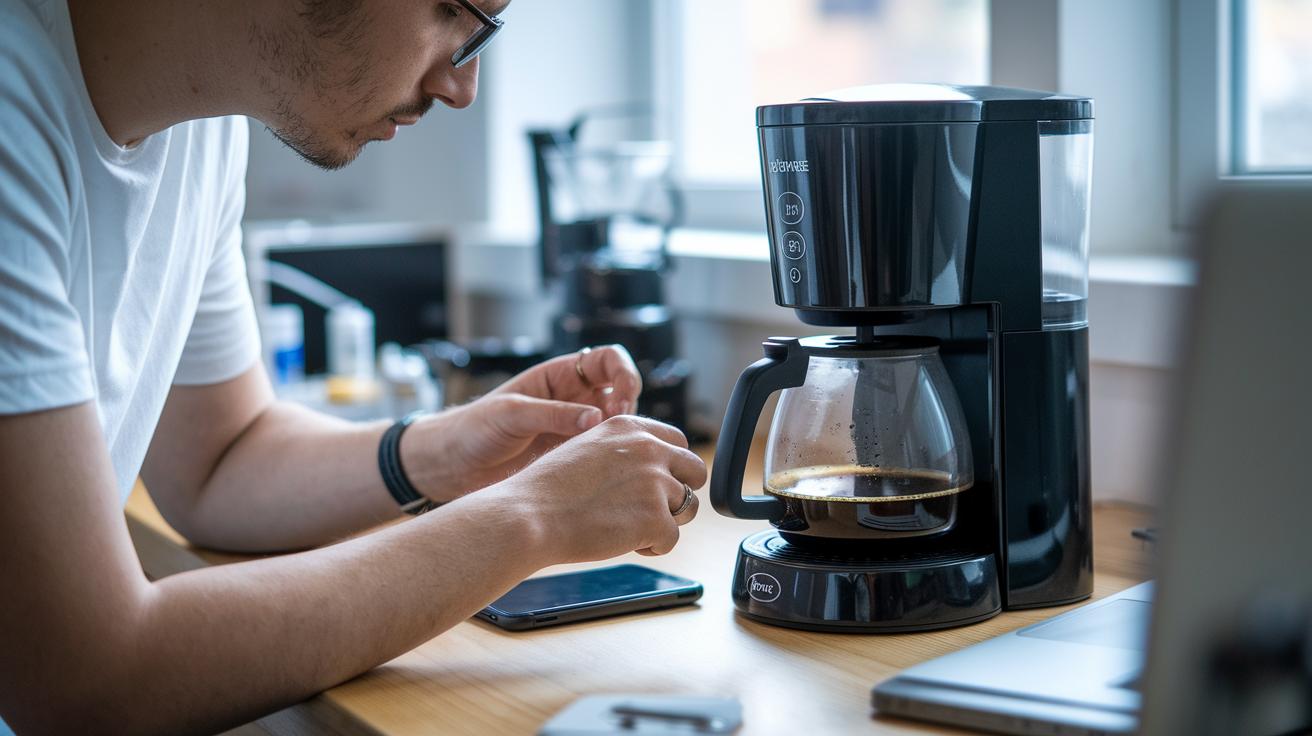
When building a coffee maker with smart systems like STM32 microcontrollers or ESP32 modules, the sensor you choose really sets the tone for your brew. Picking high-accuracy sensors is key to blending modern tech with the art of making great coffee. When you choose the right sensor for your artisan coffee machine (check it out at https://aboutjoe.com?p=92), you can keep the temperature, pressure, and flow just right so every cup tastes balanced.
Temperature Sensors: Thermocouples vs. Thermistors
Thermocouples react super fast when the temperature changes. They’re like a quick handshake with your coffee, giving you immediate feedback. Thermistors, however, offer extra precision but only in a narrow range. This means your brew stays in that perfect zone of 195°F to 205°F. Pairing these sensors with a PID controller on devices like Arduino or Raspberry Pi can keep your extraction process steady, mixing new tech with classic coffee know-how.
Pressure Transducers: XDB401 and Alternatives
Pressure transducers, such as the XDB401, give you precise checks during the coffee extraction process. They help maintain that important 9 bar pressure needed for a rich, balanced flavor. There are other strong choices out there that work with different designs, ensuring you get the right readings every time. This careful control stops your coffee from being over-extracted or under-extracted, keeping its flavor spot on.
Flow Measurement: Turbine vs. Ultrasonic Meters
For measuring flow, turbine meters watch how water moves mechanically. Ultrasonic meters, on the other hand, use sound waves to gauge the flow. Both types are important to keep the water path steady. This ensures you get an extraction yield between 18% and 22% soluble solids and a final brew strength of around 1.15% to 1.45%. It's all about making each cup taste just perfect.
Optimizing Sensor Placement and Environmental Control for Consistent Coffee Extraction
Placing sensors in your coffee maker just right can really help you get a steady, tasty cup every time. When you put a temperature probe right in the water flow, you're making sure every drop is measured perfectly. This way, sudden changes that might mess with the flavor are caught quickly.
When it comes to pressure sensors, keeping them away from pump vibrations is a big deal. Mount them less than 0.5 cm from the brew group head, and you'll see more reliable readings. A little bit of thermal insulation around the sensors helps keep them safe from nearby warmth and vibrations.
Using smart analytics with your machine is like having a brewing buddy who adjusts recipes on the fly. It takes into account things like the room temperature, humidity, and even the time of day, explaining every detail like a friendly barista. This data helps refine sensor settings and keeps everything running smoothly.
Getting your sensor placement right and keeping the settings under control is the secret to enjoying great coffee at home.
Troubleshooting Sensor Errors for Consistent Coffee Extraction

Sometimes, sensor hiccups can turn what should be a great cup of coffee into a confusing mess. When your pressure sensor shows less than 8 bar with a slow flow, your brew might taste sour, a bit salty, and leave a weak finish. But if the sensor reads over 10 bar with a strong flow, you might notice a bitter or even burnt taste. Quick ups and downs in pressure can throw off the balance, making it tricky to enjoy those subtle, perfect flavors.
It helps to keep an eye on your sensor readings against the ideal setup: a steady 9 bar pressure, smooth flow, and an extraction that pulls 18-22% soluble solids with a brew strength of 1.15-1.45%. When these numbers wander off, that's your cue to start troubleshooting. Ever taste a cup where nothing feels right? That’s a signal to check your sensors. If you spot low pressure, a quick re-calibration or a little temperature boost might do the trick. For over-extraction, consider tweaking the PID loop, cleaning the group head, or cutting back on brew time. And if the readings are jumping around, it’s a good idea to check for leaks or see if the pump is vibrating too much.
| Issue | Sensor Indicator | Taste Profile | Correction Action |
|---|---|---|---|
| Under-extraction | Pressure <8 bar, low flow | Sour, salty, weak finish | Re-calibrate pressure, increase temperature |
| Over-extraction | Pressure >10 bar, high flow | Bitter, astringent, burnt notes | Adjust PID, clean group head, reduce brew time |
| Pressure Fluctuations | Rapid spikes or drops | Inconsistent taste | Check tubing, isolate pump vibration |
These simple steps help you quickly spot and fix problems, ensuring your coffee always extracts perfectly, like that just-right cup you love.
Leveraging Sensor Data Analytics for Consistent Coffee Extraction
Imagine having a little helper that watches over every aspect of your brew. With sensor data in play, your coffee machine picks up details like the time of day, your flavor likes, and even a hint of the weather outside. These sensors work like tiny baristas, gathering clues on pressure, flow, and more to help adjust the brew as it happens.
Every bit of data is put on a simple dashboard where you can see trends and catch any odd changes right away. It’s like having a clear view of your blend’s heartbeat, making sure every cup tastes just right.
• First, set up dashboards to capture readings from each sensor.
• Next, keep an eye on sensor feedback to spot even the smallest shifts.
• Then, let the data guide you to tweak your settings on the fly.
As tech evolves, smart algorithms even predict adjustments before any issue pops up. This means your machine fine-tunes its extraction process every single time, ensuring a consistently great cup of coffee. Regular updates keep everything just so, making each brew feel as warm and reliable as a chat with an old friend.
Implementing Automated Sensor Tuning Systems for Consistent Coffee Extraction
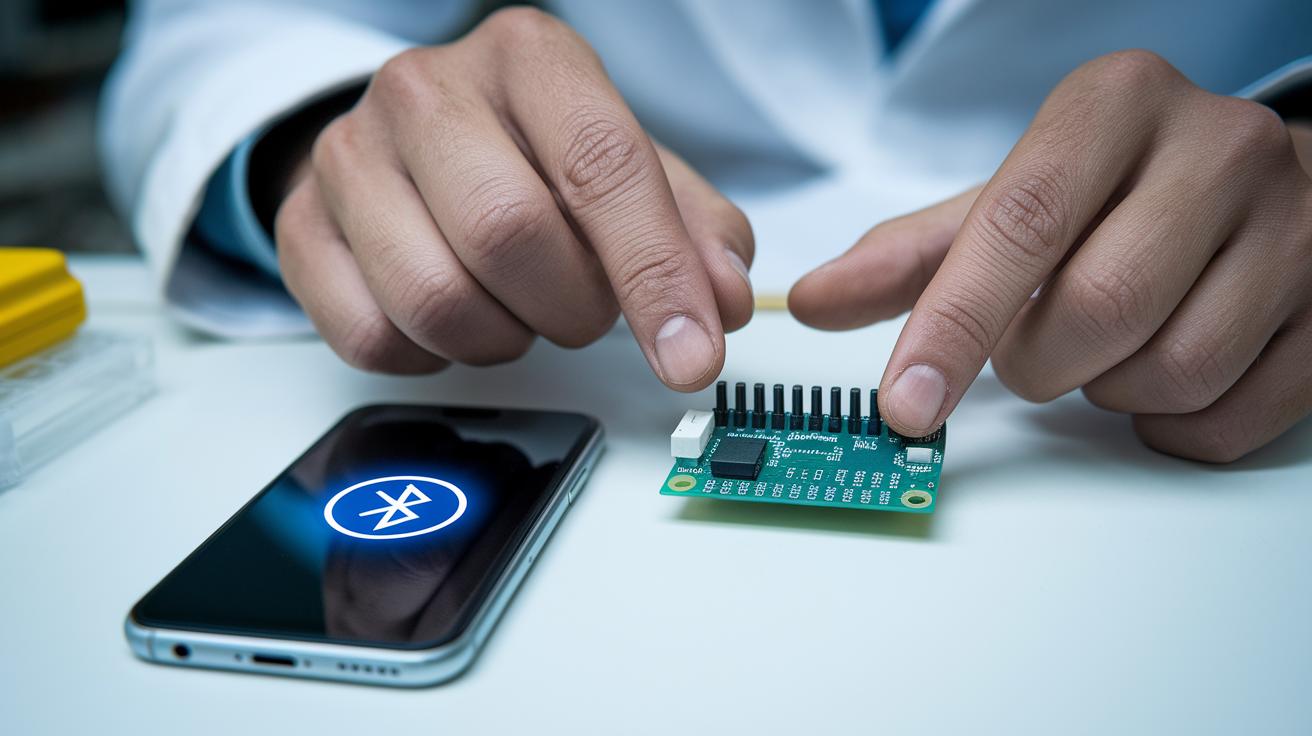
Our new sensor tuning system works hand in hand with our trusted sensor calibration setup. You can still adjust sensors by hand when you want that extra fine control, but the system now takes care of changes in real time using microcontrollers like the ESP32 or STM32. In simple terms, it’s like tweaking the volume on your home stereo when needed versus letting a smart speaker balance the sound automatically.
Your smartphone now plays a big part too. It can send a Bluetooth signal to kick off a remote recalibration when it notices any drift in the sensors. You get a small nudge on your screen, and with one tap, the machine starts its self-correcting routine. This is much easier than having to reset everything manually.
We’ve also built scheduled auto-calibration into the firmware. Picture your coffee machine doing a quick health check on its sensors every hour, keeping every brew just right without you needing to watch over it.
- Manual tuning gives you direct control when you want to fine-tune things.
- Automated adjustments work nonstop, fixing issues as they come up and reducing downtime.
- Integrating this smart firmware with our sensor calibration means everything runs smoothly on its own.
Final Words
In the action of fine-tuning our coffee tech, we explored how precise sensor calibration, smart placement, and real-time diagnostics come together for that perfect brew. We dived into troubleshooting common hiccups and even looked at automated tuning systems. This article offered clear steps to improve every part of your smart brewing process by optimizing sensor accuracy for consistent coffee extraction. Every calibration adjustment and data insight helps you create a consistently delicious cup, leaving you ready to enjoy the art and science of coffee in every sip.
FAQ
What is the 30 second rule for espresso?
The 30 second rule for espresso means that a shot should extract in about 30 seconds, ensuring balanced flavor and strength. Precise sensor calibration helps meet this timing consistently.
What is the 2:1 rule for espresso?
The 2:1 rule for espresso means using roughly twice as much water as the amount of dissolved espresso. It supports balanced extraction, aided by precise sensors for consistent brew quality.
How to maximize coffee extraction?
Maximizing coffee extraction means fine-tuning water temperature, pressure, and flow. Regular sensor calibration and maintenance ensure these parameters are optimal for a fuller, more balanced flavor.
What are the 4 M’s of espresso?
The 4 M’s of espresso refer to Machinery, Method, Material, and Measurement. Each plays a role in achieving a perfect cup with consistent sensor-driven extraction.