

Ever wonder if your coffee machine could tweak its own brew? Sensor data analytics gives it that nifty ability. Tiny sensors check things like water temperature and bean grind, each one a little helper making quick adjustments for perfect flavor. It's like having a friend adjust your cup just right before you even take a sip.
This smart system not only brews a consistently great coffee but also helps keep your machine running smoothly. In simple terms, sensor data analytics makes your coffee routine smoother and more reliable than ever.
How Sensor Data Analytics Supports Coffee Machine Optimization
Sensor data analytics keeps a close eye on every little detail, from the warmth in the air to the coarseness of your coffee grind. This smart system taps into tiny sensors that check temperature, humidity, and grind size in real time. It then lets a helpful machine learning tool adjust the water temperature by just plus or minus 0.5°C. In plain language, that means your coffee machine tweaks its brewing time and temperature to serve up a consistently perfect cup.
Imagine your coffee machine is like a good friend who constantly checks in to make sure your morning brew is spot-on. It uses sensor input to change how it works on the fly, ensuring your cup tastes just right every single time. IoT brewer monitoring steps in here, too. It connects all the parts of your machine so that any necessary tweaks happen immediately while your coffee is brewing. For example, if the machine senses a tiny dip in temperature during extraction, it quickly adjusts the process to keep the flavor balanced and rich.
Real-time dashboards and predictive maintenance algorithms add another layer of care. They watch trends in vibrations and temperatures to spot any signs of wear. Sometimes, these smart tools can even predict a problem five to seven days before a failure might occur. They catch any performance changes within just two seconds so the system can act fast and prevent any major issues. All in all, bringing together sensor data analytics, machine learning, and IoT monitoring cuts down unexpected downtime and guarantees a great cup of joe every time.
Sensor Types in Data Analytics-Driven Coffee Machine Optimization
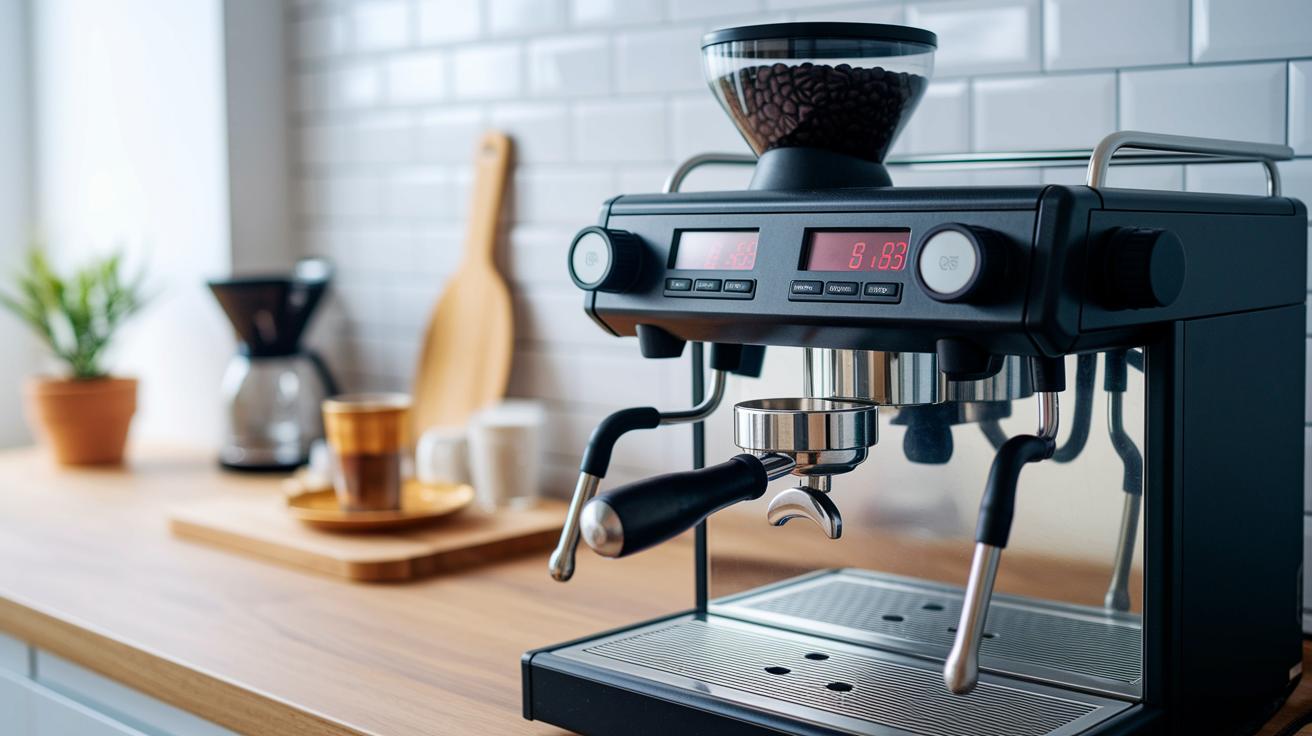
Optimizing your coffee machine means using a team of smart sensors that work together to capture every little brewing detail. These sensors send live data to a clever system that makes small tweaks so your cup always tastes just right.
For instance, temperature sensors keep the water within a close range of 0.5 °C, while pressure sensors make sure the extraction pressure hits 9 bar every time. Flow sensors measure water to within 0.1 ml, and humidity sensors keep an eye on the room’s moisture level, which can change how the coffee roasts and brews. Plus, grind size sensors check that the coffee is evenly ground, so each shot extracts perfectly. For more on how these sensors are picked, check out key criteria for selecting high-performance sensors in coffee machines.
| Sensor Type | Parameter | Role |
|---|---|---|
| Temperature Sensor | ±0.5 °C | Keeps water temperature steady for consistent extraction. |
| Pressure Sensor | 9 bar | Makes sure the brew gets the right pressure for full flavor. |
| Flow Sensor | 0.1 ml | Measures water volume exactly to keep the recipe on point. |
| Humidity Sensor | Ambient moisture | Watches the room’s moisture, affecting roast and brew quality. |
| Grind Size Sensor | Particle distribution | Checks grind evenness to help each shot extract uniformly. |
Mixing these sensor types into one smart setup means your coffee machine is tuned like a finely crafted instrument. With real-time data, operators can adjust things on the fly, giving baristas a reliable way to keep the performance consistent. This hands-on approach not only boosts the quality of your brew but also spots small changes before they turn into a bad cup of joe.
Data Acquisition Frameworks for Coffee Machine Optimization
Modern coffee machines share their sensor data over both wired and wireless channels. Wired systems provide a stable connection but aren’t as flexible. On the other hand, wireless systems, often using IoT modules and MQTT over a secure Wi-Fi (which just means it’s safe and fast), let data race in less than a second. This mix ensures every key detail, like water temperature or grind consistency, reaches the processing unit right away so the machine can adjust on the fly.
Right from the start, data is handled by edge computing nodes that process sensor streams right where they are collected. These edge devices do some quick local work, filtering out the important bits before sending only the useful information to the cloud. Then, cloud logging steps in, capturing data every second to track trends over days or weeks. This clever combo helps detect even the smallest changes that might impact your cup.
The flow of information is kept secure through reliable communication protocols. Encrypted pathways, such as those guarded by TLS 1.2 (a way to ensure data is locked down tight), protect the sensor data during its journey. This smart setup supports smooth connectivity between devices and remote monitoring, making real-time tracking possible so that any hiccups can be fixed before they become a problem.
Analytical Techniques in Sensor Data Analytics for Coffee Machine Optimization
Imagine figuring out the perfect cup by uncovering secret links between grind size and flavor extraction. That’s what we do with Principal Component Analysis, or PCA. It takes a bunch of sensor data and breaks it into a few key points that show what really matters in each brew. We mix these insights with smart process modeling to adjust the machine settings, ensuring that each shot of coffee is consistently great. Plus, our machine learning models use real-time sensor inputs to predict that perfect shot with 95% accuracy. It’s like having a barista inside the machine, always tuning things for the best flavor.
We also add a splash of Bayesian classifiers and quick time-series anomaly detection to our process. These tools sift through temperature and flow data to catch any quirky patterns before they can mess up your brew. Meanwhile, our real-time watch keeps an eye on sensor outputs, flagging any odd changes within just five seconds. This speedy alert system lets technicians jump in immediately if something’s off. Together, these techniques build a proactive monitoring system that keeps every cup coming out just right.
Integrating Predictive Maintenance Algorithms in Coffee Machine Optimization
Sensor readings keep an eye on vibrations and temperature, sending updates to a smart model that learns from past data. This helps catch problems early, sometimes as much as seven days ahead. When the chance of a clog hits 80%, it sends a friendly alert like "Clog level at 80% – time to check the flow!" to prompt a checkup.
Real-time dashboards mix in these insights so the machine can adjust on the spot. This clever approach has reduced unexpected repairs by about 30%, meaning less downtime and a smoother, more reliable brew.
Real-Time Performance Tracking and Automated Alerts for Coffee Machine Optimization
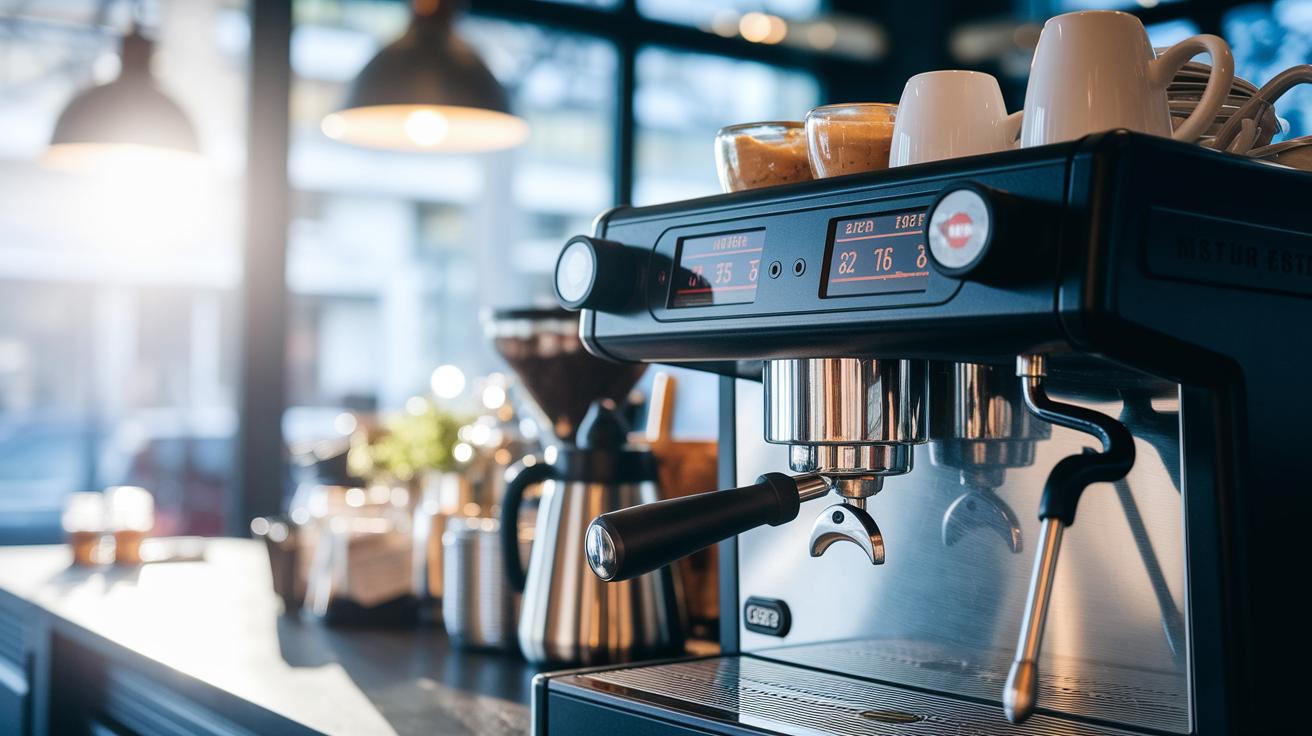
Today's coffee machines come with cool dashboards that update every two seconds. They show you key numbers like temperature, pressure, and water flow in real time. The system watches these details closely, alerting you if the water temperature drifts by more than 1 °C or the pressure shifts by more than 0.2 bar. When something's off, alerts fly out right away through MQTT or SMS APIs so that technicians can jump in and fix things fast.
It gets even better with remote troubleshooting. Technicians can log into digital tools that give them a clear picture of the machine’s status. This makes it easy to spot any issues and decide on a fix quickly. With these smart alerts, problems are caught and resolved before they grow, keeping machines on track and every cup tasting just right.
Sensor Data Analytics for Coffee Machine Optimization Excels
Imagine a cozy, bustling café that suddenly levels up with some smart technology. They use sensors to guide an automated barista that adjusts things like water temperature and pressure in real time. This nifty system helps the café serve 20% more coffee, ensuring every cup meets the highest standards. It’s like having a friendly tech expert on duty, making sure your coffee is consistently satisfying.
At a well-known roastery, a similar kind of smart sensor control is at work, but this time it’s all about roasting. The sensors keep a close eye on the oven’s temperature and fan speed, tweaking them just right. This careful monitoring cuts energy use by 15% and spots little changes before they become big issues. Early alerts even help technicians fix problems quickly, reducing unexpected downtime by 25%. It’s smart, efficient, and keeps the roast smooth every step of the way.
Both of these stories show how a little tech and a lot of heart can work wonders in coffee brewing. The café uses real-time sensor data to make every cup perfect, while the roastery enjoys streamlined operations and energy savings. Together, these smart systems build a solid foundation for a smoother, more reliable coffee experience.
ROI and Quality Assurance Benchmarks in Coffee Machine Optimization with Sensor Data Analytics
Sensor data analytics helps coffee machines work better by using real numbers you can count on. Operators see a 15% drop in inventory and a 5% boost in labor productivity in just 90 days, pretty neat, right? The way coffee is extracted has become steadier, going from 4% variability to only 1.5%. This means every cup tastes just as you expect it to. Plus, smart alerts cut machine downtime by 25%, keeping everything running smoothly.
| Metric | Benchmark | Impact |
|---|---|---|
| Inventory | 15% reduction | Less waste and simpler stock management over 90 days. |
| Productivity | 5% labor gain | Smoother and faster operations on the work floor. |
| Consistency | Extraction yield variability from 4% to 1.5% | Every cup gets a uniform taste, no surprises. |
These numbers show how using sensor data can really change the game. Businesses save money, use energy more wisely, and serve a consistently great cup of coffee. With daily operations running more smoothly and each brew held to a high standard, the benefits are clear both in the bottom line and in every delicious sip.
Final Words
In the action, we saw how sensor data analytics supports coffee machine optimization by tracking every detail from water temperature to pressure. Breakdowns are flagged in real time, keeping brew quality steady while minimizing downtime. Advanced tech quickly spots issues and refines brewing profiles, making each cup consistent and satisfying. The blend of digital insights and smooth operation leaves you with a system that truly delivers on perfect brewing. Cheers to a future where every cup feels just right.
FAQ
What is an IoT coffee machine?
The IoT coffee machine uses sensor data and cloud connectivity to track brewing details like temperature and pressure. This setup helps maintain cup quality by providing real-time performance feedback.
What does Coffee Cloud VPN mean?
The Coffee Cloud VPN refers to a secure network channel used to protect and transmit coffee machine data. It encrypts sensor information, ensuring safe remote monitoring and reliable system access.
What is Coffee Cloud Scanomat?
The Coffee Cloud Scanomat is a system that collects and examines performance data from coffee machines. It processes sensor input to help assess machine health and fine-tune brewing processes.
What defines a smart coffee machine?
A smart coffee machine integrates sensor data analytics and IoT connectivity to automatically adjust brew settings. It monitors key parameters in real time, delivering a consistently delicious cup.
What is Coffee Cloud Drink?
The term Coffee Cloud Drink can refer to a cloud-based service that personalizes beverage options. It leverages machine data to provide customized coffee experiences and smooth ordering handling.
What is involved with Coffee Cloud Login?
Coffee Cloud Login typically means accessing an online portal where you can view real-time insights on your coffee machine’s performance. It allows for monitoring sensor data and troubleshooting issues remotely.
What is Coffee Cloud Perfume?
Coffee Cloud Perfume likely denotes a fragrance inspired by the rich aroma of freshly brewed coffee. It brings a sensory experience that echoes the warmth and quality of a perfectly brewed cup.