

Have you ever thought about how technology can add a twist to your morning coffee? Imagine a group of little helpers, pressure sensors that check the force, temperature probes that feel the heat, and ultrasonic devices that listen for the tiniest sounds, all working together to monitor every moment of the brewing process.
This clever team makes sure your coffee is always just right. It’s like having a friend who pays attention to every detail, so your cup comes out consistent and rich every time. It's not just about brewing; it's about creating an experience that wraps you in warmth and delicious flavor.
Maximizing Brew Precision with Next-generation Sensor Fusion
Next-generation sensor fusion tech has totally changed how we brew our coffee. Many specialty coffee makers know the struggle of uneven water flow and saturation, which can lead to flavors that just don’t match up and wasted beans. By mixing info from pressure sensors like the XDB401, temperature probes, flow meters, and even ultrasonic sensors (which use sound waves to measure things), each brew is carefully tracked. This constant stream of data lets you tweak your process on the fly, giving you a better cup every time.
This smart tech brings real-time monitoring into action. The machines work hard, constantly processing a mix of sensory data so you get immediate feedback during your brew. Every detail, like water temperature and pump strength, is kept in check, ensuring your coffee stays top-notch even when there are small changes along the way.
In the end, these clever machines powered by advanced sensor fusion are a real game changer. They bring a new level of consistency and flavor control, making sure every cup feels just as perfect as the last.
Core Sensor Fusion Technologies for Advanced Coffee Brewing

Modern coffee brewing now leans on a smart mix of sensors that work like a well-tuned team, each one adding a special touch to your cup. We pick these sensors by sticking to clear, proven rules that ensure only the best make the cut.
- Pressure Sensors: Our XDB401 sensors measure pressure with a neat accuracy of ±0.1 bar. They keep the pump steady, just like a friend might keep your story on track.
- Temperature Probes: These devices keep an eye on the brew’s warmth in real time, making sure every shot reaches that perfect, cozy temperature.
- Flow Meters: They check how water flows around the coffee grounds, ensuring even soaking so that every sip is balanced.
- Ultrasonic Sensors: By using sound waves, think of how sonar helps a dolphin navigate, these sensors quickly gauge the brew’s progress and tweak the process as needed.
By mixing all these readings together, the system can adjust on the fly. This smart sensor fusion tackles any hiccups like uneven water spread or sudden temperature changes, helping every cup be as delightful as a freshly brewed morning cuppa.
Architecting Integrated Sensor Fusion Systems in Coffee Machines
Smart coffee machines work like a well-coordinated team. They link up tiny sensor arrays with control units using easy-to-follow protocols such as MQTT or OPC UA. In simple terms, these protocols are like a common language that lets all parts chat with one another. The result is a smooth, integrated setup where every sensor contributes to an exceptional brew.
Inside these machines, little embedded controllers run smart programs that mix readings from sensors, measuring temperature, pressure, flow, and density, almost instantly. This quick mix lets the coffee maker respond to changes while your coffee is brewing. Even when natural variations occur, the machine adjusts on the fly to keep your cup consistently smooth and delicious.
Years of research, including insights from an in-depth coffee industry report, helped shape these modern designs. These systems blend hardware and software so that vast amounts of sensor data turn into clear, actionable steps. Plus, thanks to clever cross-platform solutions, manufacturers can upgrade or adjust the system without redoing it all from scratch. This means your coffee machine stays efficient, adaptable, and ready to serve up the perfect cup every time.
Calibration and Adaptive Control with Sensor Fusion in Brewing
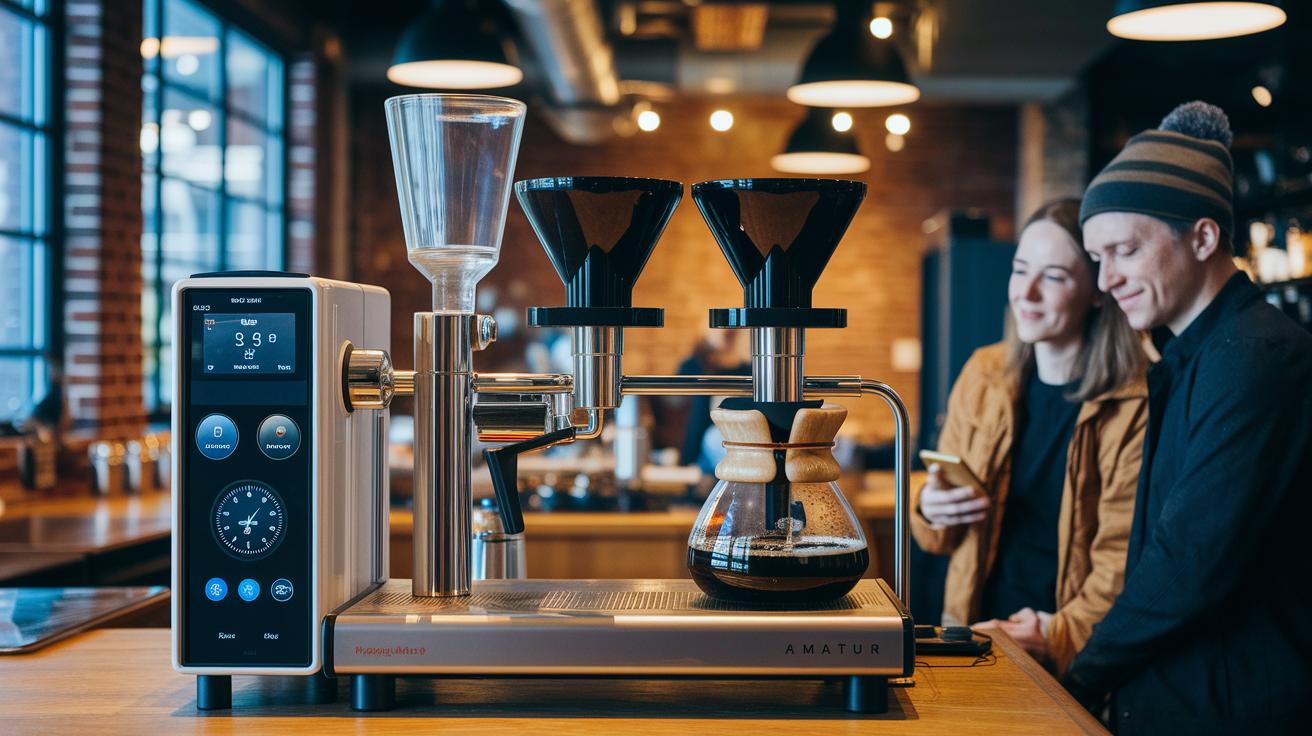
Imagine a brewing system that works like a well-matched band, where every part plays its role in perfect harmony. Sensor fusion in brewing brings together real-time tweaks and digital calibration to keep everything just right. The system gently adjusts the temperature within half a degree based on immediate sensor readings. It listens to signals from pressure and flow sensors to modulate the pump speed, ensuring each extraction is on target. With adaptive control algorithms constantly refining the process, every step is carefully monitored and adjusted so that every cup brims with the balanced flavor you love.
Then there’s the magic of machine learning. This smart helper reviews taste profiles and automatically fine-tunes the brew settings. It steps in to cut down on guesswork, making sure every shot meets a high standard of perfection. Live sensor updates fill its models with fresh data, driving the adaptive controls that keep your brew consistent, almost like having a master barista working behind the scenes.
In short, this brewing process can react to changes in real time, ensuring every cup feels spot on, just like that first satisfying sip on a cool morning.
Case Studies: Next-generation Sensor Fusion Applications in Coffee Brewing
Real-life tests with sensor tools have made a big difference in coffee brewing. Projects using smart pressure sensors, AI for quality checks (think of an algorithm that spots mistakes in the roast), ultrasound modules, and special column extractions have brought more steady flavor and better consistency.
In one case, using XDB401 pressure sensors boosted shot consistency by 30%. In another project, AI quality control in a specialty roastery cut brew variations by 25%, helping keep the brand’s standards solid. Ultrasound extraction methods trimmed the time by 40% while still keeping all the yummy flavor compounds intact. And trials with a new column extraction method reduced premium bean waste by 20% by ensuring an even soak.
These examples show how blending data with sensor tools can sharpen the taste in each cup. They also lay the groundwork for using smart systems to track flavors and even predict how a blend will taste. In short, these sensor-based techniques are turning traditional brewing into a process that’s both efficient and downright satisfying.
Next-generation sensor fusion in coffee brewing rocks
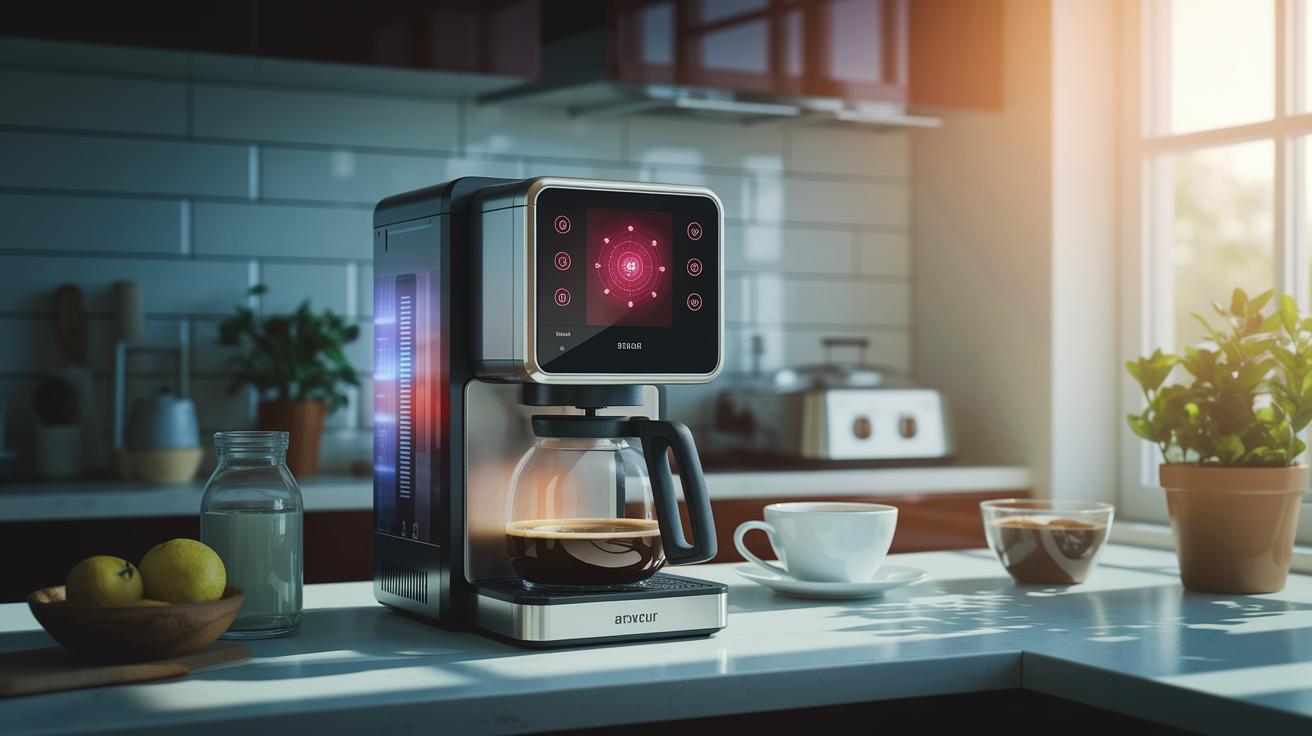
Future tech is making coffee machines smarter than ever. Imagine a coffee maker that blends digital methods with smart sensors built to save energy. New designs use optimized sensor checks and onboard computing to cut down power use while still keeping a sharp eye on every brew.
Engineers are also creating digital twin platforms, virtual copies of the brewing process. These live models let you catch little hiccups before they turn into big problems. With timely alerts and easy tweaks, keeping quality high and waste low becomes a breeze.
Meanwhile, breakthroughs in edge AI fusion are taking shape. This clever tech cuts network lags and makes machines super responsive, even in a busy café. In short, smart coffee makers will soon brew consistently perfect cups, no matter the conditions.
Final Words
In the action, our discussion highlighted how smart sensor arrays and real-time monitoring blend to perfect every brew. We explored pressure sensors, temperature probes, flow meters, and ultrasonic devices working together to adjust extraction as it happens. The integration of digital insights and adaptive controls makes it easier to achieve that reliable, delicious cup. With advanced tweaks driving every aspect, the future is bright for Next-generation sensor fusion in coffee brewing. Enjoy each sip as the technology brings out the full potential of your coffee experience.
FAQ
Q: What are the sensors in a coffee machine?
A: The sensors in a coffee machine include pressure sensors like the XDB401, temperature probes, flow meters, and ultrasonic sensors that work together to monitor and adjust brew parameters in real time.
Q: What is the trend in coffee machines in 2025?
A: The trend in coffee machines in 2025 shows a shift toward sensor fusion and digital monitoring, offering automated real-time extraction analytics to enhance brew consistency and flavor quality.
Q: What coffee machine does Jennifer Aniston use?
A: The coffee machine used by Jennifer Aniston isn’t officially confirmed, though many believe she opts for high-end models featuring advanced sensor fusion for precise and consistent extraction.
Q: What is the new method of coffee production?
A: The new method of coffee production utilizes sensor fusion paired with adaptive control, combining real-time feedback from multiple sensors to continuously optimize brewing parameters and elevate flavor consistency.